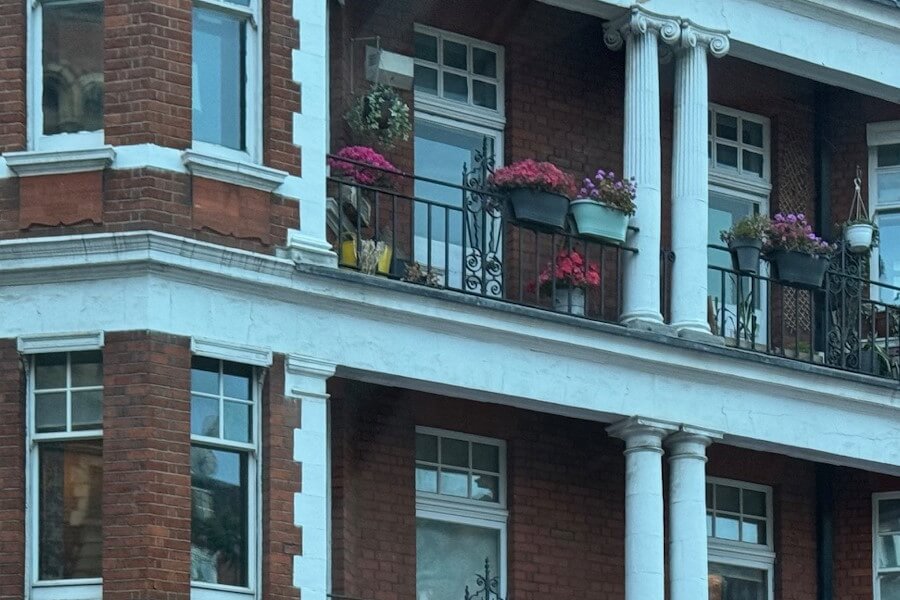
There are many reasons why people decide to sell their properties
There’s no single right or wrong reason for selling your home, and it’s an incredibly personal decision that will be based on many factors specific to your situation. Still, there are some broad common reasons why people decide to look for a buyer for their property.
Financial needs
A major reason that causes many people to sell their house or flat is a need to access money locked up in their property. This can happen if their finances are in a poor state and they need swift access to funds. For example, if you’ve fallen behind in mortgage repayments then selling your home could help you pay off the debt, avoid repossession, and move on to a new location.
Or this situation can also occur when the homeowner has already decided to move and they need the sale of the home in order to help fund the purchase of their next property.
Relationship changes
If you are living alone, a smaller house or flat might be all you need for your belongings. But later on if you end up in a relationship with a live-in partner you might find that your existing home doesn’t have enough space for both of you. In this situation it’s very likely that you’d want to sell so that you could buy a new property that satisfies the needs of you and your partner.
Job changes
You might also want to sell your home when you have a change in your job that requires you to relocate to another city or even country. Unless you can afford to have two houses, it’s very likely that you’ll want to sell your existing property to help pay for a home in your next location.
Property market boom
If you’ve noticed that many houses in your area are selling at high prices, that means there’s a property market boom happening near you, and you could stand to make a profit on your house by selling at that time. A good way to get an initial idea of house prices in your neighbourhood is to use property websites, like Zoopla, that can give you rough estimates of home values in your area. Don’t use these estimates as hard facts, but more as a general guide to a potential sale price.
Desire to leave your neighbourhood
Perhaps the area you live in has changed over the years you’ve been there and it’s no longer somewhere you want to be. There can be a number of causes for this outcome, including the possibility of rising crime in the neighbourhood, major property development, and more.
Selling allows you to still walk away with a decent amount of cash that you can then use to help fund the purchase of a new house or flat somewhere else you find more desirable.
Need for a bigger home
This can often fall under the categories of relationship or job changes, but sometimes a need for a bigger house or flat is a stand-alone reason for people wanting to sell their existing property and upsize.
For example, if you have children who are getting older and need bigger bedrooms you might want to sell in order to fund the purchase of a bigger/ house. Or you might have decided to launch a work-from-home business that requires a large space for your office that you don’t have at your current address.
If I need to sell my home but it has a problem, can I proceed?
If you are finally ready to sell your property, you will next need to select which method you would like to use in order to find a buyer. The four typical choices are selling to a quick home buyer like LDN Properties, selling via an estate agent, selling at an auction or selling without any help.
There are important pros and cons to learn about with all four of these options, based on key factors such as whether they will require that you pay commission, how long they will take and more. By way of example, it can take more than a year to sell your home when you use an estate agent, whereas it may only be a few weeks when you sell to a quick buyer.
A useful tactic can be to write down your priorities with the sale of your home, such as how long you are prepared to wait to secure a buyer, whether you are willing to pay commission on the sale, your ideal selling price and other issues. Then compare these factors against the specific details of all four options below to find out which one most closely matches your needs.
• Selling to a quick home buyer
Quick home buyers are companies including LDN Properties that already have the finances in place to purchase your home, without having to wait for weeks or months to get approved for a mortgage to afford the transactions. This reduces the average timeline of selling to a quick buyer to just a few weeks, and this includes exchanging contracts and paying you the proceeds.
Beyond being often the speediest way to sell a home, another advantage of selling to a quick buyer is that the legitimate companies will never charge you any commission, so you are assured of receiving the entire proceeds from the sale. That compares to selling via an estate agent or with an auctioneer, which are two options that will require that you them fees if they succeed in selling your property, and this fee will be subtracted right away from the proceeds.
For your additional peace of mind when selling to a quick buyer, you can also check whether a specific company is registered with The Property Ombudsman (TPO), which is an independent organisation that publishes regulations for the quick buying industry that aim to shield sellers from fraud. All true TPO members, like LDN Properties, must follow these regulations, so that you should give you confidence in selling to them.
To check whether or not a company is a TPO member, visit the organisation’s website and click on the “Find a Member” link and then when prompted type in the name of the company. If they are a genuine TPO member you will be shown their membership details. If you get no results then they are not a member and you shouldn’t sell to them as it might be a scam.
• Selling via an estate agent
An estate agent takes on responsibility for handling almost all the tasks needed to sell a property. First, they will produce a listing that describes your home and features photographs of the interior and exterior, and they will advertise this online, in their office and in local newspapers. They will next arrange viewings for give anyone interested a tour of your property, and then hear offers from buyers, aiming to get one to the final exchange of contracts.
This can be among the slowest strategies for selling any type of property and you should not be surprised if it takes more than a full year before you get an offer on your home. If your main aim with selling is finding a buyer as fast as possible then you should consider some other options, such as selling to a quick buyer as that process will only take a handful of weeks to complete.
One problem you might encounter with selling this way is if a buyer makes a genuine offer but then later changes their mind and cancels it, as this would cause the sale to fall apart. There is nothing you can do to penalise them for this if you have not yet exchanged contracts. And it would extend your selling schedule much further because you’d have to start over with seeking a buyer.
Note also that you will have to pay the estate agent commission if they are able to find a buyer for your property, and this may be charged within a range from 1.15 percent to 1.40 percent of the final sale price, although the exact rate may be higher or lower than this. This charge will add to your total expenses because it will be deducted from the eventual sale proceeds.
• Selling at an auction
There isn’t much work that you will have to put in when selling this way, as the auctioneer will take care of the important steps. They will create a listing and advertise it to get potential buyers interested in your property, and then host the auction itself. If your home manages to sell at the auction, they will oversee the final stages needed to complete the transaction.
Typically, an auctioneer will charge a homeowner commission for selling their property, and this is often around 2.5 percent of the final sale price, although the exact amount may be above or below this rate. This will cause your costs to rise as they fee is taken immediately out of the sale proceeds, so if you want to reduce your expenses then you could consider selling through a zero-commission method such as contacting a quick buyer or selling on your own.
Some auctioneers might be open to reducing the rate of commission that they charge you, or to make the winning bidder pay for a share of your expenses. It’s always worth inquiring about whether either of these steps might be possible as it can help with lowering your costs.
When you sell this way, you will be asked to choose a reserve price, and this is the lowest price at which you are comfortable selling your home. It’s important that you calculate a reserve price that should still generate a profit from the sale even after subtracting the auctioneer’s fee, otherwise you create the danger of selling your property at a loss or only just breaking even on the sale with a price that is close to the original value at which you bought the home.
An auction is far from the quickest way to sell a property because there is a significant amount of waiting involved, including several weeks between when you decide to sell this way and when the auction takes place. If your home sells, the winning top bidder then usually has about 28 days to sign all of their legal papers and finish their other tasks needed to complete the sale.
Note also that an auctioneer might ask you to choose between the traditional method of auctioning your home or the modern method. Under the traditional method, the auctioneer will advertise your property’s listing for several weeks or more before the auction to get bidders interested, and then will host the auction for a limited time on a specific day. Under the modern method, your listing will be active for a set number of weeks and have an end date. People can place bids on the listing 24 hours a day, seven days a week whilst the listing is active, and the top bid at the exact time that the listing expires is the winner and person buying your home.
• Selling without any help
Another strategy for selling your property is trying to do so without any third-party help, which means without an auctioneer or an estate agent. This will require that you make a listing and advertise it, schedule viewings, hear offers and try to get one to the exchange of contracts.
These tasks require a lot of time and effort and they aren’t something you can just defer to any spare time that you might have. It can easily take more than a full year to sell this way, and it’s often the most stressful way to try finding a buyer for any type of property. So only consider this approach if you have managed to sell a home like yours before, or if you have a suitably qualified friend or family member that is willing to help with the sale for no charge.
You might encounter a problem when selling this way of a buyer making an honest offer but then later cancelling it, which would make the sale fall apart. You would then need to restart your search for a buyer, possibly adding much more time to your selling schedule.
The only clear benefit of selling on your own is that you would not have to pay any commission on the sale of your property, which will assist with reducing your expenses. But you could find that this saving is quickly eliminated by the amount of money that you will need to spend on promoting your listing and other steps needed to find a buyer for the property.
One way to still avoid paying any fees but get a much speedier sale would be getting in touch with a no-commission quick home buyer like LDN Properties. You will achieve the same benefit of avoiding having to pay any fees but with the extra bonus of completing the sale of your home within a handful of weeks, and that includes exchanging contracts and paying you the proceeds.
Frequently asked queries about why people sell their homes
Because we talk with homeowners every day, we’ve heard a lot of questions about why someone might want to sell their house or flat. These are the most frequently asked:
No. There are a myriad reasons why people decide to sell. Financial needs can be a primary cause for wanting to sell, but other reasons for selling include relationship changes, job changes, and much more.
Possibly. If you have already signed and exchanged contracts for sale, or if someone placed a successful bid on your property at auction, both of those are legally binding sales and if you try to undo the sale it may create a costly legal process for you.
You could sell through an estate agent or an auctioneer, but beware that both services will charge you a fee. An alternative is to sell to a reputable and trustworthy property buying company that will pay you quickly for your home and not charge a fee.
It’s possible that your home might be seen by some buyers as a problem property because of some negative issue, whether that’s a legal dispute, structural damage or anything else. You will have to assess whether or not you have the time, energy and money necessary to fix the problem before selling, as this will be a case-by-case decision unique to your situation.
By far the fastest option for selling a property is usually getting in touch with a quick home buying company like LDN Properties, as the entire schedule should only be a few short weeks from the beginning to the end. If you instead decide to sell via an estate agent, an auctioneer, or on your own then you will find that it will take at least several months to get a buyer.
If you sell via an auctioneer then the average fee will be about 2.5 percent of your home’s sale price, whereas an estate agent often charges commission within a range from 1.15 percent to 1.40 percent of a property’s sale price. Should you opt for selling to a no-fee quick buyer like LDN Properties or selling without any third-party help then you will not pay any commission.
You should ask specific quick buyers if they can prove they are registered with The Property Ombudsman (TPO), which is an independent organisation that publishes rules to guard owners against fraud in the industry, and that true TPO members like LDN Properties must follow. Don’t sell your home to a non-TPO member because you might fall victim to a scam.