
Understanding Lease Extensions
In the United Kingdom, many residential properties are sold on a leasehold basis, particularly in urban areas like London, Manchester, and Birmingham. Leasehold means the homeowner (leaseholder) owns the property for a fixed period but not the land it is built on, which is owned by the freeholder. As time passes and the lease length shortens, the leaseholder’s legal rights erode, and the market value of the property can decrease significantly.
Extending a lease is the legal process of increasing the term of the lease. For flats, a statutory lease extension typically adds 90 years to the existing term and reduces the ground rent to a “peppercorn” (effectively zero). This process is governed by the Leasehold Reform, Housing and Urban Development Act 1993.
Lease extensions not only preserve the property’s resale value but are also essential for mortgage approval. Most lenders require a lease of at least 70–80 years before offering financing.
Why Extend Your Lease in 2025?
2025 is a critical year for leaseholders due to multiple converging factors. These include changes in legislation, potential market volatility, and planned reforms expected in 2026. Extending a lease in 2025 provides leaseholders with a strategic opportunity to lock in favourable conditions before further reforms potentially increase premiums or change eligibility requirements.
In addition, the Leasehold and Freehold Reform Act 2024—recently passed—has clarified and simplified aspects of the lease extension process. Acting now allows leaseholders to benefit from this transparency.
- Market Appeal: Properties with long leases are more attractive to buyers and yield higher prices.
- Cost Control: Lease extension costs rise as the lease term drops, especially below 80 years.
- Mortgage Viability: Longer leases improve chances of securing a mortgage or refinancing.
Average Lease Extension Costs in 2025
The cost to extend a lease in 2025 varies widely based on multiple factors. In metropolitan areas like London, the premium alone can reach £30,000 or more for high-value flats with leases under 80 years. However, less expensive properties in other parts of the UK might only require a premium of £5,000 to £15,000.
- Premium: Compensation to the freeholder based on property value, lease length, ground rent, and marriage value.
- Valuation: A surveyor’s report estimating the correct premium. Typically £600–£1,200.
- Legal Fees: Legal costs for both leaseholder and freeholder (the leaseholder usually pays both). Budget £800–£2,500 total.
- Land Registry and Admin: Filing the new lease can cost £40–£200 depending on property value.
It is crucial to consult a chartered surveyor with expertise in lease extensions to avoid overpaying or triggering disputes with the freeholder.
Detailed Cost Breakdown
Lease Extension Premium
This is the bulk of the cost. It compensates the freeholder for loss of future ground rent and the deferred reversion value (what the property is worth when the lease expires). If the lease has dropped below 80 years, you must also pay 50% of the ‘marriage value’—the increase in value resulting from the lease extension.
Surveyor and Legal Fees
A RICS-qualified valuer will perform the lease extension valuation. These valuations are complex and require expert knowledge. Your solicitor will manage the Section 42 notice and review the freeholder’s response. Total professional costs can range from £1,500 to £4,000.
Administrative Costs
These include Land Registry fees and potentially tribunal fees if the extension is disputed. Though smaller, these costs are essential for budgeting accuracy.
Factors Affecting Lease Extension Costs
Understanding what drives the cost of a lease extension is vital for strategic planning:
- Length of Remaining Lease: A lease with fewer than 80 years remaining is subject to marriage value, dramatically increasing costs.
- Property Value: More expensive properties lead to higher premiums.
- Ground Rent: High or escalating ground rent increases the calculated compensation due to the freeholder.
Leasehold and Freehold Reform Act 2024: Key Changes
The 2024 Act introduces significant updates that benefit leaseholders:
- Standard 990-year extension terms for flats and houses.
- Immediate eligibility—no more two-year ownership requirement.
- Ground rent abolished in new extended leases.
These reforms simplify the process and protect leaseholders from unfair practices.
Upcoming Regulatory Changes in 2026 and Beyond
Further reforms are expected to address marriage value abolition, online lease processing, and a shift to commonhold ownership. These changes aim to modernize property law and offer fairer terms to leaseholders.
Statutory vs. Informal Lease Extensions
Statutory extensions provide legal protections under the 1993 Act. Informal agreements may be quicker but are riskier and often include retained ground rent or less favorable terms.
- Statutory: 90-year addition, peppercorn ground rent, legal protections.
- Informal: Negotiated terms, potentially faster, but riskier.
Step-by-Step Guide to Extending Your Lease
- Valuation: Hire a RICS surveyor for an accurate premium estimate.
- Legal Advice: Consult a lease extension solicitor.
- Serve Notice: Initiate the process with a Section 42 notice (statutory route).
- Negotiate: Work with the freeholder or tribunal if needed.
- Completion: Finalize the deed and register with HM Land Registry.
Common Pitfalls and How to Avoid Them
- Waiting too long, especially past the 80-year threshold.
- Not using qualified professionals for valuation and legal work.
- Entering informal agreements without clear terms and legal oversight.
Conclusion
Extending your lease in 2025 may be a smart move. With legal reforms already enacted and more coming in 2026, securing a longer lease now ensures better property value, mortgage options, and peace of mind. Always seek expert advice to navigate this complex but essential process.
Expert Insights and Case Study
To illustrate how lease extension costs vary and the impact of legislative changes, let’s consider a case study:
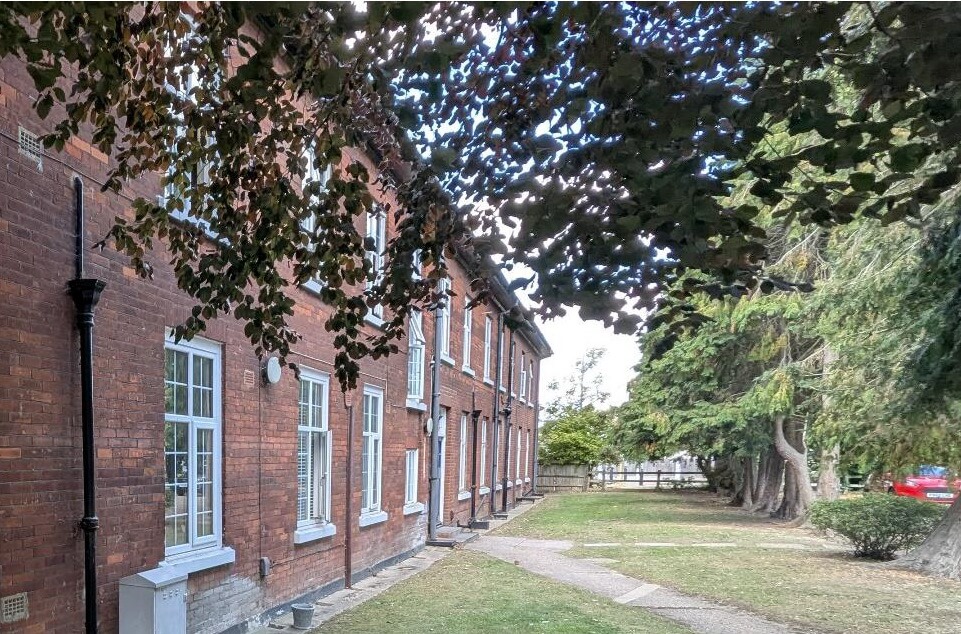
Case Study: Two-Bedroom Flat in Camden, London
- Property Value: £475,000
- Remaining Lease: 77 years
- Ground Rent: £200 per year, doubling every 25 years
After a professional valuation, the leaseholder was advised the premium would be around £28,000. Legal and surveyor fees added another £3,500. By acting before the lease dropped below 75 years, they avoided additional cost burdens. The total outlay came to just over £31,500—but the property’s resale value increased by nearly £50,000 due to the extended lease and eliminated ground rent.
Impact of Lease Length on Saleability and Finance
Short leases can significantly impact both the sale price and the ease of selling a property. Most mortgage lenders will not finance homes with less than 70 years remaining on the lease. Those that do often require high interest rates or larger deposits.
Additionally, buyers are often wary of leasehold properties with short leases because they may have to take on the cost and complexity of an extension shortly after purchase. This reduces the buyer pool, weakens negotiating power, and can delay a sale.
Reforms and Government Objectives
The UK Government’s long-term objective is to phase out leasehold for new homes and simplify leasehold law for existing properties. The Leasehold and Freehold Reform Act 2024 is the first in a series of planned reforms, with additional changes scheduled for 2026 and beyond.
According to a 2024 Government summary, the goals of these reforms include:
- Providing leaseholders with greater autonomy and transparency.
- Reducing reliance on the tribunal system for routine extensions.
- Lowering costs by eliminating marriage value (proposed 2026).
- Encouraging transition to a commonhold system where appropriate.
The direction of reform aligns with recommendations from the Law Commission and housing advocacy groups such as Leasehold Knowledge Partnership (LKP) and HomeOwners Alliance.
Tools and Resources for Leaseholders
Several free and paid resources can help leaseholders calculate extension costs and understand their rights. Notable examples include:
- Leasehold Advisory Service Calculator – Government-backed premium estimator.
- HomeOwners Alliance – Consumer advocacy, guides, and legal templates.
- LKP – Campaigning for leasehold reform and offering expert articles.
How LDN Properties Can Help
At LDN Properties, we specialise in buying short leasehold properties. With over 20 years of experience in leasehold transactions, we can make you an offer for your property without any fees.
Contact our team today to discuss the sale of your property.
Legal Complexities and Tribunal Proceedings
In some cases, negotiations between the leaseholder and freeholder over the lease extension premium can break down. When this happens, the leaseholder may apply to the First-tier Tribunal (Property Chamber) to determine a fair premium. While this adds time and cost, it offers an impartial resolution method.
The tribunal considers expert evidence, including valuation reports, and makes a legally binding decision. Most cases are settled before reaching the tribunal, but it’s important to budget for potential legal representation and extra delays if you pursue this route.
Typical Tribunal Costs
- Application Fee: £100
- Hearing Fee: £200
- Legal Representation (optional): £1,000–£5,000+
Comparing Lease Extensions Across the UK
Lease extension costs vary regionally. In London, high property values and strong demand increase premiums. For example, a two-bedroom flat in Islington may cost £35,000 to extend, while a similar property in Leeds might cost just £10,000.
This disparity arises from differences in property value, lease lengths, and local demand. However, the legal process remains consistent across England and Wales. In Scotland and Northern Ireland, property law differs and does not rely on leasehold in the same way.
What Happens If You Don’t Extend Your Lease?
If you fail to extend your lease, the consequences become more severe over time. A lease that falls below 70 years may become unmortgageable, cutting your potential buyer pool in half. As the lease continues to shrink, the premium to extend increases exponentially.
In the extreme case where the lease expires, ownership of the property reverts to the freeholder. The leaseholder loses the legal right to occupy the property and receives no compensation. It is a worst-case scenario that all leaseholders should avoid.
Financial Planning and Lease Extensions
For many homeowners, funding a lease extension requires careful planning. It may involve refinancing, dipping into savings, or negotiating instalment-based premiums through informal agreements. Understanding the full cost and timeline in advance helps prevent financial strain.
Options to Fund a Lease Extension
- Remortgaging the property (requires adequate equity and lease length)
- Personal loans or savings
- Family support or equity release (for older homeowners)
Extending the Lease Before Selling
Extending your lease before listing your home on the market can be a strategic move. It reassures potential buyers, increases the sale price, and shortens the time your property stays on the market. While it’s possible to assign the right to extend a lease to a buyer, doing it yourself adds certainty to the transaction.
Many estate agents advise clients to start the process 6–12 months before listing, particularly if the lease is approaching the 80-year mark.
FAQs and Common Misconceptions
Can I extend my lease without the freeholder’s permission?
Yes, if you’ve owned the property for at least two years and meet eligibility requirements, you have a legal right to extend under the statutory process. You do not need the freeholder’s consent, although you will need to pay a fair premium.
Is marriage value going to be abolished?
It is likely. The government has stated its intention to remove marriage value as part of ongoing reforms, possibly by 2026. Until legislation is passed, however, it remains a factor for leases under 80 years.
Can I negotiate the lease extension myself?
While legally possible, it’s not recommended. The valuation and negotiation process is complex, and a misstep could cost thousands. Always work with a qualified surveyor and solicitor.