You have the right to sell your house or flat in the UK while living abroad
There are no legal restrictions preventing you from selling your UK home after you have relocated to live in another country. If you never intend to stay in the UK house again, nor lease it out to anyone, there’s no reason to retain ownership of it. Selling a home you’re no longer going to use will be a great financial help thanks to the profit you’ll make from the sale.
However, because you are now a resident of another country, the process of handling all the legal documents and other paperwork will be somewhat more complicated.
Many UK citizens have made the decision to move and live in another country, whether that’s Europe, the United States or anywhere else. Government data published on the website Statista suggest that exactly 557,000 people emigrated to another country from the UK in 2022 alone, with 92,000 of that amount being British citizens and the rest non-citizens.
However many people of those 92,000 British citizens moved overseas when still owning a house, flat or other category of residential property in the UK is unclear. But anyone that does move to another country and then wants to sell their home back in the UK is allowed to do so, there are no restrictions to doing this, no matter where you are currently living.
As this guide explains, there can several complications involved with trying to sell your leasehold or freehold property when you are living in another country, including tax issues and more.
You’ll be selling a freehold home if you are the outright legal owner of both the property and the land on which it was constructed, whereas you have a leasehold home if you own it for a set number of years as specified in a leasehold agreement and you pay ground rent to a freeholder. Whichever type of property you own, you could be looking to sell it without returning to the UK.
In the following sections LDN Properties will explain the various steps of attempting to find a buyer for your UK home whilst living overseas. You’ll also see advice on the best options to get a speedy sale at a fair price, and how to reduce your net expenses with selling.
Potential costs involved with selling your home when living abroad
If someone owns a freehold or leasehold flat or house in the UK and wants to sell it, the typical cost for all the steps involved is about £11,777, according to Barclays.
People living in another country might find that their expenses are higher when trying to sell a home that they own back in UK, whether that’s because of taxes, legal fees or other factors. But depending on which method you choose to sell your home, there are ways to significantly lower these costs, for example if you decide to sell the property to a zero-fee quick home buyer.
Some of the expenses involved with selling a home from abroad include:
- Paying to have furniture and other belongings shipped to the country where you now live
- Water, electricity and other utility bills that you’ll have to pay at your new home
- Buying insurance for your new property in a foreign country
- Buying cash in whatever currency is used in the country where you now live
- Capital Gains Tax depending on the profit from the sale of your UK home
- Commission you’ll pay to an auctioneer or estate agent if you decide to sell one of these ways
Preparing for the process of selling your property from abroad
Assessing the potential costs that you might have to pay when moving overseas and then attempting to sell your flat or house back in the UK is just one of several important steps that you will need to consider to suitably prepare for the sale of your property.
As this guide explains, choosing the right conveyancer for the sale of your leasehold or freehold home can be one of the most crucial decisions that you’ll make, because they will serve as your main legal representative for the sale when you’re overseas.
You’ll also need to decide on a price at which you’d like to sell your property, If you are choosing to sell your house or flat using the services of a fee-charging third party like an auctioneer or estate agent, then you will be required to pay them commission and this will be deducted from the sale proceeds, adding to your expenses. In either situation, you should try to find a minimum sale price for your property that would still produce some profit for you even after paying whatever commission you’ll owe.
Other tips for getting a home ready include making sure that it looks in the best possible condition – this is something you may have to pay cleaners or others to handle if you are unable to return to the UK. Inside the property, this can include removing as much clutter as possible from rooms to make them appear larger, and ensuring a high standard of cleanliness.
Outside of your home, other simple and either low-cost or no-cost improvements that you could pursue include fixing small issues like a missing roof tile or broken window, giving the window ledges a fresh coat of paint, and mowing and weeding any green space that you might have.
These actions, which can be handled by your friends, family members or professionals when you’re living overseas, could have a beneficial impact on the sale of your property. First impressions are very important when trying to sell a home, and a flat or house that looks like it’s kept in good condition will seem more valuable and enticing to prospective buyers.
Another important step you should take is deciding whether you want to repair any structural problems with your property before selling it. Flaws with a home can include dry rot, damp, subsidence, storm damage and more and it can range from small to large-scale.
Fixing any such problems before selling can help with preventing a situation where a buyer will see the flaw and then either lose interest in your property entirely, or reduce their offer price by at least the amount of money they expect that it will cost them to address the issue as the next owner. For those sellers trying to get the best possible sale price, spending time, funds and effort on resolving any existing problem at the property could therefore be a good option.
But there are many homeowners who will not have the time or money available to fix a structural problem with a property before selling it – particularly if they are living overseas, because it will be much more complicated to organise repairs at your UK home when you’re in another country. But thankfully you still have options available for selling the property.
For example, you could get in touch with LDN Properties or another quick home buying company. These no-fee businesses are known for making fast and competitive offers to buy almost any category of home, including so-called problem properties with structural flaws.
Their approach to purchasing freehold and leasehold flats, houses and other residential properties is incredibly streamlined, no-hassle and stress-free, and you’ll be given a decent price offer even without spending any money or time on trying to fix a structural problem. And you should be able to have the process of selling your home completed within weeks.
Make sure you have trustworthy and efficient legal support
Perhaps the most important decision you will make about selling your UK home is which conveyancer you’ll appoint to help you. Because you might be living hundreds or thousands of miles away from the UK, it won’t be practical for you to fly back every time there’s a document that needs checking, or a legal problem arises that needs fixing regarding the home sale.
Conveyancers are the legal professionals responsible for drafting the various contracts involved in selling a house, overseeing the transfer of cash from a sale, and working with HM Land Registry to officially register the ownership of houses in Wales and England.
Take your time searching online for reputable conveyancers that have solid ratings and a stated expertise in helping UK nationals who have moved abroad to sell their homes.
The conveyancer will likely use a courier company to post you important documents that need signatures, although some might be able to secure digital signatures. Find a solicitor who is very savvy with working with their clients remotely because you will be communicating with them by phone and email, rather than holding in-person meetings.
Know that you could be liable for paying Capital Gains Tax
When you sell a property in the UK you’ll have to pay Capital Gains Tax on any amount of profit that you might make from the sale – even if you sell the home while living abroad.
As the UK government’s website explains, this tax applies even if you are no longer considered a resident of the UK for taxation purposes. So you’ll be liable for paying the tax, although the precise amount will vary based on several factors including: whether you ever used part of your former UK home strictly for your business needs, whether there were any years that you spent 90 days or more in your home, and other factors.
Be sure that no more than 30 days after the sale of your home has completed that you submit to the UK government a capital gains tax return – even if you don’t owe any money. These returns are required and you could be subject to a fine if you fail to submit one.
Options for how to sell your home in the UK when you live overseas
When you’re living overseas, it can be practically difficult to get back to the UK in order to sell your property. You have four typical options for selling a home – selling with an estate agent, selling to a quick property buyer, selling through an auction or selling on your own.
There are pros and cons linked with all of these methods, although some of the approaches can be much more complicated to pursue from overseas. To help you with finding the selling choice that could work best for your situation, start by writing down your top aims with selling, such as your preferred sale price, how long you can wait to sell and whether you want to pay any fees.
Then compare all of these details against the specific information about the four options below, and this should make it easier for you to identify which is the best match for your needs.
Estate agent for selling your house from abroad
You could try selling your house the traditional way by contacting an estate agent back in the UK to handle the sale. The benefits of doing this include the fact that the estate agent will be able to do all the necessary work of listing and holding viewings for your home, which is something that would be physically impossible for you to do from overseas. But there’s no guarantee that your house will sell on a quick timeline, which can be a problem if you want a fast sale. And the fees you’ll have to pay the estate agent for selling will also cut into any profit you might make from selling your house.
To explain the process of selling your home from abroad in more detail, the estate agent will first produce a listing that includes photographs of the interior and exterior of your house or flat and describes its main features, and they will organise and typically lead the viewings, and finally they’ll hear offers from potential buyers and hopefully see a serious offer through to completion.
This can save you a large amount of work, in turn reducing your stress when selling. But there are several downsides about selling your home this way that you should understand.
One of these cons is that it can take more than an entire year to sell your property, which is far from ideal if your main goal when selling the home is doing so as quickly as possible. If you’re looking for a speedier sale then consider other options, such as using a fast home buyer like LDN Properties, which can often finalise the purchase of a house or flat within weeks.
It’s also crucial to know that a buyer could make an offer to your estate agent but then withdraw it and walk away from the sale without any penalty, so long as contracts have not yet been exchanged. This unfortunate outcome would add a lot of time to your selling timeline because you would have to start over with trying to find another buyer for your flat or house.
Another disadvantage of selling a flat or house through an estate agent whilst you are living abroad is that you will need to pay them commission, which is usually charged in an amount between 1.15 percent and 1.40 percent of your home’s final sale price. Some companies may charge higher or lower rates, so always ask individual estate agents to specify their fees.
A further possible drawback of selling your home through an estate agent is that they might not have any experience with finding a buyer for a property when the owner is living overseas. This could suggest that they might struggle with selling your home. Check with individual estate agents about their history selling properties overseas, and avoid those with no such experience.
Beware that some estate agents may also try a trick of quoting you a very high sale price for your house or flat, even if they realise that you’ll only get offers on the property when selling at a much lower value. Estate agents do this in order to persuade you to sell using their services, so that they can profit from the commission they’ll charge you if they manage to find a buyer.
One way to avoid falling for this trick is by asking several estate agents for free quotes about the price at which they think your home can sell, and then browsing Rightmove, Zoopla and other property sales websites to note the existing and past sale prices of homes like yours. Then calculate the average price of all these values, and this should give you a much more reliable estimate of the possible price at which you may be able to sell your property from abroad.
Fast property buyer when selling from abroad
A much simpler and speedier way to sell your home from abroad is to contact a property buying company. They will give you a competitive cash offer to buy your house, and a great perk is that you won’t ever have to pay any fees for selling to them. That means you get to keep all of the profit from selling. And because they are fast buyers, sales move significantly quicker than if you tried to sell through an estate agent. It’s a much less stressful and zero-hassle way to sell your UK home while living overseas.
The reason that quick buyers can move so speedily is that they have the financial resources available to immediately purchase properties, with no waiting for months or weeks to first get approval for a mortgage that could cover the cost of buying your home. This reduces the typical timeline when selling your property from abroad to just a handful of weeks, and this includes the time required for both the exchange of contracts and for you to receive the full sale proceeds.
Another advantage of selling to a quick home buyer is that they can make competitive and swift offers to purchase almost any leasehold property, regardless of its age, condition, location, shape, size or type – and even if the owner is selling whilst they are living abroad.
By way of example, LDN Properties launched in 2003 and since then its many purchases and offers made across the UK have included Airey houses, properties with overgrown gardens, Wates houses, flats with a very short amount of time left on the lease agreement, properties with drainage problems, houses in a bad area, flats above commercial premises, unmortgageable homes, properties with septic tanks and more.
For your extra peace of mind, you should check with individual quick home buyers to ask if they can prove that they are members of The Property Ombudsman. This is a third party organisation that writes regulations which are designed to guard homeowners from falling victim to fraud when selling their property in the quick buying industry.
All genuine members of TPO must commit to complying with these rules. Never sell your home to a quick buyer that cannot prove it is a TPO member, because it could be a scam. But selling a property to a proven TPO-registered company should give you enough assurances.
It’s thankfully very fast, free and simple to verify whether a quick home buyer is truly registered with TPO – just visit the organisation’s website and then click on the “Find a Member” button on the left of the welcome page, and you’ll be prompted to type in the name of a specific company. If, like LDN Properties, they are legitimate members of TPO, you’ll then be shown their registration details, but if they’re not a member then you won’t get any search results.
Auctioning your home when selling from abroad
Yet another option for selling your house, flat or other residential property whilst living abroad is by doing so through a traditional or modern auction.
With the traditional method of auctioning your home, the auctioneer will advertise the listing for the property for several weeks or longer, after which time the auction will be held – this is where people can place bids of ever-increasing price value on your property.
By contrast, with the modern method of auction, your listing will be open for many weeks or months, and people can place bids on the home 24 hours a day, seven days a week, with the top bid when the listing expires being the winner of the auction and the buyer of your property.
There is no right or wrong way to auction a property, and if an auctioneer offers you both methods then it’s entirely down to your preference on which option to select.
When you sell a home through an auction, you will need to select a reserve price, which is the lowest value at which you are willing to sell your property. Be sure to choose an amount that should still produce a profit from the sale, after subtracting the auctioneer’s commission.
Auctioneers will generally charge a seller commission at about 2.5 percent of the property’s sale price, if the home manages to sell at the auction. They charge this fee to cover the work that they do with selling your flat or house, such as producing and advertising the property’s listing, hosting the auction itself and then overseeing the completion of a successful sale.
You could ask individual auctioneers whether they are open to either charging the winning auction top bidder some of your costs, or reducing their rate of commission, which can help to lower your costs. But note that other auction houses might charge even higher fees than 2.5 percent, and this will raise your expenses as it’s deducted right away from the sale proceeds.
This won’t be a speedy way to sell your home from abroad, because it has several delays involved. There will be a wait of many weeks or months between when you decide to sell your home using this method and when the auction happens. Then, if the property manages to attract a bid valued at the reserve price or higher, the winning high bidder will typically have about 28 days to sign the legal papers and complete the other steps to finalise the purchase.
Some auction houses could give the winning high bidder even more time than 28 days for finishing all of these steps, whereas other auctioneers may set shorter deadlines. You may want to ask individual companies if they would be willing to reduce the amount of time that the winning high bidder receives for these tasks, as this can help to speed up the property sale.
Selling on your own whilst living abroad
Yet another way that you could sell your freehold or leasehold house whilst living overseas is to do so on your own, but this can quickly become very time-consuming and stressful.
That’s because you will need to coordinate every step of the process, starting with the initial development of a listing for the property and then advertising this online and elsewhere, in order to generate interest from potential buyers. Next you will need to schedule viewings and have a contact back in the UK who can take people on tours of the home. And you’ll be responsible for handling any serious offers, and ideally seeing one of those offers through to a sale.
This is a major undertaking, particularly when doing it from abroad, and that’s why it’s only suggested for those homeowners who may have prior experience with selling a home from overseas, or who have a suitably skilled friend or family member willing to help you for free.
You can expect it to take a very long time to sell your home when doing so without any third party help, likely many months and possibly even more than a year in some cases. That’s not a great option for those owners who want to sell their property as quickly as they can.
There is one clear advantage of selling your home without the help of an auctioneer or an estate agent, as you won’t have to pay any commission to a third party when you find a buyer.
But this saving could be cancelled out by the funds that you will have to spend on marketing your listing, as an article on the Ideal Home website notes.
Instead of selling your home solo, you could think about contacting a no-fee quick buyer like LDN Properties to purchase your flat or house. You’d get the same benefit of not having to pay any commission, but you’d also have the advantage of securing a much swifter sale, because quick buyers can typically complete the purchase of a property within a few short weeks.

Top questions, with answers, about selling your UK home from abroad
Having worked with many former UK residents to buy their houses and flats after they moved abroad, we know the top questions and answers about managing such sales:
No. In fact, you never have to be physically in the UK at any time from initially seeking buyers through to final completion of the sale. Be sure to get strong legal representation from a conveyancer in the UK who will be able to handle all of the various paperwork for you and send it to you electronically or by courier for you to sign in your country.
We recommend you seek professional tax advice, however even though you’re no longer considered a UK resident for the purposes of the tax system, you will still be liable to pay Capital Gains Tax on any profit that you make from selling your house or flat in the UK.
You’ll typically find it’s much quicker to sell your home through a fast buyer because their speciality is making accelerated cash offers to buy houses and flats. In contrast, selling through an estate agent can take many weeks, or months, or even longer and there’s no guarantee of a definitive final date for when you will secure a buyer.
It depends on which method you decide to use to find a buyer for your leasehold of freehold property, because if you sell through an estate agent or auctioneer then you will need to pay them commission that will be charged on the eventual sale proceeds. But you won’t pay any fees if you sell without any assistance or sell to a quick home buyer like LDN Properties.
There can be many expenses that you might have to pay when you attempt to sell your freehold or leasehold house or flat when you are already living in other countries. You might not face all of these costs, but they can include legal fees, mortgage payments, the price of flights to the country where you now live, income tax, fees associated with currency conversion and more.
Yes, there are several steps that you could pursue either whilst still in the UK or once you have moved to another country that may help with streamlining the selling process and reducing your potential stress. These actions can include possibly investing in repair work for any major structural problems, taking time to research conveyancers and calculating your ideal sale price.
You can ask quick buyers to prove they are registered with a third-party entity called The Property Ombudsman (TPO), which writes rules to protect homeowners against fraud in the fast buying sector, and all TPO members must commit to following these rules. Don’t sell your home to a company that can’t prove it’s a TPO member because it could possibly be a scam.
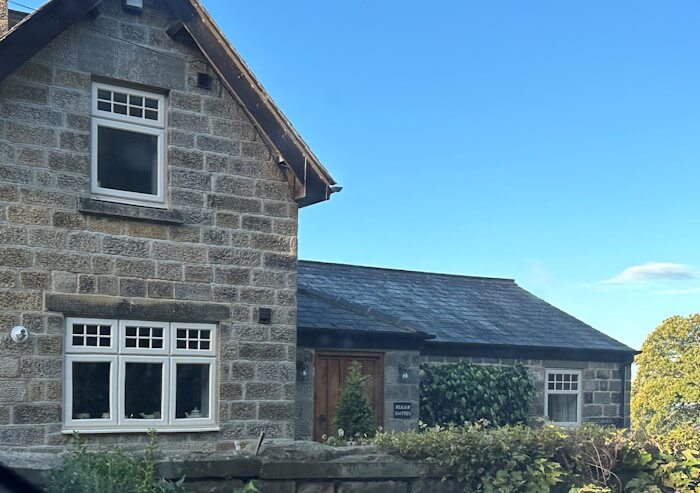
Selling your UK home from abroad is quick and easy when you sell to LDN Properties
In the many years that we’ve been in business, we’ve developed plenty of experience working with former UK residents to quickly buy their past homes for competitive cash sums. Talk to our friendly experts about selling your property by calling them at 020 7183 3022. Or you can get in touch by clicking the "Request Offer" button below and we’ll contact you.