Quick navigation
You might own and want to sell an empty property, which is a flat or house that nobody lives in and that typically does not have any furniture. This situation can sometimes make it more difficult to sell the property compared to a lived-in and furnished home. This guide explains why finding a buyer might be harder, and also offers tips on selling fast.
- What qualifies as an empty house when selling a property?
- Reasons why a property might be empty
- Potential costs associated with owning an empty home
- Why an empty house can sometimes be harder to sell
- Preparing your empty property for viewings
- Methods for selling your empty house or flat
- Frequently asked questions about selling an empty house
What qualifies as an empty house when selling a property?
Typically, an "empty house" refers to a property that is unfurnished and that does not having someone living in it on a daily basis. By contrast, a home that has furniture in each room but does not have anyone who regularly lives there would likely not be considered "empty" because the phrase generally refers to whether the rooms themselves are completely vacant.
As this guide explains in later sections, it can sometimes be trickier, and take more time, to sell an empty home compared to a furnished property. If you browse property sales websites like Zoopla and compare the asking prices of furnished and unfurnished houses of flats of similar size and location, you’ll likely see the cost of empty homes is often lower than those that are furnished, signalling that vacant properties can sometimes be harder to sell.
Whether it’s leasehold or freehold, a property might be empty for various explanations, as the next section explains. If you’re the owner of an empty home and are looking to sell fast whilst still making a profit, the guide also details the hurdles to selling and how to overcome them.
Reasons why a property might be empty
There are many reasons why a property might become empty, which means that nobody is living in the home and it most likely also does not have any furniture.
Just because a home is vacant, however, does not indicate that it is a "problem" property that might attract less interest from buyers. Below you’ll find some common reasons for why a home is empty, ranging from financial issues to a change in the owner’s personal circumstances.
It’s highly unlikely that a potential buyer will judge a vacant property based on the reason for why the home is empty, and will instead decide whether to make an offer using other factors, for example looking at if the house or flat has the minimum number of bedrooms that the person is looking for when searching for a home.
Inherited property: One way that a person can end up owning more than one property is if they inherit a home via a will when the owner of that other flat or house dies. If this is your situation, you might want to sell the inherited property instead of retaining ownership over it. Sometimes, the home will be cleared of the late owner’s furniture and other possessions as part of the inheritance process, at which point the property will be considered when you try to sell it.
Repossession: If someone has a mortgage on their property and falls behind on their monthly loan repayments, the bank or other lender might try to repossess the home. If the owner has moved out of the home before it’s put up for sale, they’ll take the furniture with them and the rooms will be empty.
Structural problems: Some homes simply aren’t safe for people to live in them, such as dilapidated houses or flats, or those with major structural problems like widespread subsidence. In these circumstances, the property might be vacant whilst the current owner tries to sell it, and the physical problem with the home could make it unwise to put furniture in any of the rooms.
Potential costs associated with owning an empty home
If you own an empty property and are trying to sell it, your goal should be finding a buyer as quickly as possible, because there are a number of costs you might incur until it sells.
Vacant homes can sometimes be the target of vandals or squatters, and if they break into your home and cause any damage to it, you’ll have to pay to fix this problem. And any such damage can also make the property look less valuable to potential buyers when they’re viewing it.
You’ll also be liable for paying council tax on the empty home, and depending on where you’re located, this can be a significant extra expense. Properties that have been vacant for more than two years can be subject to increased council tax charges, highlighting why many people who own empty flats or houses in the UK want to find a buyer as quickly as they possibly can.
The longer that your vacant home remains the unsold, the greater the likelihood that insurance companies will start to have more concerns about giving you a policy without increasing the monthly payments for it – another reason why selling swiftly can help to save you money.
And the more time that it takes to sell your empty property, the more time that something unexpected can happen to the home that will incur more costs for you. For example, there could be a severe storm in the future that causes major structural damage to the home, and as the owner you will be responsible for paying to fix this issue. The quicker that you are able to secure a buyer for the property, the sooner that you won’t have to worry about such situations.
Why an empty house can sometimes be harder to sell
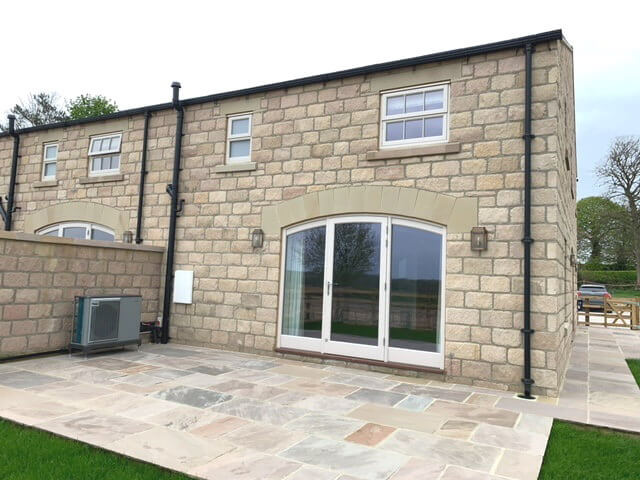
Owners of empty homes can sometimes find that they will struggle to sell the property compared to trying to find a buyer for a house or flat in which people currently live and which is furnished.
That’s because some prospective buyers will be deterred by the fact that there is no furniture in the home, and they might struggle to imagine how the property would look if they moved in. Having a furnished house or flat can make it easier for people to see how much space they’ll have in rooms after they place chairs, desks, cupboards and the like. And whilst that might not seem like a dealbreaker, for many people not being able to picture this can be enough to make them lose interesting in purchasing property that they might otherwise consider to be ideal.
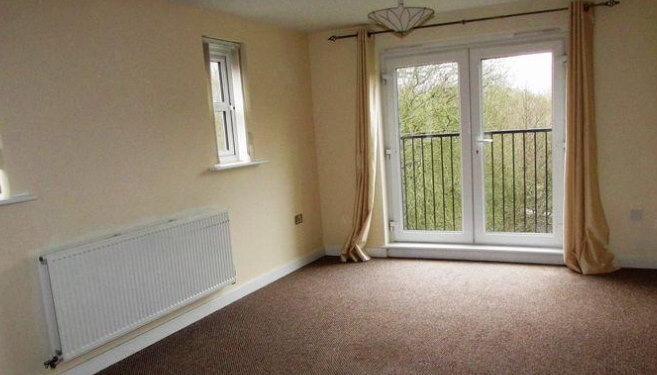
It might sound counterintuitive, but empty rooms can actually make a home look smaller rather than larger, which will work to your detriment when trying to find a buyer. It’s all to do with depth perception, because a lack of furniture means someone looking at the room doesn’t have any focus point to use when trying to get a sense of the size. This can be frustrating for a prospective buyer, and unfortunately it may be their justification for losing interest in your home.
Another reason why empty homes can be harder to sell is that the lack of furniture and other possessions will make any physical flaws with the house or flat much more obvious. For example, if the property has some isolated dry rot, damaged hardwood floors or broken glass, these problems will be much more visible compared to an occupied home where you might be able to position furniture in such a way that you can distract attention from the flaws.
Therefore, if your home is not selling or attracting any serious offers, the fact that it’s empty could be the primary reason. This is particularly true if there are no major problems with the property that can turn buyers off, such as structural flaws, poor location, and other issues.
Identifying that the fact your property is vacant is the biggest problem with finding a buyer is an important step in trying to sell it, because you can take steps to address the situation. The next section of this guide suggests some ways to address buyers’ concerns about an empty property, including whether it might make sense to spend money on furniture for the home.
Preparing your empty property for viewings
Viewings are usually an essential part of the property selling process, giving potential buyers the chance to walk around the interior and exterior of a home before deciding whether to make on offer on it. How a viewing goes can often make the difference between someone seriously wanting to continue with purchase your property, or completely losing interest in it.
First impressions are important, and you want your property to look its best for any visitors, even if the home is vacant. This means cleaning every room so that they’re all free of dust, painting over any cracks or unsightly marks on walls, addressing relatively minor problems like fixing a broken window or missing roof tile, and mowing and weeding a garden if your home has one.
As described in this guide’s previous section, some empty homes might be harder to sell because the vacant rooms will make it easier to spot any pre-existing problems – anything from dry rot to subsidence and more. If you are aware of such issues, you are legally required to disclose them to potential buyers. And these problems are very visible, so they are likely to be much more obvious to people touring your flat or house on viewings if the rooms are empty.
There’s not much you can do to address this situation, other than be completely upfront with a prospective buyer if you are choosing to sell the home "as is" without fixing the issue.
Alternatively, if you have decided to spend money and time in correcting the problem, you can let people know this when they are viewings, and they will be able to see the work in progress. But not every seller will have the resources to invest in addressing flaws with their property before trying to find a buyer, in which case you should just be upfront about the issues.
If the property has furniture in it at some point before it’s listed for sale, and you know that the plan is to remove all of the items and try selling the house or flat as an empty home, a solution can be to take photographs of the various rooms whilst they still have furniture in them. You can then use these in developing a listing for selling your home, which will feature photographs of the interior and exterior, and text descriptions of its key features, such as total square footage.
Even if the furniture is then removed before the listing is advertised, and potential buyers tour the property on viewings when the rooms are all vacant, they can use the photographs as a reference for how the house or flat might look with furniture in the event that they purchase it.
One option you might consider with an empty home is investing in some cheap furniture to decorate the various rooms, although this can be a very time-consuming and expensive option.
It’s possible that paying to install some basic furniture for each room, and staging it as if the property was occupied, could increase your odds of finding a buyer on a faster timeline. That’s because you’ll have removed the problem of people not being able to imagine how the home would look due to the empty rooms. And it’s also possible that these same buyers might see the house or flat as more valuable because of the furnished rooms, and therefore they could be more open to paying a higher price for the property compared to if the property was vacant.
Yet there are many people who will not be able to afford either the time or money to furnish their empty home, because furniture can quickly get expensive, and you’ll need several days at least to place items like beds, chairs, desks, bookshelves and more in every room of your property. This is particularly true for anyone who needs to sell their home on the fastest schedule possible, or that needs to keep costs low when selling, or that has both of those goals in mind.
Given the potential high costs and relatively minimal benefit of paying to furnish an empty home prior to selling, it’s usually more sensible to simply sell the vacant property as is. Even though it might take longer to find a buyer this way, depending on how you choose to sell, it’s financially still a wiser option than spending hundreds of pounds on furniture with no promise that it’ll help the sale.
Methods for selling your empty house or flat
One of the most important decisions that you will have to make when selling your empty house or flat is which method you want to use for finding a buyer. In most cases, there are four options from which to choose: trying your luck with a property auction, using an estate agent to sell your home, attempting to find a buyer by yourself, or selling your property to a quick buyer.
There are advantages to each of the four choices, along with some potentially significant disadvantages with some of the methods. To help you decide, read over the details of the different ways of selling below, and then consider your most important needs – such as how speedily you would like to sell your how, whether you’re willing to pay any commission, the amount of profit that you’re looking to make, and any other factors relevant your situation.
It’s advisable to write an honest budget for the sale of your empty home that details how much money and time you’re willing to invest in the process, and then comparing that budget to the four different options in order to find the choice that is the best fit for your wants and needs.
Trying your luck with a property auction
Property auctions are divided between the traditional and modern method of selling. With the traditional method, the auctioneer will advertise the listing for your empty home for a set amount of time, and then hold an auction on a specific day, taking bids for a limited time. With the modern method, anyone can place a bid throughout the day, every day of the week, once the listing is active up until a specified deadline, at which point the highest bid is the winner.
When selling via an auction, you will be asked for a reserve price, which is the lowest value at which you agree to sell your home. You might get zero bids on your property, which means it does not sell and you’ll have to start over with finding a buyer. You may get many bids, which could push the price very high and produce a great profit. Or you could get just a single bid at the reserve price, and this will be considered a legally binding agreement to sell your home.
That’s why it’s crucial you choose a reserve price that will still work for you, even after you have subtracted the auctioneer’s fees and other costs from the sale proceeds.
Selling this way can take at least several months, because there’s a wait of several weeks between when you list your home for sale and when the auction ends, and even if your home sells, the buyer usually has about 28 days to pay the proceeds, sign the legal paperwork and complete all of the other required steps to finalise the purchase of your property.
Using an estate agent to sell your home
Instead of using an auctioneer, you might want to consider using an estate agent. They will prepare the listing for your empty property, advertise it in their office, local media and online, and arrange viewings where they will show interested buyers around the home.
For doing all of this work, estate agents require that you pay them commission if they manage to successfully sell your house or flat. You’ll have to deduct this cost from your home sale proceeds to calculate your net profit.
This can be perhaps sometimes be the slowest option for selling your home, because it’s not unheard of for properties to be on the market for many months, or even more than an entire year, before anyone makes a serious buying offer. And there is always the danger that a buyer might rescind their offer, and they can do this without penalty anytime up until you exchange contracts.
Attempting to find a buyer by yourself
It’s possible to sell your vacant property without using an auctioneer or estate agent, but you will be responsible for every aspect of the sale from the initial listing through to overseeing any offers to completion. This can be an incredibly stressful experience and heavy workload even for professional estate agents, and even more so if you have never sold a property.
Not only will you have the burden of managing the selling process, but you will also be liable for all of the costs involved, such as paying to advertise the listing, and if you subtract those expenses from the property sale proceeds, it could reduce your net profit significantly.
And there is no certainty about when you might find a buyer, so you could be waiting many months before selling. That’s why it’s only advised to pursue this option if you either have knowledge of how to sell a home, or have an expert who is willing to help for free.
Perhaps the only clear benefit of selling by yourself is that you won’t have to pay a third party any fees, but you can achieve the same outcome with no stress by using a fast home buyer.
Selling your property to a quick buyer
Fast home buyers, like the London-based LDN Properties, provide a stress-free, streamlined and no-hassle way for homeowners to receive competitive and swift offers for selling their properties. These companies don’t have to wait many months to get approval for a mortgage to buy homes, as they have the resources to purchase them immediately. This means they can usually complete all of the steps of buying a property within a few short weeks.
And quick buyers don’t have any hesitation with making offers to buy homes regardless of their age, size, condition, shape or type, houses with noisy neighbours and no matter whether they are freehold or leasehold. Just because your property is empty should not discourage a fast home buyer from potentially making a fair offer to buy it – and you won’t need to do any work on the house or flat before selling. These companies are well-known for buying all varieties of homes “as is” in their current condition.
A top benefit of using a speedy property buyer is that the legitimate companies will never make you pay any fees when selling your empty home. This means that you are guaranteed to receive the complete proceeds from whatever price the fast buyer offers for your property.
If you’re thinking about selling your home to a specific quick buyer, ask the company whether it is registered with TPO for your peace of mind. Be wary of trusting a business that either claims to be a member of TPO but cannot prove its registration status, or a company which refuses to ever become a member.
Thankfully, you can check on a particular fast buyer’s registration status speedily and for free by visiting TPO’s website. Look for the “Find a Member” tab on the left side of the welcome page, and you’ll be directed to another page where you can type in the name of a specific company. If you do this and a quick buyer is truly a TPO member, you’ll instantly see their full registration details – and if the company is not actually a legitimate member of the organisation, the website will simply tell you there are no such results.
Top queries and answers about selling an empty house
Homeowners wanting to sell their house fast usually have a range of questions for us – how much repair work to do before selling through to selling a home in bad condition. Here are some of the main questions we are asked about selling an empty property:
Your top questions when selling an empty property
If nobody is living in a particular house or flat, and it has no furniture, then for the purposes of selling it will typically be considered to be an empty home. These properties might be more difficult to sell in certain circumstances, because a sale listing that has pictures of vacant rooms might sometimes generate less interest than a lived-in and furnished flat or house.
There are many situations that can lead to a home becoming empty, including a property that a person might have inherited but all of the late owner’s furniture and other belongings have already been removed, a need for major repairs at a home that has become unsafe to live in, someone moving overseas for a new job that did not have time to sell first, and more.
You don’t have to, and in many cases the cost of buying even cheap furniture to make the house look less empty will be quite high, and could offset any benefit that you might get in terms of greater interest from buyers. Instead, your best approach is probably to ensure that the interior and exterior of your empty home are in pristine condition when buyers come to view it.
Yes, although the exact costs will depend on your unique situation. You might still have a mortgage on the home, and you’ll be expected to make the monthly loan repayments even if there’s nobody living in the property. Some utility bills, like water and electricity, might also still need to be paid, and you’ll have to pay for any repairs or other work that needs to be done.
Your fastest choice is likely using a quick home buyer like LDN Properties, because they are able to consider purchasing almost any type of flat or house, and they can complete the process in just a handful of weeks. Selling through an auction will take at least a couple of months from beginning to end, and it might take more than a year to sell when using an estate agent.
Whether or not you’ll have to pay fees will depend on the method of selling that you select. If you rely on an auctioneer or estate agent to sell your empty property, they will charge you commission that will be deducted from the sale proceeds, reducing your profit. But if you sell your home to a trustworthy fast buyer, they won’t charge fees and you’ll maximise your profit.
The genuine quick home buyers, such as LDN Properties, are formally registered with The Property Ombudsman (TPO), which issues rules that all members must follow to protect owners against scams in the fast home buying industry. If a fast buyer either refuses to join TPO or claims to be a member but cannot prove this, you might be dealing with a scam company.