Quick navigation
Throughout the UK you can find many converted flats, whether that’s former single-family houses, office space, commercial properties or more that have since been divided into individual units for sale. This guide walks you through the pros and cons that buyers may associate with this category of home, and offers guidance on how attract a quick and fair offer.
- Which properties are designated as converted flats?
- Concerns when selling a converted flat
- Why someone could want to buy a converted flat
- Can a buyer get a mortgage for my converted flat?
- Deciding how to sell a converted flat
- Selling a converted flat: Top questions and answers
Which properties are designated as converted flats?
There are millions of flats of varying sizes and types in the UK, and one such category is converted flats – but what is this type of property, and how hard is it to sell one?
Converted flats are properties that were not originally built for that purpose. Instead, they are created by redeveloping an existing building that was constructed for another use.
And they are typically leasehold, which means that you own the flat for a set number of years that will be specified in the lease agreement that you sign with the freeholder – the owner of the building in which the flat is situated, and you will pay them an annual ground rent. The specific terms of your leasehold agreement may also include certain limits on the use of the property.
This type of flat is often located in large cities like London where demand for flats exceeds the supply. For the owners of large houses, converting the single home into several flats for sale can sometimes be a great financial decision because they can profit from the sale of each unit, as the website London Home Trends explains.
Converted flats can also refer to properties that were once used for office or commercial purposes that have since been renovated into individual residential units, for example a business centre where the large amount of space available can make it possible to create several flats for sale.
If you are looking to sell your converted flat, this guide walks you through the various difficulties that you might experience with trying to find a buyer. But it also provides some important guidance on ways that you can increase your chances of getting a fair and fast offer.
Buyers’ potential concerns with owning a converted flat
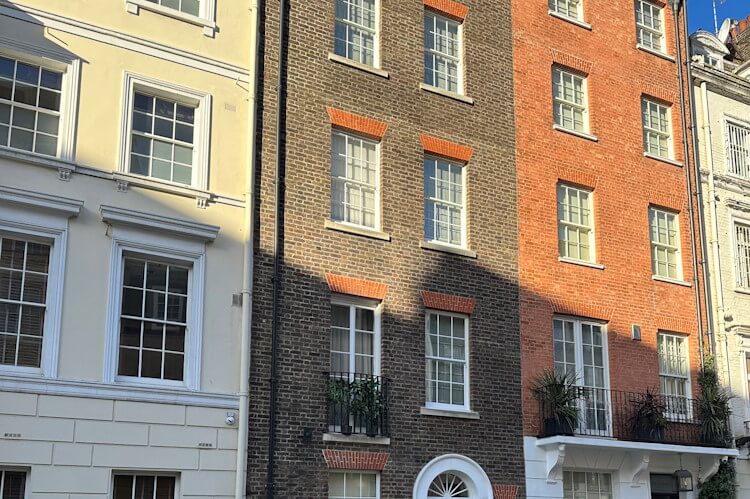
As you prepare to sell your converted flat, it is important that you learn about the potential downsides that some buyers might associate with this type of property.
There are a number of concerns that someone could have that they see as a dealbreaker or that causes them to significantly reduce the price they offer for the flat, and the HomeOwners Alliance notes that these issues can range from the size of the unit to the living conditions.
Lease limitations: Depending on the type of property where your flat is located, your leasehold agreement might have significant restrictions on the use of the home. This can discourage some buyers who may not want to have to comply with the various limitations in the agreement.
Reduced space: Converted flats were not originally part of the design of the building where they were developed, and for this reason they can sometimes end up smaller in size compared to purpose-built new build flats, and this can be seen as a negative by many buyers.
Extra noise: If your converted flat is former commercial or office space but there are still some parts of the building that are used by businesses, this could create a noisy atmosphere and that might discourage those buyers who are looking for a quiet and peaceful flat to own.
Why someone could want to buy a converted flat
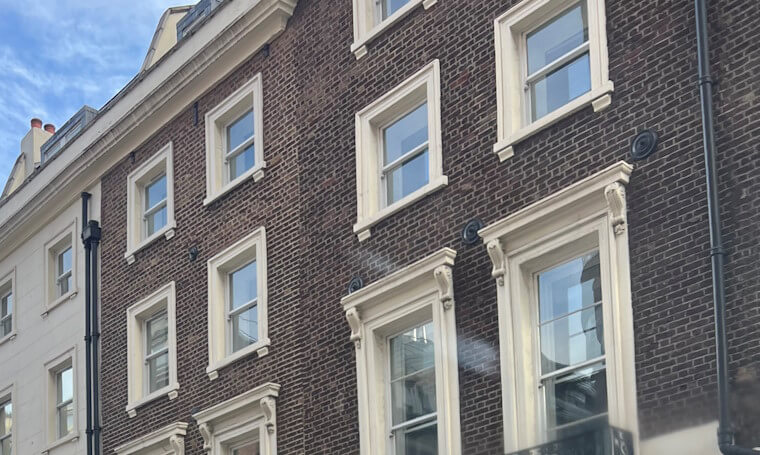
Whilst you may find that certain buyers view converted flats negatively because of some or all of the reasons outlined in the prior section of this guide, other buyers that will look favourably on your property.
Focusing on the pros of your flat can be a great way to offset any concerns that prospective buyers might have about your home. And some of these attributes can also be valuable enough to certain buyers that they could make an offer regardless of any problems with the flat.
More affordable: Because converted flats are sometimes smaller than other flats, this means that the asking price may be lower. This can be enticing to aspiring homeowners who have a strict budget, because a converted flat might be a more affordable option for them.
Unique architecture: This factor will vary from property to property, but you might have many buyers interested in your flat if the building in which it’s located has an interesting past – for example if that flats are in a former country manor that has appealing architecture.
Shared space: There are some buyers who will place a priority on finding a flat in a building that has several similar units, because they want to enjoy living among neighbours that share common areas like a yard, and this can make them more interested in your property.
Can a buyer get a mortgage for my converted flat?
One possible complication that might occur with the sale of your converted flat is that a prospective buyer could struggle to get a mortgage to cover the cost of purchasing the property.
Although it is relatively straightforward for people to apply for mortgages to buy conventional leasehold flats, there can be some hurdles involved if your flat has any elements that could make it harder for a buyer to obtain such a loan. Such issues can include physical issues with the property like dry rot or damp, regulatory and legal problems, for example if it doesn’t have a structural warranty, and a number of other issues that mortgage lenders may see as warning signs.
If the buyer gets approved for a mortgage and purchases your flat, they will then have to repay the lender through monthly instalments plus interest. Should the buyer eventually fall behind on the repayments, they run the risk of defaulting on the mortgage. At that time, the lender could try to repossess the property so that they can resell it and recoup the outstanding loan debt from the sale proceeds, as the website Eightify notes.
But if the home loan provider has concerns about the value of the property because of structural flaws or any other reason, they might worry that it will be hard to resell the flat at a profit in such a scenario – and that could be all the justification they need to deny the mortgage. And if a buyer needs the mortgage to purchase your home, the sale will not happen.
Although this will preclude some people from being able to make an offer on your flat, don’t worry about never being able to sell your property as other options exist.
One such solution is contacting a quick home buyer like LDN Properties, as these companies make competitive and fast offers to purchase a wide range of homes, including those with problems that make getting a mortgage difficult or impossible. Plus, they can complete the process of buying your flat within weeks and you won’t have to pay any commission.
Deciding how to sell a converted flat
When you are ready to sell your converted flat, you’ll need to choose how to find a buyer. The four usual approaches are selling to a quick home buyer, selling with an estate agent, selling at a property auction or selling without any help – and they all have their own pros and cons.
Selling to a quick buyer, for example, can be a very speedy way to sell your property because the entire timeline should only be a few short weeks, and this covers the time taken to exchange contracts and pay the full sale proceeds. Whereas selling via an estate agent or on your own might take more than an entire year before you’re able to get a serious offer from a buyer.
To help guide your decision on how to sell, consider noting down your main priorities, such as your preferred asking price, whether you are open to paying commission and how long you can wait to sell. Then contrast these facts against the specific details of the four selling methods below and this should help you with identifying the approach that best suits your needs.
Selling to a quick home buyer
A quick home buyer is a company like LDN Properties that can immediately buy many types of house or flat because they have the funds available to do so. They don’t need to wait for many weeks or months to get approved for a mortgage that would pay for the purchase.
This cuts the typical timeline for selling this way to a few weeks, which includes paying you the full proceeds and exchanging contracts, making it often the fastest way to sell your home.
And this schedule is the same even for those homes seen as “problem” properties because of some physical flaw or other issue. That’s because quick buyers are well known for making fair and speedy offers to buy homes no matter their age, condition, location, shape, size or type.
Launched in 2003, LDN Properties has a long and growing list of the types of homes it has purchased and made offers for across the UK. This includes not only converted flats but also properties with a single skin wall, farms, guest houses, holiday lets, retail properties, flats that have a leak, maisonettes, homes without a gas safety certificate, properties that have squatters, flats with a poor Energy Performance Certificate rating, properties with elevated levels of radon, houses with an infestation, park homes, vandalised properties, inherited houses, flats with high levels of asbestos and more.
You will also avoid having to pay any commission if you decide to sell your home to a zero-fee quick buyer, which will benefit you by keeping your overall selling costs low – particularly compared to selling through an auctioneer or an estate agent, which are two approaches that will deduct commission from the final sale proceeds, increasing your net expenses.
Selling with an estate agent
A traditional way to sell your converted flat is enlisting the help of an estate agent. They will put together a listing that features photographs of the property and describes its main features, and then advertise this in their office, in local newspapers and online. They’ll also schedule viewings to give people tours of the flat and they will handle any serious offers buyers might make.
For this work, the typical estate agent will charge you commission on the final sale proceeds, often in the range of 1.15 percent to 1.40 percent of the property sale price – but it can be higher or lower depending on the company. This fee is subtracted from the proceeds immediately, so you will need to account for this additional expense with selling this way.
You may also be waiting a long time to find a buyer because it can take many months or even more than an entire year to sell when using the services of an estate agent. If your priority with selling is trying to do so as quickly as possible then you may want to look at other methods.
Also, someone can make a genuine offer to buy your home but then change their mind and withdraw it, causing the sale to collapse. They can do this without the risk of any penalties so long as you have not yet exchanged contracts. And it will add a lot more time to the selling process because you will need to start over with trying to find a buyer for your flat.
For these reasons, selling your converted flat via an estate agent might not necessarily be the ideal choice for those owners who need to sell their home quickly and with minimal expenses.
Selling at a property auction
You could also gamble the sale of your converted flat a property auction, where people will have the chance to place bids on the home. Your goal is to have many buyers interested so that the flat receives many bids of ever-increasing value, resulting in a decent profit from the sale.
But there’s no guarantee that your home will sell at the auction, as it may receive no bids and therefore remain unsold, as the website Property Road notes. If that occurs then you will need to begin again with seeking a buyer, delaying a sale even further.
Or you could get a single bid at the lowest price you are prepared to sell your home, which is known as the reserve price. This would be a legally binding agreement to sell the flat and the bidder can sue you to enforce it, should you try to abandon the sale after the auction. For that reason, you should calculate a reserve price that is estimated to generate some profit from the sale of your property, even after you have deducted the cost of the auctioneer’s fees.
An auctioneer will charge commission to cover the cost of their work with selling your flat, which includes making and advertising a listing, hosting the auction and overseeing a sale.
Those fees are usually charged at 2.5 percent of the property’s auction sale price, but some auctioneers might have an even higher rate. It’s possible that other companies could be open to charging you less than 2.5 percent, or agreeing that the buyer should pay some of your selling expenses, so it can be a good idea to ask individual auctioneers whether they can do this.
If you are looking for a fast sale then you may want to review other options because it can take a long time to sell through an auction. You will have a wait of many weeks or longer between when you decide to sell this way and when the auction happens. And then if the property sells, the top bidder has about a month on average to sign their required legal papers and complete the various other tasks necessary to finalise the purchase of your property.
You might be able to negotiate a shorter deadline than a month with certain auctioneers, so it’s worth asking, but other companies could give the buyer even more than a month.
Some auctioneers might also offer you either a traditional or modern auction for selling your converted flat. The traditional method involves advertising your listing for a specific number of weeks or months to generate interest from buyers, and then the auction is held on a set day and time for people to place bids on it. With the modern method, your listing will be marketed for many weeks or months and people can place bids on it 24 hours a day, seven days a week, and the top bid when the listing expires is deemed the winner of the auction and buyer of your flat.
Selling without any help
Another way that you can try to sell your converted flat is doing so on your own, meaning that you’ll do it without any third-party help from an estate agent or auctioneer.
This is a major undertaking that will require a lot of time and effort on your part, and therefore it can be very stressful. That’s because you’ll be responsible for every step of the process from the initial development and advertising of a listing for your property through to scheduling viewings, hearing offers from buyers and handling one through to exchanging contracts.
Given the work involved, it’s recommended that you only consider this method of selling if you have prior experience with selling a converted flat, or if you have a suitably qualified friend or family member that is willing to assist you with the selling process for free. Otherwise, you might be looking at more than a full year before you are able to find a buyer for your property.
And even if you receive a serious offer from a buyer, there’s always the potential for them to change their mind and rescind the offer, which they can do without facing any penalties if contracts have not yet been exchanged. This outcome would add much more time to your selling schedule because you would have to start again with trying to find a buyer.
The only clear advantage of selling on your own is that you will not have to pay any commission to an auctioneer or estate agent, which helps with lowering your costs. But this saving might be cancelled out by the funds you’ll have to spend on advertising your listing and other steps.
As an alternative, you may want to think about selling your converted flat to a zero-commission quick home buyer like LDN Properties. Not only will you avoid having to pay any fees, but you’ll get the extra benefit of being able to sell your property much faster, because quick buyers can usually finalise the purchase of any home within a handful of weeks.
Selling a converted flat: Top questions and answers
LDN Properties has been buying and making offers for converted flats across the UK since we launched in 2003, and here you’ll see our answers to frequent questions we get about selling this type of home.
Your top questions when selling a converted flat
Converted flats are individual residential units that were not originally built for that purpose and have been redeveloped into homes. You can find converted flats throughout the UK in urban areas, suburbs, the countryside and more, and they can include large houses that have been divided up into flats, as well as former office and commercial spaces that are redeveloped.
There are a few reasons why a buyer could be concerned about owning a converted flat, and these can vary depending on the specific property. Some common worries include that this type of flat may be much smaller in size compared to other flats, there might be noise from a business that shares the building, the lease could have restrictive conditions and more.
In contrast to the various concerns that prospective buyers might have about making an offer to purchase a converted flat, there are a handful of reasons that can make someone more interested in your property. These homes are sometimes more affordable for buyers, the shared space can be appealing to others and the architecture of the building may be attractive to them.
If your converted flat does not have any physical issues or other problems then it should be relatively straightforward for a potential buyer to obtain a mortgage in order to afford the purchase of your property. But if your flat has any significant negative aspects then you may find that many private buyers are unable to obtain a mortgage, making it harder to sell the home.
When you’re ready to sell your converted flat, you will generally be able to select from four potential methods to find a buyer – selling to a quick home buyer like LDN Properties, selling with an estate agent, trying your luck with a property auction or selling on your own, and you will discover that each of the selections have their own particular strengths and weaknesses.
You will need to pay commission if you decide to sell your converted flat using the services of an auctioneer or an estate agent, and this fee is deducted right away from the final sale proceeds, which adds to your expenses. But if you sell without any such third-party help or you sell to a zero-commission quick buyer like LDN Properties then you won’t pay any fees.
Your swiftest option for selling the flat will usually be getting in touch with LDN Properties or another quick buyer because the timeline should only be a handful of weeks, and this includes the time taken to exchange contracts and pay the full proceeds. Selling through an estate agent, at a property auction or without any assistance can all take at least several months.