Quick navigation
A derelict house is one that has significant structural damage and is considered abandoned, and it can be much more difficult to attract buyers to this variety of home. This guide explains the reasons why buyers could be wary about making an offer on a derelict property but it also provides some tips on how you may still be able to get a competitive and speedy offer.
- What does it mean to have a derelict house?
- Challenges with attempting to sell a derelict property
- Reasons why a buyer may want a derelict home
- Deciding on whether to repair a derelict house before selling
- Four options to find a buyer for your derelict property
- Selling a derelict house: frequently asked questions
What does it mean to have a derelict house?
There are estimated to be more than 200,000 derelict properties throughout the UK, according to the website Derelict Property. These can vary from small bungalows to large estate houses and many other different types.
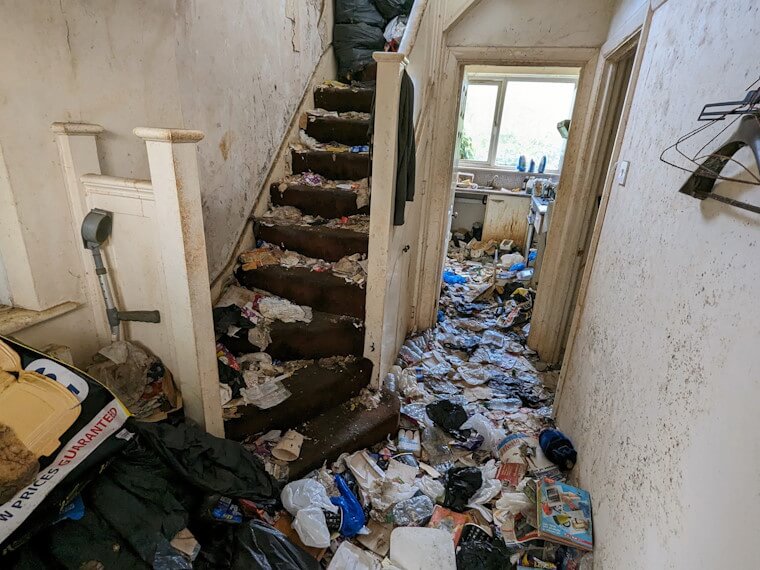
What derelict homes all share in common are a few factors, including that they have been neglected or otherwise poorly maintained and are suffering from structural flaws and other problems as a result, and they might also have been abandoned by the prior occupant. These homes are often deserted and left to fall into further disrepair unless someone sells them.
Because of their physical damage – which can range from broken windows through to missing flooring and much worse – derelict houses are usually also considered to be uninhabitable in their current state and either you or the next owner will need to fix it to make it a liveable place.
Given the many negative aspects associated with derelict homes they are often known as "problem" properties that may have specific legal considerations when selling compared to conventional houses or flats.
If you are the current owner of a property that is deemed to be derelict, don’t worry that it will be impossible to ever sell the home. This guide will walk you through the pros and cons that prospective buyers might associate with a derelict house, and it also offers advice on the various options for selling, including how to make getting a fair and fast offer more likely.
Challenges with attempting to sell a derelict property
As you attempt to find a buyer for your derelict property, you might find that it is more complicated to get people interested. There are several reasons that explain this situation, and understanding them is an important part of the process of trying to sell your house.
Mortgage problems: Many home loan providers are unlikely to approve a mortgage for someone to purchase a derelict property because they will have doubts about the ability to resell the home in the future should the buyer end up defaulting on the loan, and the provider repossess it and sells it to try and recoup the outstanding debt. If a private buyer is unable to get the loan they need to purchase your property then the sell will not be able to happen.
Structural fears: Depending on the exact reasons for why your house is considered derelict, the damage might be a dealbreaker for certain buyers. For example, if there is major subsidence at the property, this could create concerns for people who might otherwise be interested in making an offer on your home. They might fear that even if the problem is fixed in the future it could nevertheless return, creating fresh damage and safety worries.
Cost concerns: Many buyers will have a specific budget in mind when looking for a house to buy, as Property Help says. And even if they can afford to purchase your derelict home and are initially willing to put in what could be many months of effort, the cost of the repairs that they would have do as the next owner could exceed what they can afford, and so they would no longer make an offer.
Reasons why a buyer may want a derelict home
Whilst the reasons for a buyer to be wary about owning a derelict property can be significant, there are also a handful of explanations for why you may still be able to get a fair offer quickly. Knowing these situations is just as important as having a grasp on the hurdles to selling.
Quick buyer: You will find that honest quick home buying companies such as LDN Properties are open to making competitive and rapid offers to purchase practically any freehold or leasehold house, flat or other type of residential property throughout the UK, no matter its age, condition, location, shape, size or type – and this includes derelict homes, so if you can locate a quick buyer in your area then you may find that they are interested in buying your house.
Reduced price: Because derelict homes are considered problem properties and not habitable, this naturally means they are less enticing to prospective buyers and you will have to lower your goal selling price. This reduced price can be appealing to some people who might view purchasing a derelict house as a way to finally own some property, with the intention of spending the near future on fixing the home so that they can eventually live in it.
Development potential: You could find that some builders may be interested in buying your derelict property because they either plan on repairing the home and hopefully selling it at a profit in the coming years, or they believe that the land on which the property is located is valuable and they want to demolish your house and then build a brand new house at the same site.
Deciding on whether to repair a derelict house before selling
There are some derelict houses that might be so far gone in terms of structural damage that anyone who buys it will most likely want to demolish it and build a new property on the same land, but there are other derelict properties that could be saved with extensive work.
If you are finding that you’re having difficulty in getting people interested in making an offer on your property because it is derelict, one potential solution could be to rebuild the home, as the website Derelict Property For Sale notes. This can be a very complicated, time-consuming and expensive process, plus you will almost certainly need to obtain planning permission for the work, which would add even more time and cost to the process.
On the plus side, renovating the house would bring it up to modern building standards and ideally remove all of the structural integrity concerns and other worries that potential buyers could have had with your derelict property. As a result, you could receive much higher offers than you would on the home in its current condition, hopefully boosting your sale proceeds.
But the vast majority of homeowners likely will not have the time, money or energy available in order to commit to what could be months-long and very expensive work to make a derelict property liveable before attempting to sell it. Should this apply to your situation, the good news is that you can still get a fast and fair offer by getting in with a quick home buyer.
Quick home buying companies, like LDN Properties, make speedy and competitive offers to purchase almost any type of house or flat – including derelict homes. And they provide a number of benefits compared to other ways to sell, including that you will not have to pay any commission with the sale and the process should only take a handful of weeks in total. The next section of the guide elaborates on this option as well as three other ways to find a buyer.
Four options to find a buyer for your derelict property
When you are finally ready to sell your derelict house, you will need to make the important decision of which method you would like to use in order to find a buyer for the property.
The four usual approaches for selling a derelict property are doing so with an estate agent, selling to a quick buyer, trying your luck with a property auction, or selling without any help from a third party like an auctioneer or an estate agent. You will see from the information below about the four methods that they have their own pros and cons based on time taken, costs and more.
One tip that can help you decide which method to use is to write down your top aims with selling, including whether you can accept paying any commission, how long you are prepared to wait to sell and your ideal selling price. Then compare these factors against the specific details of the four options below and this should guide you toward the best match for your situation.
Selling with an estate agent
There is not much effort that you will have to exert when you sell your derelict house with an estate agent, as they will take care of most of the tasks involved with trying to get buyers interested in the property.
This starts with developing a listing that will describe your home and include photographs of the interior and exterior, which they will next advertise in their office, in local newspapers and online in order to get people interested. Next, they will organise viewings for potential buyers to tour your property, and they will also hear offers, hopefully getting on to exchange of contracts.
Although this takes the burden off you to do much work with the sale of your house, an estate agent will charge commission for their effort if they succeed in selling the property. Usually this is within a range of 1.15 percent to 1.40 percent of your home’s eventual sale price although the exact fee amount can be higher or lower depending on the particular estate agent. This will increase your selling expenses because it will be deducted right away from the sale proceeds.
Note also that some estate agents might have minimal experience with selling a derelict home, so they could struggle to know how to get people interested in your property. Always check with companies beforehand if they have succeeded in selling a house like yours in the past, and try to avoid using the services of any company that does not have this track record.
Remember also that someone can make an offer to buy your derelict property but then change their mind and cancel the offer, and they are able to do this without the risk of facing any penalties so long as you have not yet exchanged contracts. Unfortunately, this would delay a sale of your home further because you would need to begin again with seeking a buyer.
Selling to a quick home buyer
A streamlined, straightforward and no-hassle way to sell a derelict home is by contacting a quick buyer like LDN Properties. These companies have the funds available to purchase homes immediately, which cuts the schedule down to just a handful of weeks, and that covers the time taken for the final important steps of exchanging contracts and paying you the proceeds.
Also, legitimate quick buyers commit to never charging owners any commission when purchasing their properties, so you will be assured of not having to pay any fees – unlike selling with an estate agent or auctioneer, which are two methods that will charge commission. That makes a quick buyer a great choice for those sellers who want to keep their costs low.
Quick buyers are also ideal for selling a derelict home, as described earlier in this guide because they are experienced and renowned for making fast and fair offers to purchase almost any leasehold or freehold property regardless of whether it’s derelict or has other problems.
For example, LDN Properties was founded in 2003 and since then it has made many varied purchases and offers throughout the UK that includes, but is not limited to homes with elevated levels of radon, flats without a bathroom or kitchen, mews houses, properties that have a single skin wall, homes that have limited or no title guarantee, flats that have high service charges, houses with extensive dry rot, properties that are in high risk flooding zones, homes with low Energy Performance Certificate grades, flats that are located near to traffic lights and more.
That makes selling to a quick buyer a great all-round choice for those homeowners who not only want to get a speedy sale of their derelict property but also to do so at minimal expense.
Selling at a property auction
Selling your home through an auction is not a very fast approach because there is a fair amount of waiting involved, including many weeks or longer from the day that you decide to sell this way until the day that the auction happens. Then if your home sells at the auction, the buyer often has about a month to sign the required documents and otherwise complete the purchase. So, if you’re looking to sell as fast as you can, you may want to review some other choices.
Some auctioneers could be willing to set a shorter deadline for the buyer to finish all of their tasks although this is not definite, and others may give buyers even more than a month.
The cost of selling at an auction can also be quite high, as Eddisons notes on its website. Typically, an auctioneer will charge fees at 2.5 percent of your home’s final sale price and this will be subtracted immediately from the sale proceeds.
You will pay this commission for the auctioneer’s work in selling your home, which includes putting together a listing, advertising and hosting the auction and then overseeing the completion of a successful sale. Some auctioneers may be open to negotiating a lower fee or having the buyer pay a share of your costs, but there is no guarantee that they will do so.
Selling this way is also very unpredictable, as you might not get any bids and this means your property does not sell and therefore you will need to start over with seeking a buyer, adding more time to the schedule. Or you could get just one bid at the reserve price, and this is a binding legal agreement to sell your home that the bidder could sue in order to enforce.
For this reason, you must choose a reserve price – the lowest price at which you agree that your derelict house can sell – that is designed to generate some profit from the sale, even after subtracting the auctioneer’s fee. If you don’t choose your reserve price carefully then you are in danger of either only breaking even on the sale of your home or even selling at a loss.
Selling without any assistance
Another way to sell your derelict property is also a stressful choice, which is doing so on your own. This means you will need to prepare a listing, advertise it, schedule viewings, give people tours of the property, hear offers from potential buyers and take one to exchange of contracts.
It’s only suggested that you pursue this method of selling a home if you have previously succeeded with a selling a derelict house. If you do not have this experience, or you do not have a suitably qualified friend or family member that may be willing to assist for free with the selling process, then it could end up taking more than an entire year before you are able to sell.
Even if you get an offer, the buyer could decide against it at the last minute and rescind it, causing the sale to collapse – and if contracts are not yet exchanged, they can do this without facing any penalties. It would cause the timeline for your sale to be extended much further because you would need to begin again with your search for another buyer.
One of the only obvious draws of selling on your own is that you will avoid the requirement of paying commission to an estate agent or auctioneer for their work in finding a buyer for your property, and this helps with reducing your total expenses. But you could discover that the saving you make here is cancelled out by the costs you’ll face with advertising your listing and the various other tasks with selling a home that you will have sole responsibility for handling.
If you are placing a priority on not paying any commission with the sale of your derelict house, you might want to instead think about selling to a no-fee quick home buyer such as LDN Properties. Not only would you enjoy the same benefit of not paying any fees as you would with selling without any help, but you will also get a much speedier sale because quick buyers can generally complete the purchase of any property within just a few short weeks.
Therefore, a quick buyer can be a much less stressful and far speedier way to sell your derelict property through a zero-hassle process compared to trying to find a buyer on your own.
Selling a derelict house: frequently asked questions
LDN Properties has bought many derelict homes since launching in 2003 and below we are providing our typical answers to some of the common queries we get about these houses:
Your top questions when selling a derelict property
Generally, a house, flat or other type of property will be seen as derelict if it is considered to be abandoned and has such widespread physical damage and other problems that it is not deemed habitable for people. If you are the owner of a home that fits within this definition of being derelict then you may face some additional hurdles with trying to find a buyer for it.
There are a number of extra hurdles you could experience with attempting to sell a derelict home, including the fact that mortgage providers will be very unlikely to approve a loan for buying this type of property, which would prevent a buyer from proceeding. Another problem with selling this way is that the damage to the home may be too much for some people.
Certain buyers might be looking to demolish the derelict home entirely and then build a brand new house on the same land and therefore they will not be discouraged by whatever problems the property currently has, whereas others might see a derelict property as an opportunity to purchase a home at a discounted value and then fix it up, with a view to selling at a profit later.
Investing in major fixes to your derelict property before attempting to sell it could help to make the house liveable and far more appealing to potential buyers, which may make a sale easier. But there are many homeowners who simply will not have the financial resources, the energy or the time available for pursuing such work, so they will have to sell the home in its current state.
You have four typical options available when trying to sell your derelict house, including selling without the help of a third party, selling through a property auction, selling with an estate agent or selling to a quick home buying company like LDN Properties. All four of these methods have their own advantages and disadvantages in terms of cost, time and other crucial factors.
If you choose to sell your home through an estate agent then they will usually charge a fee between 1.15 percent and 1.40 percent of the property’s final sale price, whereas this increases to 2.5 percent of the sale price when using an auctioneer. But if you sell on your own or you sell to a no-commission quick home buyer such as LDN Properties you can avoid any fees.
The timeline will depend on the method that you use to find a buyer, with selling to a quick buyer like LDN Properties being usually the fastest choice because it should only take a few weeks from start to finish. Selling through an auction can take at least several months and you could find that selling via an estate agent or without any help may take over a full year.