Quick navigation
If you own a leasehold or freehold house that has a thatched roof then you may find that buyers see both potential advantages and disadvantages with owning that type of property. This guide offers tips on the best steps to take in order to boost your prospects of getting a fast and fair offer from a buyer, as well as advice on how to overcome potential hurdles to selling.
- What is a thatched roof on a house?
- Reasons in favour of having a thatched roof when selling
- Drawbacks of owning a thatched roof home
- Getting ready to sell your thatched roof property
- Tax liability when selling a home with a thatched roof
- Options to find a buyer for your property
- Top questions about selling a house with a thatched roof
What is a thatched roof on a house?
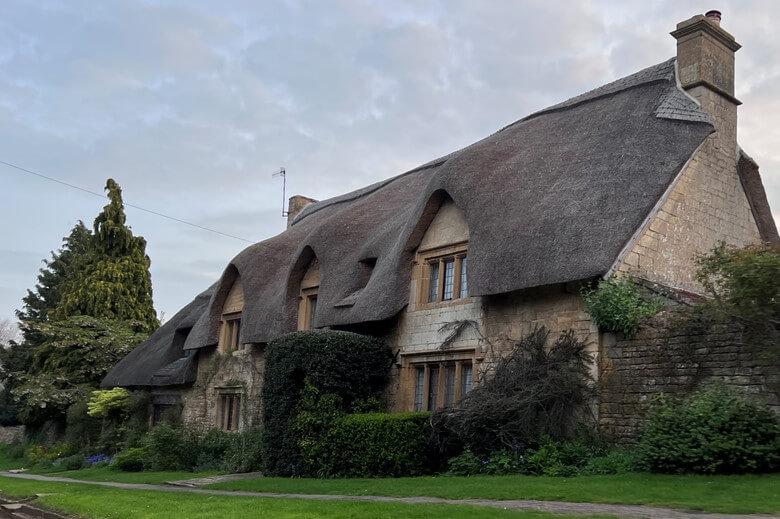
Thatched roofs date back to at least the 1500s, and they are made by gathering straw, wheat or other plants with long stems and carefully bundling them together to create a durable roof for a property, which is almost always a detached house with one or more floors.
Although the practice of thatching a roof originated centuries ago as a cheap way to build a roof over a small dwelling, in modern times the process of creating a thatched roof is more complex and often quite expensive as well as time-consuming, as British Heritage Travel notes.
This type of home is often considered an idyllic property, as many thatched roof houses are cottages located in rural areas, and as this guide explains in later sections there are pros and cons associated with this type of roof that might affect your ability to sell it quickly.
Thatched roof homes can be either leasehold or freehold properties. A house is freehold if you own the property and the land on which it was built without any restrictions, but it is leasehold if you only own the home for a number of years and you pay the freeholder a yearly ground rent.
You might have one or several reasons for selling your thatched roof home, such as wanting to relocate for your retirement, needing to generate extra money to resolve a current financial problem, a desire to downsize to a smaller property, planning to move overseas, and other situations.
Whatever the justification for wanting to sell your home with a thatched roof, this guide also offers tips on steps you can take to make receiving a competitive and quick offer more likely.
Reasons in favour of having a thatched roof when selling
There are several elements of a thatched roof that can make them very appealing to buyers, and which might attract more interest compared to a home with a conventional roof.
Having a full grasp of the pros of a thatched roof is vital when you’re trying to sell your property, because it gives you the chance to focus on promoting the welcome aspects of the roof. This might help to convince some buyers to take the step of making an offer on your house.
One of the main benefits of a thatched roof is that it could give your home an excellent level of insulation, keeping the property relatively cool during the warmer summer months but also retaining heat and reducing the need for extra electricity to keep it warm during the colder winter months, which in turn can assist with lowering how much you pay on your monthly utility bills.
For many potential buyers, the image of a thatched roof is also a major attraction, because it provides a very unique look that evokes the countryside and the UK’s history. This alone can be the leading reason why some individual buyers might be interested in your house, because they could have always wanted to own a thatched roof home based solely on its appearance.
This type of roof is also very good for the environment, because the natural materials that are used to make the thatching can be regrown. Some buyers will prioritise environmentally friendly properties, which could make them more interested in making an offer on your home.
Thatched roofs can also have quite a long lifetime, as they typically last for 60 or more years before needing to be repaired or replaced. If your home’s thatched roof is in perfect condition then this could be another incentive for some buyers, because they are less likely to be worried that they’d soon face a large bill to restore the roof after purchasing your property.
Drawbacks of owning a thatched roof home
There can also be some disadvantages of owning a leasehold or freehold house that has a thatched roof.
Understanding these potential drawbacks is important because it may help you to talk with prospective buyers about their concerns, and you could offer insight from your experience in living in the house – for example, downplaying fears about the costs of fixing any roof damage.
In 2022, the price of thatch jumped by more than double to a high of £7 for a single bundle of water reed, according to the BBC. That makes it very expensive to buy enough thatch material to replace part or all of damaged roof, and buyers might be wary about facing such high costs in the future, in the event that they purchase your property and the thatched roof suffers damage in later years.
A related problem with thatched roofs is that the material used to make them can quickly build up with algae and moss, making the roof an unappealing colour and possibly rotting it.
Some thatched roofs are also an increased fire risk compared to properties that have roofs made from tile, and this alone could be enough of a dealbreaking concern for buyers.
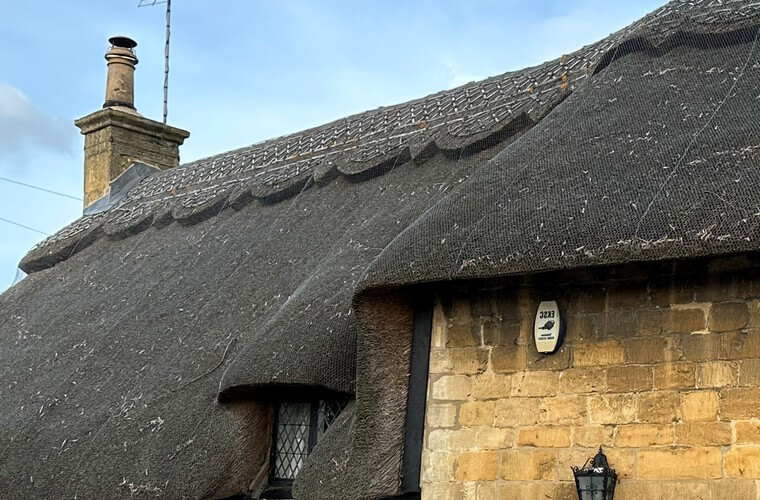
Another possible drawback that you might hear from buyers is that mice or birds are more likely to live inside a thatched roof because of the material, which increases the risk of an infestation that could potentially be expensive to remediate if it becomes too widespread.
Thatched roofs can also be more vulnerable to the elements than other types of material, with the possibility of leaking during heavy rain or the roof suffering damage during high winds.
Getting ready to sell your thatched roof property
One important part of the process for selling your home is making sure that it looks presentable to potential buyers that may visit the property in person on a viewing.
First impressions count here, so that’s why you should spend some time on cleaning up the exterior of your home. With a thatched roof house this can include weeding and mowing the garden, putting a fresh coat over any chipped paint, restoring any broken glass and more. If buyers arrive and the outside of your property looks poorly maintained, this can have the effect of making them think your home is worth much less than whatever you’re asking for it.
The same rule applies with the interior of your house, because you should spend some time on removing any clutter from rooms, making sure they are all clean, and if you have any pets then you must clean up any hair they’ve shed and keep the pets locked away during viewings.
The overall goal is the make the house look as spacious, bright and clean as possible, because this can encourage buyers to see the property as more valuable and worth a higher price.
If your thatched roof is damaged, you will also need to decide on whether you want to fix it before trying to find a buyer.
A damaged roof might make buyers view your house less favourably, and they could reduce their purchase price offer by the amount of money that they estimate it would cost them to repair the roof once they own the home. By investing resources into fixing the roof before trying to find a buyer, you eliminate this problem and could hopefully attract higher-value offers from buyers.
But as Homebuilding & Renovating explains, restoring a partially or completely damaged thatched roof could cost thousands of pounds. And many homeowners’ priorities when selling typically include keeping expenses low, whereas paying to fix a thatched roof before finding a buyer would make that goal impossible.
Should you be in a situation where you cannot afford the money, time or effort to repair your thatched roof before selling, it will still be possible to sell quickly and for a fair price.
For the best chance of doing this, get in touch with a quick home buyer like LDN Properties. These companies are known for making competitive offers to purchase almost any type of freehold or leasehold house, flat or other home no matter its age, condition, location, shape, size or type. That means you could still get a decent price for your house with a damaged thatched roof, and the sale will likely be completed within just a handful of weeks.
Tax liability when selling a home with a thatched roof
Budgeting the sale of your thatched home is important, and one factor that you need to consider is your potential requirement to pay Capital Gains Tax on the property sale proceeds.
The UK government can charge this tax on the gain, also known as the profit, that you might make from the sale of a physical assets like a home, car, artwork and more. The tax only ever applies based on the profit made and it’s not assessed on the property’s sale price.
You should consult with a financial professional because they might be able to help you identify ways that you could lower your tax owed or even avoid paying this tax altogether.
Options to find a buyer for your property
One of the final decisions that you’ll need to make when getting ready to sell your home with a thatched roof is which method you’d like to use in order to find a buyer.
Generally, you can choose between selling to a quick home buyer, selling with an estate agent, selling at an auction or selling without any help. There are pros of each approach but some of the methods also have rather large cons, such as requiring that you pay a third party a high rate of commission on the sale, or that it will take more than a year to sell the property.
Review the specific elements of the four approaches below and then compare them against your top aims with selling, such as whether you are happy to pay any commission with selling, your goal selling price and how long you can wait before getting a serious offer. This should help you to identify which of the four choices best pairs with your needs and wants.
Selling to a quick home buyer
Quick buyers are so-called because they have the funds on hand to immediately buy almost any type of freehold or leasehold property. There’s no waiting for weeks or longer to get approved for a mortgage, which significantly shortens the process. The typical sale timeline is just a few weeks, and that includes paying the owner their proceeds and the exchange of contracts.
These companies also specialise in making speedy and competitive offers on almost any type of home, and it doesn’t matter whether the property has some type of physical damage – for example, a damaged thatched roof – or any other problem, such as noisy neighbours.
Since 2003, for example, LDN Properties has made many varied purchases throughout the UK that includes not only homes with thatched roofs but also timber frame houses, properties near junctions, homes with septic tanks, flats with very short leases remaining, vandalised houses, properties that have low Energy Performance Certificate rankings, lock-up garages, plots of land, and much more.
The honest quick property buying companies also never charge homeowners any commission for selling their flats, houses and other properties, so this helps to keep costs low. Contrast that with estate agents and auctioneers, who will charge commission that is taken immediately out of the proceeds after the sale, which has the result of driving your selling expenses up.
Selling with an estate agent
Estate agents will charge you commission for doing most of the work in selling your home, often as a percentage of your property’s sale price. This will be taken out of the final sale proceeds right away, adding to your expenses.
The work that they do includes preparing a listing that features photographs of your home’s interior and exterior and a description of its main elements, advertising this listing in their office, in local media and online, organising and leading viewings, and fielding offers from buyers.
This isn’t the fastest way to sell a property, because the process can take many months or even more than a full year. And there’s always the risk that the buyer rescinds their offer, which they can do anytime without penalty until just before contracts are exchanged. If that happens then you will face the lengthy process of having to start over with trying to find a buyer.
It’s possible that many estate agents might have zero experience with selling a thatched roof property, as the Thatch Advice Centre notes. If that’s the case, they might not understand the best ways to advertise your home, which may make it harder to attract potential buyers. Always check with estate agents about whether they have successfully sold thatched roof houses in the past, and avoid selling through any companies that don’t have this kind of experience.
Selling at an auction
Just as some estate agents might not have any past success with selling a home that has a thatched roof, the same is true for certain auctioneers. You should query them on whether they’ve successfully sold your type of house before, and do not sell using an auctioneer that lacks this experience, as they may find it difficult to attract interest in your property.
Auctioneers also do the bulk of the work involved with trying to sell your home, including creating and marketing a listing for your home and hosting the auction. For all of this work, they typically charge commission based on the final sale proceeds, and this will increase your overall costs with selling because it will be taking out of those proceeds immediately.
Note that selling this way is effectively a gamble, because you have no idea of what the final sale price could be, or even if anyone will place a bid on your property. If nobody places a bid on your home before the auction ends then it is deemed unsold, and you will have to start again with trying to secure a buyer, which can possibly add many months on to the process.
You could possibly negotiate a lower commission rate with an auctioneer, or have them require the buyer to pay some of your costs, so check with individual companies if this is possible.
This can also be a fairly slow way to sell a property with a thatched roof, because there are several delays involved. You will be waiting many weeks or months between when you enter your home for sale and when the auction happens. And then if your property does sell, the buyer typically gets 28 days to sign their paperwork and complete their other required steps.
It’s worth asking auctioneers if they are open to setting a shorter deadline for the buyer to finish their mandatory actions, but beware that some companies may give even more than 28 days.
Selling without any help
Yet another way to sell your thatched roof home is doing so without any assistance, which means that you’ll be responsible for each step of the process, from the initial drafting and advertising of a listing through to organising viewings and hearing offers from buyers.
This is a major amount of work and it can be very stressful and time-consuming, and not something you can do just outside of your day job hours. You should be prepared for having to wait more than an entire year before you’re able to sell. For that reason, you should avoid using this method of selling unless you have successfully sold properties in the past, or you have a suitably skilled friend or family member who may be willing to help you for free.
Otherwise, you risk investing a lot of effort and potentially money into selling the home for the only obvious benefit of not having to pay an estate agent or auctioneer any fees.
But you can achieve this same result of not paying any commission, yet with a much faster sale, if you contact LDN Properties or another quick home buying company. They can usually complete the process of buying any home within a handful of weeks, and that includes exchanging contracts and paying proceeds, and they also never charge any fees.
Top queries and answers about selling a house with a thatched roof
Homeowners looking to sell their home fast can have some questions that need answering, ranging from the types of property we can buy through to selling an uninsurable house. Here are a selection of the questions we’re asked about selling a house with a thatched roof:
Your top questions when selling a house with a thatched roof
These are unique-looking homes that are typically detached and have a roof entirely made of wheat, straw or other naturally grown material that is bundled into a secure roof. The concept dates back as far as the 16th century but these properties remain popular today and can be found throughout the UK, although typically they are located mostly in rural areas.
There are several favourable aspects of a thatched roof home that could help you to sell it quickly, including that the roof provides great insulation throughout the year, which could help to lower your monthly utility bills. Other reasons in favour of owning a thatched roof house include that the roof material is environmentally friendly, and the roof gives the home a unique look.
Yes, and you should be aware of these before trying to find a buyer, so that you can prepare your response if anyone raises these concerns. Thatched roofs can be more susceptible to damage during high winds or heavy rains, and if they get damaged then they can be quite expensive to replace, which can be enough of a worry to drive some buyers away.
It’s not necessary to pursue any repair work before selling, and you could just contact a quick buyer like LDN Properties who can make a fair and speedy offer to buy your house even with the damaged roof. But if you have the time, money and energy to fix the roof before selling, this can help to make your home appear more valuable than one with a roof needing repair.
Potentially, but it will depend on how much profit you are able to make from the sale, because Capital Gains Tax applies to this amount, and not the sale price of the property. There could be situations where you are able to lower the amount of tax that you have to pay the UK government, or even pay no tax, so you should ask a financial expert about this.
Getting in touch with LDN Properties or another quick home buying company is your best choice because they are able to complete the purchase of your property within a few short weeks, and that includes exchanging contracts. You should expect to wait at least several months if you instead try to sell your home through an auctioneer, an estate agent or on your own.
No, if you sell your home to a quick buyer like LDN Properties or you sell without any third party assistance then you won’t have to pay any commission, which will help to reduce your overall selling expenses. But if you decide to sell your house through an auctioneer or an estate agent, they will charge fees that will be deducted from the eventual property sale proceeds.