Quick navigation
This guide is designed to help owners of mansion block flats navigate the selling process, including sections that discuss the legal issues and potential pros and cons that buyers might associate with this type of property. There are also tips on how to increase your odds of receiving a competitive and speedy offer from a buyer, as well as advice on how to avoid paying fees when selling.
- What type of property is a mansion block flat?
- Advantages of selling a mansion block flat
- Drawbacks with owning a mansion block flat
- Preparing for the sale of your mansion block flat
- Your choices for how to sell a mansion block flat
- Top questions about selling a mansion block flat
What type of property is a mansion block flat?
Found primarily in London, but also sometimes in other parts of the UK, mansion block flats are often larger than conventional flats, and that have certain typical elements.
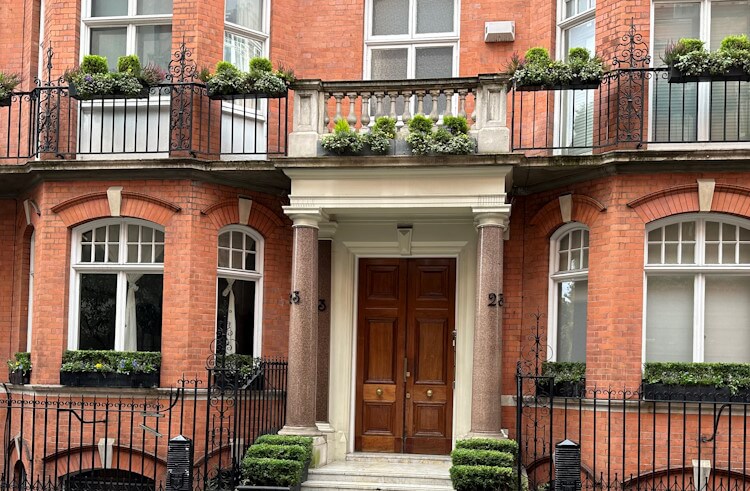
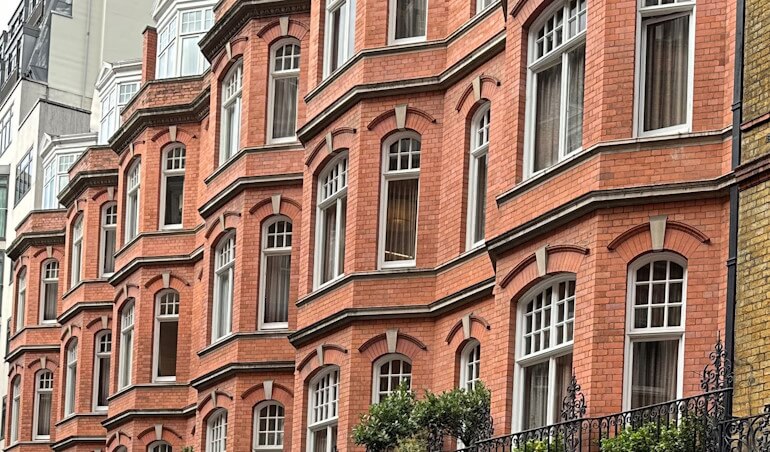
They’re usually part of blocks of flats in buildings with red brick exteriors in the centre of London, and the property often has a large courtyard or grand interior, as well as lifts. The buildings are constructed in an Edwardian or Victorian style and usually have four to eight storeys.
Developers of these properties called them “mansion” block flats in an attempt to make them sound more exclusive and valuable, so that they could list them at higher prices, as noted on the website for London Mansion Flats Ltd. The aim was to entice buyers to this type of flat instead of purchasing a house.
Many mansion block flats have several bedrooms and bathrooms, and most of these properties were built between 1880 and 1910, although some were constructed later.
They are leasehold properties where you own the flat for a specific number of years, which will be laid out in your lease agreement that you sign with the freeholder that owns the block of flats and the land on which it was built – and you’ll pay the freeholder an annual ground rent.
Because of the often very large size of these properties compared to conventional flats, combined with being located in highly desirable parts of London, they often sell for at least £1 million or more.
Whilst the vast majority of these properties are located in and around London, you might find a few mansion block flats in other cities throughout the UK. Wherever your home is located, this guide seeks to make the selling process easier by walking you through the potential hurdles with selling this type of flat and offering advice on how to attract a quick and fair offer.
Advantages of selling a mansion block flat
As with the sale of any type of property, it can be useful to know the reasons why buyers might view your mansion block flat more favourably than other homes they are considering.
Getting a grasp on the beneficial aspects of your flat can assist you in promoting these elements of the property compared to the potential drawbacks outlined in the next section of this guide.
Prime location: Mansion block flats were built to provide luxury housing at a time of reduced supply in the centre of London during and after the Industrial Revolution. For that reason, many of these buildings are still situated in very popular parts of London and other cities, and the location of your flat alone could be enough to get a buyer interested in making an offer, and possibly outweigh any negative issues that they might associate with your home.
Great investment: For people looking to purchase a million pound or more home, a mansion block flat can be a great choice.
Desirable property: Beyond having an enviable location, mansion block flats could also be seen by some buyers as being a type of status symbol. Because of their large size, often with multiple bedrooms and bathrooms, combined with being located in well-maintained buildings that have ornate designs and private courtyards or grand interiors, mansion block flats can project an image of luxury that could be a top priority for some buyers.
Drawbacks with owning a mansion block flat
Along with the benefits of owning a mansion block flat, prospective buyers could view your property as having certain disadvantages that can complicate your efforts to sell the home.
It can be useful as part of the selling process to learn about these possible downsides in order to know why you might be finding it harder to attract buyers. And none of these problems mean that you will never be able to sell your flat, because you always have options available, including selling to a quick buyer like LDN Properties – a process that should only take a few weeks.
Lease restrictions: The lease agreements that oversee the conditions of your ownership of the mansion block flat often come with some limitations on what you can do with the flat, as well as requirements about how it is meant to be maintained, in order to preserve its appearance and historic value. Buyers who are looking for as much flexibility as possible in their lease agreement for their future flat are likely to see such restrictions as a disadvantage.
High price: Many mansion block flats have asking prices starting at half a million pounds and rising, often listed for at least £1 million, as recent listings on Trovit show. This price category can immediately put your property out of reach for many potential buyers, which therefore will significantly reduce the number of people who will be able to afford making an offer to purchase your flat.
Planning limits: Beyond the various property use restrictions that might exist in your lease agreement, your flat could also have listed status. This can make it much harder to obtain planning permission to make physical changes to the flat, and in certain cases such construction work may be impossible. If that’s the case, it will likely cause buyers who want to make major modifications to your flat to no longer want to make an offer on it.
Preparing for the sale of your mansion block flat
When you are getting your mansion block flat ready for sale, there are some simple and usually no-cost or low-cost actions to take in order to make it more appealing to buyers.
You should clean each room in the flat and remove as much clutter as you can, because this will help to make the property look well-maintained and more spacious, which buyers typically view as more valuable. If you have any pets then you should remove any hair that they have left behind, and keep them locked away when buyers come to tour the property on viewings.
There’s not much you can do to improve the exterior of your block of mansion flats, but these properties are usually kept in excellent condition by the freeholder and therefore the outside appearance of your home will usually not be a concern for prospective buyers.
If your mansion block flat has any structural problems, including dry rot, high levels of asbestos, damp or other issues, you may need to consider whether to fix this before selling.
Once buyers learn about the problem, they may either lose interest in your flat entirely or reduce their offer for your property by the amount of money they think it will cost them to repair the issue as the next owner – in turn reducing your possible profit from the sale. Fixing the issue in advance of selling would eliminate the potential of this outcome from occurring.
But many mansion block flat owners will not have the time, money or effort available to pursue what could be costly and lengthy repair work before selling. If this situation applies to you, rest assured there are still ways to get a fast and fair offer for your home, including selling to a quick buyer like LDN Properties. These no-fee companies can complete the process of buying your flat within weeks, and they’ll make a fair offer even if the property has any flaws.
Your choices for how to sell a mansion block flat
One of the last choices that you will need to make when selling your mansion block flat is selecting which approach you’d like to use to find a buyer for your property.
The four usual methods to find a buyer for any type of home are selling at a property auction, selling with an estate agent, selling to a quick property buyer or selling without any assistance. There are distinct pros and cons with each method, such as the perk of avoiding fees when selling to a quick buyer or the drawback of waiting many months to sell on your own.
You can identify which method is best for your selling scenario by writing down your main priorities with finding a buyer, including your goal asking price, whether you are willing to pay any commission and how long you are prepared to wait before selling. Then you should compare these details against the specifics of the four methods below, and this will help you in identifying which of the selling methods is the closest match for your situation.
Selling at a property auction
When you sell your mansion block flat at an auction, you will need to select the lowest price at which you are willing to sell – this is known as the reserve price. If you don’t receive a bid at this value then your home will go unsold, adding much more time to your overall selling process because you will have to begin again with trying to find a buyer for the property.
If someone places just one bid at the reserve price, as soon as the auction ends this is deemed a binding legal contract to sell your property to that bidder, as Savills’ website explains. The buyer can sue you to enforce the sale if you change your mind at this point, and that’s why it’s vital to calculate a reserve price that should create a profit, even after paying the auctioneer their fees.
The usual auctioneer fee is 2.5 percent of a property’s final sale price, and this is deducted right away from the sale proceeds, which will add to your net expenses. They charge this fee for their work in selling your home, which includes creating and advertising a listing that describes your flat and features photographs of it, as well as hosting the auction. You might be able to convince an auctioneer to lower their rate of commission or to have the winning bidder pay a share of your costs, so you might want to inquire about whether this is feasible.
It’s far from a swift way to sell your home, because there’s several long waiting periods involved. The first will last for many weeks or months and spans the time between when you decide to sell using this method and when the auction happens. Then, if your property sells at the auction, the next waiting period is usually about a month, during which time the buyer completes their various requirements to finalise the purchase, such as signing various legal papers.
Just like you can negotiate a lower rate of commission or reduced costs with some auctioneers, they might also be open to setting a shorter deadline for the buyer to finish these tasks, so it’s worth asking. But note that certain auctioneers will give the buyer even more than a month, which is not a great outcome for those owners who are looking to sell as fast as possible.
Selling with an estate agent
When you sell this way, the estate agent will perform most of the duties, including the creation and marketing of a listing, organising viewings to take potential buyers on tours of your flat, hearing offers from buyers and ideally taking one through to the exchange of contracts.
Not having to do any of this work can be a great relief for those homeowners who want a stress-free sale, although there are a few downsides of this selling method to discover, and these disadvantages could quickly cancel out the benefits of the reduced workload of this method.
This can be a fairly slow process and you should not be surprised if it takes more than a full year to sell your home. Note also that someone can make an offer to buy your flat and then change their mind and cancel the offer, causing the sale to fall apart. They can do this without facing the risk of any penalties so long as contracts aren’t yet exchanged. And it’ll delay your sale further because you will need to start over with trying to find a buyer.
You will also need to pay the estate agent commission, often in the range between 1.15 percent and 1.40 percent of your flat’s sale price, for their work in selling your property. This will cause your expenses to rise because the fee is deducted from the sale proceeds immediately. If you are looking to cut your costs when selling, you may want to consider some no-fee options, including selling your home to a quick buyer or attempting to sell on your own.
Selling to a quick property buyer
LDN Properties and other quick home buyers have the funds available upfront to purchase your mansion block flat, with no waiting for many weeks or months to first get approved for a mortgage to pay for the purchase. This cuts the timeline for selling this way down to a few short weeks, and this includes exchanging contracts and paying the seller the proceeds.
Another great advantage of these companies is their ability to make fast and fair offers on almost any property no matter its age, condition, locate, shape, size or type. You’re guaranteed a competitive offer even if your flat is currently suffering from a major structural problem.
LDN Properties launched more than 15 yars ago and since that time it has purchased and made offers for mansion block flats in London and elsewhere, along with properties that have a defective lease, eco homes, bungalows, flats that have a short lease, properties without planning permission, homes on a private road, flats in buildings without a lift, houses with a broken boiler, Airey homes, underpinned properties, flats with noisy neighbours, houses situated close to mobile telephone masts, properties located under noisy airport flight paths and many other varied situations.
Another welcome aspect of selling this way is that you’ll only need to have one viewing, which takes place when a representative from the quick buyer will tour your mansion block flat to assess the property before the company makes final competitive offer for the home. This can make quick buyers a great option for sellers who want to avoid enduring many viewings.
And if you sell your flat to an honest zero-commission quick buyer like LDN Properties then you will not have to pay any fees, which helps to keep your costs as low as possible. It’s a stress-free, no-hassle and streamlined way to speedily sell your mansion block flat, and is ideal for those homeowners who are seeking both a speedy sale as well as avoiding commission.
Selling without any assistance
Or you could attempt to sell your home without any help from an estate agent or auctioneer, which means the burden will be on you to handle all the tasks – this includes making and advertising a listing, organising viewings and taking an offer through to completion.
It’s a large amount of work and is not something you can only do in your spare time, and therefore it should only be considered if you have sold a mansion block flat before or you have a suitably qualified friend or family member willing to assist for free with selling the property. If not, it could be more than an entire year before you are able to attract a serious offer.
Also, a buyer could make an offer but then cancel it, causing the sale to collapse, which they are allowed to do without penalty so long as contracts have not yet been exchanged. This will extend your selling timeline much further because you’ll have to start over with seeking a buyer.
The only clear advantage of selling via this method is that you can escape paying any commission to an auctioneer or an estate agent, which helps to lower your costs. But the money that you have to spend on marketing your listing your home may cancel out this saving.
If you are determined to avoid paying a third party any fees, you could instead think about selling your property to a quick home buyer such as LDN Properties. These companies promise to never charge homeowners any commission when purchasing their properties, but they have the added benefit of being able to complete the process of buying almost any home within a handful of weeks, and this includes exchanging contracts and paying the seller the proceeds.
Top queries and answers about selling a mansion block flat
Homeowners thinking of selling their flat fast may have some questions to ask us before making a decision, ranging from the types of flats we can buy through to selling their flat needing works. Here are some questions you can ask us about selling a mansion block flat:
Your top questions when selling a mansion block flat
Although there isn’t a single definition that covers all mansion block flats in the UK, these properties all have some general attributes in common. The vast majority are situated in central London, built between 1880 and 1910, are larger than standard flats with several bedrooms and more than one bathroom, and the buildings have red brick exteriors and grand interiors.
Mansion block flats can be seen as very appealing to some buyers for a number of reasons, including that they are often situated in popular parts of London or some other cities where flats are in limited supply. Certain buyers will also see a mansion block flat as being a highly desirable property because of their often-large size as well as their historic status.
There are a few explanations for why a potential buyer might be wary about making an offer on your mansion block flat. One justification is that these properties often have a much higher sale price than other types of flats, and this can disqualify buyers looking on a strict budget. Many of these flats can also have various restrictions in their lease agreements that will deter buyers.
If there are any structural flaws with your flat, for example dry rot, then you could consider spending time, money and effort on fixing these issues before seeking a buyer – but this is not required. Other steps you can take to make you home more appealing to buyers include cleaning and removing clutter from every room and tidying the exterior where possible.
When you are ready to seek a buyer for your mansion block flat, the usual four methods from which you can choose are enlisting the services of an estate agent, trying a property auction, selling without any help from a third party or selling to a quick home buyer like LDN Properties. All four methods have their own unique benefits but some have rather prominent disadvantages.
The fastest way to sell almost any category of home is by contacting LDN Properties or another quick property buyer, because it should only take a few weeks from start to finish. The other three typical approaches for selling a home – using an estate agent, trying your luck at an auction or selling without any assistance – can all take at least many months or more.
If you are looking to not pay commission when selling your mansion block flat, the best options are to either sell without any help from an estate agent or auctioneer, or alternatively sell to a zero-fee quick home buying company like LDN Properties. But you will need to pay fees if you opt for selling your property either with an auctioneer or via an estate agent.