Quick navigation
Having no boiler at your freehold or leasehold property, or having a broken boiler, can create additional barriers to overcome when attempting to sell the home. This guide explains why either of these scenarios can complicate the sale of a house or flat, but it also offers important tips on ways that you might be able to still get a fast and competitive offer from a buyer.
- What does it mean if your home has a broken boiler or no boiler?
- Why having no boiler or a broken boiler can make it harder to sell a home
- Disclosing no boiler or a broken boiler when selling your property
- Should you invest in a new boiler before trying to sell your house or flat?
- Four options for selling a home with no boiler or a broken boiler
- Top queries about selling a property with no boiler or broken boiler
What does it mean if your home has a broken boiler or no boiler?
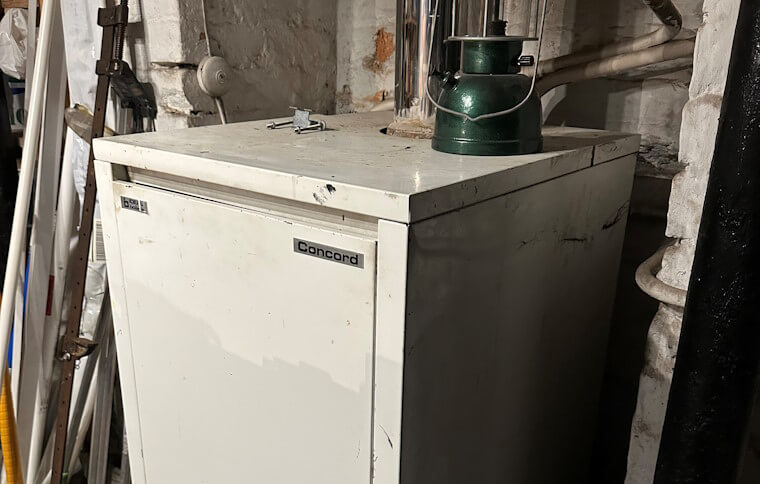
There are many freehold and leasehold houses, flats and other residential properties throughout the UK that have gas boilers to provide their heating needs. And some of these homes might have boilers that are broken, or in some cases the boiler might no longer exist.
If your house or flat has either no boiler or a broken boiler then it likely means you are unable to obtain a Gas Safety Record, which is a formal certification issued by a qualified professional stating that your gas boiler is safe to use, as explained on SSE Energy Services’ website.
There are several reasons why your home might not have a boiler, for example if the property is under construction and the boiler has not been installed by the time you are looking to sell.
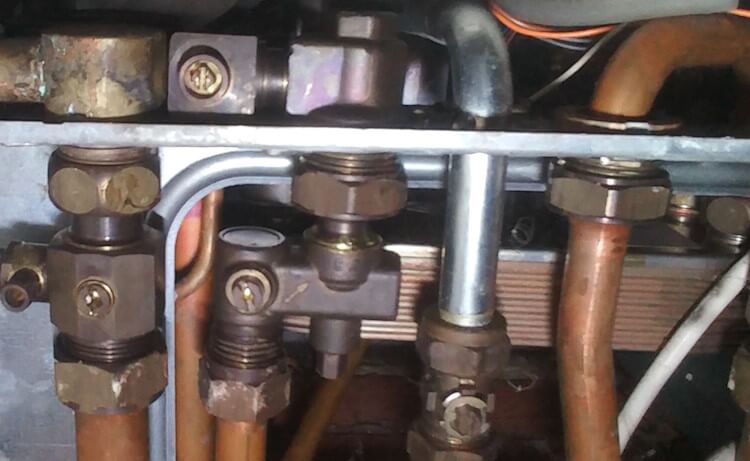
Similarly, there are a number of explanations for why a boiler at your property might be broken, including that the breakdown only recently happened or it happened a long time ago but you have lacked the time and money needed in order to repair it or install a new boiler.
Having a broken boiler or no boiler could create significant complications with your home’s heating system, and if you are having to use much more electricity to heat your home as a result then it will likely be given a low Energy Performance Certificate (EPC) ranking.
As this guide will explain in greater detail in later sections, the lack of a boiler at a property or the existence of a broken boiler can significantly complicate your attempts to sell the home.
Why having no boiler or a broken boiler can make it harder to sell a home
Regardless of your unique boiler situation, you should be aware that having either a broken boiler or no boiler can make it more difficult to get a fast and fair offer on your property.
A faulty boiler can be a major drawback for some potential buyers, as Plumbing Force explains on its website. If your boiler has broken down, this might make people who are interested in your home question the safety of the connected gas pipes, and no longer want to make an offer.
More generally, the lack of a boiler or the presence of a broken boiler raises questions about whether the property’s central heating system even works. If it does not, then this effectively makes a home inhabitable and this might also be a dealbreaker for many potential buyers.
Buyers might also be concerned about the costs they are facing in the event that they purchase your home and then have to do the work of either repairing a boiler or paying to install a new boiler once they move in to the property. This work could cost several thousands of pounds, and that future expense might be enough to make someone lose interest in buying your home.
Do not worry that a home with no boiler or a broken boiler will never sell, because a later section of this guide will walk you through options for still getting a quick and competitive offer. But it’s vital to understand the negative view that many prospective buyers may have of your property, and it’s also crucial to learn about your requirements to disclose the boiler situation to buyers.
Disclosing no boiler or a broken boiler when selling your property
Although you are not required specifically to disclose the fact that have a broken boiler, or no boiler, at your property, you must disclose this if a potential buyer asks about it. And as this section explains, there are a couple of ways that a buyer can effectively learn this information.
One document that some buyers might ask to see is a Gas Safety engineering certificate issued by a professional who has reviewed a home’s boiler and verified that it is in good working condition and is safe to use, as the HomeOwners Alliance says on its website. There is no legal mandate to have this document, but if you’ve got a broken boiler or don’t have a boiler at your home then you won’t be able to get this type of certification.
Another way that a potential buyer can find out about a broken or missing boiler is through the Property Information Form, also known as a TA6 form, where you’ll be asked many questions about your home. One of these questions includes asking about the condition of the property’s heating system and whether it is currently in good working order. If your boiler is broken, or no boiler exists, then you will need to explain this in your response to this query, so that the buyer can learn about it.
You are required to answer these questions honestly and not withhold information, otherwise you could face litigation from the new owner if they purchase your property without knowing that it had no boiler or had a broken boiler, and they then sue you for penalties.
Should you invest in a new boiler before trying to sell your house or flat?
If your house or flat lacks a boiler or has a broken boiler, one issue that you’ll have to resolve is whether you want to spend money on installing a new boiler before trying to sell the home.
Installing a new boiler at your property could cost up to £2,000 or more, as the heating and plumbing company Enflame notes on its website. This is a major upfront expense for many people, and particularly for homeowners who are trying to sell and keep their costs low.
If you have the funds available for installing a new boiler and you are willing to wait many weeks or longer for the work to be done, then it can be an option before selling your property. Having a new boiler installed will completely remove the stigma for potential buyers about a broken boiler or no boiler at your property, and will likely increase the sale price by a large amount.
But do not be concerned that you will never be able to sell your home without a boiler or with a broken boiler if you are unable to spend the funds and time necessary to install a new boiler.
There are still options available for you to sell your property as is without fixing the boiler situation. For example, you could get in touch with a quick buyer like LDN Properties that has extensive experience with purchasing homes that have a broken boiler or lack a boiler entirely. These companies will give you a fair and swift offer for your home, and they should be able to complete the entire process of purchasing your property within just a few short weeks.
The next section of this guide offers greater details on the typical selling methods that you can choose from when seeking a buyer, including the pros and cons of each approach.
Four options for selling a home with no boiler or a broken boiler
When it’s time to sell your leasehold or freehold property, you will have to choose which of four methods you would like to use in order to hopefully secure a buyer.
The choices include selling via an estate agent, selling to a quick home buyer, selling at a property auction or selling on your own. There are notable benefits to some of the methods, such as quick buyers being able to finalise the process of purchasing a home within just a few short weeks. And some of the options have sizable drawbacks, for example you’ll have to pay commission to an estate agent or auctioneer if you use them to sell your property.
To find out which of the four methods might be most suitable for your unique selling situation, first make a note of your top priorities with selling, which can include your goal selling price, how long you are willing to wait to find a buyer, and whether you can accept paying any fees. Then compare this information against the specific details of the four options outlined below, and this should make it easier to identify the choice that most closely matches your needs.
Selling via an estate agent
Estate agents do the majority of the work required for selling a home, which can help to lower your stress. They will first put together a listing that describes your property’s main features and includes photographs of the exterior and interior. Then they’ll advertise this listing in their office, in local newspapers and online, and organise viewings to take people on tours of the property. Finally, they will hear offers from buyers, ideally taking one through to completion.
In exchange for doing all of this work, estate agents will require that you pay commission, usually as a percentage of your home’s final sale price. This fee will be taken out of the sale proceeds right away, which will add to your expenses. If you want to sell without paying any commission then you will need to consider other approaches.
This can be a very slow way to sell a home, particularly one that might be considered a problem property because of the lack of a boiler or presence of a broken boiler. It could take more than a full year to find a buyer, and they could always withdraw their offer without facing any penalties up until contracts are exchanged. Should that happen, you’d have to start again with trying to find a buyer, which can add many more months to the total timeline.
Some estate agents may also not know how to sell a home that lacks a boiler or has a broken boiler, and if that’s the case then it might take even longer to find a buyer. You should ask specific estate agents whether they have managed to sell your type of property in the past, and avoid using the services of any company that has never found a buyer for homes like yours.
You should also be aware that some estate agents might tell you a very generous price at which they think your home will sell, even if they know the actual achievable sale price is much lower. The reason they try this trick is to secure the right to sell your home, so that they can make money from the commission that they will take out of the sale proceeds once they find a buyer.
To avoid falling for this common trick, you can start by looking on home sales websites and writing down the current and past sale prices of properties like yours. Next, ask a number of estate agents for free quotes on the potential sale price of your property. Then calculate the average of all these values to get a better estimate of a realistic selling price for your home.
Selling to a quick home buyer
Instead of using an estate agent, another way to sell your home is to a quick buyer, which are companies like LDN Properties that have the financial ability to purchase homes immediately.
They don’t have to wait for weeks or months to first get a mortgage to pay for buying your property, which helps to speed the typical timeline to just a few short weeks – and that includes the time that it takes to exchange contracts and pay you the full sale proceeds.
One top benefit of selling to an honest quick buyer is that they will not charge you any commission to purchase your home, which means that you can keep your costs low. That compares favourably to selling your house or flat through an auctioneer or estate agent, because those two options include fees that will increase your overall selling expenses.
Quick buyers are also well known for making fair and fast offers to buy properties regardless of their age, condition, location, shape, size or type. For example, LDN Properties launched more than 15 years ago and since then has not only purchased many homes without boilers or with broken boilers, but also properties where the owner has lost the title deeds, houses with subsidence, flats that have high service charges, homes with dry rot, properties that have septic tanks, and more.
That makes quick buyers a great choice to get a speedy sale and a fair price for your home, without having to take any steps to install a new boiler at the property.
Selling at a property auction
Auctioning your home can be a gamble because you never know if your property will get any bids, which means it does not sell, or what the final sale price might be.
This uncertainty can increase for properties that some owners might consider to be "problem" homes, such as those that have a broken boiler or no boiler. Always ask auction houses about their past success with selling this type of home, and avoid selling via an auctioneer that does not have this experience, because they might find it hard to attract bids on your property.
Auctioneers will make you pay commission if they are able to sell your property, and this is typically charged as a percentage of the home’s final sale price. This will increase your overall expenses when selling because the fee is taken out of the eventual sale proceeds.
Depending on the specific auction house, it might be worth asking if you can either lower the rate of commission that you are being charged or at least have the auctioneer pass on some of your costs to the winning high bidder, which can help with lowering your selling expenses.
It’s also not the fastest way to sell a property, because there are several delays involved, including a wait of many weeks or months from when you decide to sell the home and when the auction is held. If your property does sell at an auction, the winning high bidder then has an average of 28 days to sign all their required legal documents and complete their other steps.
You could ask individual auctioneers whether they might be willing to set a shorter deadline for the buyer to finish their actions, but beware that some auctioneers may give more than 28 days, which would delay the process of selling your home this way even further.
Selling on your own
You could also attempt selling your home without any assistance, which has the benefit of not including any commission because you won’t have to pay a third party for their help.
However, you will have to do all of the work involved with selling a property, starting with the creation and advertising of a listing for your home, organising and leading viewings to show potential buyers around the property, and hearing offers from serious buyers. This is a massive amount of work and it’s not something that you can simply do in your spare time.
That’s why selling without any help is only recommended for those with success in selling homes, or that has a qualified family member or friend who is willing to help for free. Otherwise it can become very stressful and time-consuming, and also potentially expensive depending on the money that you decide to spend on advertising the listing for your property.
This is not a very fast way to sell a home and you should be prepared for waiting more than a year before finding a buyer. Remember also that even if someone makes an offer on your property, they could rescind the offer without being subject to any penalties right up until just before contracts are exchanged. Should that happen to you, you’ll need to restart the process of trying to sell, and it could be more than a year before you get a serious offer from a buyer.
If you’d still like a zero-commission sale but don’t want the stress of selling on your own, consider instead selling to no-fee quick buyer, because you will not only get to avoid having to pay any fees but you’ll get the added bonus of completing the sale within a few short weeks.
Top queries and answers about selling a house with no boiler or a faulty boiler
If you’re a homeowners thinking of selling quickly, you may have some questions for us, ranging from the types of property you can sell through to selling an Airey house. Here are some of the top questions we’re asked about selling a property with a broken boiler:
Your top questions when selling property with a broken boiler
Many leasehold and freehold properties throughout the UK have heating systems that rely on gas boilers. There can be many reasons for why a house or flat might not have a boiler in place or has a broken boiler, including situations where the property is only half-built before the owner needs to sell it, or where the home has a boiler but it broke just before trying to sell it.
If your home lacks a boiler entirely or has a broken boiler than this is a factor that could make it harder to sell the home. Potential buyers might be concerned about the safety of the home’s gas pipes as well as over the boiler, and they could also be reluctant to buy the property because they might be worried about their future costs with installing a new boiler.
Installing a new boiler at your property to replace a missing boiler or a broken boiler is one way that you can potentially increase the number of people that might be interested in making an offer to buy your home. But many owners will not be able to spend the time or money needed on installing a new boiler, and if that’s your case there are still options for finding a buyer.
There is no specific mandate to disclose the condition of your boiler when trying to sell your property, but this is not absolute and you must tell potential buyers about the lack of a boiler or any problems with your boiler when asked about this in the conveyancing process. You should not hide any negative issues about your boiler as this can result in legal action against you.
You should consider getting in touch with a zero-fee quick home buyer such as LDN Properties, because they never charge owners any commission when purchasing their properties. You can also avoid fees by selling without any third party help, but you will be required to pay commission if you decide to sell your property either at an auction or with an estate agent.
The fastest way to sell a property that might be considered a problem home, such as one that has a broken boiler or lacks a boiler completely, is contacting a quick buyer like LDN Properties, as they can complete the process of buying your home in just a few short weeks. Selling on your own, via an estate agent or at a property auction can all take many months at least.
You can ask individual quick buyers whether they belong to a third party entity known as The Property Ombudsman (TPO). TPO publishes rules to guard homeowners against fraud in the quick buying industry, and all true members must stick to these rules. Never sell your home to a quick buyer that can’t prove they belong to TPO, because it might be a scam company.