
Quick navigation
Improvement notices are orders that local authorities can use to direct the landlord and owner of a residential property to enhance the quality of the home, such as treating widespread mould. If you are attempting to sell a tenanted house or flat that has one of these notices, this guide walks you through the potential steps involved and how to still get a quick and fair sale.
- What are improvement notices as applied to properties?
- Information that councils must include in an improvement notice
- Can a landlord ignore an improvement notice when selling a home?
- Contesting an improvement notice issued for your property
- Choices to find a buyer for your home with an improvement notice
- Selling a home with an improvement notice: questions and answers
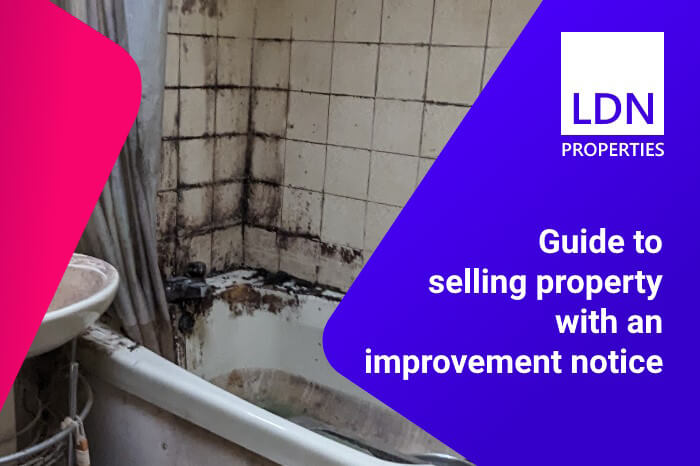
What are improvement notices as applied to properties?
If you own a flat, house or other type of buy to let property of which you’re the landlord, it’s important that you learn about improvement notices, particularly if you plan on selling the home.
In their simplest terms, improvement notices are issued by local authorities to landlords giving them instructions on how they need to improve the quality of accommodation for their tenants.
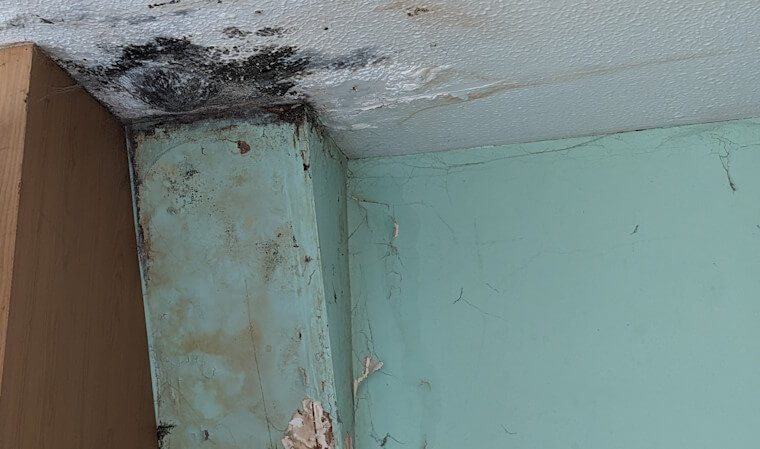
Improvement notices were created as part of a law known as the Housing Act 2004, which gave councils the power to direct landlords to pursue repairs or other work at one of their properties to resolve hazards such as the lack of smoke and fire alarms in a house of multiple occupancy, damp, rot and other problems. The notices must set a deadline for getting the work done.
Almost all improvement notices are issued to private landlords rather than homeowners of properties, as Anthony Gold Solicitors notes. But there are some growing calls to extend the use of these notices to landlords overseeing public housing.
If you are a landlord and owner of a home that has received an improvement notice, one straightforward option would be to comply with it and invest funds and time in making the repairs or other work necessary at the property in order to satisfy whatever the council is seeking.
But this may not be a viable approach for those owners who are looking to quickly sell the property, so this guide explains the various potential hurdles involved with trying to sell a home that is subject to an improvement notice. You’ll see advice on how to respond to the notice whilst looking for a buyer, and steps to take to attract a competitive and speedy offer.
Information that councils must include in an improvement notice
For those landlords who have received an improvement notice for a property the own and let, you should check to see whether the council has met its burden for the details it must provide.
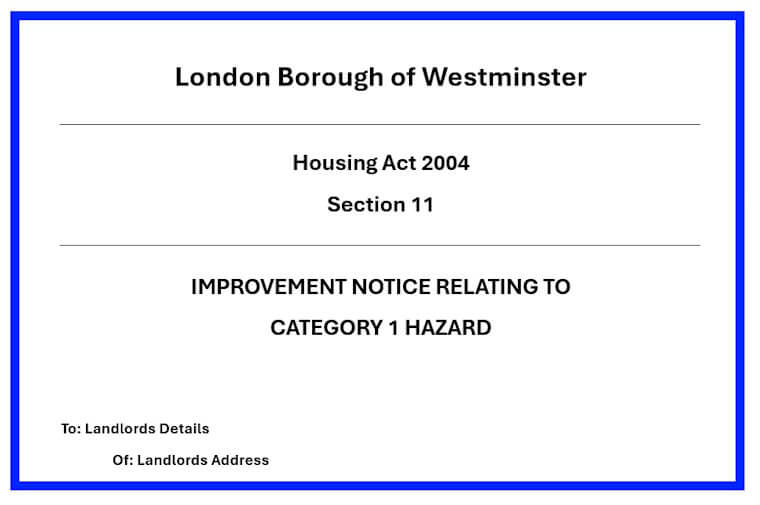
There are several key facts that the Housing Act 2004 says must be part of an improvement notice, as explained by Landlord Advice UK. Some of the important details that local authorities will need to cover in a notice include:
- The type of hazard that the council claims exists
- Specific information about that hazard
- Any flaws in the property related to the hazard
- The type of remedial work that must be done
- Dates for starting and completing the work
- Details on how to appeal the order
- The deadline for contesting the order
If any of the above information is missing it could potentially help strengthen your claims in any appeal that you might file to challenge the notice, an option explained later in this guide.
Can a landlord ignore an improvement notice when selling a home?
If you’re the landlord and owner of a flat, house or portfolio that you want to sell but it has an improvement notice, you may be wondering whether you can simply ignore the notice.
Ignoring the council’s directive would mean you can avoid spending potentially large amounts of money on pursuing the home improvements necessary to satisfy the terms of the notice.
But generally, it’s advised that you either come up with a plan for complying the notice or contesting it, or have a buyer ready to move quickly to take over ownership of your property and shift the burden of resolving the notice to them once they become the new legal owner.
There are legal and financial risks involved with choosing not to comply with an improvement notice, as detailed by The Lettings Hub. A council could eventually opt to simply do the required work on your property and then charge you for the cost of it, or in more serious cases they might pursue legal action against you, and this can quickly become a very stressful, costly and lengthy situation.
The Housing Act 2004 that established the policies on improvement notices includes specific language addressing what happens when the landlord and owner of a property is served with a notice but someone else takes over as the new owner and landlord. The law makes clear “that new person is the ‘liable person,’” according to the text of the legislation.
You could try to ignore the improvement notice and hope that you swiftly get an offer on your home and can then sell it, passing the liability for responding to the notice to the new owner.
But depending on the method you use for finding a buyer, this could take many months or even more than an entire year, during which time you will still be liable for responding to the notice.
One way to solve this problem is by choosing a selling method that should result in a speedy, uncomplicated sale, and that’s selling to a quick buyer like LDN Properties. Not only can these companies complete the purchase of most homes in a handful of weeks without charging any commission, they also won’t view an improvement notice as a potential dealbreaker.
Contesting an improvement notice issued for your property
Another choice that you will need to make if you have received an improvement notice is whether to try and contest it during the time that you’re trying to sell the property.
If you disagree with the improvement notice then you have the right to appeal it, as the British Landlord Association says. In order to do this, you must file a claim with a tribunal contesting the notice within 21 days from the date that council sent the notice to you. The terms of the notice will be suspended whilst your appeal is pending, so you will not have to pursue any improvements to the home during this time.
But appealing a notice can be unpredictable and there’s no guarantee you’ll win, which would result in the notice coming back into effect – but now you would have spent a lot of effort, time and likely money on fighting the order, only to have to eventually comply with it.
Given the potential large amount of time and costs, as well as stress, involved with contesting an improvement notice, it’s not something that some landlords will want to do when selling a tenanted property. And you are within your legal rights to seek a buyer for the home without acting on the notice.
One viable solution in this case would be getting in touch with a quick home buyer, because these businesses are well known for making fair and fast offers to purchase almost any property, including those problems such as the landlord having an improvement notice. It’s a stress-free way to secure a speedy sale without having to resolve the notice first.
Choices to find a buyer for your home with an improvement notice
A crucial decision to make when selling a property that has an improvement notice is the method you’d like to use for finding a buyer. Your four standard choices are selling to a quick buyer, selling with an estate agent, selling without any assistance or selling at an auction.
You will discover that there are pros and cons associated with all four of these methods, although some have more prominent disadvantages than others. For example, when you sell any type of home with an auctioneer or estate agent, you’ll have to pay them commission and this will be subtracted from the final sale proceeds and drive up your costs. But if you sell on your own or to a no-commission quick buyer then you can escape having to pay any fees.
A useful tip is to note down your main priorities with selling, such as how fast you would like to find a buyer, your willingness to pay any fees, and your ideal sale price. Compare these details against the specifics of the four options below to help find the closest match to your needs.
Selling to a quick buyer
Selling with an estate agent
A traditional way to sell a home is through an estate agent, who will first craft a listing that features photographs of the property and a description of its top features and then advertise this in their office, in local newspapers and online. They’ll also arrange viewings for people to tour the home and hear offers from buyers, ideally getting one to the exchange of contracts.
This can reduce your stress because you will have minimal work to put in with this selling method. But estate agents charge commission for their effort and you’ll pay between 1.15 percent to 1.40 percent of the home’s sale price in fees. This will cause your expenses to rise because the commission will be subtracted immediately from your sale proceeds.
Estate agents can also take a long time to sell a property and it’s not unusual to wait for many months or even a full year to find a buyer, so it’s not ideal if you want to sell quickly. For those homeowners who are seeking a speedier sale, you should look at other options such as selling to a quick buyer, where the total timeline will typically only be a few short weeks.
Remember also that a buyer can make a serious offer but then change their mind and cancel the offer, which will make the sale collapse. This will add much more time to the selling schedule because you will need to begin again with trying to find a buyer for the home. And the person that made the offer can’t be penalised if you have not already exchanged contracts.
Some estate agents might also not know the best way to advertise a home that has an improvement notice or how to respond to potential buyers’ concerns about the notice. Be sure to ask individual estate agents if they have ever sold such properties in the past, and don’t sell with someone lacking this experience because they may struggle to attract buyers to the home.
Selling without any assistance
The third way to sell your home with an improvement notice is doing so without any help from an estate agent or auctioneer. You’ll handle all aspects of the sale, starting with creating a listing and advertising it, then scheduling viewings and giving people tours of the property, and finally hearing offers – with the aim of getting one of these offers to the exchange of contracts.
Selling on your own can therefore be very stressful and take up much of your time, as it is not something you are able to put off until you have spare time to handle it. Unless you have experience with selling properties, or have a suitably skilled family member or friend that can help you with the sale, it may be more than a year before you receive a serious offer.
And someone can make an offer but then cancel it without penalty, if contracts have not yet been exchanged. The sale will collapse as a result and it will add much more time to the selling process because you will need to start again with searching for another buyer.
If you sell on your own, you won’t need to pay commission to an estate agent or auctioneer, so this can help reduce your expenses. But you will have to spend funds on advertising your listing and other steps, so this could quickly wipe out any savings you would have made, which would eliminate one of the only clear advantages associated with this approach to selling.
Instead of enduring the stress and costs involved with selling solo, consider contacting a no-fee quick buyer like LDN Properties. You would enjoy the same benefit of not paying any commission but you will also get a much faster sale, as quick buyers typically complete the purchase of a property within a few weeks, and that covers all steps of the process.
Selling at an auction
Auctions are not a rapid way to sell a property with an improvement notice, as you’ll find there are several long waiting periods involved. There’s a pause of many weeks or even months from when you choose this selling method and when the auction happens. And if your home sells at the auction, it could be at least a month before the buyer signs all the necessary documents and completes the various other tasks needed to formally complete the sale.
It’s possible that some auctioneers to set a tighter deadline for the buyer to finish these actions but other auctioneers might give them even more than a month for these tasks.
If you don’t get any bids on your home then it doesn’t sell and you’ll need to start anew with trying to find a buyer. Or you may get just a single bid at the reserve price – the lowest value at which you agree your property can sell – and this is a binding legal sale, so be sure to choose a reserve price that should generate a profit even after you have paid the mandatory commission.
You will have the benefit of not doing much work when selling this way. That’s because the auctioneer will be responsible for creating and advertising a listing to get people interested in the auction and your home, and hosting the auction itself. They will also take charge of overseeing a successful auction and making sure it is successfully finalised.
For doing this work, the average auctioneer will charge an owner commission at about 2.5 percent of whatever final price their home attracts at the auction. This will be taken out of the sale proceeds immediately, which adds to your overall expenses when selling.
You could inquire with individual auctioneers about whether they are open to lowering the rate of commission that they will charge you, or to make the buyer pay a share of your expenses, because this can help with reducing the overall expenses with selling using this method. Just note that some auctioneers may charge fees at even more than 2.5 percent.
Selling a home with an improvement notice: questions and answers
The home buying experts at LDN Properties often get queries about selling a home that has an improvement notice, so we’re offering our answers to the most frequent questions.
Your top questions when selling home with an improvement notice
A law called The Housing Act 2004 gave councils the power to issue improvement notices to landlords of tenanted properties, and these are directives that identify some type of hazard with the house or flat and require that the owner pursue corrective work to fix it. These are largely issued to private landlords but in rare circumstances may be issued to public landlords.
If a local authority issues an improvement notice to a landlord, there are several details that it must include in the document, such as identifying the type of hazard at issue, whether there are problems with the property that are contributing to that hazard, the type of repair work that the council wants to see done, and deadlines for both starting and completing that work.
No, because your liability for complying with the notice starts as soon as the date on which it was issued. If you refuse to do any work in response to the order but aren’t able to sell your home quickly, you’ll remain liable and the council could ultimately sue you for non-compliance. If you lose this court case then you may be subject to a fine of several thousand pounds.
No, a section of the Housing Act 2004 establishes clearly that if you are the owner and landlord of a property who is subject to an improvement notice but then sells the home to someone else and they take over as both the landlord and owner, they are now liable for complying with the notice. That’s why selling as fast as possible can be a good solution to receiving such a notice.
Yes, if a council issues an improvement notice then it must include in that document specific information about how you can appeal the decision to a tribunal. You must file the appeal within 21 days of the date of the notice, and the terms of the notice – such as the order to pursue certain repair work – will be put on hold during the time that your appeal is pending.
Selling your property to a zero-commission quick buyer like LDN Properties is the best way to cut costs, or you could try selling on your own to avoid fees, but you’ll have certain extra expenses like advertising your listing. Selling via an auctioneer or estate agent are the highest-cost choices because they’ll charge fees that are subtracted from the final sale proceeds.
If you choose the sell your home using the services of an estate agent or auctioneer then it could take many months at least, and the same is true if you try to sell without any third-party help. But if you sell your property to a quick buyer such as LDN Properties, the entire process should only take a few short weeks, and that covers the exchange of contracts.