Quick navigation
Owning a freehold or leasehold property with an infestation means that it has an excessive amount of pests, such as rats or bugs, creating possible health risks for people living in the home. That can create additional hurdles when trying to find a buyer for your house or flat, but this guide explains how you might still be able to get a fast and fair offer on the property.
- What is a property with infestation?
- Do you have to tell buyers about a property infestation when selling?
- Why it can be harder to sell a home with infestation
- Deciding whether to treat a home infestation before selling
- Will you pay Capital Gains Tax when selling your home with infestation?
- Your choices for finding a buyer for your infested property
- Top queries about selling a home with infestation
What is a property with infestation?
In the UK, a property that has infestation is any freehold or leasehold house, flat or other type of home that is overrun with pests such as rats or bugs to the point where the building may no longer be fit for humans to live in as defined by The Homes (Fitness for Human Habitation) Act 2018 as any type of property that is “not reasonably suitable for occupation” by people.
Under that law, the level of hygiene – or the conditions necessary to avoid diseases and promote good health – in a house or flat can be one of the factors that makes a property unsuitable for human occupation, and that includes any home infested with pests.
If the infestation is occurring the property where you live and you are the freeholder or leaseholder of the home, you will likely have the burden of taking any action to fix the problem.
This is also true if the infestation is happening in a property that you current rent out for a fee to tenants because the rental agreement that you both signed will often specify that the landlord has a duty to make the property habitable for humans. Read more in this article released by The Tenants Voice.
Do you have to tell buyers about a property infestation when selling?
It’s possible that you might not know your home is infested with pests, and therefore you could end up trying to sell the property to buyers without knowing that this is an issue to disclose.
But there are some signs that you can look for (see this Property Division article for further information) which may indicate an infestation, and the sooner you catch it the better. The more pests that you have, the more buyers might be concerned about owning your home.
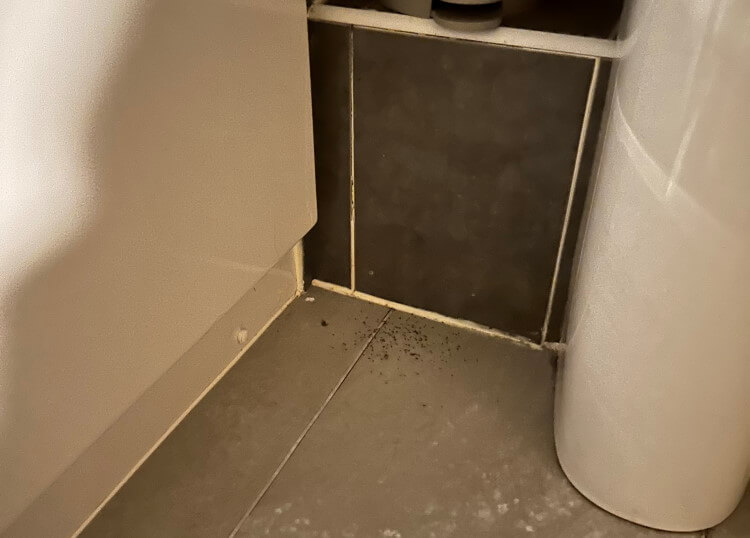
Mice and rats can be identified by droppings they might leave on countertops or the floor, and you may also see the pests running around your property, or hear them in the wall cavities.
Bed bugs have the potential to rapidly take over a property, because just one female bug has the ability to produce many hundreds of eggs. Some typical signs that you could have a bed bug infestation in your home include rust-coloured markings on your bedsheets, spotting shells that they shed when they grow, or red marks appearing on the skin of people living in the home.
There can be a host of other insects and other pests that might infest your home, although typically bed bugs, mice and rats are considered the most immediate health concerns.
If you honestly have no idea that your home has an infestation, then there is nothing you can tell a potential buyer, but you should be aware the problem could be uncovered before you sell.
During the conveyancing process, the buyer will typically enlist the work of a conveyance, who is a legal professional that handles most of the complicated paperwork involved with transferring the ownership of your home to the potential buyer. As part of this process, the conveyancer should ask many questions about your property, including any known problems with it. Your obligation is to provide answers as honestly as you can, and not withhold any issues that you know about.
If you are aware of an infestation and you hide it from someone who eventually buys your home and then discovers the problem after taking over the ownership, they have the right to sue you for withholding a negative issue that you knew about, and you could face costly penalties.
Why it can be harder to sell a home with infestation
Infestation can be one of the leading reasons why potential buyers might see a home as a problem property that is not worth their time, and they’ll look elsewhere rather than consider making an offer.
There are several reasons why infestations can make people lose interest in purchasing a property, starting with the fact that many of them might fairly conclude that the bugs, rats or other pests in the home would create health risks for whoever is living in the house or flat.
Another reason why an infestation can complicate the sale of your property is that some potential buyers could offer far below your preferred asking price, because their perceived value of the home will be reduced either by the cost that they would have to spend on fixing the problem as the new owners, or the stigma of owning an infested house or flat, or both.
Deciding whether to treat a home infestation before selling
You have two options when trying to sell a property that has infestation; either pay to fix the problem before attempting to find a buyer, or try selling the home as is without remediating the infestation.
As highlighted earlier in this guide, if you know about an infestation and try to hide that from a potential buyer, you could face legal action as discussed in this article by Quittance once the new owner discovers the problem. This section of the guide assumes that are willing to be honest about the infestation with any possible buyers.
Should you decide to address the issue of infestation before selling your flat or house, the best advice is to contact a pest control company and get their experts to treat your property with the right substances that can not only eradicate the problem but also prevent it from reoccurring.
However, depending on the scale of the infestation problem, it could cost quite a lot of money and time to fix the issue before attempting to sell a property. For those homeowners who need to sell as quickly as possible, or lack the funds to pay for pest control experts, they simply might not have the ability to remediate the infestation before attempting to look for buyers.
Alternatively, you might be willing to sell the infested property as is, even if it means you might possibly have to accept buyers’ offers at a lower sale price, as outlined earlier in this guide. But you might still be able to get a fair offer if you try selling to a quick property buyer.
Will you pay Capital Gains Tax when selling your home with infestation?
Regardless of whether you decide to pay for fixing an infestation problem before selling your home, you might be wondering what taxes might apply when you eventually sell the property.
One of these potential charges is called Capital Gains Tax, and it’s a levy you pay the UK government based on how much profit, also known as gain, that you make from the sale of a physical asset such as a house, car and other items. Always ask a financial professional for advice because there are several ways in which you can reduce or eliminate your tax obligation altogether.
Your choices for finding a buyer for your infested property
Once you are ready to sell your property with infestation, your next important decision is selecting which method you would prefer to use for finding a buyer. Generally, your choices come down to using a fast property buyer, selling on your own, using an estate agent, or selling at an auction.
There are pros associated with each of the four methods, but some of the choices also have rather significant cons, such as coming with large fees or taking many months to complete.
In order to find the method of selling that most closely suits your needs and wants, you should write down your most important information about finding a buyer – things like how long you’re willing to wait to sell, and whether you are prepared to pay any commission to a third party if they find a buyer for your home. Compare this information against the details of the four methods below, and that should help you with finding the ideal choice for your situation.
Using a fast property buyer
Perhaps the most rapid way to sell any type of home is contacting a fast property buyer, such as LDN Properties, which is based in London but buys all ages, conditions, shapes, sizes and types of freehold and leasehold houses, flats and other types of properties across the UK.
These companies are called fast buyers as they can typically complete the entire process of purchasing any kind of property within a handful of weeks, and that includes the amount of time that it takes for exchanging contracts and paying the full proceeds to the seller. By contrast, the three other methods of selling detailed in this guide will usually take at least a few months.
One of the best aspects of selling to a fast buyer is their ability to make competitive and quick offers for properties even if they have problems – sellers will still receive a fair price. Some of the many different types of homes that LDN Properties has bought or considered, for example, include not only homes with infestation but also bed and breakfast properties, car parks, vandalised flats, houses that are located underneath noisy airport flight paths, blocks of flats, retail properties, homes lacking Fenestration Self-Assessment Scheme certificates, and many other varied scenarios.
If you accept the tentative offer, someone from the company will usually visit your property so that they can inspect the interior and exterior, in order to help develop a final offer. This visit is also an ideal time for sellers to ask the fast buyer any queries they still have about the process.
And when you accept the final offer, the fast buyer then works with your solicitor or other legal representative to swiftly complete all of the legal paperwork involved with buying your home.
Another major benefit of selling this way is that the legitimate fast buyers never charge owners any commission to purchase their properties, which will help to reduce your selling costs. That contrasts favourably to estate agents and auctioneers, who both charge commission for selling properties that is subtracted immediately from the sale proceeds, adding to the overall costs.
Selling on your own
This is typically the most time-consuming of the four choices, because it can take more than an entire year before you get a serious offer when trying to sell without any assistance.
It’s also a burdensome way to sell a home, because you will have the responsibility for every step of the process. This starts with preparing a listing for your property that includes photographs of the interior and exterior and a description of the home – possibly including the fact that it has an infestation. You’ll then have to pay to advertise this listing in local newspapers and online, and organise viewings for potential buyers to visit your property ahead of making an offer. Finally, you’ll also have to field offers and hopefully see one through to completion.
All of that work will take a lot of time, effort and money, and it’s not something you can just do in your spare time. Therefore, it’s not recommended unless you have experience with selling properties before, or have a skilled family member or friend who is willing to help.
Selling on your own does have the advantage of not having to pay a third party like an auctioneer or estate agent any commission, which reduces your costs. However, you can avoid commission but with zero stress by instead selling your property to a no-fee fast buyer.
Using an estate agent
You can reduce your workload when selling an infested property by using an estate agent. They will take on the responsibility for producing and advertising a listing for your home, as well as scheduling viewings for prospective buyers, and also fielding any genuine purchase offers.
But for all of this effort, estate agents will charge you commission based on whatever sale price you’re eventually able to get for you property. This will add to your selling costs, because the fee is deducted right away from the proceeds.
It can also be a slow way to sell your home, and it’s not unheard of for some house or flats sold through an estate agent to remain on the market without an offer for over a full year. Such a timeline is not a good match for those owners who need to sell as fast as they feasibly can.
You should also know that some estate agents aren’t skilled at selling problem properties, a category that might include infested homes. If an estate agent has never managed to sell an infested home in the past, it’s a strong sign that they will struggle to attract a buyer for yours. Always ask individual estate agents about their track records selling your type of property.
Selling at an auction
The fourth way to sell your home is through an auction, where you’ll be asked to set a reserve price, which is the lowest value at which you’re willing to sell your home, and then people will have the chance to place bids of ever-increasing value on the property. If you receive no bids, the home doesn’t sell, and you have to start over with the entire process of selling.
Or you may only attract a single bid at the reserve price, which is considered a legally enforceable sale of your property that the winning high bidder could sue to enforce if you try to walk away from the transaction after the auction.
And those fees can be quite high, which creates further costs when trying to sell your home. Most auctioneers will charge their commission as a percentage of a property’s auction sale price, and the fee will automatically be taken out of the proceeds immediately.
You might be able to convince individual auctioneers to either lower their fees, or pass on the burden of paying some of the auction costs to the winning high bidder, so always ask.
One choice that you might have to make when selling via an auction is between a traditional auction or a modern auction. The traditional auction process involves advertising a listing for your property for several weeks, and then the auction is held on a set day, when people can place bids for a limited amount of time. The modern auction process involves advertising a listing for several weeks or longer, and allowing bids 24 hours a day, seven days a week, until the listing expires, at which time the highest bid is considered the winner buying your home.
Because of the many steps involved with selling a home via an auction, regardless of the method that you choose, this can be quite a long process. There will usually be a wait of many weeks or months between when you enter your property for sale and when the auction actually occurs. And if you manage to sell your home, the winning high bidder will then be given an average of 28 days to complete their paperwork and other required steps to finalise the sale.
Check with individual auctioneers about whether they may be willing to set a shorter deadline for the buyer to finish their steps, and beware that some companies will allow over 28 days.
Just as some estate agents might not know how to attract interest from buyers in an infested property, there are auctioneers who will have zero experience with selling homes with infestation – a signal that they could find it difficult to find bidders for your property. Check with individual auctioneers about their past success, if any, with selling infested homes.
Top queries and answers about selling property with an infestation
If you are looking to sell your home quickly, you may have some questions to ask us, ranging from the amount of works needed before trying to sell through to selling a house that is uninhabitable. These are some of the main questions we’re asked about selling property with an infestation: