Can I sell my house if it is unregistered?
An unregistered property, be it a house, flat, or any land, is one that is not registered with the Land Registry. Statistics show that in the UK, around 13% of properties are not currently registered.
As you’ll see in more detail later in this guide, there are various legal complications and other steps involved with selling an unregistered home – although that does not mean it will be impossible to find a buyer for the property, because there are always options available.
But one crucial factor that you should understand is that many mortgage providers might be unwilling to grant a buyer’s request for a loan to afford buying your property, due to the fact that it is unregistered, as SO Legal says. Lenders will worry about ownership doubts over the home and potential challenges with attempting to sell the home in the future should the need arise.
When a lender authorises a mortgage, the buyer agrees to repay the loan in monthly instalments plus interest. If they fall behind on these repayments then the mortgage can eventually default, at which point the lender might move to repossess the house or flat in order to use the proceeds from that sale to recoup the remaining debt that is left on the loan.
If the lender fears they’ll be unable to resell the home as needed, they’ll deny the mortgage, which would then make it impossible for that individual buyer to purchase your home.
But other solutions can help, for example selling to quick home buyer like LDN Properties. They’ll make a fast and fair offer for your house or flat even if it is unregistered, and the selling process should only take a few short weeks to complete. Keep reading to learn more about this and other selling options, and what’s involved with finding a buyer for an unregistered property.
How it affects you?
Unregistered properties can be slightly more complicated when it comes to selling your property as there are a series of extra steps that need to be taken as part of the sale process. There is also the risk to the buyer that since there is no centralised proof of ownership for an unregistered property, fraudulent ownership can arise.
As LDN Properties are specialist home buyers, we have seen the matter of unregistered property titles come to light many times when purchasing houses and flats throughout the UK. Our specialist team have knowledge and experience to work through the necessary steps of registration in a seamless fashion and often without significant delay.
Is it compulsory to register?
There are some circumstances where it becomes compulsory to register the house or flat. These are;
- When the property is transferred from one person to another e.g. property sale, inheritance, gifted, etc.
- If the property is mortgaged
- When the property is leased for seven years or more
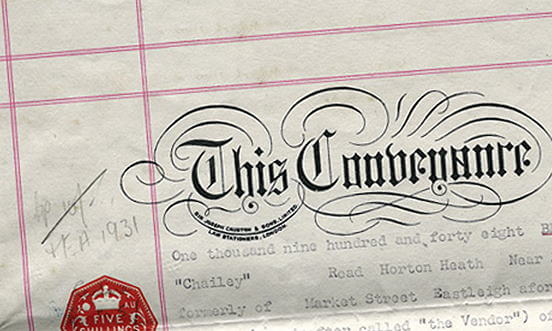
The property’s title historically relied on paper deeds being handed down from previous owners. Every time a house changed ownership, the title deeds would be updated accordingly. This commonly resulted in several deeds being available, some of which didn’t correlate with the existing house ownership.
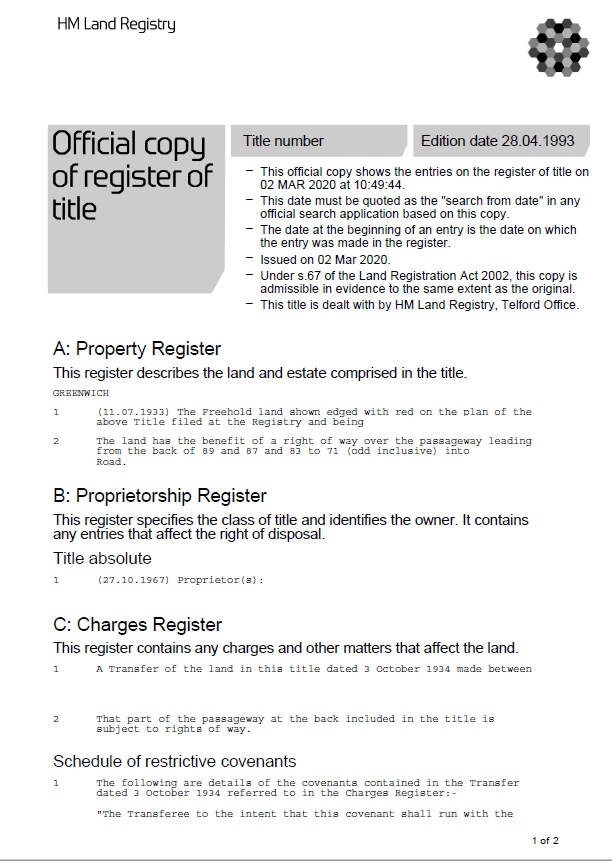
Can you sell your unregistered house?
Yes, you can sell your unregistered house or flat. To do so, you will need to produce physical title deeds. After this, the buyer’s solicitor takes those deeds and submits the registry application to the Land Registry.
The process of selling an unregistered house can be a little more complex than the sale of a registered property, however it is a well trodden path that conveyancing solicitors are well accustomed to dealing with and indeed a process that the LDN Properties team have seen on numerous occasions. Indeed, you may consider it best to register the property yourself before deciding to sell your property. This is certainly an option available to you, however it can take a little more time.
If you are planning to sell your house, a competent solicitor by your side will help you tackle the complexities that may present themselves along the way. Do note that every transaction is unique and there are some guidelines a conveyancer must follow when selling an unregistered house.

Guidelines
Some of the relevant guidelines are as follows;
- The conveyancer performs a search with the Land Registry called an Index Map Search of the land. This is also known as a SIM search as discussed on the Government website.
- Copies of all deeds, provided to the seller’s solicitor need to be checked
- Relevant documents for the past 15 years need to be checked to make sure the title chain is clear
- As well as the title deeds, the conveyancer also checks documents and further information such as marriages, bankruptcy, payment of stamp duty, and any defects in the title
We appreciate that selling your house or flat can be a stressful time particularly when legal complexities such as property registration arise. Should you wish to discuss the sale of unregistered property or the property registration process further with us, our team can assist on 020 7183 3022.
Ways that you can attempt to sell an unregistered home
When you are ready to sell your unregistered property, you will next need to choose which option to use for finding a buyer. The typical choices are selling using the services of an estate agent, selling at a property auction, selling to a quick home buyer or selling on your own.
To help you decide which approach you would like to use, you can write down your top goals when seeking a buyer, such as your ideal home sale price, how fast you want to sell, and whether you can accept paying any commission on the sale. Then compare these issues against the specific details of the four options below to find the one that matches your needs.
As you review the choices, you will find that that vary widely on important issues such as their cost, time and more. By way of example, selling to a no-fee quick buyer like LDN Properties means that you will never have to pay any commission, whereas you will have to pay such a fee if an estate agent or an auctioneer succeeds in securing a buyer for your property.
Selling with an estate agent
Selling via an estate agent often involves buyers that would need a mortgage to afford purchasing your property, and as this guide has made clear, that can be an impossible barrier to clear for many buyers. If this is preventing you from selling your home, you should consider other options for selling, for example getting in contact with a quick property buyer.
Even if you do get a legitimate offer on your house or flat, the person making the offer could later change their mind and rescind it. This would prompt the sale to fall apart, and you would then have to start again with seeking a buyer, delaying your selling timeline even further. And you cannot penalise the person that did this if you have not yet exchanged contracts.
This is often one of the slowest ways to sell a home, and it might take many months or even more than a full year. If you want to sell your property on a speedier schedule then you should think about contacting a quick buyer as this should only take a few short weeks.
And if an estate agent succeeds in selling your home, they will charge you commission that will be subtracted from the sale proceeds, which will increase your costs. Typically, this is charged within a range from 1.15 percent to 1.40 percent of a property’s sale price.
This fee pays for the estate agent’s work in selling your home, which begins when they create a listing that describes your property and features photographs of the interior and exterior, and they’ll advertise that online, in their office and in local newspapers to generate interest from buyers. Next, they’ll plan viewings so that anyone interested can get a tour of your property, and they’ll hear offers from buyers, with the aim of guiding one to the exchange of contracts.
Beware that there are some estate agents that might have no idea about how to sell an unregistered property. Always check with individual businesses about whether they managed to sell a home like yours in the past, and do not sell using the services of an estate agent who lacks such experience because it implies they will find it hard to sell your property.
Selling at a property auction
Another way to attempt selling your home is through an auction, where people can place bids of always-increasing value on the property, and the highest value bid at the time the auction ends is deemed the winner and therefore the person that will be purchasing your home.
You could get asked to choose between the traditional or modern method of auctioning your home. The traditional method involves advertising your home’s listing for several weeks ahead of the auction taking place on a set day, when people can bid on it for a limited amount of time. The modern method involves your listing being active for a specific number of weeks or months, during which time people can bid on it 24 hours a day, 7 days a week, and the top bid at the time the listing expires is the winner. For many people, deciding between the two is just personal preference.
When you sell through an auction, you will have to pay the auctioneer commission, usually at about 2.5 percent of your property’s eventual sale price. This will be deducted from the sale proceeds right away, so you’ll need account for this cost in planning your selling expenses.
And this is far from the swiftest method available to sell a property because it can take many months, including a wait of several weeks or more between the day that you decide to sell this way and the day on which the auction occurs. If your home sells, the buyer then has about a month to finish their tasks to complete the sale, such as signing the required legal papers.
Selling to a quick home buyer
Selling on your own
Yet another choice for selling your unregistered property is doing so without any help from a third-party like an auctioneer or an estate agent. This means that you will need to handle all the steps involved with finding a buyer, starting with producing and advertising a listing, taking care of viewings, hearing offers and trying to get a serious offer to exchanging contracts.
This is a huge amount of work that can take up a lot of your time and be incredibly stressful, so it is only recommended for those people that have either previously managed to find a buyer for an unregistered home, or that know a suitably qualified family member or friend that is willing to assist them with the selling process without charging them anything.
You may be waiting more than a year to sell when you try to find a buyer on your own, so it’s not the best selection if you are attempting to sell speedily. And someone can make an honest offer but then later cancel it, which would cause the sale to collapse. This would require that you then begin again with looking for a buyer, extending your overall selling timeline much further. And if contracts are not exchanged, you can’t penalise the person that rescinded the offer.
One of the only prominent advantages with selling on your own is that you would not have to pay any commission to an estate agent or an auctioneer, so that can help reduce your total selling expenses. But you might discover that the money you will need to spend on marketing your home’s listing and other actions may easily wipe out any saving that you make from not having to pay commission to a third party for finding a buyer for the property.
If you would like to prevent having to pay any commission on the sale of your home, consider instead selling to a no-fee quick buyer like LDN Properties. You’d achieve the same goal of not paying any commission, but with the added benefit of getting a much faster sale that should be completed within weeks, and that includes exchanging contracts any paying you the proceeds.

Your questions answered for unregistered property
Here you can find LDN Properties’ answers to many common queries we get about selling an unregistered home, which are properties that we have plenty of experience with buying.
Quite simply you can visit the HM Land Registry website and search for your property. All registered property can usually be identified on this central register.
Yes, as a specialist home buying business with a team of in-house professionals we can consider both registered and unregistered properties irrespective of the type of property – houses, flats, land, commercial are all considered.
Having traded since 2003 and with experience in buying unregistered property here in the UK, we generally don’t see that this should slow the sale of your property. Any matters that become apparent along the sale journey, we always work professionally and diligently whilst keeping you informed at every stage.
Many mortgage providers will be wary about authorising a loan for someone to purchase an unregistered property, due to doubts over its legal status and other factors, and this would therefore make it impossible for someone to buy your home if they would need a mortgage to afford it – but there are still other solutions available, such as selling to a quick buyer.
The four usual strategies for selling an unregistered property or other home types include selling using the services of an estate agent, selling at an auction, selling to LDN Properties or another quick home buyer, or selling without any third-party help. You will discover that there are pros and cons for each choice based on the time they take, their costs and other factors.
If you select the option of either selling through an estate agent or trying your luck with a property auction, you will have to pay those professionals commission if they succeed in finding a buyer for your home, and this will be taken out of the sale proceeds. But if you choose to sell on your own or to a no-fee quick buyer then you will avoid having to pay any commission.
It could take as little as a few weeks to sell your house or flat if you decide to sell to a quick home buying company like LDN Properties, and that includes the time needed to exchange contracts and pay you the full sale proceeds. Selling via an estate agent, at an auction or without any help from a third party can all take at least a few months to complete.