Quick navigation
The Heating Equipment and Testing Approval Scheme, known simply as HETAS, is an independent organisation that has authorised inspectors who assess whether properties’ solid fuel heaters comply with the latest efficiency and safety rules. This guide details the problems you may face with selling a home that lacks this certification, and how to overcome them.
- What does it mean to have a HETAS certificate at your property?
- Reasons why a buyer will want to see a HETAS certificate for your home
- Disclosing the lack of a HETAS certificate when selling a house
- Should you obtain a HETAS certificate before selling your property?
- Your choices to find a buyer for a home that lacks a HETAS certificate
- Selling a home without a HETAS certificate: frequently asked questions
What does it mean to have a HETAS certificate at your property?
Many properties throughout the UK have wood heaters and other solid fuel burners that are used to heat the home, and the installation of these devices must be done carefully in a way that ensures that they comply with the latest regulations on safety and energy efficiency.
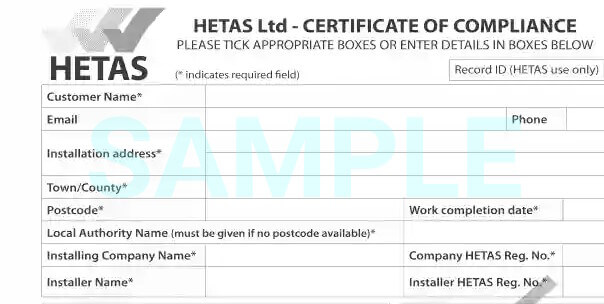
Typically, installations must be assessed by an authorised inspector as determined by the Heating Equipment and Testing Approval Scheme, or HETAS. The inspector will review the installation, and also tell a homeowner whether any corrective action is needed.
As HETAS says on its website, the organisation works to “promote the highest standards for fuel, appliances and people to encourage the safe, efficient and environmentally responsible use of solid fuels including wood.”
To do this, it registers approved businesses that can inspect wood burners and other biomass/solid fuel heaters as complying with the most up-to-date efficiency and safety standards. And there could be many homeowners who have this type of heater at their property might be unaware that they even need this compliance certificate.
You must notify the local authority about the installation of any solid fuel heating system at your home, and then you are obliged to get a HETAS certificate. If you fail to do so, it can create the danger of the council discovering this and pursuing penalties against you, which could be as much as £5,000 – so not having this document in place could cause you a lot of money.
As this guide explains, not having a HETAS certificate in place when attempting to sell your home could also complicate and slow down the process. Keep reading to learn more about why buyers may insist on seeing this certificate before making an offer on your house, as well as how to obtain a certificate if you don’t have one. There is also advice on how to go about still attracting a quick and fair offer on your home even if you never get the certificate.
Reasons why a buyer will want to see a HETAS certificate for your home
When buyers are looking for a property and they learn that your home has a wood heater or some other solid fuel burner used to heat it, you can expect that they will ask you whether or not you have a HETAS certificate – and there can be several explanations for this question.
One of the main reasons that someone interested in your house will want to know if there is a HETAS certificate is because it gives them peace of mind about the integrity of the heater. As MyJobQuote explains, certification by an approved inspector demonstrates that the installation of the heater was done correctly and that it complies with the latest efficiency and safety regulations.
Knowing that the heater has been certified could address any worries that a buyer might have about owning a home with this kind of device, especially if they’ve never had one before.
And insurance companies will also likely want to see proof of a HETAS certification before approving a policy for a property, as it would show the companies that the device is considered to be in good working order. Potential buyers could fear that it will be impossible to get home insurance without such a certificate, and this may cause them to lose interest in your property.
But not having the documentation does not automatically mean you will never sell your home. You still have options available for getting buyers interested, particularly quick house buying companies like LDN Properties that make fair and speedy offers for homes even without HETAS certificates, and later on this guide you’ll get to learn more about how this property selling process works.
Disclosing the lack of a HETAS certificate when selling a house
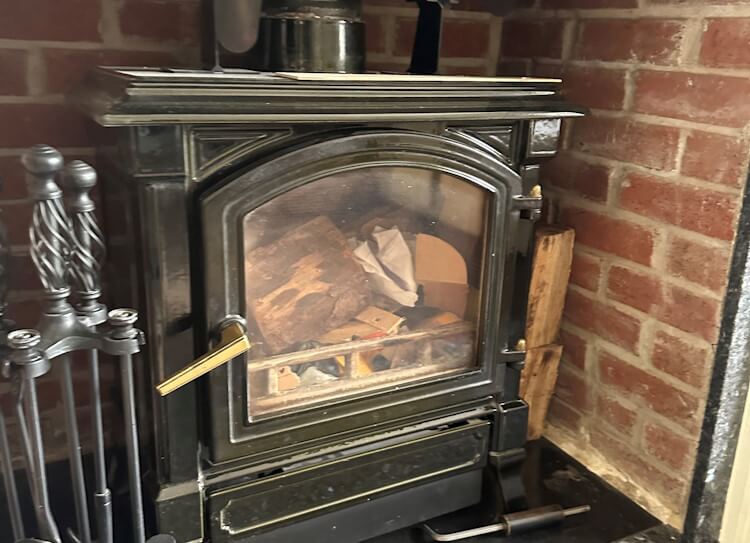
Based on the information provided in the previous section, you might be thinking that it could be a good idea to conceal from buyers the detail that your home doesn’t have a HETAS certificate. But for legal reasons that follow, it’s never a good idea to hide this information from them.
Solicitors representing buyers will usually ask for proof of a HETAS certificate, as Direct Fireplaces says. That’s because the document provides proof that the wood heater in the home has been certified by an independent professional as being in compliance with the latest safety and efficiency policies.
his request is likely to come during the conveyancing process, where sellers will be asked by a buyer’s legal representative to fill out a lengthy form asking many varied questions about almost all aspects of the house. You must answer this form fully and honestly, regardless of whether you think that alerting a buyer to the lack of a HETAS certificate will jeopardise the sale.
Failing to disclose that you do not have this certificate can create problems for you if someone buys your home and later discovers that you never had the document. They could sue you for withholding this detail, and it may result in very expensive and time-consuming litigation.
If you are concerned that telling prospective individual buyers about not having a HETAS certificate will prevent you from selling your property, consider instead contacting a quick home buying company such as LDN Properties. These businesses make speedy and competitive offers to purchase almost any type of home, including those that do not currently have a HETAS certificate.
This means that you can be upfront with them about the fact that you do not have this certification in place, and yet still get a fair offer – and the added bonuses of selling without paying any commission, and typically completing the whole process within a few weeks. A later section of this guide explains the quick buying process, as well as other methods of selling.
Should you obtain a HETAS certificate before selling your property?
If your property does not have a HETAS certificate then one strategy that you could consider pursuing is to try obtaining the document before selling, although this has its own downsides.
The obvious advantage of getting a certificate ahead of selling is that it would eliminate a scenario in which someone is interested in making an offer on your property but then ultimately decides against it because of the lack of the document. Or a buyer could still make an offer but reduce it significantly due to their concerns about not having the certification in place.
But there are some complications involved with getting a HETAS certificate that you should be aware of before choosing to pursue this approach prior to trying to sell your home.
The time involved with getting the document is one concern, as you may find that there is a backlog of certification requests for all the HETAS-approved inspectors in your area. This could potentially mean that you have to wait for many weeks or months before a professional can visit your property, which would delay a sale even further. For those owners who want to try selling as fast as possible, the time involved with getting certification may not be acceptable.
Cost is another potential hurdle because, as Checkatrade notes, it can cost about £300 to get one of these certificates, or possibly hundreds more depending on your situation. If you are trying to cut costs when selling then getting the document might not be achievable.
Should you not want to get a certificate before selling – whether that’s due to cost concerns, worries about the time taken, or any other reason – then the good news is that you can still get a competitive and speedy offer for your home by getting in touch with a quick home buyer.
As you’ll learn in more detail in the next section, these companies make fast and fair offers to buy practically any home, including those that do not have a HETAS certificate. And you will enjoy a sale process that only takes a handful of weeks and never charges commission.
Your choices to find a buyer for a home that lacks a HETAS certificate
Assuming that you opt against obtaining a HETAS certificate ahead of selling your house, the next step will be choosing which of four methods to use in order to find a buyer.
Typically, sellers can select from selling at an auction, selling to a quick buyer, selling with an estate agent or selling without any help. There are pros and cons with each method, such as the downside of having to wait possibly more than a year when selling via an estate agent, through to the benefit of not paying commission when you sell your home to a no-fee quick buyer.
To help you in making your selection, consider writing down your top priorities with selling, including whether you are open to paying commission on the sale of your property, how long you can wait before exchanging contracts, and your ideal sale price. Then compare these factors against the details of the four choices below to discover the best match for your needs.
Selling at an auction
Auctioning your home is a gamble because there is no promise that you will get any bids on the property, which means it goes unsold. This would require that you then restart the process of trying to find a buyer, possibly adding many more months to your selling timeline.
Alternatively, you may get just a single bid at the reserve price – this is a minimum price you agree with the auctioneer at which your property can sell. A bid at this amount is considered a binding legal agreement to sell your home, and the bidder can sue to enforce the sale in the event that you try to abandon it once the auction has been completed.
This is why you must calculate a reserve price that is expected to produce a profit from the sale, even after paying the auctioneer their fees. If not, you create the danger of selling at a loss, or just breaking even by selling close to the price that you originally paid for the home.
The standard rate of commission that an auctioneer charges is around 2.5 percent of a property’s final sale price, but it could be higher or lower than this rate. The fee will increase your total selling expenses because it will be deducted right away from the sale proceeds.
You should also know that an auction is not the most rapid way to sell a property, as there is plenty of waiting involved, including many weeks or even months between the day that you decide to sell using this method and the day on which the auction takes place. And if you manage to sell your home at the auction, the winning bidder then has an average of a month to complete their tasks needed to finalise the sale, such as signing the relevant legal papers.
Some auctioneers might have never tried to get people interested in bidding on a house that does not have a HETAS certificate, so you should always ask individual companies about their track record in selling such properties. Avoid selling with an auctioneer that has never sold this type of home before, because this implies they may find it hard to sell your property.
Selling to a quick buyer
Selling with an estate agent
Another way to avoid having to put in much effort with the sale of your home is by contacting an estate agent. They will take on responsibility for creating and marketing a listing, scheduling viewings and hearing offers from buyers, aiming to guide one to the exchange of contracts.
This can often be a very slow process and you should not be surprised if it takes more than an entire year to sell your home. For those buyers that are looking to sell on a speedy schedule, you may want to review some other choices, for example selling to a quick home buying company like LDN Properties where the entire timeline should only be a few short weeks.
Of course, a buyer can make an honest offer but then change their mind and later rescind it, which would result in the sale falling apart. They can do this without the risk of facing any penalties so long as you have not yet exchanged contracts. And you would then have to begin again with searching for another buyer, which might add many more months to your total selling timeline.
Estate agents will also charge commission if they manage to sell your home, usually within a range of 1.15 percent to 1.40 percent of your property’s final sale price. This fee will be taken out of the sale proceeds right after the sale is completed, adding to your expenses.
Another important consideration is that many estate agents might not have experience with trying to get buyers interested in a house that currently lacks a HETAS certificate, which in turn suggests that they will struggle to sell your property. If you choose to sell this way, then always ask individual estate agents whether they have managed to sell a property without this certification in the past, and do not use companies that have no such experience.
Selling without any help
Yet another choice for selling a home that doesn’t have a HETAS certificate is doing so without any help from an auctioneer or estate agent. This means that you will have to handle all the work involved, starting with putting together a listing and advertising it, followed by organising viewings and hearing offers from buyers, ideally taking one to exchange of contracts.
This can be a very stressful, lengthy and uncertain process and it might take more than a full year to sell if you have zero experience of selling a property, or if you do not have a suitably qualified friend or family member that can help you out with the sale at no charge.
One of the only clear advantages of selling without any assistance is that you will not be required to pay any commission to an estate agent or auctioneer once your home sales, which helps with lowering your total costs. But you could discover this saving is cancelled out by the funds you will need to spend on advertising your listing and other steps in the selling process.
As an alternative, you might want to consider selling your house to a no-commission quick home buyer like LDN Properties. Not only would you still achieve your aim of not having to pay any fees but you will also get the extra perk of selling on a much quicker timeline, as it should only take a few short weeks before exchanging contracts and you receiving the sale proceeds. It would also eliminate the time-consuming stressful work involved with selling on your own.
Selling a home without a HETAS certificate: frequently asked questions
Launched roughly 20 years ago, LDN Properties has experience with buying and making offers for all kinds of homes including those lacking a HETAS certificate, and we’re providing our answers to sellers’ top queries about them.
Your top questions when selling a property without HETAS certificate
HETAS refers to the Heating Equipment and Testing Approval Scheme, which is an independent entity that approves registered inspectors who assess biomass, wood and other solid fuel heaters at houses to determine if they comply with the most recent safety and efficiency regulations – and all properties that have this type of header need the certificate.
The overall reason why a prospective buyer will want to see that your home has a HETAS certificate is for their peace of mind, because it is an independent certification that the wood or other solid fuel heater at the property is safe and in compliance with existing rules. Buyers may also need to have the certificate to get insurance for the house as the next owner.
Yes, whilst you are still the owner of the home, you could be liable for a fine from the local council if they discover that you do not have this certification, and this penalty could be as expensive as £5,000. Another complication that can happen is that potential buyers might be more reluctant to make an offer on your property due to the lack of the HETAS certificate.
Yes, you are mandated by law to disclose the fact that you do not have this certification at your property when asked by either a buyer or their legal representative. If you knowingly withhold the lack of a HETAS certificate from someone and they purchase your house and then discover you never had this document, the buyer can sue you and you may face significant penalties.
One option when selling your home is indeed contacting a HETAS-approved inspector to assess your solid fuel heater and to obtain a certificate before trying to attract buyers to making an offer on the property. But it’s important to know that the waiting time for getting an inspection might be quite lengthy, and the cost for obtaining the document could be up to £500.
Not necessarily, because you will not need to pay such fees if you decide to sell without any help from an auctioneer or an estate agent, or if you sell to a zero-commission quick buyer such as LDN Properties. But you would pay commission when selling through an estate agent or an auctioneer, and this charge will be subtracted from your home’s eventual sale proceeds.
The answer depends on which strategy you choose to sell your home, because it might take more than a year to sell the property if you use the services of an estate agent or if you sell without any third-party help, whilst an auction may take many months. Selling to LDN Properties or another quick buyer is the speediest choice as it will only take a handful of weeks.