Quick navigation
A Leasehold Information Form, better known simply as TA7 form, is often an important document involved with selling a leasehold flat because it provides a range of crucial information about the property for buyers. This guide explains how the lack of a TA7 form can make it more complicated to sell a flat, but getting a fast and fair offer is still possible.
- What is a TA7 form when selling a property in the UK?
- The typical factors covered by a TA7 form for a flat
- What if I don’t disclose certain details on a TA7 form?
- Problems with selling a home without a TA7 form
- Four ways to find a buyer for a flat lacking a TA7 form
- Selling a flat without a TA7 form: frequently asked questions
What is a TA7 form when selling a property in the UK?
There are many different steps involved with selling a leasehold flat, and paperwork can often be one of the most time-consuming and complicated parts of the selling process.
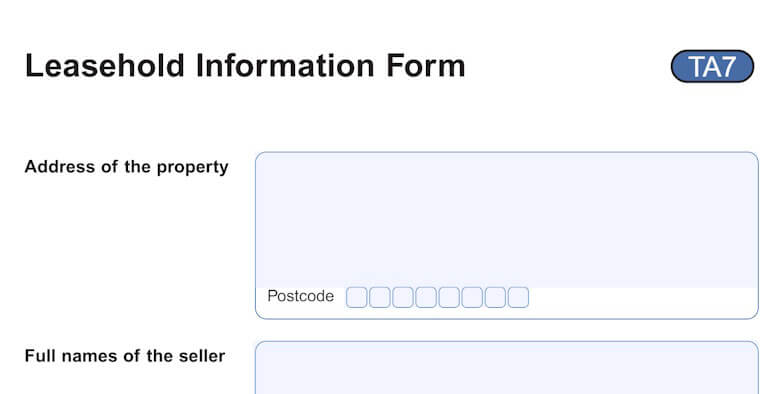
As a seller, you might be asked to complete several forms that will provide potential buyers with extensive information about your home. One of these is known as the Leasehold Information Form, although it is usually referred to simply as the TA7 form.
The TA7 form is one of many “transaction forms” drafted by The Law Society that are among the various documents involved with the sale of many types of property. TA7 forms in particular typically apply to leasehold flats, compared to different forms that are used for other types of homes.
Although the TA7 form is not mandatory in all cases, if you do not the time or willingness to fill it out then this could create some issues when attempting to find a buyer for your home.
There can be one or more reasons for why you want to sell your flat, including preventing repossession of the property, getting married or some other family change, needing to raise funds for a move overseas and more. Whatever the explanation behind deciding to sell your flat, this guide walks you through the best options available if you seek a buyer without completing a TA7 form.
In addition to learning about what’s required with a TA7 form and the potential complications involved with not having one of these forms completed when selling, you’ll also get tips on how to best maximise your possibility of getting a quick and competitive offer for your flat.
The typical factors covered by a TA7 form for a flat
It’s the obligation of the person selling a leasehold flat to fill out the TA7 form, as Ringrose Law notes. Should you decide to try completing one of these forms before selling your home, it can be useful to learn more about the specific details that you might have to include.
If you decide to fill out a TA7 form then remember that it’s important to answer as honestly and fully as you can for the various details required. Also, the list below is a highlight of some of the issues that buyers, mortgage lenders and others will primarily be looking for, but there is plenty of other information that you might need to include when filling out this form.
Relevant documents: You will be asked to provide copies of the leasehold agreement that you signed when you first purchased the property, as well as any other legal and other documents that might be relevant to the flat and that the buyer should see before making an offer.
Service charges: Many leasehold property owners are required to pay service charges to the freeholder owner of the building in which their flat is located, which helps pay for upkeep of it. The TA7 form has sections to fill out to list these costs and any arrears you might have.
Property damage: One of the biggest concerns that prospective buyers often have is that the home they are interested in has structural damage that will cost them a lot to fix, so you must report any such problems regardless of whether the flaw is small or large in size.
Formal notices: You will also be asked to tell anyone interested in possibly making an offer on your flat whether you have received any formal notices, for example a letter from the freeholder announcing that they want to sell the building in which your flat is located.
Disputes with neighbours: If you have legal fights or other disputes with one or more neighbours, you will likely have to inform potential buyers about this by providing details on the TA7 form.
What if I don’t disclose certain details on a TA7 form?
If you decide to fill out a TA7 form before selling your flat then you must ensure to answer all of the sections and provide as much information as possible, without holding anything back.
There might be factors that you would rather not disclose on the form because you feel like it could jeopardise the sale of your property, such as ongoing legal fights with a neighbour. But if you know about such issues and choose to withhold them from the form, you will simply be creating more problems in the future, as an article on QLAW website notes.
If someone buys your flat and then discovers the issue and realises that they would have never made an offer to purchase the property if they had known about it, this can lead them to file litigation against you that might result in expensive penalties should you lose.
Even if you claim to have not known about a problem that was missing from a TA7 form, if the person that buys your flat is able to convince a court that you should have known about it and included it on the form, that could be enough to result in your losing such a case.
That’s why many people who own a flat without a TA7 form often find it easier to simply contact a quick home buyer like LDN Properties and sell their flat directly to them, because these companies are known for making fair and fast offers to buy almost any type of freehold or leasehold property regardless of any potentially negative issues, like the lack of a TA7 form. It’s a speedy, streamlined and zero-commission way to sell your leasehold flat.
Problems with selling a home without a TA7 form
The TA7 form can be an integral part of the process when selling a flat, so if you are unwilling to complete one of these forms when trying to sell your property then you may find this creates some complications.
Prospective buyers often look the information that they can find in a TA7 form to let them known about any potential problems with your flat, whether that’s structural damage, legal disputes or anything else that might make them think twice before making an offer to buy your home.
Without having the details provided by the form, they may not feel confident making an offer because they could fear that there are negative factors with the home that they will only discover once they have purchased the property and moved in.
Another hurdle to selling a flat without a TA7 form is that you could find mortgage lenders are reluctant to approve a loan for a buyer to purchase your property. These companies could have similar concerns that you are trying to hide a potentially significant fault with your flat, and refuse to grant a mortgage. The lender might worry that an undisclosed problem could make it hard to resell the flat if needed, should the buyer default on their mortgage repayments and the lender then moves to repossess the property and sell it to recoup the outstanding debt.
For this and other reasons, TA7 forms are often considered among the regular paperwork involved with selling a leasehold flat, as an article on Zoopla’s website says. But that doesn’t mean you always need to have this form completed to sell your home.
As you will see in more detail in the next section of this guide, there are options available to find a buyer for a flat that doesn’t have a TA7 form. One choice is getting in touch with a quick home buyer like LDN Properties because these companies are renowned for making fair and speedy offers to purchase almost any type of home, including those with no TA7 form.
Four ways to find a buyer for a flat lacking a TA7 form
Whatever type of flat you have – ground floor you will eventually need to make a decision on how to find a buyer for it. The usual choices are selling to a quick buyer, selling using the services of an estate agent, trying your luck at a property auction or selling without the assistance of a fee-charging third-party.
The specific details of all four methods are provided below, and you will see there are clear pros and cons linked with each of them. For example, selling to a quick buyer has the advantage of ensuring that you will not have to pay any commission. But selling through an estate agent or on you own has the disadvantage that it make take over a year before you secure a buyer.
A good tip when trying to decide how to sell your flat is to write down your main goals, such as how much – if anything – you are prepared to pay in commission, how long you can wait before finding a buyer and exchanging contracts, and your ideal sale price. Then compare all of these goals against the specifics of the options below to find the one that best matches your needs.
Selling to a quick home buyer
Quick home buyers are companies like LDN Properties that already have the funds in place to immediately purchase your flat, therefore they don’t have to waste weeks or months trying to get approved for a mortgage. This cuts the typical selling timeline to just a few weeks, and that includes the important steps of exchanging contracts and paying you the proceeds.
Another crucial benefit of selling to a quick buyer is that the legitimate companies will never charge sellers any commission, so you are assured of receiving the total proceeds. That compares favourably to the options of selling with an estate agent or an auctioneer, as you will pay them commission if they sell your flat, and this is taken out of the final sale proceeds.
These businesses are also experts at making swift and fair offers to buy any home no matter its age, condition, location, shape, size or type – including properties sold without a TA7 form. That makes them a great choice for overcoming this potential hurdle when selling.
They provide a streamlined, no-hassle and stress-free way to sell your flat. It’s a simple process that begin when you contact them and ask about selling. You should get an offer within an hour and then you’ll have at least a week to think about it, with no pressure to accept right away.
If you accept their initial offer then the quick buyer will have one of their representatives visit your property in order to inspect the inside and outside before they make a final offer. Although you will need to agree to this viewing, it is the only one you will have to accept, compared to possibly dozens of viewings when selling via an auctioneer or estate agent.
The last step when selling with a quick buyer is when they work speedily with your solicitor or other legal representative to complete all of the required paperwork, with the overall timeline taking just a handful of weeks from the beginning through to the end.
Selling using the services of an estate agent
Alternatively, you might consider selling your flat through an estate agent, and they will do the bulk of the work in finding a buyer. This starts with producing a listing that describes your home and features photographs of the interior and exterior, then advertising this in their office, online and in local newspapers, organising viewings and hearing offers from serious buyers.
Whilst this means you will need to put much effort into the search for a buyer, you will need to pay the estate agent commission if they succeed in selling your property. Usually, this fee is charged within a range of 1.15 percent to 1.40 percent of a home’s sale price, although it might be higher or lower than this amount. The commission will increase your overall selling expenses because it will be subtracted immediately from the eventual sale proceeds.
Selling with an estate agent can be quite a slow process and you should not be surprised if it takes more than a year to find a buyer. If one of your top priorities when selling your flat is to find someone to make an offer as fast as possible, you may want to consider other options.
Note also that someone can make an offer to purchase your home but then change their mind and withdraw it, causing the sale to collapse – and they can do this without penalty if you have not yet exchanged contracts. This would delay the sale of your home even further because you will have to start again with the process of trying to find a buyer.
Trying your luck at a property auction
Or you could attempt to sell your home through an auction, where people will have the chance to place bids of increasing value on the property. If you do not receive any bids then the flat remains unsold and you will need to start over with attempting to sell it.
But if you get a single bid at the reserve price – the lowest value at which you agree your property can sell – then this is deemed a binding sale of your flat. That’s why you need to pick a reserve price that should produce some profit from the sale, even after you have paid the auctioneer their commission for the work they did in selling the property.
Auctioneers take on most of the tasks needed to sell a home, such as creating and advertising a listing and hosting the auction. If a property sells, they usually charge a fee at about 2.5 percent of the home’s sale price, and this will add to your costs as it’s deducted from the sale proceeds.
Some auctioneers might be open to reducing the rate of commission that they charge you, or having the buyer pay a share of your expenses, so it’s worth asking about this. Just note that other auctioneers might charge an even higher commission than 2.5 percent.
Selling through an auction can be a slow process with plenty of waiting, such as many weeks or months between the day that you decide to sell this way and the day that the auction takes place. And even if your home sells at the auction, the buyer will then have roughly a month to complete the mandatory paperwork and their other steps needed to finalise the purchase.
Selling without the assistance of a third-party
Yet another way to sell your flat is by doing it yourself, so without the help of an auctioneer or estate agent. This puts the burden on you to do everything from developing and advertising a listing through to scheduling viewings and ultimately hearing offers from buyers.
It’s a massive amount of work and one that can take up a lot of your time and cause significant stress. That’s why it is only suggested as a viable option for people with experience selling flats or that have a qualified friend or family member that can help with the sale at no cost. If not, then it could take more than an entire year before you manage to sell your flat.
Remember also that someone can make an honest offer to purchase your property but then change their mind and cancel it, prompting the sale to collapse. They are allowed to do this without any penalty if you have not yet exchanged contracts. And it will postpone a sale by possibly many more months as you resume the search for a buyer.
The only clear advantage of selling without any third-party assistance is that you won’t have to pay anyone commission when you find a buyer, which reduces your costs. But this saving might be eliminated by the funds you’ll spend on marketing your listing and other steps.
If you are committed to avoiding fees with the sale of your flat, you might want to instead consider selling to a zero-commission quick buyer like LDN Properties. You will get the same benefit of not having to pay any fees, along with the additional bonus of being able to sell your flat on a speedy timeline, as selling to a quick buyer usually takes just a few short weeks.
Selling a flat without a TA7 form: frequently asked questions
LDN Properties, founded in 2003, has purchased many flats that didn’t have a TA7 form. Here are answers to some top queries we get about selling this type of property.