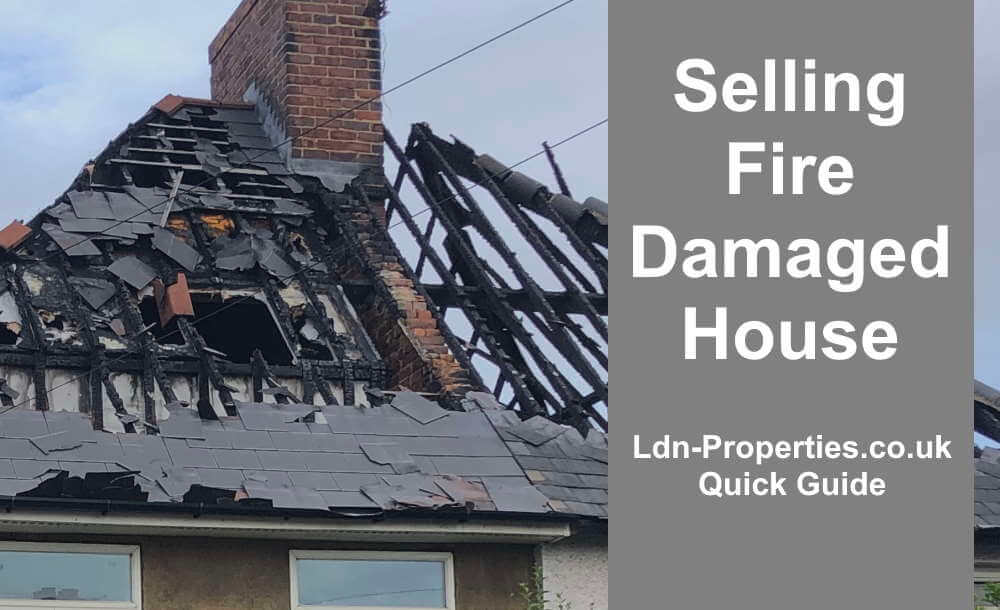
Selling a Fire Damaged House
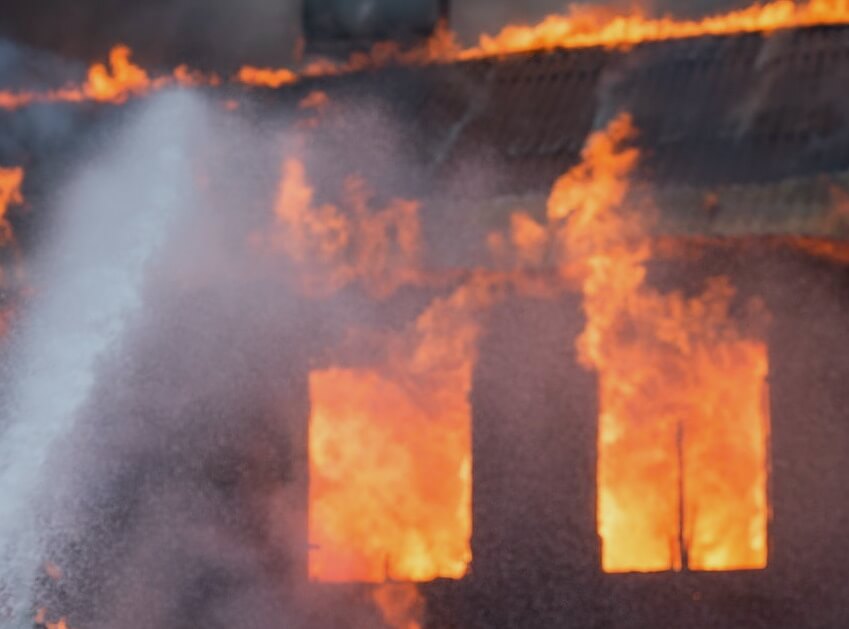
When fire breaks out at a house it can be a traumatic event for the owner no matter the scale of the incident. Regardless of whether the fire causes severe structural damage throughout the property or whether it’s isolated to small cosmetic damage in just one room, it might make the homeowner worry that it will make selling their house significantly more difficult.
Thankfully that’s not the reality and just because a house is fire damaged doesn’t mean it can’t be sold. Indeed, at LDN Properties we have years of experience in buying such properties by making quick and fair offers to homeowners looking for a speedy sale.
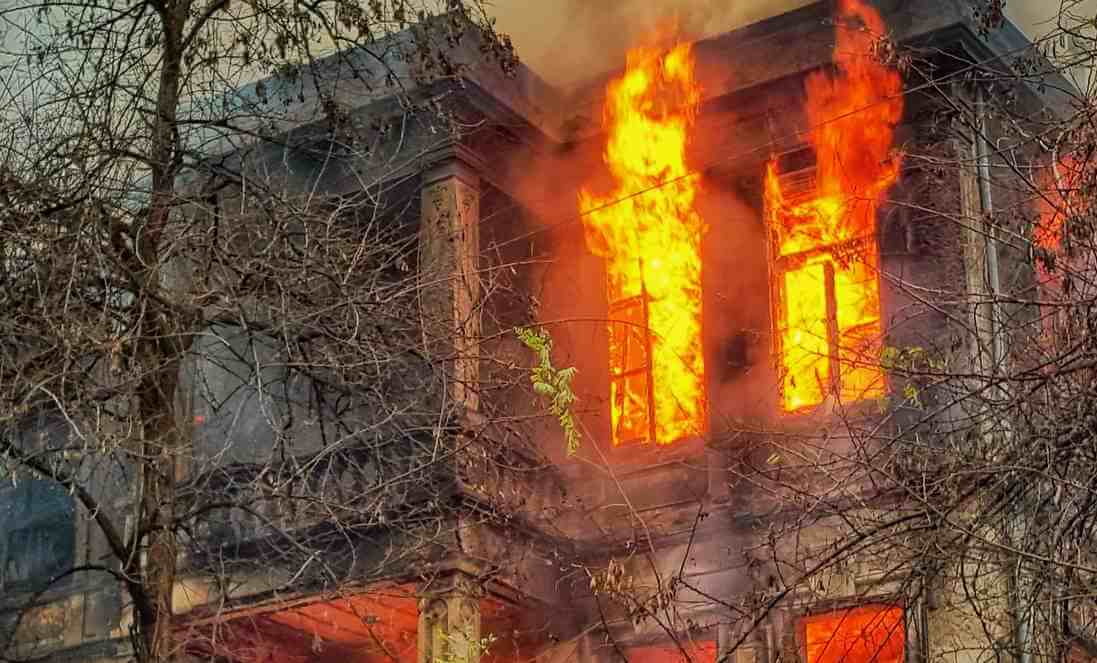
Fire damage and what it means for selling a house
Although fires can often start in the kitchen due to high heats involved in cooking, they can erupt in any room in the house for many reasons such as electrical and wiring problems.
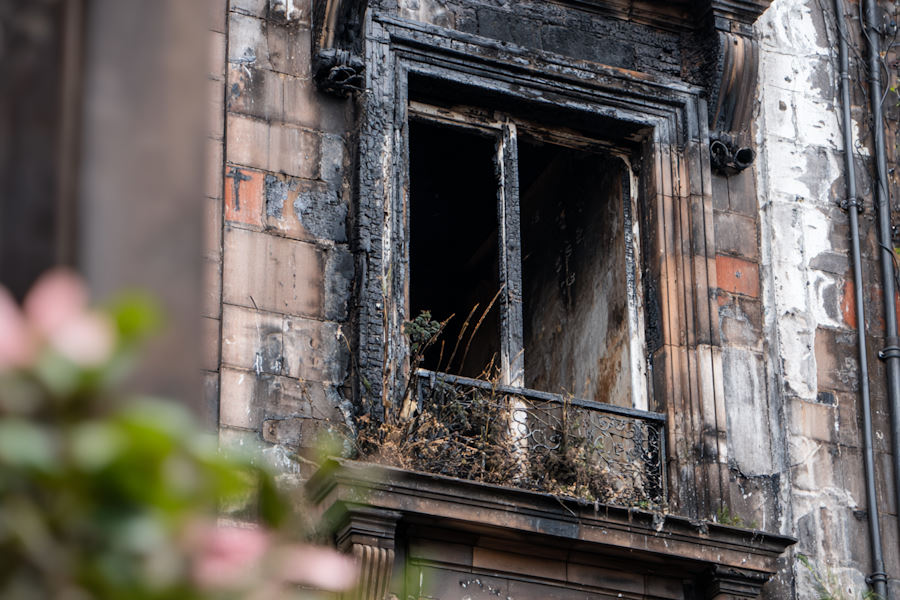
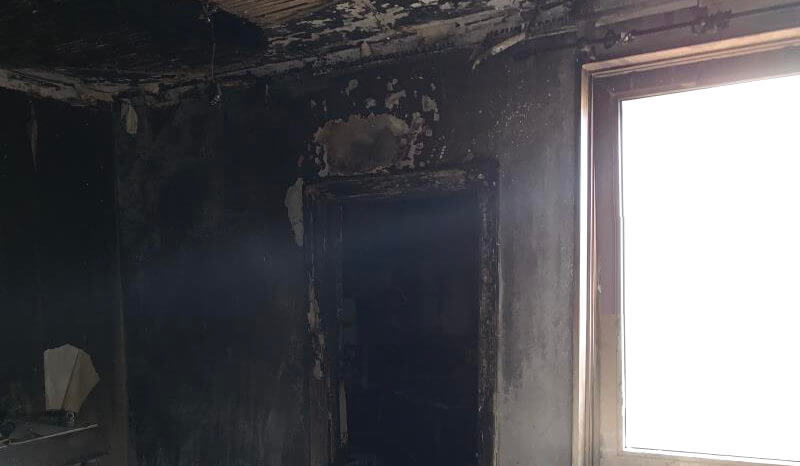
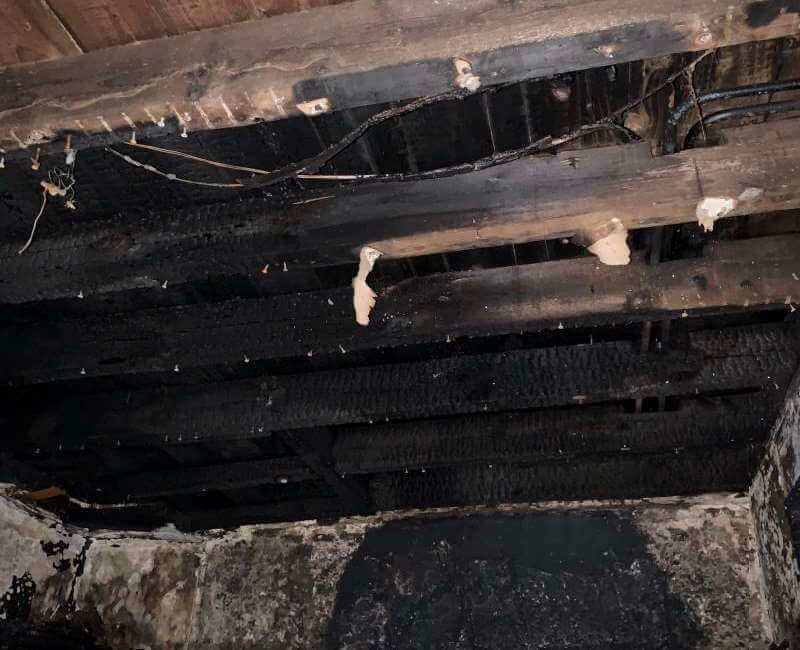
If fires are caught quickly then the damage might not that be widespread and could be mostly cosmetic – meaning the fire causes only visible surface damage such as soot deposited on walls, floors or other fixtures and fittings. This contrasts with structural damage which occurs when the fire is so severe it affects the structural integrity of the house, for example if the fire has destroyed wooden support beams or other core parts of the property.
When a house has fire damage, no matter if it’s cosmetic or structural, it means that the owner needs to accept selling at a lower price than they would get for an undamaged home.
It’s important to note that you must disclose fire damage to any prospective buyers. During the conveyancing process, which is part of selling a home, a buyer’s solicitor will ask you to fill out information forms asking many questions about the property, including any damage that it has.
You must answer these forms honestly and fully and not try to conceal the fire damage. Failing to disclose the damage could create legal problems and penalties for you in the future, if the next owner of your home would not have bought it if they had known about the problem.
Another complication that can arise with trying to sell a fire damaged house is that a buyer might find it more difficult to get a mortgage to fund the purchase, as the website Digi Extent says.
Home loan providers want to know that they will be able to resell a property in the event that a lender defaults on their monthly mortgage loan repayments. These companies might worry that the fire damage will make it hard or impossible to sell the home at a price that recoups whatever debt is left on a mortgage, and for this reason they will reject a buyer’s loan application.
But even though this will prevent some people from being able to afford buying your property, you still have solutions available for being able to sell the house or flat.
One option is to get in touch with LDN Properties, which is a quick buying company that makes competitive and fast offers to buy almost any type of leasehold or freehold home – and that includes properties with fire damage. You should be able to complete the sale of your property within a few short weeks, and as an added bonus you will not have to pay any commission. Later in this guide you can learn more about the process of selling to a quick home buyer.
Repairing fire damage versus selling a damaged house “as is”
Once you’ve decided to sell your house with fire damage, the first question you need to ask yourself is whether you want to pay for repairs before sale or sell the house “as is.”
If the damage is not too widespread then you might want to consider investing in repairing it before selling your house. Contact a professional repair company for a quote on how much you’ll have to spend to fix the damage. If the amount is within your budget then it can be a good idea to pay for the repairs, because once the damage is fixed it won’t detract from your overall sale value. However, repairing fire damage can be a time-consuming process and so if you’re looking to quickly sell your house then this might not be a viable option.
If you want a fast sale, or if the cost and time involved with repairing the fire damage is more than you can afford to spend, then the alternative is selling your house “as is” – meaning you do not make any effort to fix the damage and instead seek a buyer for the property. Should you opt for this route you will have to accept that the offer prices you will receive are going to be lower depending on the scope of the damage. The greater the extent of the fire damage to your house, the more it will detract from the overall sale value of the property.
You might be concerned that trying to place a house on the market when it has fire damage either large or small will deter almost all buyers. But that’s not the case. At LDN Properties we have many years of experience making straightforward and generous cash offers on such houses.
Auctioning a fire damaged house versus selling the property
The two most-used options for selling your fire damaged house are auction or accepting a cash offer from a buyer.
Auctioning your fire damaged home
When you put a house up for auction there are a number of pros and cons with the benefits being in terms of certainty on the date of the auction and also the ability to set a reserve price, and if the house is particularly attractive to buyers there’s the chance of competitive bidding to drive up the final offer.
The reserve price mentioned above is the lowest price at which you agree that your home can sell during the auction. If you get just one bid at the reserve price then this is considered a binding legal agreement for you to sell your home, and the person that placed the bid could sue you to force the sale through in case you try to walk away from it after the auction.
For this reason, you must calculate a reserve price that should produce a profit from the sale, even after you have paid the auctioneer their commission for the work that they do in selling your home. If you do not, then you might end up selling your property at a loss or only just breaking even by selling at a price that is close to what you originally paid for it.
Typically, an auctioneer will charge this fee at about 2.5 percent of your property’s final sale price, and this will be subtracted from the sale proceeds right away. Some auctioneers could be open to lowering their commission rate, or making the buyer pay a share of your fees, so you should ask individual auctioneers about whether these might be options.
Auctioning a home is not a speedy choice because there is a lot of waiting involved, including several weeks or even months between when you select this option and when the auction is held. If you manage to sell your home, the buyer then has an average of 28 days to sign all the legal papers and complete their other tasks required to finalise the purchase.
You could ask an auctioneer if they would be open to setting a shorter deadline than 28 days for the buyer to finish their tasks, because this is a way to potentially speed up the sale. But just note that other auctioneers may give winning bidders even more time than 28 days.
Beware that a fire damaged house may be seen as a problem home that an auctioneer has no prior experience with selling, which suggests that they could struggle to get auction attendees interested in your property. This is why you must ask auctioneers if they have ever sold a home like yours before, and opt against selling using any company without this experience.
Selling a fire damaged home to a quick buyer
The alternative is working with a buyer to secure a simple and quick offer on the house, and this is something that LDN Properties excels at. Selling your home to us ensures a fast sale and an agreeable purchase price through a simple and stress-free process.
The reason why companies like LDN Properties are known as quick buyers is that they can generally finalise the purchase of most homes within a few weeks, and this includes the time needed to exchange contracts and pay the seller the full proceeds from the sale.
They can move so rapidly because they already have the financial resources upfront to buy properties, without having to wait weeks or months to secure a mortgage to cover it. This explains why they are often the fastest way to sell almost any type of home.
And these companies are a good choice when trying to sell a “problem” like a fire damaged house, because they excel at making fair and speedy offers to buy practically any type of leasehold or freehold home regardless of any damage, and no matter its age, condition, location, shape, size or any other factors that might deter other categories of buyers.
By way of example, LDN Properties was founded in 2003 and since then it has bought and made offers for many homes throughout the UK that includes not just fire damaged houses but also properties with an absence of easement, homes located near to mobile phone telephone masts, flats with cladding, houses with a septic tank, properties that have a heat bump, homes that have Artex, flats with noisy neighbours, houses that have an improvement notice and more.
Another excellent reason to use a quick buyer is that the legitimate companies will never charge you any commission when purchasing your home, which helps reduce your expenses. That compares to selling through an auction or with an estate agent, which are two approaches that will require you pay commission that will be subtracted from the sale proceeds immediately.
Other ways to try selling a fire damaged house or flat
In addition to the options of either auctioning your home or selling to a quick buyer, there are a couple of other methods that you might want to consider for selling the property – you could enlist the help of an estate agent, or you could try selling without any third-party help.
Selling your home with an estate agent
An estate agent handles almost all of the tasks needed to sell a property, which starts with creating a listing that describes the home and includes photographs of it, advertising the listing in their office, online, and in local newspapers, followed by scheduling viewings to give people tours of your home, then hearing offers and ideally getting one to exchanging contracts.
This can be a lengthy process and you should be prepared to wait several months, or even more than a year in some cases, to get a serious offer from a buyer. And remember that someone can make an honest offer but then later cancel it, and this will collapse the sale and force you to have to begin again with seeking a buyer – adding much more time to the process. And if contracts are not yet exchanged, any buyer can rescind an offer without penalty.
Should an estate agent manage to sell your house or flat, they will charge you commission to pay for their effort in securing a buyer. This is often charged as a percentage of your property’s sale price, usually within a range from 1.15 percent to 1.40 percent. This fee will increase your overall selling expenses because it will be subtracted from the eventual sale proceeds.
If you don’t fix your fire damage before trying to sell the home, you might find that some estate agents will not have the experience and knowledge necessary to find a buyer for it in its current condition. Check with individual companies about whether are able to sell such properties, as you might find that other options such as selling to a quick buyer are less hassle.
Regardless of whether or not you fix the damage before selling, you should also be on the lookout for an estate agent trick of quoting you a very promising sale price for your home, even if they secretly know youwill only get offers at a lower price. They use this trick to get you to sell through them, so that they can benefit from the commission you’ll pay them if your home sells.
To avoid falling for this trick, you should ask multiple estate agents for a free, no-obligation quote of your property’s potential sale price. Then look on home selling websites like Rightmove or Zoopla and note down the prices of properties like yours, for example those in your area that might also have fire damage. Finally, calculate the average of all these prices, and this figure should be a more accurate rough estimate of your home’s potential sale price.
Selling your home without any assistance
Yet another way to attempt selling a property with fire damage is doing so privately, which means you would handle all the steps involved with attempting to find a buyer. You will need to make a listing, advertise it, schedule viewings, hear offers from people, and hopefully get an offer to the exchange of contracts.
If you are attempting to sell a home with fire damage that you have not repaired, bear in mind that this type of property will be even harder to get buyers interested in compared to one that doesn’t have this problem. For this reason, you should only attempt to sell on your own if you have succeeded with selling a fire damaged home in the past, or if you have a suitably qualified friend or family member that can assist with the sale without charging you anything.
Without this kind of knowledge, it might be a full year before you are able to get a serious offer. And then the person making the offer may change their mind and rescind it, which would make the sale fall apart – and they are able to escape any penalties for doing this, so long as you have not yet exchanged contracts. At this point, you would need to start over with looking for another buyer, possibly adding many more weeks or months to the selling timeline.
The only clear advantage of dealing with the stress and time involved with selling on your own is that you will not have to pay an auctioneer or an estate agent any commission once you sell the property, which will help to lower your expenses. But you could find that the costs of advertising your listing and various other steps will quickly wipe out any saving you might have made.
If you are determined not to sell via an estate agent or an auctioneer then you may want to think about selling to LDN Properties or another zero-fee quick buyer. You would achieve the same goal of not having to pay any commission, but you would also benefit from a much faster sale as the entire process should only take a few weeks before you are able to exchange contracts.
Useful resources when selling a fire damaged house
You may be eligible for financial help when your house is damaged by fire – UK Government
If you need emergency accommodation after your house is damaged by fire, you should contact the Red Cross
Should you own a flat damaged by fire, the Leasehold Advisory Service has invaluable information to share
Selling a fire damaged house: seven frequently asked questions
When homeowners contact LDN Properties about selling fire damaged houses they have many questions, but these are three of the most frequently asked:
No. You can still sell a home with fire damage regardless of how widespread the damage is, although you will usually have to accept a lower sale price if you wish to sell the house without attempting to invest in repairing the damage. LDN Properties are happy to make you a competitive offer for your house.
Maybe. The answer will depend on several factors that are you unique to you, including whether you can afford the time and money associated with repairs. If you need to make a quick sale you should consider selling the house “as is” without repairing the damage. Here at LDN Properties we can help with completing a speedy sale at an agreeable price.
It can be tempting to auction your home because it will offer you a set date for selling the property and there’s the potential for competitive bidding that can drive up the final sale price. Choosing a cash sale instead can provide you with a fair and fast offer on your home.
If you have any questions regarding selling a fire damaged house, speak with the experts at LDN Properties and we can guide you through our simple process for buying your home.
Yes, you are required by law to disclose information about the fire damage and other problems that you might have with your home, and concealing these details can result in you facing a legal challenge and fines. Depending on the scale of the damage from the fire, it might also be impossible anyway to hide this from anyone that visits your property during a viewing.
Beyond auctioning your home or getting in touch with a quick home buyer, you could also consider selling via an estate agent, and this will reduce your workload because they will handle most of the work involved with finding a buyer. Alternatively, you could attempt selling without any help, although this will require that you take care of all the steps needed to find a buyer.
Not necessarily, because you can sidestep having to pay any commission when you choose to sell to a no-fee quick buyer like LDN Properties, or when you sell without any help. But if you opt for selling your home through an auction or with an estate agent, then they will charge you commission and this will add to your costs as it will be deducted from the sale proceeds.
It depends on which method you choose for seeking a buyer, because it can take more than a full year to sell any type of home when you use an estate agent or if you attempt to sell without any assistance, whereas selling at an auction can take at least a few months. Selling to a quick buyer is often the swiftest selection because it will only take a handful of weeks to complete.
LDN Properties can make you an offer on fire damaged houses
Just because your property has fire damage does not make it impossible to sell. Here at LDN Properties we have years of expensive making quick cash offers for such houses.