Quick navigation
Owning brownfield land can be a great investment if you are able to sell the property to a developer that wants to turn the former industrial site into new houses, flats or other types of homes. But there are some important steps to learn about before selling your brownfield land, and this guide explains what is involved and how to get a competitive and fast offer.
- What is brownfield land?
- What are brownfield registers?
- The benefits of selling brownfield land
- Problems with finding a buyer for brownfield land
- Options for selling your brownfield land
- Frequently asked questions about selling brownfield land
What is brownfield land?
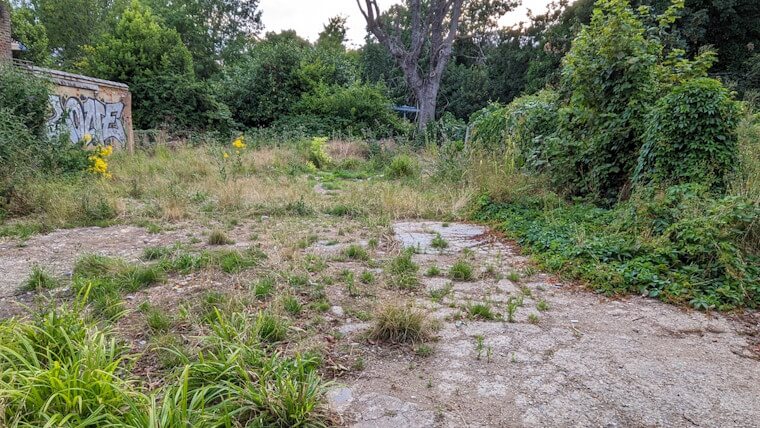
Brownfield land is any type of site in the UK that was previously the location of an industrial property, such as a factory or an industrial estate, but the land is now vacant and suitable for development.
They are typically located in or near urban areas because of their prior use for industrial purposes. This can make them very attractive to property developers who are able to purchase the land and then redevelop it to build houses, flats and other types of homes.
The UK government’s website has several pages dedicated to brownfields, and one of them defines the land as any "land is or was occupied by a permanent structure, including the curtilage of the developed land (although it should not be assumed that the whole of the curtilage should be developed) and any associated fixed surface infrastructure. "
Several types of land are excluded from the government’s definition of brownfield, and this includes any land previously or currently use for farming or forestry, land developed for the purpose of extracting minerals or disposing of waste, land where the remains of the previous industrial property have blended in to the landscape, and land in built-up locations, which includes recreational grounds, parks, residential gardens and also allotments.
By contrast, greenfield sites are those undeveloped plots of land such as parks, agricultural land and other naturally green sites. The government, local residents and others aim to promote redevelopment of unused brownfield sites over greenfield land, because building on the latter risks disrupting the countryside, parkland and other natural environments.
Brownfield sites have already been developed and have had properties built on them, which makes them much more suitable and easier to use for building houses and flats.
Should you be the owner of brownfield land, this guide explains the pros and cons of trying to find a buyer for such property, as well as tips on the best way to get a fast and fair price.
What are brownfield registers?
Starting in 2017, the government introduced what are known as brownfield registers, which provide consistently updated information on brownfield sites that are suitable for redevelopment, such as a former industrial site where new homes could be built. The register must be made available to the public, and this is how property developers can track all available sites.
Local authorities can consider a number of factors in determining whether a site should be added to a brownfield register, such as the heritage of the land, along with the value of the site’s amenity and environment, as the countryside charity CPRE notes on its website.
All viable brownfield land must be included on the register, whether or not there is already approved planning permission for the site. The government’s requirements make clear that any type of adjacent greenfield land is not suitable for inclusion on a brownfield register.
If there is a site whose boundaries cross over two local authorities then they have the option of working together on adding the land to a brownfield register for redevelopment.
As recently as December 2022, The Guardian noted that brownfield registers have identified a record high total of potential sites for redevelopment with a total capacity for building up to 1.2 million homes that are currently dormant, covering 27,342 hectares or 67,563 acres of total land.
The story also notes that planning permission at that time had only been approved for just under half, or 45 percent, or the sites, whilst 550,000 planned properties have such permission.

The benefits of selling brownfield land
When you are attempting to sell your brownfield land, you will find that there are a number of benefits that some buyers will associate with such property. Knowing the pros of brownfield land is vital so that you can promote these to potential buyers when trying to sell it.
Planning permission: One way to greatly increase your prospects for selling brownfield land is to obtain planning permissions for building new homes on it before you attempt to sell the site. This will likely make the land much more attractive to property developers, because they will know that they’re not going to have to endure the slow and costly process of buying your land and then having to formally apply for planning permission to construct new homes.
Great location: If you’re trying to sell your brownfield land to a builder, they are more likely to be interested in purchasing the site if it has an enviable location. High-demand areas for building homes include city centres and nearby, and this type of land may attract more interest from buyers.
Existing infrastructure: Because brownfield sites have previously been used for industrial property development, they may have great and necessary infrastructure such as electricity or drainage systems. This can be very enticing to developers because they can connect new homes to this infrastructure, which can help them with keeping their costs lower.
Government funding: The UK government provides millions of pounds in funding to help local authorities get brownfield sites available for residential property development, which can assist with speeding up the process. Whilst the money only applies to local authorities and not developers, it could nevertheless be an important boost to getting your brownfield land ready for a builder and make them more likely to make a fair offer for purchasing the site.
Problems with finding a buyer for brownfield land
Just as there are several benefits of selling a brownfield site that will make it more attractive to potential buyers, you’ll find that there are also some potential hurdles involved. Understanding the possible concerns that buyers might have is important so that you can be prepared to answer any questions or fears they may raise about the land before making an offer.
Contamination concerns: Your brownfield land could be contaminated by pollutants from whatever industrial purpose it was previously used for, such as petrochemicals that might have seeped into the ground when land was used for a petrol station. The health concerns and high costs of cleaning up such contamination could be enough to make many buyers lose any interest.
Planning permission: Although the previous section of this guide identifies having planning permission as a top draw for buyers looking for brownfield land, the opposite is also true in that they will likely be less interested if the land is not already approved for planning permissions. That’s because it can be an expensive and time-consuming process, and some developers might prefer to buy land that is already ready for immediately building new homes.
Complex development: Even if your brownfield land has planning permission, some potential buyers might be wary about purchasing the site if they fear that redeveloping it for building new houses or flats will be too logistically complex. Whether or not this disadvantage applies to your site will depend on how it was previously used and what is left behind on the site.
Bad location: Although many brownfield sites are located in popular urban areas that are very attractive to builders, they might still be reluctant to make an offer to buy your land if it has an unenviable location, such as a site with limited road connections. Redeveloping the site will require many vehicles coming to and from the site, and new homes will also bring many cars to the location, so brownfield land with a bad location could be more challenging to sell.
Options for selling your brownfield land
When it’s time to sell your brownfield land, you will need to consider which method you would like to use for finding a buyer. Generally your choices are between selling to a quick property buyer, selling with an estate agent, selling on your own or selling at a property auction.
Selling to a quick property buyer
Selling with an estate agent
You won’t have much effort to put in when trying to sell your brownfield site through an estate agent, because they will handle most of the important tasks. In this specific respect, that can make selling this way a less stressful option compared to selling without any help.
Their work includes creating a listing for your land, which will feature photographs of it and describe the site, and then they will advertise this online, in their office and in local newspapers. Estate agents will also schedule and typically lead viewings for people to see the land, and they will hear offers from buyers, hopefully taking one of them to the exchange of contracts.
You might be waiting a very long time to sell brownfield land this way, and you should not be surprised if it takes more than an entire year before you are able to get a serious offer.
Remember also that some buyers could withdraw their offer right up until before contracts are exchanged, and they cannot be penalised for this. Should this unfortunate outcome occur, you will have to start over with trying to find a buyer, delaying the timeline even further.
Because some brownfield sites might involve very complex logistical issues for redeveloping, they can sometimes be difficult to sell, as the Homebuilding & Renovating website explains. If you use an estate agent that has zero experience with selling brownfield land, they might not know how to attract interest in your site, which could make the process even slower. Always check if an estate agent has managed to sell a brownfield site in the past, and avoid those companies that have not.
Another disadvantage of selling through an estate agent is that you will have to pay them commission, and this is generally charged based on whatever price you’re able to get for the brownfield site. This fee will be deducted immediately from the sale proceeds, which will increase your overall costs with selling.
Selling on your own
A third option for selling your brownfield land is doing so without any assistance, which means you will be responsible for every step, starting with the creation of a listing, marketing it, organising viewings for prospective buyers and fielding any serious offers you receive.
This is a huge amount of work and will take up a lot of your time, and it can be very stressful. That is why selling on your own is only typically suggested for those brownfield land owners who have prior experience with selling such property, or who might have a suitably qualified friend or family member who might be willing to help them sell the property without charging a fee.
You could be waiting a long time to sell brownfield land this way, and you should be prepared to wait at least an entire year before obtaining a genuine offer from a buyer. And remember that the buyer could also withdraw their offer without facing any penalties up until just before contracts are exchanged. If that happens, it will add further delay to the selling process because you will have to start over with the process of trying to find a buyer for the brownfield site.
The one obvious advantage of selling this way is that you won’t have to pay an auctioneer or estate agent any fees, but this saving could be wiped out by the money that you will have to spend on advertising the brownfield land, which will add to your overall selling expenses.
Instead, consider selling your brownfield site to a no-fee quick property buying company like LDN Properties. Not only will they not charge you any commission, but they can complete the purchase of most properties within a handful of weeks, and that covers the time taken to exchange contracts and pay owners the sale proceeds. It’s a stress-free way to avoid having to pay any fees but getting a sale on a much speedier timeline compared to selling alone.
Selling at a property auction
A fourth option for selling your brownfield site is doing so at a property auction, where people will have the change to place bids of ever-increasing price on your land. The highest value bid at the time the auction ends is deemed the winner and new owner of the property, and they can sue you to enforce the sale in the event that you try to prevent it from being completed.
That’s why it’s crucial to choose a reserve price, which is the lowest value at which you agree the land can sell, which should still produce some profit, even after the auctioneer has taken their commission out of the final sale proceeds. Typically, auctioneers will charge you commission based on whatever sale price you get for the land, but some auction houses might have lower or higher rates of commission, so you should always inquire to find out their fees.
Some auctioneers could be willing to charge you a lower rate of commission, or at least require that the winning high bidder pays some of your fees, so ask whether this is possible.
This isn’t the speediest option for selling brownfield land, because there will be a wait of many weeks or even months between the day on which you decide to sell the property and the day on which the auction is held. Even if the brownfield site sell at the auction, the buyer then will likely have 28 days to sign their mandatory documents and complete their other required steps.
You could ask individual auction houses whether they might be willing to negotiate a shorter deadline for the buyer to complete their tasks. But just be aware that some auctioneers may give the buyer even more time than 28 days, making for an even slower overall sale.
Finally, you might be asked to choose between the modern or traditional method of functioning your brownfield land, and which approach to use will depend on your preference.
With the modern method, your listing will be active for a set number of weeks or months and people can place bids on it 24 hours a day, seven days a week, until the auction ends, at which time the top bid will be deemed the winner and new owner. With the traditional method, your listing will be advertised for several weeks or months and then the auction will take place on a set day and time when people can place their bids, with the highest bid at the time the auctioneer bangs their gavel being deemed the auction winner and the land’s new owner.
Top queries and answers about selling brownfield land
If you are thinking of selling your land or property quickly, you may have some questions to be answered, ranging from the type of land we can buy through to the areas of the country. Here are some of the main questions we’re asked about selling brownfield land: