Quick navigation
You might find that it is more difficult to generate interest buyers in a dilapidated property compared to a home that does not have structural damage or other signs of disrepair. But securing a competitive and rapid offer for this type of house or flat is not impossible, and this guide explains how to go about overcoming the hurdles you may face selling your home.
- When is a property considered to be dilapidated?
- Buyers might be unable to get a mortgage for your dilapidated house
- Additional challenges with selling a dilapidated home
- Should you repair your dilapidated property before selling it?
- Four ways that you can try to sell a dilapidated house
- Selling a dilapidated property: frequently asked questions
When is a property considered to be dilapidated?
Selling a dilapidated freehold or leasehold house can sometimes be a challenge but legally there is nothing preventing you selling, albeit it may be more difficult.
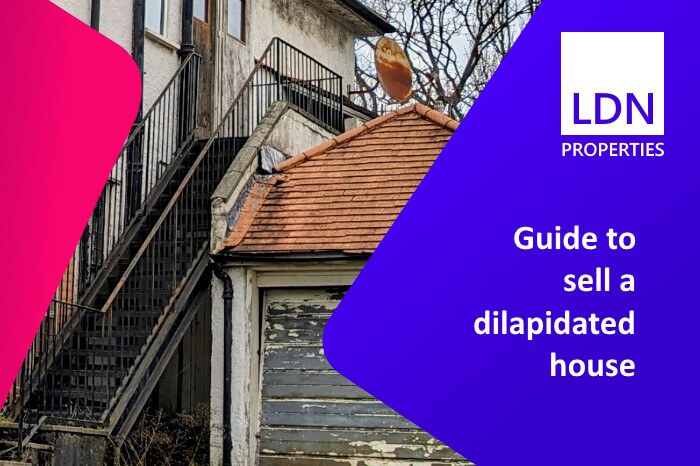
A dilapidated property is generally one that has fallen into disrepair that can possibly make living in the home unsafe for anyone. If your house or flat has been deemed to be dilapidated then it means it has suffered some damage to its exterior, the overall physical structure, the fittings and fixtures inside or some combination of all of these, as the property management company RFM says.
There are a few reasons for why you could be trying to sell a dilapidated property, for example you might have purchased the home many years ago and due to financial difficulties you were unable to maintain it, and it has started to fall into various stages of disrepair. Or you might have inherited a dilapidated house from a relative and you are eager to sell it.
No matter the explanation for why you want to find a buyer for this type of property, you could experience additional challenges with selling a dilapidated house compared to another home.
As you’ll see in the following sections of this guide, potential buyers might be wary about the future structural risks and construction costs involved with owning this type of house or flat. Or they might not even be able to get a mortgage to afford buying it in the first place.
But it’s not all bad news because the guide also provides important information about your four main options for getting buyers interested in your dilapidated home. And some of the choices could still result in a speedy sale at a competitive price, for example if you contact a reputable and zero-commission quick home buying company such as LDN Properties.
Buyers might be unable to get a mortgage for your dilapidated house
One major problem that you might encounter when trying to sell a property is considered dilapidated is that buyers may not be able to get approved for a mortgage for your home. And if they were relying on that loan to afford buying the property, the sale will not happen.
If a property is dilapidated, this designation can add to the existing challenges that What Mortgage says some buyers are already facing with being able to get approved for a loan that they need in order to purchase a home in the UK.
The reason why mortgage providers will be wary about approving a loan for a dilapidated property is because they’ll worry it won’t be possible to resell it at a profit if needed later on.
When someone takes out a mortgage, they agree to repay the loan to the lender through monthly instalments with interest. If the borrower defaults on these repayments then one option the lender has is to repossess the property and then try selling it, taking the proceeds to pay down whatever outstanding amount the borrower still owed on the mortgage.
But because dilapidated homes can be harder to sell than conventional properties, this could be enough to make some mortgage providers believe that it won’t be easy to sell the home and recoup their costs that way if needed, and this can lead them to reject a loan application.
Additional challenges with selling a dilapidated home
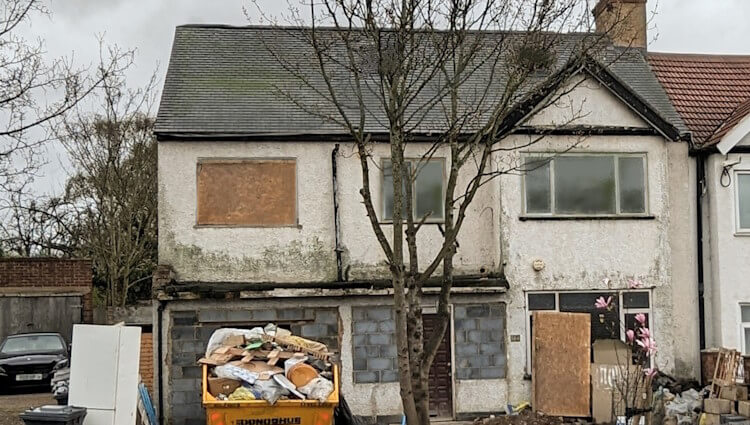
Beyond the potential hurdle of buyers not being able to get approval for a mortgage to purchase your dilapidated home, there are other reasons why this type of property may be hard to sell.
Cost concerns: Should you choose to sell the house or flat in its current condition without making an repairs to it, buyers will naturally assess the amount of money that they expect it might cost them to fix the home as the next owner. Many people will have a strict budget for buying a property and they could consider these repair costs as being too much for them.
Safety risks: Even if you repair the damage at your dilapidated home before selling it, or if the next owner plans on fixing the property, the buyer could still worry that whatever problem existed with the home that led to it being deemed dilapidated could easily return. That may be enough to cause someone that is otherwise interested to no longer want to make an offer.
Local stigma: This is perhaps less of a factor than either the costs concerns or the safety risks that buyers might associate with your home, but some potential owners might worry about facing stigma from their neighbours for living in a property that was dilapidated – even if repairs bring it up to current standards. And that could be a dealbreaker for them with your home.
If you find that your dilapidated home is struggling to sell for one of the reasons outlined above, don’t despair that it will always be impossible for you to find a buyer for it.
Solutions do exist, including contacting LDN Properties or a similar legitimate quick home buying company that can make a speedy and competitive offer to purchase your house, even if it is dilapidated. And the timeline for selling this way could be only a few short weeks, with no commission to pay.
Later in this guide you’ll see more details about how to sell to a quick buyer, along with other options, once you’ve first made a decision about whether to try to repair your property.
Should you repair your dilapidated property before selling it?
Dilapidated properties are not necessarily impossible to rescue and restore to a habitable, safe state if the owner is prepared to invest the necessary time, money and effort.
Indeed, a home that is considered dilapidated might be viewed by some prospective buyers as easier to repair than a derelict house, where demolishing it and rebuilding may be the better option because of the widespread damage to the property. So, when you are getting ready to sell your dilapidated flat or house, you should think about whether you want to try fixing it before seeking a buyer.
If you try to sell the home “as is” in its current dilapidated state then you need to be aware that buyers will generally have an unfavourable view of the home, for the reasons explained earlier in this guide. This means they are likely to reduce the offers that that make for the property.
Spending funds, effort and potentially weeks or months on repair work would eliminate this outcome because it would improve the home and bring it up to current standards, making it safe and habitable, and therefore hopefully attracting much better offers from potential buyers that would ideally lead to a greater profit from the sale of the home, as Bowfin explains.
But there are many owners of dilapidated properties that simply won’t have the resources or interest available to launch what could be lengthy, costly and stressful repair works first.
If this applies to your selling situation then the good news is that you can still attract a quick and competitive offer for your home, for example if you contact a fast buyer like LDN Properties. These companies can purchase practically any type of property, included those in disrepair, and it should only take a handful weeks to complete the sale. Remember also that when you sell to a quick buyer, you won’t have to pay any commission, which helps lower your expenses.
Four ways that you can try to sell a dilapidated house
When you are at the stage of looking for buyers for your dilapidated home, there are four ways to go about this. You could sell to LDN Properties or another quick buyer, you could try your luck with a property auction, you can sell via an estate agent or you could sell on your own.
There are clear benefits linked with some of these methods, for example you will not have to pay any commission if you opt for selling your property to a zero-fee quick buyer. And there are obvious disadvantages associated with a few of the other choices, like the risk of selling without any assistance sometimes taking more than an entire year before you secure a buyer.
Your best approach for deciding is to review the details of the four selections below and then compare and contrast them against your specific aims with selling, such as your ideal selling price, the length of time you can wait to find a buyer, and whether you want to pay any commission on the sale, as this should help identify the best choice for your needs.
Selling to a quick buyer
A quick buyer is a company such as LDN Properties that has the funds available to purchase your dilapidated house or flat right away, with no waiting to first get approved for a mortgage that would cover the transaction. This cuts the timeline for selling this way down to a few short weeks and that includes the final steps of exchanging contracts and paying you the proceeds, so if you are looking for the speediest choice to sell your home then this is typically it.
Quick buyers are also experts are making fair offers to purchase almost any home regardless of its age, condition, location, shape, size or type – and that covers dilapidated properties that might be harder to get decent offers for when selling through some of the other methods.
Throughout the UK, LDN Properties has bought not just dilapidated homes but also houses in a conservation area, properties at a junction, eco homes, flats with planning permission, houses with a thatched roof, properties with old electrics or wiring, homes that are located on a private road, flats with a short lease, uninsurable houses, properties that have a restrictive covenant, smoker’s homes, flats with high service charges, houses with spray foam insulation and many other situations.
Yet another advantage of selling your property to a quick buyer is that the legitimate companies will never charge you any commission, which helps with reducing your total costs. This outcome compares well to the fees that you would need to pay when selling via an auctioneer or an estate agent, as those are deducted from the sale proceeds, adding to your expenses.
If you have any doubts about selling to a quick buyer, ask them if they can prove they belong to The Property Ombudsman (TPO). This organization writes rules to protect owners against fraud in the quick buying industry, and all true TPO members like LDN Properties must adhere to these regulations, giving you extra peace of mind when selling. Never sell your dilapidated property to a company that cannot prove it is not a TPO member, as this may be a scam.
As well as asking companies to prove their TPO registration status, you can also visit the organization’s website and click on “Find a Member” and type in the name of an individual company – if they are genuinely a TPO member then you will next be shown their membership details but if you do not get any results then the quick buyer is not part of the organization.
Selling at a property auction
Auctions are an uncertain way to sell your dilapidated home because you do not know if your home will sell. If it receives zero bids then it remains unsold and you will have to begin again with trying to find a buyer, which could add many months to your selling schedule.
When you sell using this method an auctioneer will put together a listing that describes your home and includes photographs of the exterior and interior, and then they advertise this for weeks or more to get people interested in your home before the auction. They will also host the eventual auction and, if your home sells, they oversee the final stages to complete it.
This can be a slow process to sell because there’s usually a waiting period of many weeks or months between when you decide to auction and when it takes place. And then if the property does sell the buyer has about 28 days to sign all the required legal documents and complete the other steps needed in order to finalize the purchase, adding even more waiting time.
Note also that the auctioneer will charge you commission if they are able to sell your home, and this is usually at a rate of 2.5 percent of a property’s eventual sale price. This will increase your costs because the fee will be deducted immediately from the auction sale proceeds.
There are some auctioneers that might be open to either reducing the amount of time that they give the buyer to complete their required tasks after a successful auction, or to lower the rate of commission that they will charge you, or both, so it’s worth asking about these possibilities as they might assist with getting a reduced-cost and faster sale than you would otherwise have.
Selling via an estate agent
Like an auctioneer, an estate agent will create a listing for your dilapidated property and then advertise this online, in local newspapers and in their office. They will also plan viewings where potentially dozens of people that are interested in your home get a chance to tour it, and they will hear offers from buyers, with the aim of taking one to the exchange of contracts.
But this can be a relatively slow process and it can take more than a full year to sell a house or flat through an estate agent. If your top priority with the sale of your property is doing so as fast as feasible then you should review other options, such as selling to a quick buyer like LDN Properties because that process typically only takes a few weeks from beginning to end.
With an estate agent someone can make an offer but then cancel it, which would make the sale fall apart, adding to your overall stress with selling. This would also require you to start over with trying to find a buyer, adding weeks or months to the total selling schedule. And if contracts had not yet been exchanged, the person that cancelled the offer cannot be subject to any penalties.
Selling with an estate agent will also require that you pay them commission if they are able to find a buyer for your home and exchange contracts. The average range of commission that an estate agent charges is between 1.15 percent and 1.40 percent of a property’s final sale price. And this fee will add to your expenses because it is taken out of the eventual sale proceeds.
Should you want to avoid having to pay any fees when selling your property, consider instead selling to a no-commission quick home buying company instead of an estate agent.
Selling on your own
When you sell a dilapidated home on your own, this means that you handle every task required that would otherwise be covered by a third party such as an estate agent or auctioneer. This can make the process of trying to sell without any help both time-consuming and stressful.
Some of the initial tasks that you will need to do when selling without any assistance include preparing a listing for the property and then advertising it, as Citizens Advice notes. You will also need to organize viewings and give people tours of your home, and hear any offers.
It can take over a year before you get an honest offer when selling a property on your own. And even if someone makes a true offer, they may later change their mind and rescind it, which they can do without penalty so long as contracts have not yet been exchanged. Should this occur, you would need to start over with seeking a buyer, delaying the selling timeline even longer.
For these reasons, it is suggested that you should not attempt to sell a home on your own unless you have experience with selling a dilapidated property, or if you have a suitably skilled family member or friend that might be willing to help you sell without charging any fees.
One of the only clear advantages of selling without any third-party assistance is that you will not have to pay any commission to an auctioneer or estate agent, which reduces your costs. But this saving may be cancelled out by the funds that you will need to spend on advertising your property’s listing and various other expenses that you might face with selling this way.
Selling a dilapidated property: frequently asked questions
Founded in 2003, LDN Properties has experience with buying and making offers for dilapidated homes. Here are our answers to some of the typical queries we get about selling this type of property.