Quick navigation
If you’re the owner of a duplex flat and are hoping to sell it soon, this guide offers important details on the advantages and disadvantages with which prospective buyers might view your property. It also outlines some important steps that you can take to improve your prospects of receiving a competitive offer from a buyer and completing the sale as fast as feasible.
- What type of property is a duplex flat?
- Differences between duplex flats and other flats
- Factors that can help sell your duplex flat
- Reasons why buyers may not want a duplex flat
- Four methods to sell your duplex flat
- Top questions and answers about selling a duplex flat
What type of property is a duplex flat?
Before attempting to find a buyer for any type of leasehold or freehold property, it’s vital that you know exactly what type of home you own – and that includes duplex flats.
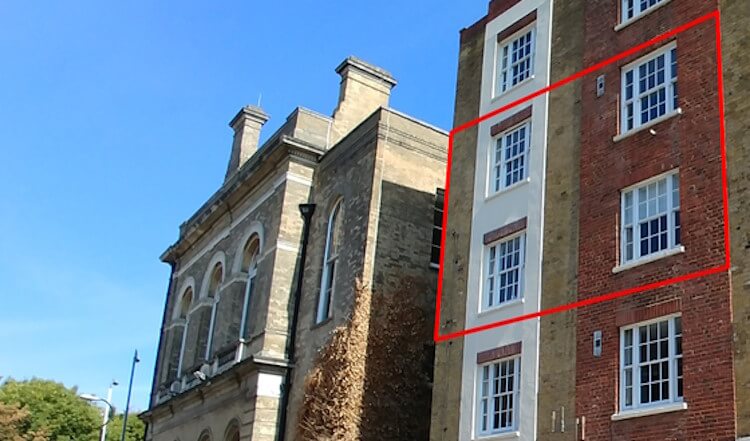
A duplex flat is any flat that spans two connected floors, typically with one kitchen and one dining room, as the website Housing.com says. The exact floor plan of a duplex flat will defer between properties.
The most common type of duplex flat is one in a building shared by another two-storey flat, and these units share a staircase or lift but otherwise are separate properties. But there are many variations of what exactly can count as a duplex flat, so the simplest way to know whether or not you own one of these homes is if the property is a contained two-story flat.
These homes are usually leasehold, which means that you are the legal owner of the flat for a certain number of years that will be specified in a lease agreement that you sign with the freeholder, who is the outright legal owner of the building and land where your flat is located. You will also pay the freeholder an annual ground rent as detailed in the lease agreement.
The next section of this guide expands on the important elements of a duplex flat and how they differ from similar properties, including maisonettes, penthouse flats and more.
If you are preparing to sell your duplex flat, whether it’s a new build or not, then this guide also provides crucial information on the pros and cons that buyers might associate with your property. It also offers some tips on ways to boost your odds of a buyer making a quick and fair offer.
Differences between duplex flats and other flats
Although a duplex flat can refer to a building that has a pair of two-storey flats that share a staircase, there are other scenarios that can qualify for this definition. And that’s why you should also take some time to know how duplex flats aren’t the same as other flat categories.
To further assist you in knowing whether the property you’re trying to sell is a duplex flat, there are some important differences these homes have to other types of flats.
Conventional flats: When selling a flat, a conventional property would be one that covers just one floor, whether or not that home has a separate kitchen or not. Here the crucial difference is that a duplex flat spans across two floors of a building, and you may find that your home is more attractive to someone that wants a flat that comes with as much space as possible.
Penthouse flats: This type of flat is typically on the top floor of a block of flats, and that’s the main designation, not how many floors it might have. Indeed, there are many examples of penthouse flats that only cover a single floor of a building – albeit often the entire span of the floor.
Maisonettes: Although a maisonette can appear somewhat similar to a duplex flat, there are still some crucial differences that will affect how much a buyer might be interested in the property. Maisonettes more often than not cover one storey of a building compared to two, and they will often have their own private entrance rather than sharing it with other flat owners.
Factors that can help sell your duplex flat
If you are looking to sell your duplex flat and move to a new home, then there are several attributes of your property that could make it more attractive to someone who is looking to buy a flat.
It’s helpful to understand these various factors because you can then focus on promoting these beneficial aspects to potential buyers. And some of the pros linked to owning a duplex flat might even override any concerns that a buyer may have, as noted in this guide’s next section.
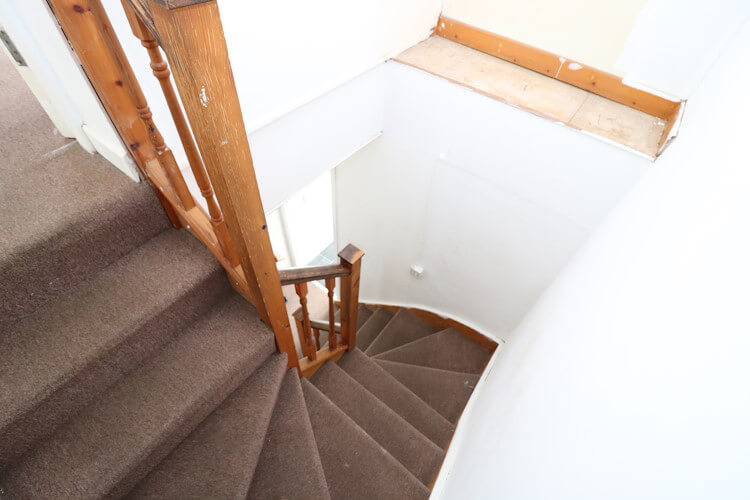
More flexibility: Compared to a single-floor flat, a duplex flat gives the owner much more flexibility in how they design the layout of the property. For example, if someone works entirely from home then a duplex would offer the possibility of creating an office space on one floor, keeping this entirely separate from the bedroom and other living spaces on the other floor. This type of flexibility could be one of the main reasons why a buyer may want your duplex flat.
Additional space: If a buyer is looking to own a flat and places a priority on having as much space as possible, a duplex by its design will be more attractive to them compared to a single-floor flat – a benefit noted on letting agency GCM Management’s website. Promoting the additional space in your home can be a great way to get buyers interested.
Resale value: Some prospective buyers may assess whether or not to make an offer on your home based on the viability of reselling it at a profit in the future. The good news for your efforts to sell a duplex flat is that these are often seen as desirable properties for the additional space and other benefits detailed in this section and more. That could make a buyer confident that owning your flat would be a great investment for selling at a higher price later.
Reasons why buyers may not want a duplex flat
Whilst there are several elements of your duplex flat that might help to attract buyers, you should also know that this type of property can be seen as having some cons.
Having a grasp of these potential drawbacks is important as you attempt to find a buyer, because it can help you to better prepare to answer any questions or concerns that you might get from someone who is thinking about making an offer on the flat – for example by reassuring them that noise from neighbours will not harm their quality of life as the next owner.
Utility costs: You will find that some potential buyers are looking for a flat with a strict budget in mind, and their goal is owning a property that will help them to keep costs low in the future. If someone is searching for a flat to buy in this scenario, they could ultimately see a duplex as being less attractive than a single-floor, smaller flat because a duplex by its definition is larger and therefore could result in higher electricity bills and other increased utility charges.
Shared spaces: If your duplex flat is one of several within a building, such as a block of flats, then it’s possible that the property has some shared common areas, for example a yard. Even though having access to this type of green space might be seen as a welcome aspect of any type of flat, you could nevertheless encounter a group of buyers that view this as a dealbreaker because they want to enjoy the outside space, but they don’t want to have to share it.
Neighbour’s noise: Because duplex flats will be in a building that typically has at least one other flat, the property will share common walls with neighbours – and they could be very noisy, meaning you can hear them in your own home. As the website 99 acres explains, his potential for noise from neighbours can be a major drawback in the eyes of buyers.
Four methods to sell your duplex flat
The four conventional ways to sell a duplex flat are contacting a quick property buyer, trying your luck with a property auction, selling without any third-party help or using the services of an estate agent. There are advantages and disadvantages with each of these methods, and the right choice for the sale of your property will depend on your unique needs.
By way of example, if you are looking for the speediest sale possible then you may want to avoid using an estate agent or selling on your own, as these approaches could take more than a full year to complete. Instead, you could consider selling to a quick buyer like LDN Properties because the entire timeline will only be a few weeks, and that includes exchanging contracts.
Write down your main priorities with the sale of your home, including your goal selling price, whether you are open to paying commission and how fast you’d like to find a buyer. Then look at the specifics of the four selling choices below and compare this information against your top aims, and this should help you with identifying which method is your best match.
Selling to a quick property buyer
Quick buyers have the money available to purchase your duplex flat right away, with no waiting many weeks or months to initially get approval for a mortgage to fund the transaction. This means they can complete the process of buying your home in a handful of weeks, and that includes the final stages of exchanging contracts and paying you the full proceeds.
These companies, such as LDN Properties, also never charge homeowners commission when buying their homes, which will assist you in further reducing your expenses – particularly when compared to the fees you’d have to pay if you use an auction or estate agent.
And quick buyers are also renowned for making fast and fair offers to purchase all types of properties no matter their age, condition, location, shape or size. Even if your duplex flat has a major structural flaw like dry rot or anything else, you will still receive a competitive offer.
For example, LDN Properties launched 15+ years ago and since then it has purchased and made offers for many duplex flats throughout the UK, in addition to unique or unusual properties, flats with cladding, homes that have Japanese knotweed in the garden, houses that have mortgage arrears, properties with a regulated tenancy, million pound homes, vandalised flats, investment properties, Laing Easiform houses, prefab homes, flats that have squatters, houses with an infestation, properties that don’t have a bathroom or kitchen, inherited retirement homes, and many other property situations.
Overall, selling to a quick buyer can be an excellent option for not only avoiding fees entirely but also getting a rapid sale through a streamlined, no-hassle and stress-free process.
Selling at a property auction
When you sell at an auction, you will be asked to choose a reserve price, and this is the lowest price at which you agree your property can sell. Ensure that you pick a price that should generate a profit from the sale, even after you have paid the auctioneer their fees.
Note that if you get just a single bid at the reserve price that this is considered a legally binding agreement that you have sold your home to the bidder. They could sue you to enforce the sale of the property in the event that you attempt to walk away from it after the auction. That’s why choosing a reserve price that produces a profit is such an important step to take, and you want to avoid the risk of either breaking even on the sale or, even worse, selling at a loss.
The auctioneers’ fee covers their work in creating and advertising a listing that describes your flat and includes photographs of it, hosting the auction and overseeing a successful sale by ensuring that both the buyer and seller comply with the final steps needed to finalise it.
If your home manages to sell this way, the auctioneer will charge commission that will be subtracted straight away from the final sale proceeds. This fee is usually charged at 2.5 percent of the property’s final sale price, but it could be higher or lower depending on the auctioneer. You could try to ask for a lower rate or if the auctioneer might be willing to make the winning bidder pay some of your expenses, because these are options for lowering your expenses.
This isn’t the quickest choice for selling a duplex flat because there are a few long waiting periods involved. You will have a delay of many weeks or more after you opt to sell this way and before the auction happens. And then if the property manages to sell, the buyer has an average of 28 days to sign their mandatory legal papers and finish their other required tasks.
You could try to negotiate a shorter deadline with the auctioneer for the buyer to complete their necessary actions, but also beware that some auctioneers will allow even more than 28 days.
Also, if your property fails to attract any bids at the auction then it is considered unsold. This will inevitably prolong your selling schedule because you would then have to start anew with searching for a buyer, possibly adding many weeks, months or more to the timeline.
Selling without any assistance
Selling this way means you’ll have to tackle all the work involved with finding a buyer for your duplex flat, including making an advertising a listing, organising viewings and hearing offers. It’s a hugely stressful amount of work and it could take up a significant amount of your time.
The only obvious benefit of selling this way is that you will avoid having to pay commission to an auctioneer or estate agent. But this cost saving could be wiped out by the funds that you will need to spend on marketing your listing and the other work required for finding a buyer.
It could also take more than a full year to sell your duplex flat, unless you have prior experience with selling this type of home or you have a qualified friend or family member who is willing to help you out with the selling process without charging you anything for it.
A major risk with selling this way is that a buyer could make a genuine offer but then later rescind it, making the sale fall apart. If contracts have not yet been exchanged, they have the right to do this without facing any penalty. This would extend your selling schedule by many weeks or longer because you will have to start over with the search for a buyer.
To avoid the stresses associated with selling on your own, you could instead contact LDN Properties or another honest no-fee quick buyer. You’ll achieve the same benefit of not having to pay any commission, but you will get the extra advantage of being able to finalise the sale of your duplex flat within weeks, and that includes the important exchange of contracts.
Selling with an estate agent
Using the services of an estate agent can help to reduce your stress with selling a duplex flat, because they will have the duty to handle most of the steps needed to find a buyer.
This includes producing a listing for your home, which they’ll advertise in their office, in local newspapers and online, then scheduling viewings for anyone interested in getting a tour of the interior and exterior of your flat, and finally hearing offers on the property from serious buyers, hopefully being able to take one of those offers to the exchange of contracts.
A downside of selling this way is that it can take a very long time, and it’s not unusual for homes sold via estate agents to remain on the market for several months or even an entire year. If you’re looking to sell speedily then you might want to look at some faster selling options.
Estate agents also operate on commission, meaning that if they find a buyer for your home, they will charge you a fee. Usually this is charged within a range of 1.15 percent to 1.40 percent of a property’s final sale price, although depending on the company they might set their fee higher or lower than those amounts.
The commission is subtracted instantly from the eventual sale proceeds, which will increase your net expenses with selling. If you are eager to reducing your costs with the sale of your duplex flat, no-fee options like selling on your own or selling to a quick buyer are available.
Remember also that someone could make a legitimate offer to buy your home this way but then change their mind and withdraw it, causing the sale to collapse. This would delay your selling timeline by many weeks or longer because you’ll need to begin again with finding a buyer. And the person that cancelled the offer won’t face penalties if contracts are not yet exchanged.
Top queries and answers about selling a duplex flat
Homeowners thinking of selling their flat fast may have a few questions to ask, ranging from the size of flats we can buy through to selling flats across multiple floors. Here are some questions you could ask us about selling a duplex flat:
Your top questions when selling a duplex flat
There’s no strict rule that specifies the exact definition of a duplex flat but there is a generally agreed upon view that these properties are flats divided across two connected floors. The most common scenario where this will occur is in a building that has two duplex flats that share a staircase, but there are a number of variations that can still qualify as a duplex flat.
There are some crucial elements that distinguish a duplex flat from other types of flats, and you should learn these differences before you attempt to find a buyer for your home. Duplex flats differ from conventional flats in that the latter only span one floor, compared to two for duplex flats. They also aren’t the same as penthouse flats, which are on the top floor of buildings.
You could find that prospective buyers view your duplex flat as having several welcome elements that increase their likelihood of making an offer to buy it. One of the main reasons is the extra space that the flat provides for the owner compared to a single-floor flat, and this in turn gives them greater flexibility in deciding how to best utilise that additional space.
Unfortunately, you could also find that certain buyers have reservations about making an offer to purchase a duplex flat, and some of these might be hard to overcome depending on the method you’re using to sell. Some buyers might worry about noise from neighbouring properties, whereas others could have concerns about having to share any outdoor space with other flats.
The four standard options available for selling a duplex flat, or any other type of leasehold or freehold property, are getting in touch with a quick home buying company such as LDN Properties, trying your luck with a property auction, enlisting the services of an estate agent or trying to sell without any help, and there are pros and cons with each of these choices.
Not necessarily, because you can avoid paying commission entirely when you opt for selling to a no-fee quick home buyer like LDN Properties or if you sell without any third-party help. But if you choose to sell through an estate agent or property auction, they will charge you fees when your property sells, and the costs will be deducted right away from the final sale proceeds.
The answer depends on the approach that you choose for selling, with quick buyers being the fastest method, taking just a handful of weeks to exchange contracts and pay you the proceeds. Selling via an auction will take at least several months, and trying to sell on your own or with the services of an estate agent could take more than a year before completion.