Quick navigation
Owning a house that was constructed near a cliff can be appealing to many potential buyers because of the great views and quieter location, but there are also some drawbacks of owning such properties that can make them harder to sell. This guide explains those pros and cons and offers tips on how to attract a speedy and competitive offer.
- Owning a house near a cliff
- Reasons buyers may want a home by a cliff
- Hurdles to selling a property near a cliff
- Preparing your house by a cliff for sale
- Your options for selling a property by a cliff
- Top questions about selling a home near a cliff
Owning a house near a cliff
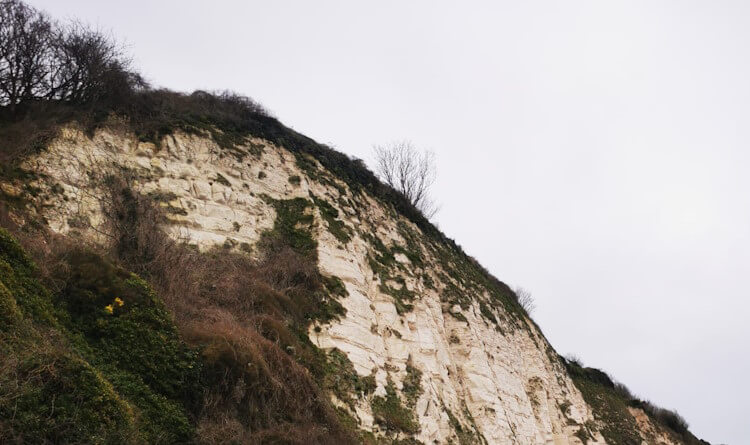
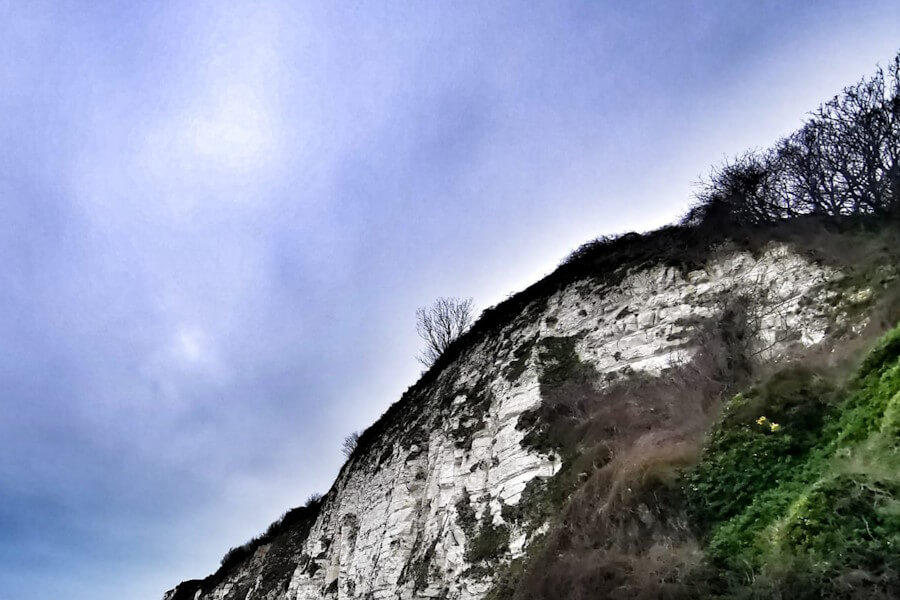
Throughout the UK you can find many freehold or leasehold houses and other residential properties that are near a cliff, which means these are typically homes located in coastal areas constructed within a few hundred metres or even loss from the nearest cliffside.
You have a freehold home if you own the land and the building itself, whereas you own a leasehold property if you own the home for a specific number of years as determined in the lease agreement that you sign with the freeholder, and pay them an annual ground rent.
Whichever type of house near a cliff you own, there are certain positive aspects about such properties that can help with selling them, but also some drawbacks. This guide will walk you through those pros and cons about the process of trying to sell such a property, and it also offers important advice on the best way to get a swift and fair offer from a buyer.
Some of these homes can be located in very small communities and can attract eye-catching sale prices because of demand from buyers to live in a remote, quiet location. For example, a recent article in The Express profiled the village of Dunwich in Suffolk, England, that has less than 100 permanent residents yet still has a number of homes located on the cliffside.
But that same community also highlights some of the potential downsides of owning a home in such an area, because coastal erosion poses a risk to the long-term future of these properties. Rising sea levels and climate change are causing the coastline to spread further inland in some parts of the UK, which can cause cliffs to collapse, sometimes taking homes with them.
Even if you own a cliffside property in an area that’s at potential risk as a result of environmental changes, the good news is that there are still ways you can quickly sell your house and still get a fair price for it, such as selling to a legitimate quick buyer like LDN Properties.
Reasons buyers may want a home by a cliff
There are several explanations for why buyers might want to find a house that’s located by a cliff, and this section of the guide elaborates on those. Having a grasp of the main attractions of such properties can help you with trying to sell it, because you can focus on promoting these beneficial aspects of the home instead of the possible disadvantages of such a home.
Idyllic views: Owning a house that sits by a cliff and has sweeping views of the sea and the nearby countryside can be one of the top reasons why someone might want to buy your home, particularly if they want to get away from busy areas like city centres or some suburbs. It’s the same reason why beach huts continue to be in demand from property buyers, because of the idyllic views that they have to offer.
Dream property: Some people have a desire to live on a cliffside because of the idyllic views, as this is their dream type of home. And for this category of buyers, that can be enough for them to justify making a generous offer on the property even if there’s the risk that coastal erosion might destroy it in the years to come, as a Daily Mail article explains.
Potential resale: There’s a natural limit to the number of houses that can be built near cliffs, and when there is less supply and more demand this can help to drive sale prices up. If you live in area where many people are looking to buy a home, this could help to generate more interest from potential buyers in your cliffside property and result in higher value offers.
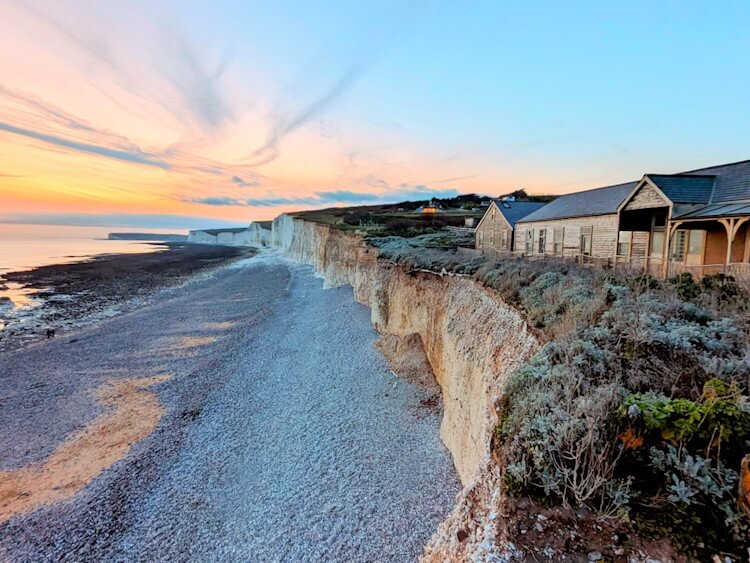
Hurdles to selling a property near a cliff
In the same way that there are perceived advantages to owning a cliffside property, you’ll find that buyers might also identify some negative issues with this type of home. It’s equally important that you understand these drawbacks so that you can directly address buyers’ concerns about them, or at least find out why your house might not be attracting any offers.
Coastal erosion: This is one of the biggest potential concerns for buyers with cliffside properties, as a recent article on bdnews24.com explains, describing one home that used to be 91 metres from the cliff edge in 2009 and is now just 21 metres from the cliffside, suggesting that in a few years the property could fall into the sea if the erosion continues. Buyers will be wary of investing in a house that might not even exist in a few years or decades, and this can make it harder to sell.
Storm damage: Houses that are situated on cliffsides are more exposed to the elements like high winds and rain, and could be more susceptible to damage as a result. This could be a significant concern for some buyers if storms are common in the area, because they might worry that the property could repeatedly suffer damage that is expensive to repair.
Poor location: If your home by a cliff is located in a fairly remote area, with minimal access to shops and other amenities, this could discourage some buyers from wanting to make an offer on the property. Similarly, if the roads to your home are not kept in great condition and accessing the house is complicated, this can also deter some people from making an offer.
Preparing your house by a cliff for sale
When you’re trying to sell a home, it’s important that you get it clean and prepared for sale, and that’s true whether your property is located near a cliff or in any other location.
Inside the house, this means that you should assess whether there is any work that could be done to improve any part of the property that might be seen as unmodernised. This can include projects such as replacing old wiring, fixing a broken boiler, tackling dry rot or other structural issues, and many other situations. Whether you can afford the time, money and effort to do such work will depend on your unique circumstances, and it’s not required to do this before trying to sell.
Regardless of whether you pursue such improvements to your home, you must make sure to get every room looking in its best condition ahead of seeking a buyer. This means cleaning the rooms and removing any clutter, so that the property looks as spacious as possible and more valuable to potential buyers that might visit on viewings where they get to tour the home. If you have any pets, you should clean up after them and keep them locked away during viewings.
Outside the house, you should do simple and low-cost or no-cost tasks such as weeding and mowing the garden, replacing any broken roof tiles or damaged windows, giving window ledges a fresh coat of paint and other upgrades so that buyers get a great first impression of the home. This in turn could make them think the property is worth a higher selling price, as The Times notes.
Your overall goal is to make the property look as appealing as possible to prospective buyers, because a house that looks like it’s kept in poor condition will be perceived by many people as less valuable, and this will lead serious buyers to reduce the price that they may offer for it.
Your options for selling a property by a cliff
If you are prepared to sell your freehold or leasehold house near a cliff, you’ll next need to make a choice of which method of selling you would like to use. Typically, you will need to select from selling to a quick buyer, selling with an estate agent, selling using an auctioneer or selling without any help, and there are pros and cons linked to each of these methods.
For example, selling via an estate agent can take a long time and also require that you pay them potentially costly commission. By contrast, selling to a quick buyer could see the sale completed within a few short weeks and you won’t have to pay them any fees.
To identify your ideal selling method, start by writing down your main aims with the sale of your cliffside property, including your goal selling price, how long you can wait to find a buyer and whether you are willing to pay any fees. Then compare those details against the specifics of the four methods outlined below and you’ll find the approach that best matches your needs.
Selling to a quick buyer
Quick buyers are companies such as LDN Properties, launched more than 15 years ago, that make fast and fair offers to buy almost any age, condition, location, shape, size or type of leasehold or freehold property, and that includes houses situated close to a cliff.
They are called quick buyers because they have the ability to complete all of the necessary steps for purchasing a home within weeks, rather than the many months that it can take to sell a home when doing so without any help or using an auctioneer or estate agent. This typically makes quick buyers by far the most rapid well to sell almost any type of property.
For example, in addition to buying cliffside houses, LDN Properties has purchased made offers on a long list of varied homes throughout the UK that includes flats with asbestos, houses close to power lines, properties near the planned HS2 high speed rail route, homes with a loft conversion, properties with subsidence, flats with noisy neighbours, vandalised houses, properties that lack a structural warranty, eco homes, penthouse flats, properties without a kitchen or bathroom, Laing Easiform houses, student flats, properties with squatters, homes that do not have a Fenestration Self-Assessment Scheme certificate, properties with infestation and many other situations.
Honest quick buyers will also never charge homeowners any commission for selling their properties, which can help with keeping your overall selling expenses at a minimum. But if you attempt to sell through an estate agent or auctioneer then you will have to pay them fees and this charge will be subtracted from the eventual property sale proceeds.
Selling with an estate agent
Using an estate agent to sell your freehold or leasehold home near a cliff can be a very slow process, and you should be prepared to wait for over a year before finding a buyer.
In addition, even if you get a serious offer, the buyer could rescind it and not face any penalties right up until the moment before contracts are exchanged. In this unfortunate situation, you will have to start over with the process of trying to find a buyer for your property, and this could add many more months to the timeline. That makes selling through an estate agent far from the best choice for those homeowners who place a top priority on selling as fast as feasible.
Estate agents will also charge you commission if they are able to sell your home, and this is often charged as a percentage of a property’s final sale price. The fee will be deducted from the sale proceeds immediately, so if you are hoping to keep your costs low when selling your home then you should consider using another method.
The commission is charged to cover the work that the estate agent will do, which starts with preparing a listing for your home that will feature photographs of it and describe the interior and exterior and other main elements. The estate agent will then advertise this listing in local newspapers, online and in their office, and schedule viewings for potential buyers. They will also hear offers from serious buyers, hopefully taking one through to exchanging contracts.
Note that some estate agents might never have sold a cliffside property, and this implies that they could find it difficult to get buyers interested in your home. Always ask individual companies whether they have successfully sold your type of property before, and avoid using the services of an estate agent that lacks this experience, as they may struggle to sell your home.
Selling using an auctioneer
Another option for selling your home near a cliff is doing so at an auction, where you will select a reserve price, which is the lowest value at which you are comfortable selling your home, and then people will be able to place bids of increasing value on your property.
The aim is to have many people interested in buying your home so that they keep trying to outbid each other, which should push the final price of the property high and result in a decent profit. But beware that you might only get a single bid at the reserve price, and this will be considered a binding legal agreement to sell your home that the buyer could sue you to enforce if you attempt to walk away from the sale. That’s why it is crucial to opt for a reserve price that should produce a profit from selling your home even after you pay the auctioneer their fees.
That commission is generally charged as a percentage of your home’s auction sale price, and it will add to your costs because the fee will be taken out of the final sale proceeds. If you’re looking for a lower-cost way to sell your home then you should review the other options in this guide, such as contacting a zero-commission quick home buyer like LDN Properties.
You should ask individual auctioneers whether they might be willing to reduce their rate of commission, but some companies might charge even more. Alternatively, you could see if the auctioneer will at least make the winning high bidder responsible for paying some of the auction costs, which can be another option for reducing your expenses.
This is not a very swift method for selling a property, as there a few delays involved. After you list your property for sale in an auction there will be a wait of many weeks or even months before the auction happens. And in the event your property manages to sell at the auction, the winning high bidder usually has about 28 days from that day to sign all of their required legal paperwork and complete the other steps required in order to finalise the purchase.
It is possible that some auctioneers could be willing to set a shorter deadline for the winning high bidder to finish all of their necessary tasks, so you should ask if this is feasible. Just note that some auctioneers may give the buyer even more time than 28 days for these tasks.
Selling without any help
This can be an incredibly hard way to sell a home, because you’ll have to do all of the work, including creating and advertising a listing for the property, organising viewings to take people on tours of the property, and hearing offers from serious buyers. It’s a lot of work that can be very stressful and time-consuming, and not something you can do on a casual basis.
For these reasons, it’s suggested only for those homeowners that have successfully sold cliffside properties before, or have a skilled friend or family member willing to help for free. Without such support, you could be looking at more than a full year before you’re able to sell.
And remember that even if you get a serious offer from a buyer, they could rescind it without any penalty right up until contracts are exchanged. If that occurs, you will have to start again with trying to find a buyer, adding possibly many more months to the process.
The only clear benefit of selling without any help is that you will not have to pay a third party like an auctioneer or estate agent any commission for selling your home.
But you can get this same benefit when you sell to a no-commission quick buyer like LDN Properties, along with the added advantage of being able to complete the sale within a few weeks, and that includes receiving the sale proceeds and exchanging contracts. This way you can not only keep your selling expenses low but also get a much swifter sale, and also avoid any of the stress that can be involved with trying to sell a cliffside property on your own.
Top queries and answers about selling a house near a cliff
Homeowners considering a quick sale of their house can have some unanswered questions, ranging from the types of property we can buy through to selling homes in bad locations. Here are some of the leading questions we’re asked about selling a house near a cliff:
Your top questions when selling a house near a cliff
As the description suggests, these are freehold or leasehold houses that are situated often just a few hundred metres from a cliffside. They can be found throughout the UK, and they can range from single dwellings that are remote from other homes, or they might be one of several properties that are built near cliffs in very popular tourist destinations like coastal towns.
Your property is considered freehold if you own the building and the land on which it was constructed outright. By contrast, your cliffside house is deemed leasehold if you pay the freeholder an annual ground rent and in exchange you have legal ownership of the property for a set number of years as specified in the lease agreement you sign with the freeholder.
There are several factors that can complicate the sale of a house near a cliff, including the threat of coastal erosion, which in a worst case scenario could cause the property to fall into the sea. The danger of frequent storm damage can also deter some buyers from making an offer, and you could also find it harder to sell a house that has very few amenities nearby.
Yes, the great views that your property has will be a top draw for several buyers and that could make it easier to attract offers on the home. Similarly, some people might consider a cliffside house to be their dream property and this will make them want to make an offer on yours. The potential resale value of the house can be another reason why you are able to sell it.
Selling your house to a no-fee quick buyer like LDN Properties is often the speediest option, because they can usually finalise the process of buying a home in just a handful of weeks, and that includes exchanging contracts and paying the proceeds to you. The other methods of selling via an auctioneer, estate agent or on your own can all at least several months.
Not necessarily, although if you sell your home using an estate agent or an auctioneer then you will have to pay them commission and this will add to your selling expenses because the fee will be deducted right away from the sale proceeds. But if you sell the property using a no-fee quick buyer or you sell without any assistance then you won’t have to pay any commission.
You can ask them if they are members of The Property Ombudsman (TPO), which is an independent entity that writes rules to guard homeowners against falling for scams in the quick buying industry – and all genuine TPO members must adhere to these regulations, which should give you additional peace of mind when selling your property to them.