Quick navigation
If you own a freehold or leasehold house, it might be seen as unmodernised for many reasons, such as having a dated bathroom or kitchen, lacking a boiler, having problems like a leaky roof or rot, and more. You may find it harder to sell an unmodernised home, but this guide outlines steps that you could take to increase your odds of a buyer making a competitive and fast offer.
- When is a property considered to be unmodernised?
- Challenges with selling an unmodernised home
- Should you upgrade your unmodernised property before selling?
- Selling an unmodernised house as is
- Four options to find a buyer for an unmodernised property
- Top questions about selling an unmodernised home
When is a property considered to be unmodernised?
For any homeowner who is looking to sell their freehold or leasehold property, you might not be aware that if your home is considered unmodernised then it might be harder to sell.
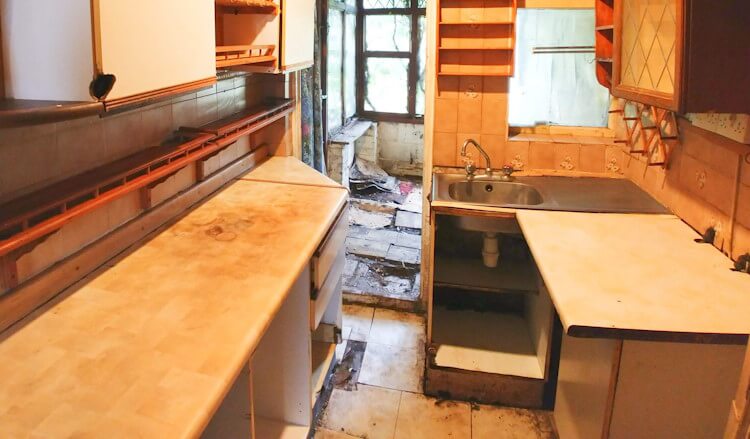
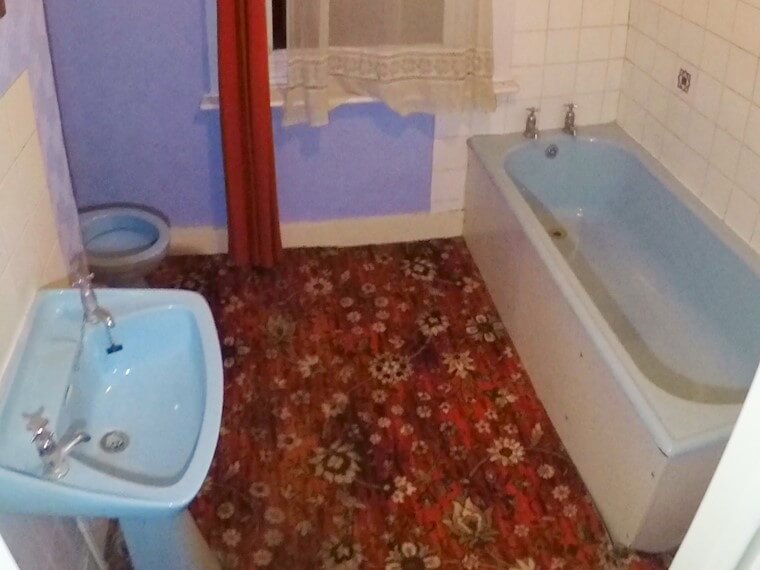
When a freehold or leasehold house has been brought up to date for important elements like the bathroom or kitchen, upgrading the insulation, replacing old wiring, fixing rot and other problems and more, it’s deemed modernised. The Cambridge Dictionary defines modernised as "to make something more modern" and so an unmodernised home is the opposite type of property, and it can be for one or several dated elements.
This guide explains the reasons why there can be additional challenges involved with selling an unmodernised home compared to a modern one without any such issues.
But don’t be concerned that you’ll never be able to find a buyer for your unmodernised home without taking steps to bring whatever dated element exists up to date. The guide also includes advice on different options for how to sell such a property in its current condition, such as selling to a quick buyer like LDN Properties that can finalise the purchase in a few short weeks.
Challenges with selling an unmodernised home
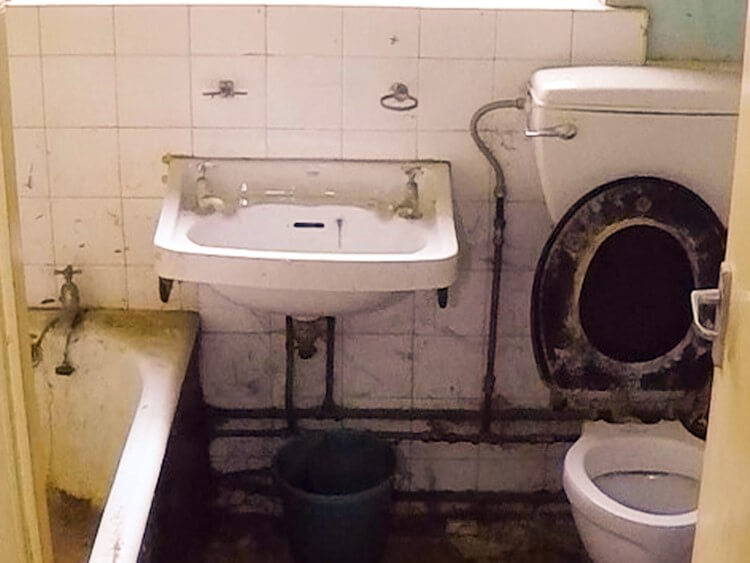
If your leasehold or freehold home is considered unmodernised then there are some potential additional barriers you might experience with trying to sell it.
Depending on the specific issue or issues that classify your house as unmodernised, this could lead some buyers to view your home as a problem property that is not worth purchasing.
These buyers could be worried about the money, time and effort it would cost them to fix any outdated rooms, wiring, damage from rot or any other problem and modernise the property. This concern alone can be enough to make some people lose interest in making an offer, because the buyer will not want to take ownership of a new property then face having to spend large amounts of money on whatever changes are needed to bring the home up to date.
Some people may also fear that the elements making the home unmodern might create safety concerns – such as having old wiring, which will likely not comply with the most current building regulations and may be dangerous to use, according to Housewire. One solution could be to rewire the property before you attempt to sell it, which would modernise it and comply with all applicable rules.
And yet other buyers could view the unmodernised home with some stigma, believing it to be inferior to a more modern property, and they may lose interest in it as a result.
Should you upgrade your unmodernised property before selling?
Before trying to find a buyer for your unmodernised home, you should think carefully about whether you should upgrade the property. Whether or not you want to do such potentially costly and time-intensive work will depend on your unique needs and circumstances.
Some projects might be relatively small-scale, such as replacing an old or broken boiler with a new model, and you could potentially make such upgrades in a short amount of time and at limited cost.
Other work that may need to be done on the property could require several months and cost thousands of pounds. For example, installing a new kitchen could cost at a minimum roughly £5,000 but can easily end up costing twice that or even higher depending on the work done, according to Checkatrade.
The primary reason for modernising a home is to resolve whatever aspect of the property is making it seen as unmodern and in need of improvement. If you invest in such work then you eliminate the problem as something that buyers might be concerned about, and depending on the fixes that you make, it could help to increase the overall value of your house.
By contrast, leaving the property in its current state could prompt some buyers to reduce the offers they make for purchasing your home by at least the amount of money that it will cost them to modernise the house. Doing the work yourself in advance before selling removes this outcome entirely, and should hopefully result in higher-value offers from buyers.
However, it’s perfectly fine to sell your home in its current condition and the next section of this guide offers tips on the best way to go about selling an unmodernised home in its existing state.
Selling an unmodernised house as is
Although modernising your house before attempting to sell it is an option, for some homeowners there could be one or more reasons why they wouldn’t want to pursue this work.
Depending on the type of upgrades that are needed, the cost of the project could be significant. When you’re trying to sell a home you should aim to keep your expenses as low as possible. Some owners might also simply not have the necessary money to spend on the project.
Another reason why you might want to sell your unmodernised home in its current condition is that the work required could take many months, for example if you have to install a new kitchen or bathroom. If one of your top priorities with selling is finding a buyer as fast as possible, spending many months on upgrading your property could not allow you to achieve that goal.
And other homeowners may have no interest in pursuing any kind of building work or other improvements at their house before they attempt to find a buyer for it, as they may see it as unnecessary or too stressful.
If you do not have the funds, time or desire to invest in upgrades to modernise your property, do not worry that it will be impossible to sell the home "as is" in its existing condition.
You have several options for trying to find a buyer for an unmodernised home without making any changes to it, and the next section of this guide explains those in detail. For example, you could contact a quick home buying company such as LDN Properties, as they make fair and fast offers for all types of properties, including unmodernised houses sold as is. And they are usually able to complete the purchase of a home within a few short weeks, and this speedy timeline covers all the important steps like paying owners the sale proceeds and exchanging contracts.
Four options to find a buyer for an unmodernised property
Once you are prepared to sell your freehold or leasehold unmodernised home, the next step will be deciding on how to find a buyer. Typically, you can choose among selling through an estate agent, selling at a property auction, selling to a quick home buyer or selling without any help.
There are important benefits that come with some of the options, for example quick buyers being able to finalise the purchase of almost any property within a few weeks, and that covers the key steps of exchanging contracts and paying owners the sale proceeds. Other methods have notable cons, such as auctioneers charging fees for selling your property.
Write down your most important goals with selling, including whether you’re open to paying any commission, your preferred sale price and how long you can wait to find a buyer. Then compare this information against the specifics of the four approaches outlined below and this should help you to find the option that provides the best match for your specific needs and situation.
Selling though an estate agent
A traditional method for selling your unmodernised home is doing so with an estate agent. They will handle every step of the process, which reduces your workload significantly.
Estate agents will first craft a listing for your house, which will feature photographs of the interior and exterior and describe the property. They’ll then advertise this listing in their office, online and in local newspapers, and schedule viewings to give potential buyers a tour of your home. Then they will hear offers from buyers and guide a serious offer to exchange of contracts.
This can be a slow way to sell a home and it might be more than an entire year before you receive a genuine offer from a buyer that can be taken through to a final sale.
Beware that offers made to an estate agent can be withdrawn without any penalty up until contracts are exchanged. If that happens, you will have to begin again with trying to find a buyer, which can slow the process down even further, possibly by many more months.
Another drawback of selling via this method is that you will have to pay the estate agent commission for their work in finding a buyer for your property. Typically this will be charged based on whatever price you’re able to get for your home, and this will add to your expenses as it’ll be deducted from the sale proceeds.
You should also note that some estate agents might not have any experience with selling an unmodernised home, and that implies that they could struggle to generate interest from buyers in your property. Always check with individual companies about their track record in selling your type of home, and avoiding selling using any estate agent that lacks such experience.
Selling at a property auction
You could try selling your unmodernised home at an auction, where you’ll pick a reserve price – the lowest price at which you agree to sell your property – and then people will place bids of increasing value on your house. If someone places a bid at the reserve price then this is a binding agreement to sell your property, and the buyer could then sue you to enforce the sale in the event that you try and back out of the sale once the auction has been completed.
That’s why it’s crucial to select a reserve price that should still generate a profit from the sale, even after you have paid the auctioneer their fees. Otherwise you run the risk of selling at a loss compared to what you paid for the house, or only just breaking even with the sale.
If your home does not sell at the auction then you will have to start again with the process of trying to find a buyer for it, which can add at least several months to the selling timeline.
When selling via an auction, you will have to pay commission typically based on the final sale price you get for the property. This will increase your selling expenses because the fee will be subtracted immediately from the sale proceeds. If keeping your selling costs low is a main goal then you should consider other methods.
Selling at an auction can also take a very long time, because there will be a delay of many weeks or months between when you decide to sell the property and when the auction occurs. And if the house does sell at the auction the buyer will then usually have about 28 days to complete their required tasks, such as signing the relevant legal paperwork.
It is possible that some auctioneers could be willing to negotiate a lower rate of commission or set a shorter deadline for the winning high bidder to complete their tasks, or both. That’s why you should always ask individual auctioneers about whether this might be possible.
Selling to a quick home buyer
Another way to sell your unmodernised home is by contacting a quick buying company such as LDN Properties. These businesses have the funds available to make immediate purchases of homes without having to wait weeks or months to first obtain a mortgage to cover the cost of the transaction. This reduces the typical timeline when selling this way to just a few short weeks, compared to other methods of selling that might take several months or even a full year.
Reputable quick buyers are known for being able to make fair and fast offers to purchase almost any type of freehold or leasehold home no matter its age, condition, location, shape, size or type, and even if it has any potential problematic issues such as being unmodernised.
LDN Properties, for example, launched in 2003 and since then has been buying many varied homes across the UK such as non-standard construction houses, homes with Japanese knotweed, flats with cladding, properties with an overgrown garden, houses located in high risk flood zones, hoarder’s homes, properties located near to railway lines, flats close to traffic junctions, houses with mortgage arrears, vandalised homes, flats with rot problems and other types.
Another benefit of selling to a quick property buyer is that they should not charge you any fees for selling your home, which can help with reducing your overall selling expenses. That compares favourably to selling through an estate agent or at an auction, because those two methods of selling will require that you pay fees which will be taken from the sale proceeds.
For your extra peace of mind, ask individual quick buying companies if they belong to an organisation called The Property Ombudsman (TPO). This is an independent entity that writes policies to shield homeowners from scams in the quick buying sector, and all TPO members have to agree to adhere to those rules. Never sell your home to a company that cannot prove it belongs to this organisation, because there’s a chance it is a fraudulent business.
It’s very easy, free and quick to check the membership status of a quick home buyer. Start by visiting TPO’s website and then clicking on the "Find a Member" tab on the left side of the main page, then type in the name of a specific company. If the quick buyer is genuinely a TPO member then you will be shown their membership details, but if the company is not registered with the organisation then you will not be shown any results.
Selling to a quick buyer is a streamlined, stress-free and no-hassle process, and it starts when you contact the company to get a free quote for selling your property. You should receive an initial offer within the first hour and you’ll then have at least a week to consider it.
The next step is for the quick buyer to send a representative to your home so that they can inspect the interior and exterior before making a final offer. This is the only visit you’ll need to agree to, and it means you can avoid the viewings that are required with other selling methods.
After this visit, the quick buyer will then make their final offer and if you accept it they will get in touch with your solicitor or other legal representative to quickly complete all of the required paperwork. The entire process should take only a few weeks from start to finish.
Selling without any help
Alternatively, you could consider selling your unmodernised home without any assistance, which means that you will be responsible for all of the steps involved with finding a buyer.
This starts with preparing a listing for your home, advertising it, organising viewings and taking people on tours of your property, fielding offers from buyers and hopefully taken one to exchange of contracts. It’s a major undertaking and can be very time-consuming and stressful, which is why this method of selling is only suggested if you have experience with selling properties or have a suitably skilled friend or family member willing to help you for free.
Otherwise, you risk a very long process that could take more than a full year before you sell. And remember that a buyer can make an offer but rescind it without any penalties up until contracts are exchanged, which will require you to start over with trying to find a buyer. This can add even more time to the process, which is far from ideal if one of your main priorities with selling your leasehold or freehold unmodernised home is doing so quickly.
The only obvious benefit of selling this way is that you won’t have to pay an estate agent or auctioneer any fees, which helps with lowering your total costs. But you can achieve the same no-fee sale, yet on a much speedier timeline, by getting in touch with a quick home buying company like LDN Properties. They are experts are completing the purchase of almost any type of house within weeks, and that covers the time needed to exchange contracts.
Top queries and answers about selling an unmodernised property
Property owners thinking of selling quickly may have questions to ask, ranging from the repairs needed before selling through to selling a home in bad condition. Here are some of the top questions we’re asked about selling an unmodernised property:
Your top questions when selling an unmodernised property
Your freehold or leasehold home might be considered unmodernised if it has not been updated in many years and has outdated features, such as an old or broken boiler, faulty old wiring, asbestos, an aged kitchen or bathroom and several other reasons – and many buyers find that this type of home is more difficult to sell than one which is deemed modernised.
There are a few justifications for why buyers might not be interested in an unmodernised home, starting with their concern about the expense they might face in upgrading the property if they were to buy it. Other buyers might worry that certain outdated features of the home, such as old wiring, could pose safety concerns if they were to buy the property in its current state.
One way to resolve buyers’ concerns about purchasing an unmodernised home is to invest time, effort and money in upgrading the property to modern standards, for example installing a new boiler, bathroom or kitchen. The exact cost and time required for such work will depend on which parts of the property you would have to modernise before trying to sell it.
Yes, you can sell an unmodernised home as is in its current condition without making any upgrades or changes to it. One option is getting in touch with a quick buying company such as LDN Properties, as they are known for making competitive and swift offers to purchase almost any type of home, and the timeline for selling to these companies is just a few weeks.
You should contact a quick buying company like LDN Properties, as they should be able to complete the purchase of your unmodernised home in just a handful of weeks, and this includes the time it takes to exchange contracts and pay you the proceeds. Using an estate agent, selling via an auction or selling without any assistance can all take at least several months.
Ask the company if it is registered with The Property Ombudsman (TPO), which is a third party entity that writes regulations to guard homeowners against falling for scams in the quick buying industry, and all TPO members must agree to follow those rules. If a company can prove it belongs to TPO, like LDN Properties, then this should give you confidence with the sale.