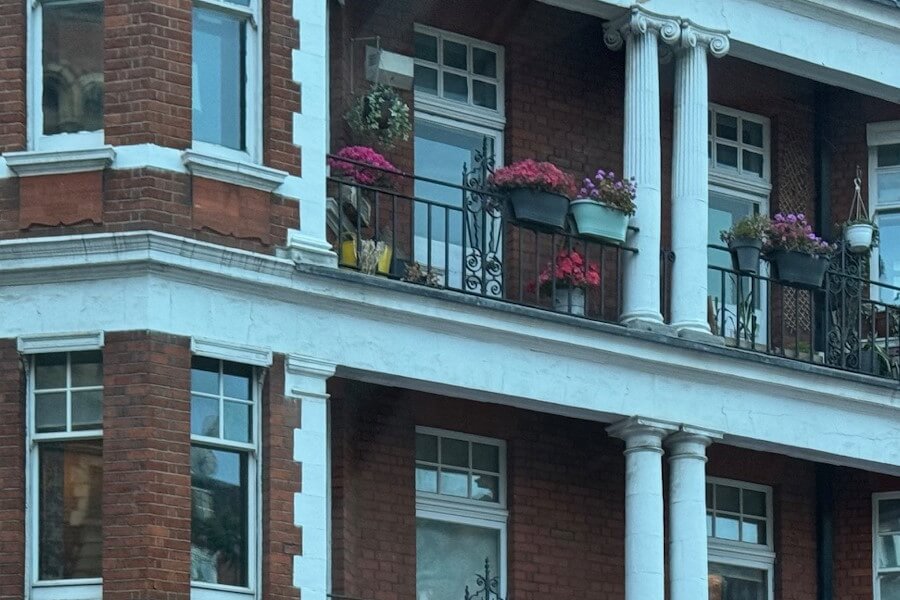
What is an inherited retirement home?
An inherited retirement home generally refers to houses or flats that are located on retirement estates that cater to the elderly and provide certain support services.
Because these can often be the last place that the homeowner lives in, if they own the property then they might pass the ownership on to a relative or loved one through their will. That’s why it’s important that homeowners have made clear instructions in their will or other legal documents about who should inherit their retirement home.
Preparing your inherited retirement home for sale
It’s slightly more complicated to sell an inherited retirement home than a stand-alone freehold house, and that’s because the property will be located on a larger retirement estate.
But you will probably want to sell the flat or house if you are still fairly young. The only situation where you might not want to sell the property is if you are nearing the relevant age for living in the house, in which case you could simply move in there without selling it.
Yet for the vast majority of people who inherit such homes, selling is their next step. And it’s something that you should get started sooner rather than later.
One reason for moving quickly to sell is that you could be liable for paying inheritance tax in just six months after you take possession of the property if its value is more than the tax exemption thresholds.The UK government’s website has further helpful information on this tax.
Another reason to sell quickly is that once you inherit the home you’ll be liable to pay the property’s weekly service charge, and these fees can add up quite quickly.
To sell the house or flat, you should first visit it and sort through all the belongings. Decide what you want to keep and what you want to sell, but leave the furniture and a few decorations in place while trying to seek a buyer. People will often prefer to seem furnished rooms when they come on viewings rather than rooms that do not have any furniture in them.
Next you will want to talk to the manager of the retirement estate, who will typically have good advice on estate agents you could use or other ways to sell your property.
It’s important to get a good idea of how much the home might be worth, so be sure to spend some time working to figure out the value of your property. You can do this by looking up the prices at which similar homes in the retirement estate have sold, or get an professional estimation.
What should you do if there’s a problem with the inherited retirement home?
One complication that can sometimes arise when a person inherits a retirement home is that they find out the property has some type of structural or other problem – this can range from small-scale issues like isolated damp through to major flaws like significant subsidence.
Prospective buyers may view such problems as being dealbreakers that make them lose all interest in the home, so it can sometimes be worth repairing any faults ahead of selling.
You should carefully review the various legal documents associated with the retirement home and see whether the company that owns the overall estate might be liable for making the needed repairs to the property. If that’s the case, you wouldn’t have to pay anything for fixing the problem, and doing so would remove it as a potential negative factor that buyers would identify.
But even if the retirement estate owner is responsible for addressing any specific issues at the property you inherited, it could still take many weeks or even months to fully correct it. This won’t be an ideal outcome if you are hoping to sell the house as fast as possible. If that’s the case then you may want to consider getting in touch with a quick buyer, because the overall process from start to the exchange of contracts and paying you the proceeds is a few weeks.
If the liability for fixing a problem at the inherited house rests with you as the new owner, then this will require you to assess whether you have sufficient time, money and interest in pursuing what could be a complex repair project before attempting to find a buyer for the home.
Addressing small problems like peeling paint can be a quick and easy task that adds value to the home, as Propertymark explains. But correcting structural damage and other problems can be much more elaborate.
The advantage of fixing an issue ahead of selling is that it eliminates it as a possible concern for buyers, which might help to get more people interested in the house. The disadvantage is that investing in such work might be at odds with your efforts to reduce costs and sell fast.
Should you determine that you don’t want to pursue repairs before selling, you still have choices for finding a buyer. One solution is getting in touch with a quick home buying company like LDN Properties, because they are well known for making speedy and fair offers to purchase all types of homes – including retirement houses – even if they have one or more problems.
The entire timeline for selling this way should only be a handful of weeks, and you also won’t be charged any commission. You can read more details about selling this way, along with the other typical methods available for finding a buyer, in the next section of this guide.
Options for how to sell your inherited retirement home
When it’s time to find a buyer for your inherited retirement home, you have four typical options available, although they will vary based on their expertise in handling this unique type of property. You can choose from selling via a specialist estate agent, selling to a quick home buying company, selling through an auction or trying to sell the house on your own.
Before making a decision you should carefully weigh the pros and cons of all four methods because they vary widely based on how much time it might take to sell, whether they charge any fees, and more. For example, it can take just weeks to sell when you contact a quick buyer but it might take more than a year to sell if you decide to use the services of an estate agent.
One step that can help with making your decision is to write down your main goals with selling, including whether you are willing to pay any commission, how fast you want to sell, and your ideal selling price. Then compare these factors against the specific information about all four methods below and this should help with highlighting which choice best suits your needs.
Selling through a specialist estate agent
These will be estate agents whose expertise is in selling and buying houses and flats in retirement estates. The benefit of using one of these estate agents is that they will know how to best promote the home that you are looking to sell, and will have the knowledge necessary to answer any buyers’ potential questions. The downside of choosing this option is that estate agents will charge you fees for doing all this work, so you’ll have to subtract their fees from whatever total sale price you are able to achieve. And some homes sold through estate agents can sit on the market for a very long time, so it’s also not an ideal choice if you are looking to sell the property quickly.
The work that an estate agent puts in to selling a home starts with creating a listing, which describes the property and includes photographs of it. They will advertise this online, in local newspapers and in their office, and then arrange viewings for potential buyers to tour the home. Finally, they’ll hear offers from buyers, with the aim of getting one through to the last step of exchanging contracts.
The commission that estate agents charge for this work is often within a range from 1.15 percent to 1.40 percent of a home’s final sale price, and this fee will increase your overall expenses because it will be subtracted from the eventual sale proceeds. If you are trying to keep your costs down when selling the property, you may want to look at other options.
You could also find that it takes a very long time to sell an inherited retirement home when using an estate agent, so be prepared to wait for many months or even more than an entire year before selling. Remember also that someone could make an offer but then cancel it, causing the sale to collapse and forcing you to restart the search for a buyer, delaying the process even further. A buyer can do this without any penalty if you have not yet exchanged contracts.
And then continue on with the “Selling to a quick property buying company” subhead and the existing paragraph in this subsection, then add this:
It’s an incredibly fast, simple and no-hassle way to sell this specialist type of home, and it starts by calling the quick buyer. Within an hour of talking you should receive an initial price offer for the property, but there’s no rush to accept it as you’ll have at least a week to consider it.
If you do accept that initial offer, the quick buyer will then a representative visit the home to assess it ahead of making a final offer. This is the only viewing you will need to have at the property, compared to possibly dozens or more when selling via other options.
And the last stage, if you accept the final offer, is when the quick buyer moves speedily to work with you solicitor on signing all the legal paperwork and finishing the other tasks needed to complete the sale. From the start to the end it should all only take a handful of weeks, and this includes the time take for the exchange of contracts and paying you the proceeds.
Because honest quick buyers like LDN Properties do not charge any commission, this means that you can count on receiving the full sale proceeds. That compares favourably to selling through an auction or with an estate agent, which are two methods that will increase your selling expenses because they will charge you commission that will deducted from the sale proceeds.
A quick buyer is also an excellent choice for selling a specialist property like an inherited retirement home because these companies are experts at making fast and competitive offers to buy almost any type of leasehold or freehold regardless of its age, condition, location, shape, size or type – and they won’t lose interest just because the home has any unresolved problems.
Selling through a property auction
Although selling to a quick buyer or with an estate agent are often the two most popular ways to seek a buyer for an inherited retirement home, auctioning is increasingly becoming another alternative, as SDL Property Auctions says.
With an auction, the typical process involves the auctioneer putting together a listing that will describe the home and include photographs of the interior and exterior, and then advertise this for many weeks or even months to get people interested in the property ahead of the auction. Then they will host the auction on a set day, when people get the chance to bid on it. When the auctioneer calls an end to the auction, the top bidder wins and will be buying the home.
But because you’re trying to sell an inherited retirement home, you might have to ask around to find an auctioneer that either specializes in selling this type of property or that has successfully sold this category of home before. Do not sell using the services of an auctioneer without this experience because it could imply that will find it hard to get buyers interested in the property.
Whilst you will not have to put much work into selling the home because of the auctioneer’s efforts, you would need to pay them commission if they are able to sell the property. Often this will be charged at about 2.5 percent of the house’s final sale price, although the exact fee may be higher or lower than this. It will add to your costs as it’s taken out of the final sale proceeds.
Selling at an auction can often be quite a slow process with several long waiting periods. There can be many weeks or even months between when you opt for selling this way and when the auction takes place. And then if the property does sell, the buyer will have about 28 days to sign all of the required legal paperwork and finish the other tasks needed to complete the purchase.
Selling on your own
Another way to try selling an inherited retirement home is doing it yourself, which means you will be responsible for every step of the process. This means you’ll have to put together a listing, advertise it, schedule viewings, hear offers and try to get one to the exchange of contracts.
This is a significant amount of work and it’s not something that you can just defer to doing only in your free time, and it can also be very stressful. For these reasons, you should only consider pursuing this method of selling if you have prior experience with selling an inherited retirement home, or if you have a skilled friend or family member that can help with the sale for free.
Because of all the work involved and other factors, this is also a slow way to sell any property and it might take more than a year to find a buyer. So if you’re looking for a speedy sale then you should review some of your other choices, for example selling to a quick buyer like LDN Properties where the entire timeline should only be a few short weeks.
Note also that someone could make an offer but then change their mind and rescind it. This would make the sale fall apart and require to start again with seeking a buyer, possibly adding much more time to the selling process. And the buyer can’t be penalized for doing this unless you have already exchanged contracts.
Possibly the only benefit of selling this way is that you can avoid having to pay any commission to an estate agent or an auctioneer when you complete the sale, which helps with lowering your expenses. But you might find that the money that you need to spend on advertising the property’s listing and other tasks eliminates any saving you may make by not paying fees.
We can answer your likely questions about trying to sell an inherited retirement home
Selling to a quick property buying company
These are companies that will make cash offers to buy your inherited retirement house or flat quickly and usually without charging you any fees. They can help you achieve a much faster sale than through an estate agent because you’ll be only be dealing with the company. And the fact you won’t have to pay fees means you get to keep all the profit from the sale. Be sure to do your homework and ask your quick house buying company important questions. It’s a much better option if your primary goals with selling the house are doing so quickly with limited troubles.
We can answer your likely questions about trying to sell an inherited retirement home
With almost two decades’ worth of experience buying inherited retirement houses and flats, we can answer questions you might have about selling, including:
Because you could be liable for paying inheritance tax within six months if your house or flat is over the specified tax thresholds. And you could also be liable for paying the weekly service charges at the retirement estate, which might become a large amount if you wait a long time to sell the home.
They don’t have to be. You can easily find estate agents who specialise in selling such properties, and they can offer great advice on how to find a buyer. Alternatively, quick buying companies such as LDN Properties are used to buying inherited retirement homes, with the benefit that you won’t have to pay them fees for selling compared to an estate agent.
Not usually. Although you can take steps to rearrange furniture and decorations to make rooms look bigger and therefore more appealing to buyers, you should leave the house furnished while you hold viewings for it. That’s because potential buyers prefer to see rooms with furniture in them compared to unfurnished rooms.
You should check with the retirement estate owner to see whether they might be liable for fixing the issue, and if not you will need to assess whether you have the time, money and interest in launching what could be a costly and lengthy repair project before seeking a buyer. You can sell the home “as is” even with a structural issue by getting in touch with a quick buyer.
Generally, you will be able to choose from selling with a specialist estate agent, selling to a quick home buyer such as LDN Properties, trying your luck with a property auction, or attempting to sell without any assistance. There are specific benefits and drawbacks with all four of these methods based on important factors such as their duration and potential costs.
It depends on which strategy you use for finding a buyer, as it might only take a number of weeks to sell when you contact LDN Properties or another quick buyer. But if you choose to sell through an auctioneer, an estate agent, or without any help then you could find that the process takes at least several months – and potentially more than a year in certain cases.
Should you choose to sell the property either at an auction or through an estate agent then yes, you will have to pay them commission if they manage to find a buyer for the home, and this will add to your expenses because it will be taken out of the final sale proceeds. But you won’t have to pay fees when you sell to a zero-commission quick buyer or if you sell without any help.