Quick navigation
A typical maisonette is usually a leasehold property with a private entryway and two floors, and there are certain advantages and disadvantages of owning such a home. As with any property sale, there can be some potential hurdles involved with trying to sell a maisonette, but this guide offers useful tips on improving your chances of making a swift sale.
- Which properties are defined as maisonettes?
- Reasons buyers might prefer to own a maisonette
- Potential cons of selling a maisonette
- Getting your maisonette ready for selling
- Will you owe Capital Gains Tax when selling a maisonette?
- Choosing the best method to sell your maisonette
- Frequently asked questions about selling a maisonette
Which properties are defined as maisonettes?
In the UK, maisonettes can be freehold properties, which means that you would outright own the building in which they are situated and its land, or leasehold homes, meaning you’ll be the owner of the unit itself for a set period of time whilst paying a ground rent to the freeholder.
Maisonettes are generally defined as flats that have two storeys and a private entrance, meaning that you don’t have to share a communal corridor with other flats in the same building in order to exit and enter your home, according to architectural service website Resi. Maisonettes started to become popular in the 1960s as a way to encourage more people to move to suburbs, Resi says.
Although you might find maisonettes in a block of flats in some situations, the fact that these properties have private street access means they are more commonly the unit above commercial premises, and you’ll find many located on top of shops and offices in cities and elsewhere.
Reasons buyers might prefer to own a maisonette
There are many attractive features of a maisonette that can increase your chances of finding interested buyers, and these can be useful to know when trying to sell your property.
Having a greater knowledge of the benefits of owning a maisonette might help you when talking with prospective buyers about the property, because you can talk up the advantages and ideally persuade them to make a decent offer as a result. Being able to answer queries about your home right away is important, because people may lose interest if they have to wait for answers.
Increased privacy: Compared to the typical flat within a block of units that all share the same lift, stairs and corridors, maisonettes are distinguished by the fact they have a private entrance for the owner of that unit. This can be a highly sought feature for those would-be owners that place a premium on privacy when looking for a property. When you are trying to attract interest in your maisonette, you might find that the additional privacy is one of its top selling points.
Outside space: Some blocks of flats have a communal yard, garden or other area that all of the people living in the building can use. Maisonettes, by contrast, can often be the only residential unit in a property, for example when they are built on top of commercial premises. Many of these maisonettes also feature their own yard, garden or other outside space that is for the exclusive use of the unit’s owner, which a lot of potential buyers could find appealing.
Competitive cost: Because maisonettes have two storeys, they provide a lot more living space than the average flat which only has one floor and a front door that opens out on a shared corridor – yet even with this increased square footage, maisonettes often sell at much lower prices than freehold houses. Buyers might therefore be more interested in making an offer on your maisonette quickly because they will see it as more of a good deal than buying a house.
Potential cons of selling a maisonette
Although there are a number of pros associated with owning a maisonette that you can tell buyers, as detailed in the previous section of this guide, there are also several factors that people might see as major negative aspects of the property, which could make it harder to sell.
You should be aware of these disadvantages when you are preparing to sell your maisonette, because it could help you to understand why it might be taking longer to get any serious offers.
Unfortunately, most of these drawbacks are issues that cannot be changed, in which case you may want to consider alternative ways of selling, like contact a quick home buyer. These companies make fast and fair offers to buy properties regardless of any potential cons.
Commercial noise: Because many maisonettes are built on top of commercial premises, such as fast food restaurants and shops, the residential unit might be affected by the noise of the business below, particularly if it is open late into the night or the property is built on an always busy street. Even with soundproofing, this potential noise could make some buyers lose interest in your home.
Not freehold: You’ll find that many maisonettes are leasehold properties, rather than freehold, which means that anyone buying it would only be in ownership for the number of years specified in the lease. Whilst this will not always be a barrier to finding a buyer, some people might be discouraged, especially if their main priority is purchasing a freehold flat instead. Further, some buyers might be turned off by the idea of having to pay ground rent to the freeholder.
Shared parking: Although maisonettes by definition offer privacy by giving you a dedicated entrance that nobody else in the building can use, it’s highly likely that you’ll still have to share other features of the property with people living or working within it. The most common example is parking, where you could find yourself competing with others for a limited amount of space, and this might be a major drawback for a buyer that needs a reliable, constant parking slot.
Mortgage problems: If a private buyer is interested in purchasing your maisonette, they might find that some financial institutions are wary about approving them for a mortgage, because the lender could see it as a less valuable investment than a freehold house. However, you can avoid this stressful situation entirely by selling your property to a fast buyer, because they have the ability to purchase maisonettes immediately and have no need to apply for a mortgage.
Getting your maisonette ready for selling
There are no hard rules about how small or large a maisonette must be, and the huge variety in the age, condition, shape, size and type of these properties throughout the UK means that they can sell for less than six figures or more than hundreds of thousands of pounds as discussed in an MSN article.
Whatever asking price you are thinking of seeking for your maisonette, there are some simple steps that you should consider taking in order to increase the perceived value of your home. If buyers think the unit is more valuable, they may be willing to offer a higher price for it.
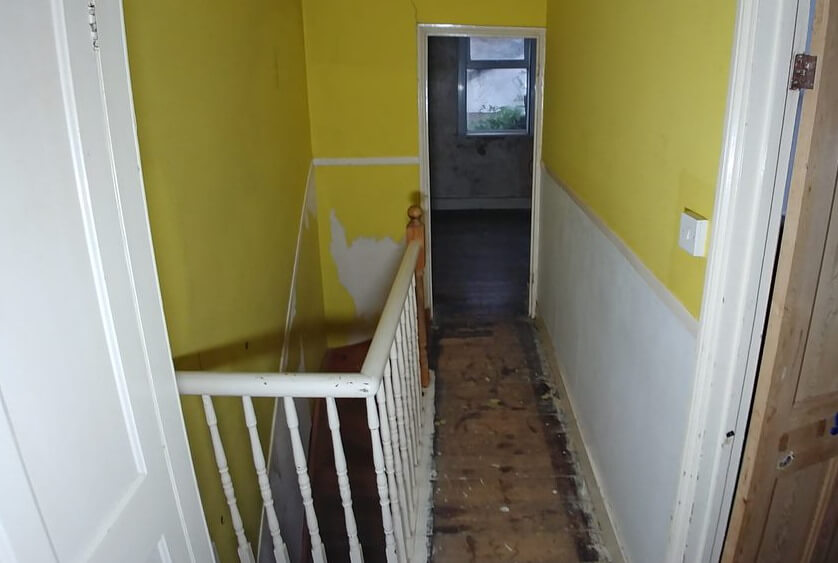
Work that you can do that can be zero-cost or very low cost, and require minimal time or effort, includes removing any clutter from the rooms inside, because properties that look more spacious are often see as more valuable. Similarly, you should tidy and outside areas, such as covering over chipped paint, fixing broken windows, and mowing the garden if you have one.
There are also some larger-scale ways to increase the potential value and sale price of your maisonette, but they could cost a lot of money and take time.
For example, you could invest in a complete renovation of your kitchen or bathroom and install the latest appliances, as this might make the overall property appear more valuable to buyers. However, it’s not essential to pursue such major improvements your maisonette before selling, and there are ways to get a competitive offer for selling the property "as is" in its current condition, such as contacting a speedy home buying company like LDN Properties.
Will you owe Capital Gains Tax when selling a maisonette?
When you sell your maisonette, whether it’s a new build or an older property, you might be required to pay some tax to the UK government usually on the profit, also called the gain, you make from the sale.
The government often debates making changes to the Capital Gains Tax system, which currently provides various exemptions that can help you reduce the tax liability.
It can be helpful to speak with a tax expert or other financial professional to learn about what your potential Capital Gains Tax liability might be when selling, particularly as part of the broader process of developing a budget that outlines the various costs from the sale.
Choosing the best method to sell your maisonette
After you have prepared your maisonette for selling, the next big decision you need to make is which method you’d like to select for finding a buyer.
The four usual approaches for selling are using an estate agent, selling at an auction, using a fast buyer, and selling on your own. You will find that each of these choices have their own perks, but some of them also have cons such as including fees or taking a long time to sell.
Browse the details of the four methods below and then craft a budget for the sale of your home that includes how much, if anything, you’re willing to spend on commission, how long you’re willing to wait to sell, and other relevant costs and additional factors. Compare the methods against that budget and this should make it easier to identify the best option for your needs.
Using an estate agent
You can have a fairly stress-free sale of your maisonette when using an estate agent, as they will do the work of crafting a listing for the property – which describes the home and includes photographs of it designed to make it look as attractive to buyers as possible – and then advertise this listing in their office, online, and in local newspapers. They’ll also take care of viewings for potential buyers to tour your unit, and oversee any genuine offers.
In exchange for doing all of this work, an estate agent will usually make you pay fees. This fee is taken out of the proceeds right away, which lowers your net sale profit.
It can also be a rather slow approach for selling a maisonette, and you should understand that it might be many months, or even more than a full year in some worst case scenarios, before you get a serious offer that successfully proceeds all the way to exchanging contracts. When you’re looking for the most rapid way to sell a maisonette, you should consider other options.
Beware that some estate agents might tell you an overpriced quote for selling your maisonette, even if they realise that it will only sell at a lower price – a trick they use to convince you to have them sell your home, so that they can profit from the fees they’ll charge for finding a buyer.
You can avoid falling for this manoeuvre by asking many estate agents for free sale price quotes, and then looking on home sale websites and noting the current and past prices of maisonettes like yours in the same neighbourhood. Calculate the average of these values and you’ll typically get a much more accurate estimate of your property’s reasonable sale price.
Selling at an auction
Property auctions can be considered a gamble, because you might not get any bids on your maisonette, which means it doesn’t sell. If that happens, you’ll then have to begin again with the process of trying to find a buyer, which could add many months to the selling process.
Or you could get just one bid at the reserve price – this is the cheapest price that you agree with the auctioneer your home can sell. A legitimate bid is a binding contract to buy your home that the winning high bidder can sue to enforce, so ensure that you calculate a reserve price with which works for you after deducting whatever fees the auctioneer is charging. This charge is subtracted from the sale proceeds before you receive any money, so you’ll have to be prepared for making less net profit.
You might be able to persuade the auctioneer to reduce their rate of commission or have the winning high bidder pay some of your costs, so always ask if this might be feasible.
Auctioneers charge the fees to make their money on the sale, and also to cover their costs in selling your maisonette. They will take care of developing and marketing the property’s listing, hosting the auction, and overseeing the completion of the successful sale of your home.
This is often not the quickest way to sell your home, because there will be a delay of many weeks or months between the day that you first enter the maisonette. If your home does receive a winning bid, the buyer will then have an average of 28 days to complete all of their legal documents and other steps involved with finalising the purchase of the property.
It can be a good idea to ask individual auctioneers if they are willing to set a shorter deadline for the buyer to finish their mandatory tasks, as this might speed up the overall sale.
Using a fast buyer
Perhaps the speediest method for selling your maisonette is to contact a fast home buyer. These companies, like LDN Properties based in London, have the financial ability to purchase all types of freehold and leasehold homes shortly after you first get in touch with them.
They don’t have to wait for weeks or months to first be approved for a mortgage that would cover the cost of the sale. This cuts the usual schedule for selling to a fast property buyer to just a handful of short weeks – a timeline that covers every possible step involved with selling your home, including paying you the full proceeds and the exchange of contracts.
In addition to being often the swiftest way to sell your maisonette, legitimate fast buyers will never make you pay any commission for them to purchase your property.
Another reason why fast buyers are very popular is that they will make competitive and rapid offers to purchase properties no matter their condition, shape, type, size or age. Even if your maisonette has a structural problem, such as widespread damp or storm damage, honest fast buyers will still usually make a fair offer.
LDN Properties, as an example, launched in 2003 and since then has considered an ever-growing and increasingly wide-ranging list of purchases that includes new build flats, properties with regulated tenancies, buy-to-let homes, houses with mortgage arrears, properties without planning permission, flats with short leases, inherited retirement homes, concrete construction houses, dilapidated properties in need of repair, plots of land, and many other scenarios.
Selling on your own
Yet another way to sell a property is trying to find a buyer solo without any assistance. This means you’ll have the responsibility of preparing a listing, advertising it, organising viewings, and hearing offers from buyers, ideally seeing one of them through to completion.
This is a huge undertaking and can be very stressful, along with taking a lot of effort, money and time. It’s only recommended for those people that have successfully sold properties before, or that have an experienced friend or family member who might be willing to help out at no cost.
The only notable perk of selling this way is not having to pay a third party, like an auctioneer, any fees for finding a buyer.
And it can take more than an entire year to sell a maisonette on your own particularly when selling in a recession, so you should be prepared to wait this long – making this not the best selection if selling fast is your primary target.
Top queries and answers about selling a BISF house
Homeowners thinking of selling their property fast often have questions to ask us, ranging from the amount of repair works needed to be done before selling through to selling a flat in a poor condition. Here are some of the main 7 questions we’re asked about selling a maisonette:
Your top questions when selling a maisonette
Yes, there are a number of features with a maisonette that could increase interest from buyers when you’re getting ready to sell. The private entrance can be a huge attraction for those people who put a great emphasis on privacy when looking for a home. And the fact maisonettes have two floors means they have more space than a flat, but often still at a competitive price.
There are some possible drawbacks of maisonettes that might discourage individual buyers, such as the fact that you might have to share parking space or other facilities with other people working or living in the same building. One way to overcome this is selling to a quick property buyer, because these features will not discourage them from wanting to buy your home.
You should always consult with a tax professional for advice on what you might own the UK government when selling a home. But generally, Capital Gains Tax will usually apply to whatever profit you make from the sale compared to the price you originally paid for the maisonette. Note that there are certain exemptions from this tax, as well as ways to reduce the total amount owed. Be sure to speak with a professional tax advisor before making decisions.
Yes, there are several steps to take that could make buyers think your home is more valuable when looking to sell. Easy, cost-free and fast steps include tidying up the exterior and removing clutter from the interior. More expensive changes could be renovating the kitchen or bathroom, but you should not pursue any work that will result in selling the property at a loss.
You might not have to pay any commission if you sell your home to a fast property buying company like LDN Properties, because the reputable speedy buyers never charge owners any fees when purchasing their flats or houses. You also don’t have to pay fees when selling on your own, but this can require a lot of time, money and effort and be stressful.
The selling schedule varies based on the method that you use for finding a buyer, with estate agents or trying to sell on your own considered the slowest because they can take more than an entire year. A property auction will take at least several months, whereas selling to a quick buyer can be the swiftest choice because the entire process takes just a few short weeks.