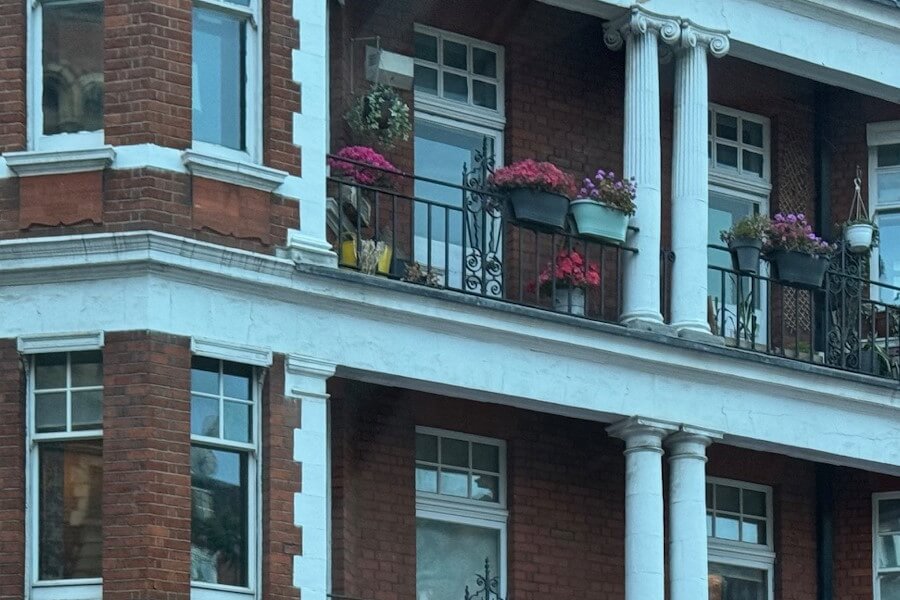
How are properties above commercial premises defined?
These will typically be flats that are located in the city centre or other busy shopping areas, and will be above a commercial premise. For example, you might recently have seen flats to let above fast food restaurants, clothes shops, and other businesses. These can be very attractive properties for some prospective homeowners who want to live in such a flat.
Before trying to sell such a home it’s crucial that you know whether you are the freeholder or the leaseholder of the property. Freehold refers to owning the property outright, whereas leasehold refers to having the right to live in the home under the terms of a lease agreement that typically runs from 99 to 125 years. Most flats above shops will be classified as leasehold rather than freehold properties.
Once you have resolved whether your flat is leasehold or freehold, the next step will be deciding how you want to go about finding a buyer for it. There are several options for selling, including getting in touch with a reputable quick buyer like LDN Properties, trying your luck at a property auction, enlisting the help of an estate agent or trying to sell without any assistance.
There can many explanations for why you want to sell the flat, such as wanting to downsize to a smaller property, coping with a change in your personal life like a divorce, needing to generate funds to resolve financial problems or anything else, and the way you choose to sell can vary in time taken and costs.
To help you with deciding how to sell your home, this guide provides important details about the advantages and disadvantages of all four selling methods. You’ll also learn about the various pros and cons that prospective buyers might associate with your flat because of its placement above commercial premises, with the aim of making the overall selling experience easier.
Benefits with selling a home above commercial premises
There are several benefits of being the owner of a flat above a shop, particularly if it’s on a busy street in a city where there is very high demand for residences and not much supply of homes on the market. If this is the case then you are in an enviable position when selling, and should think carefully about how much to ask when setting your initial sale asking price.
You can get a good rough estimate value of your flat’s worth by using a property website like Zoopla. Simply enter your address and you’ll be able to find out how much similar flats on your street or nearby sold for in recent months, which should help guide you in deciding how much to ask for your property. Just be sure not to rely solely on these values as they are only estimating, and you should get a professional valuation as well.
Another benefit of trying to sell such homes is that the business owner below likely wants to ensure their neighbourhood is kept in good condition, which can make your property seem more enticing to someone looking at potentially buying your home.
Potential problems with selling a property above commercial premises
Unfortunately, whilst there are times when a flat above a pub, shop or other business can be attractive to buyers, you’ll find as a seller you might face some potential drawbacks.
If the flat sits above a business that produces bad odours, such as a fast food venue where the smells drift up to your home, this could make it harder to find a buyer.
And if there are any other issues with the commercial premises, or with the neighbourhood itself that are tied to the business, this can also deter mortgage lenders from wanting to finance the purchase of the property. As such, you could struggle to find a buyer who can afford to buy your home if it has any of the potential problems that might affect its value on the property market or mortgageability.
However, if your flat fits any of the above descriptions there’s no reason to worry that you will never be able to find a buyer for your home. Your best choice could be to contact a fast property buying company such as LDN Properties that has experience purchasing homes of all types. They can likely make you a swift and competitive cash offer to buy your flat even in this situation.
Your options for selling a home above commercial premises
After reviewing the possible strengths and weaknesses with which buyers might view your flat, the next step is to choose from one of the four options for selling the property. The options are usually selling to an honest quick buyer such as LDN Properties, attempting to sell through a property auction, using the services of an estate agent or selling without any help.
There are notable benefits and drawbacks with all four of these methods based on the amount of time they might take, whether or not they charge commission, and more. For example, if you sell to a quick buyer then they should not require that you pay any fees, whereas you would have to pay an estate agent or auctioneer commission if they manage to sell your flat.
When you’re preparing to sell your flat, you should write down your main aims including whether or not you are willing to pay commission on the sale, how fast you want to find a buyer, and your ideal sale price. Then compare all of these issues against the specific information about the four selling options below, as this will assist you in identifying which one best suits your needs.
Selling to a quick home buyer
It’s a streamlined, no-stress and hassle-free choice when selling your flat to a quick buyer such as LDN Properties. These companies have the funds available to buy your home immediately, with no waiting for weeks or months to get authorised for a mortgage first to afford the transaction. This cuts the timeline down to just a few weeks from the start to the end.
In addition to the perk of such a swift sale, honest quick buyers also never charge sellers any commission when purchasing their properties, which helps reduce your expenses. That compares well to selling via an auctioneer or an estate agent, as those are two methods that will require that you pay a fee if they sell your home, and this is taken out of the final proceeds.
You will also find that quick buyers are a good choice for selling a home that could be more complicated to sell than a conventional property, for example a flat above commercial premises. The reason is that these businesses are renowned for making competitive and fair offers to buy almost any home regardless of its age, condition, location, shape, size or type.
LDN Properties, founded in 2003, buys all types of leasehold and freehold homes throughout the UK, including not only flats above commercial premises but also mews houses, off-plan properties, homes with a right of way, converted flats, houses with a loft conversion, properties near traffic lights, timber-frame homes, flats without a structural warranty, guest houses, student properties, mundic homes, new build flats and many other home selling situations.
If you would like to sell your flat this way, start by calling the quick buyer of your choice and within one hour you should receive a tentative offer on your property. You do not have any pressure to accept or reject the offer immediately, as you’ll have a week to consider it.
Should you agree to that initial offer, the quick buyer will then have one of their friendly representatives visit your flat in order to inspect the interior and exterior before the company makes a final offer. You would only have to agree to this single viewing when selling this way, compared to possibly dozens or more viewings by strangers when selling using other options.
And if you accept the quick buyer’s final offer, they will then work speedily with your solicitor or other legal representative to complete all of the mandatory legal papers and other steps needed to finalise the sale. From the beginning to the end this should all only take a handful of weeks, and that includes the time taken for exchanging contracts and paying you the proceeds, making selling to a quick buyer often by far the most rapid way to sell a property.
Selling through an auction
Auctioneers do most of the work needed to find a buyer, starting with creating a listing that describes your home and includes photographs of the interior and exterior. They will advertise this ahead of the auction to get potential buyers interested in your flat. And if your property manages to sell, they will also oversee the last stages of the sale.
It’s important to know that you will have to pay the auctioneer commission if your flat sells, and this will cause your costs to rise at it will be subtracted right away from the auction proceeds. Many auctioneers charge this fee at 2.5 percent of a property’s sale price, although the exact rate could be above or below this amount.
You could ask individual auctioneers if they are open to either having the winning bidder pay a share of your fee, or to reduce the amount of commission they will charge you, as either of these outcomes could help to lower your total expenses.
As part of selling using this strategy, you will have to choose a reserve price – this is the lowest price at which you can accept your home selling. You must select a price that is calculated to generate a profit even after you pay the auctioneer their fee. Otherwise you may only break even by selling close to the price you paid for the flat, or even worse end up selling at a loss.
It’s possible that you might be asked to select from selling your flat using either the traditional or the modern method of auction, so it can be helpful to know how both options work.
With the traditional method, your home’s listing will be promoted for many weeks or longer before the auction, and when the auction is held people can bid on your property for a small amount of time, with the top bid at the end of the auction deemed the winner.
By comparison, with the modern method, your flat’s listing will be advertised for a specific number of weeks or months, and during this time people can place bids on your home 24 hours a day, seven days a week. The top bid at the time the listing ends becomes the winner.
Whichever method you choose, you should understand that auctioning can be a very slow way to sell a property. You might have to wait many weeks or even months between the day that you opt for selling this way and the day the auction takes place. And if your home sells, the buyer usually has about a month to sign all the legal papers and complete the other actions required in order to finalise the sale.
If you’re looking to accelerate the auction, you could ask the auctioneer if they are open to reducing how much time the buyer has for doing these tasks. But beware that other auctioneers might give the buyer even more time than a month, delaying a sale even further.
Selling with an estate agent
One way to prevent having to put in much effort with the sale of your flat is by enlisting the support of an estate agent. They will take on the burden on producing a listing, advertising it in their office, online and in local newspapers, sorting out viewings and hearing offers from buyers, with the target of guiding a serious offer to the final exchange of contracts.
If an estate agent is able to sell your flat, they will charge you commission for their work done in finding the buyer. This fee is often charged within a range from 1.15 percent to 1.40 percent of a property’s final sale price, although it can lower or higher than this, as Move IQ says. The fee is deducted immediately from the final sale proceeds, which will increase your total costs.
Selling through an estate agent can take a long time and you should be prepared to wait many weeks or even months. If you are trying to sell your flat as fast as feasible, you may want to look at other options. For example, if you get in touch with a quick buyer such as LDN Properties then the entire timeline for selling the flat should only be a few short weeks.
Remember also that if you sell through an estate agent, someone can make an offer but then later on change their mind and cancel it. This would cause the sale the fall apart, and unfortunately there’s nothing that you can do to penalise the person for doing this unless contracts have already been exchanged. It would also delay a sale much longer because you would then need to start over with the process of trying to find another buyer.
You should also ask individual estate agents about their past experience and success rate with selling flats above commercial premises, because some companies might never have sold such a home before, which implies that they may find it harder to secure a buyer for your property.
Selling without any help
The other method for selling your flat is to do so on your own, which puts the responsibility on you to handle all of tasks needed to find a buyer. You will have to make a listing for your flat, advertise it, schedule viewings, hear offers and try to get one to the exchange of contracts.
This will require a significant amount of effort and time and that’s why selling without any assistance is typically suggested only for those people who have succeeded with selling a flat before, or who have a qualified family member or friend that can help with the sale for free.
Perhaps the only notable benefit of selling this way is that you would not need to pay any commission on the sale, which reduces your costs. But you may find that this saving is eliminated by the funds you need to spend on advertising your listing and other steps.
Selling on your own can also take a very long time, and you should plan on having to wait many months or even longer before you get an offer. And there’s always the risk that someone makes a true offer on your property but then rescinds it. This would prompt the sale to collapse, and add much more time to your selling schedule as you’d have to start again with seeking a buyer.
Questions and answers about selling your property above commercial premises
We have bought and considered many homes above commercial premises since launching our fast property buying company in 2003. During that time we’ve heard a number of questions from homeowners about selling such flats, and below you’ll find our top seven answers:

Your questions answered when selling property above commercial premises
No, but it might be more difficult than selling a house or flat that isn’t located above a commercial business. If you have a flat that you’re looking to sell and it’s situated over a shops or other commercial premises, your best option might be contacting a fast home buying company to get a quick sale in exchange for a cash payment.
Some prospective buyers can find it difficult to convince a lender to help fund their purchase of a flat if it’s above a fast food restaurant because of the potential for bad smells that could affect the property, making future resale of the flat harder. Still, flats in busy areas can secure mortgages simply because of the very high demand for them.
The answer depends entirely on the individual circumstances of your home. If your flat is situated above a fast food restaurant where bad smells waft up to your property, it will be harder to find a buyer. If your flat is above a quiet business in a decent and popular neighbourhood, it will be easier to try finding a buyer for your home.
Yes, there are a few reasons why a potential buyer might be more interested in your flat above commercial premises compared to other properties. One primary explanation is if the home is situated in a popular location where demand for flats is high, such as a city centre. You may also find that the owner of the business below keeps the building in a good condition.
There are typically four options available to find a buyer for almost any type of property, and these are selling to a legitimate quick buyer like LDN Properties, selling at an auction, selling with an estate agent or selling on your own. Be aware that there are clear advantages and disadvantages with all four choices based on their costs, typical timeline and more.
You will find that the fastest way to find a buyer for practically any home is getting in touch with LDN Properties or another quick buyer, because it should only take a few short weeks until you exchange contracts and receive the sale proceeds. Selling at an auction, with an estate agent, or without any assistance can all take on average several months at least.
Not necessarily, as it will depend on which method you choose to sell your property. If you sell to a zero-commission quick buyer like LDN Properties or sell without any assistance then you will not have to pay any fees. But if you sell through an estate agent or an auctioneer then you will have to pay them commission if they succeed in finding a buyer for your flat.