Quick navigation
Built in the 18th and 19th centuries, mews houses were originally living spaces for staff at mansions in highly desirable parts of London. Now used as private homes, there are several reasons why a buyer could want to own your mews house – but there are also some hurdles to receiving a competitive and swift offer, and this guide explains how to overcome them.
- What type of property is a mews house?
- How are mews houses different from other homes?
- The downsides of trying to sell a mews house
- Reasons why buyers could want your mews house
- Deciding how to sell a mews house
- Selling a mews house: Questions and answers
What type of property is a mews house?
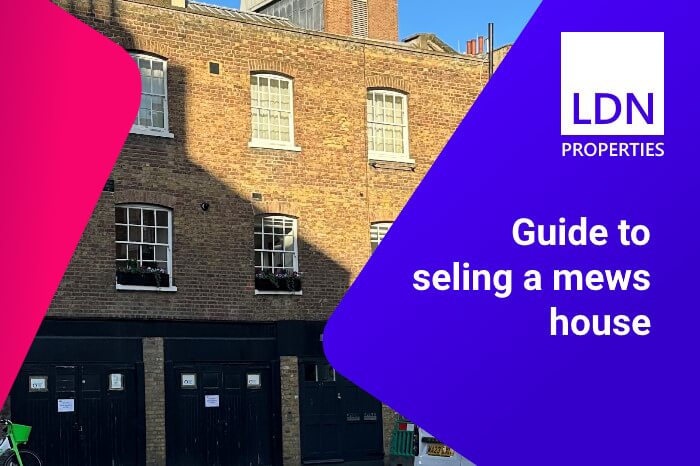
Once used for keeping stables and carriages in the 18th and 19th centuries, mews houses are now often in-demand properties that offer exclusivity, privacy and other appealing features.
They’re named mews houses based on the Royal Mews, which as Wikipedia explains is a group of horse stables owned by the royal family. The Royal Mews were first located near to Charing Cross in London but during the 1820s they were relocated to Buckingham Palace, where they remain to this day. The stables usually had a second floor that provided accommodation for the staff working at them.
Starting in the early 1900s, the properties started to be converted into houses as demand for places to live increased in London and elsewhere, and they were known as mews houses.
Because they were built for staff working at mansions, mews houses are located in central, highly sought after locations in London such as Mayfair. The same is true in the handful of other cities throughout the UK where you can find mews houses constructed around the same time.
If you are the owner of a mews house and looking to sell it, this guide seeks to help you by outlining the various pros and cons that buyers might associate with this type of property. It also provides information on the several options that you have for how to sell your home, offering tips on the best methods to boost your prospects of receiving a quick and fair offer.
How are mews houses different from other homes?
There are several different elements of a mews house that differentiate them from any other type of property, and several of these factors can be seen as attractive to buyers.
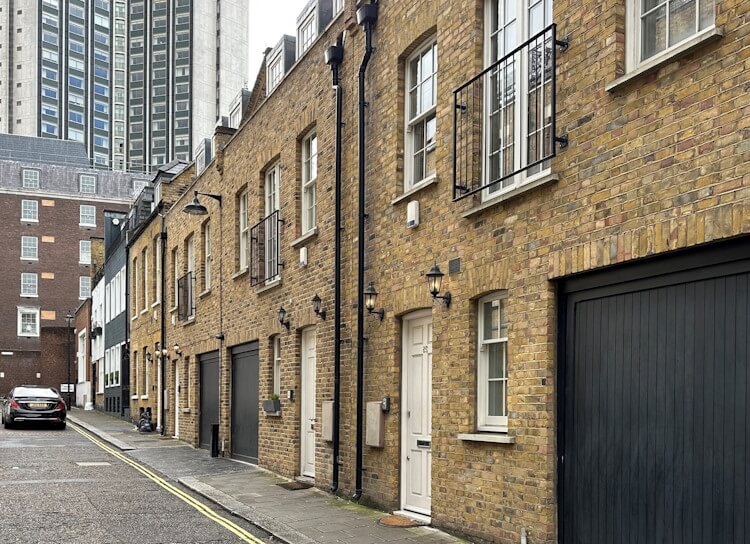
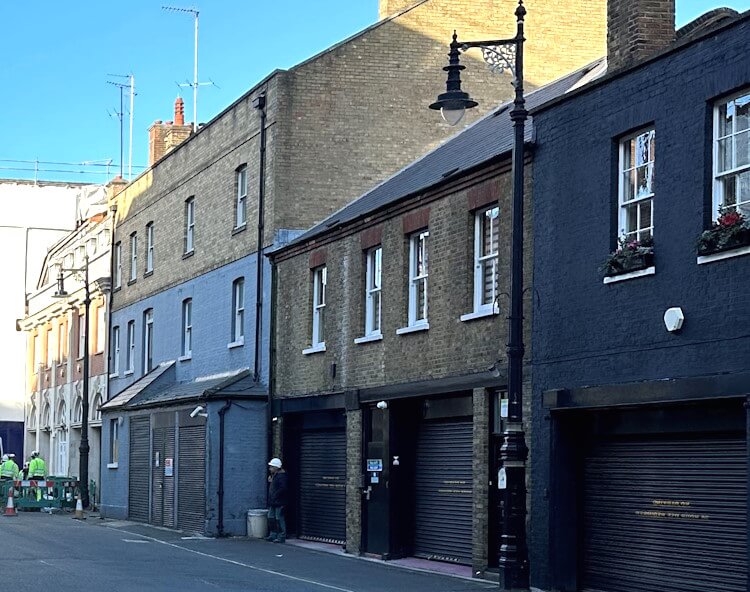
Mews houses were built behind mansions away from the public’s eye, and therefore you’ll often find them located on private, quiet cobbled streets in courtyards set far back from a city’s busy roads, as Plaza Estates notes. That differs from a wide range of houses, flats and other properties built facing noisy streets.
Many mews houses also have parking on-site, usually because one of the former stables or carriage houses was converted for that use, or there will be parking in the courtyard.
Another aspect that helps to define mews houses is their central location in London, usually in areas that have remained in high demand for luxury properties throughout the centuries.
Because they are often tucked down cobbled streets, mews houses also usually don’t have any large yard or garden because the space simply isn’t available. As a result, residents of these properties will often put some potted trees or plants throughout the courtyard.
The downsides of trying to sell a mews house
Unfortunately, there are a few reasons why a buyer could be reluctant to make an offer on you mews house. Some of the below issues can be useful to know because they may explain why it’s taking longer than you hoped to sell.
Several of these possible drawbacks are factors that you will not be able to change about the property, but that does not mean you will never be able to find a buyer. For example, if you are struggling to sell your home then you could contact a quick buyer like LDN Properties, as these companies make fast and fair offers to purchase almost any type of property, regardless of any aspects associated with the house that other buyers might view as dealbreakers.
No garden: Although mews houses will generally be constructed around a courtyard, these properties almost always lack a garden, yard or other type of green space. That might be enough to cause some buyers to lose interest, if one of their main aims with purchasing a property is finding somewhere that has a large garden that they can enjoy.
Lighting issues: Due to their original use as stables or carriage houses, mews houses tend to have lower ceilings than other properties, smaller rooms and fewer windows, meaning the home will get much less natural light than other types of houses or flats. That could be a dealbreaker for a buyer that is looking to purchase a property with plenty of natural light.
Planning limits: Given their history, many mews houses are listed properties and this can make it much harder to get planning permission to make any significant structural changes to the home. This might be enough to make a buyer lose interest, if they only wanted to purchase your mews house if they would be able to make major renovations to the home.
Reasons why buyers could want your mews house
There are a number of factors that are specific to mews houses that can make them more enticing to potential buyers, as noted on Lurot Brand’s website. It’s often a good idea to learn about these attributes because you can focus on promoting these to generate interest your property.
If you are finding that there are challenges with selling your mews house for any of the downsides listed in the prior section of this guide, some of the benefits below could offset them.
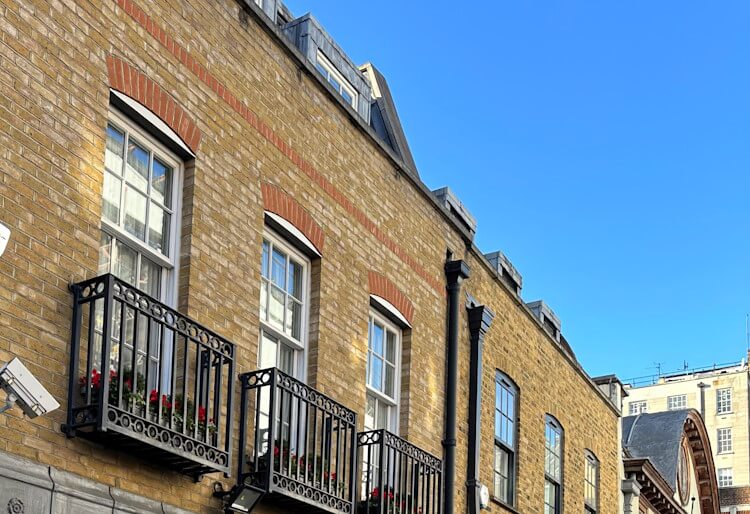
Greater privacy: Mews houses were built out of public view by the owners of mansions, so that their staff could go to and from work discretely. In the present day, this means that mews homes offer increased privacy to owners because the properties are located down quiet, secluded cobbled streets, and that could be very appealing to many prospective buyers.
Historic value: Because mews houses were built in the 1700s and 1800s, they have a historic status and this can be very appealing to buyers looking for an old home. The exterior of the property will not have changed much in hundreds of years, and this can be seen as a plus to many people.
Parking space: Anyone who owns a car and is looking to buy a property in the city centre will likely place a priority on finding a home that has parking spaces available, but they can be hard to find. Mews houses are unique in that they often have places to park a car, whether that’s in the courtyard for the property or because part of the structure was converted to a garage.
Deciding how to sell a mews house
The unique appealing aspects of a mews house mean there could be many buyers interested in owning it, as Urbanist Architecture says. But before getting an offer, you’ll need to select a method for selling.
Your four standard ways to sell a home are to a quick property buyer, with an estate agent, without any assistance or at a property auction. Some of these methods have notable disadvantages, like potentially having to wait more than a year before finding a buyer when you sell on your own. Other choices have strong advantages, for example being able to avoid paying any commission if you opt for selling your home to a zero-fee quick buyer.
A useful tip to help you decide which method to use is to write down your aims with selling, including whether you’re open to paying any fees, how long you are willing to wait before securing a buyer, and your target sale price. Compare these goals against the details of the four selling options below and this should help you find the closest match for your needs.
Selling to a quick property buyer
Selling with an estate agent
The second way to sell a mews house is with an estate agent, who will prepare a listing that features photographs of the inside and outside of the property, and then advertise this in their office, online and in local newspapers. Estate agents will also schedule viewings to take anyone interested on a tour of your property, and they’ll hear any serious offers from buyers.
Whilst this can help to cut your workload and stress when selling, estate agents will charge fees for the effort they put in to finding a buyer. This is charged as commission, often within a range between 1.15 percent and 1.40 percent of the home’s sale price, and the fee will be subtracted immediately from the final sale proceeds, which will add to your overall expenses.
It’s possible that some estate agents might charge less than 1.15 percent, or be willing to negotiate a lower rate, but beware that other companies may charge more than 1.40 percent, so if you want to reduce your costs with the selling process then you should review other options.
If you’re looking for a fast sale, this is not the best choice because it can take several months or longer to find a buyer. And someone can make an offer but then withdraw it and make the sale fall apart, and if contracts haven’t been exchanged they can do this without facing a penalty. This will delay a sale further because you’ll need to start over with searching for a buyer.
Some estate agents might also have zero experience with selling a mews house because it is a unique type of property, and this implies that they could find it difficult to know how to get buyers interested in your home. Ask individual estate agents if they have ever sold a mews house in the past, and opt against using the services of anyone that does not have this track record.
Selling without any assistance
The third choice to find a buyer for your mews property is doing so on your own, which puts the responsibility on you to create a listing, advertise it, schedule viewings and hear offers.
This can be a very time-consuming and highly stressful approach to selling because it is not something that you’ll only be able to focus on whenever you have spare time. It could take more than a year to sell this way, unless you have had prior success with selling a mews house, or you have a qualified family member or friend that is willing to assist you at no cost.
Remember also that someone might make an offer to buy your mews house but then change their mind and rescind it. This would not only cause the sale to collapse, but it would also add more time to your selling schedule because you’d need to start again with seeking a buyer. And someone can make and offer and cancel it without penalty, if contracts are not yet exchanged.
The clearest advantage of selling this way is that you will not need to pay any commission to an auctioneer or estate agent for finding a buyer. But it’s possible that this cost saving could be eliminated by the funds that you’ll spend on marketing your home and other tasks.
If you’re committed to avoiding fees when selling, consider instead selling your mews house to a quick property buyer. These companies, like LDN Properties, never charge owners any commission when buying their homes. And they have the additional benefit of being able to typically finalise the process of buying any property within a handful of weeks – and this covers the time required to exchange contracts on the home and pay you the full proceeds.
Selling at a property auction
The fourth option to sell a mews house is at an auction, which is a gamble because you don’t know if your property will even receive any bids. If it does not, then it goes unsold and you will have to begin again with trying to find a buyer, delaying your selling timeline further.
There are two types of auction: modern and traditional. With a modern auction, as soon as the listing for your home is online, people can place bids on it 24 hours a day, seven days a week, until the listing expires, at which time the top bid is deemed the winner and person buying your home. With a traditional auction, the listing for your property will be advertised for many weeks or longer, but people can only place bids during a limited window on the day the auction occurs.
You may only get a single bid at the reserve price, which is the lowest price that you agree to sell your home. If someone places a bid at this value, it is a legally binding and enforceable agreement for you to sell the property. For this reason, you must choose a reserve price that should generate some sale profit, even after paying the auctioneer their fees.
The typical auctioneer will charge 2.5 percent of your home’s final sale price as their fee, and this will increase your costs because it’s taken out of the proceeds immediately. You can always ask individual auctioneers about whether they are open to reducing the commission they’ll charge, or passing on some of your costs to whoever places the winning bid on your home, as either of these outcomes can be useful strategies for lowering your selling costs.
Auctioneers charge this for their effort involved with selling your mews house, starting with putting together and advertising a listing, and hosting the auction. They’ll also oversee a successful auction of a property, ensuring the buyer completes their various tasks.
This is not a rapid way to sell a home because there are a few extended waiting periods, starting with a delay of weeks or months between the date that you choose this method and the date that the auction is held. If your property does manage to sell at the auction, the buyer often gets about a month to sign the required legal papers and complete their other duties.
There are some auctioneers that might be willing to set a tighter deadline for the buyer to finish these steps, so it is worth asking whether that might be feasible. But note that other auctioneers could have a standard policy of giving buyers even more than a month to finish their tasks.
Top queries and answers about selling a mews house
Launched in 2003, LDN Properties has bought many mews houses, and you can read some of our answers to the questions that owners of these homes can ask us.
Your top questions when selling a mews house
Starting in the 18th century and continuing through part of the 19th century, owners of mansions in London built stable and carriage house space behind their properties in secluded courtyards, with living room for their staff, known as mews houses. These structures were ultimately converted into full private residences and are often seen as an in-demand property.
Mews houses are a distinct type of property that primarily share the unique aspect of having enviable central city locations, whether that’s in London or elsewhere. They are usually located down secluded, cobbled streets and have a courtyard with parking for residents. Mews houses often also don’t have any garden or other green space because of where they’re situated.
Whilst mews houses are often seen as a popular type of property, buyers might nevertheless have a number of concerns about owning such a home. These include the fact that mews houses often lack any type of garden or other green space, along with these properties usually having reduced natural light compared to properties not tucked down secluded streets.
Your mews house has several attributes that could make it much more enticing to certain buyers, including its prime city centre location, the fact that it likely has a parking space within the courtyard or a converted part of the property, increased privacy because the home is located away from busy streets, and other benefits that can help with getting an offer.
If you are looking to sell your mews house then you generally will have four approaches available to choose from. These are selling to a quick home buyer like LDN Properties, selling with an estate agent, selling with a property auctioneer or selling without any assistance. You should review the pros and cons of each option before making a final decision.
Only if you decide to sell using the services of an auctioneer or an estate agent, and this will cause your selling expenses to rise because the fee is debited immediately from the final sale proceeds. But you can avoid to having pay any fees at all if you choose to sell your home without any third-party help, or sell to LDN Properties or another no-commission quick buyer.
This depends on which method you use for selling the property, because you can expect to wait many months at least before exchange of contracts when using an estate agent, a property auctioneer or selling without any help. By contrast, it should only take a handful of weeks to complete the sale when you get in touch with an honest quick buyer like LDN Properties.