Quick navigation
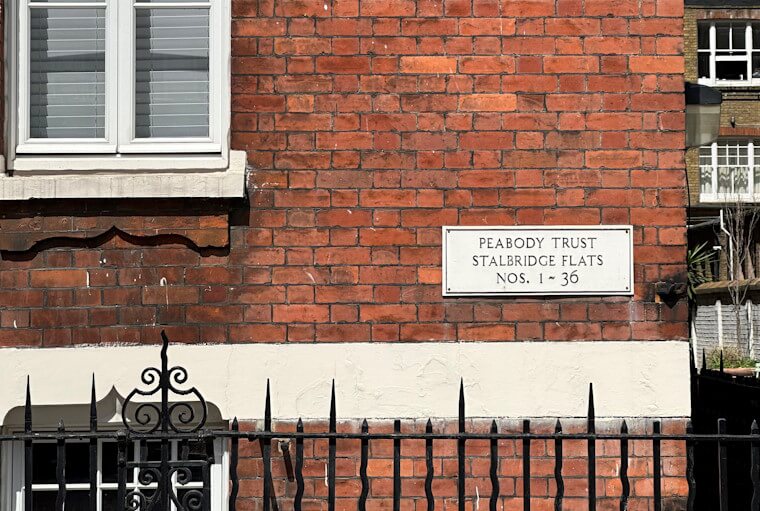
Construction on Peabody properties started in 1862 in London and there are now more than 100,000 of these homes throughout the UK, with a large number that have been sold off over the years and are now in private hands. If you are the owner of a leasehold or freehold Peabody property, this guide explains the best strategies for attracting a quick and fair offer. We are not associated with The Peabody Group and would encourage you to learn more by visiting their website directly.
- What type of residential property is a Peabody home?
- Disadvantages buyers might associate with your Peabody property
- Factors that can impact selling a Peabody home
- How to prepare your Peabody property for sale
- Four methods available for trying to sell a Peabody home
- Selling a Peabody property: frequently asked questions

What type of residential property is a Peabody home?
In 1862, the American philanthropist and banker George Peabody launched the Peabody Trust that took a progressive view to funding housing for those living in poverty. He was fond of London and wanted to find some way to donate to making its future more equitable.
The trust launched with the goal of providing homes to the “artisans and labouring poor of London,” as noted on its website. Peabody funded it with an initial donation of £150,000 and the first of the properties built with this money were completed in 1864, and construction continued regularly since then.
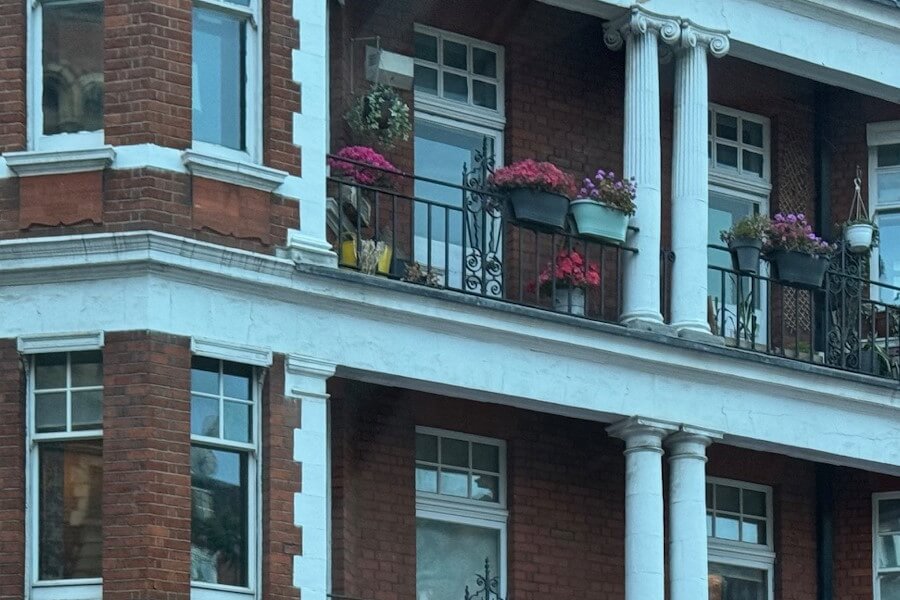
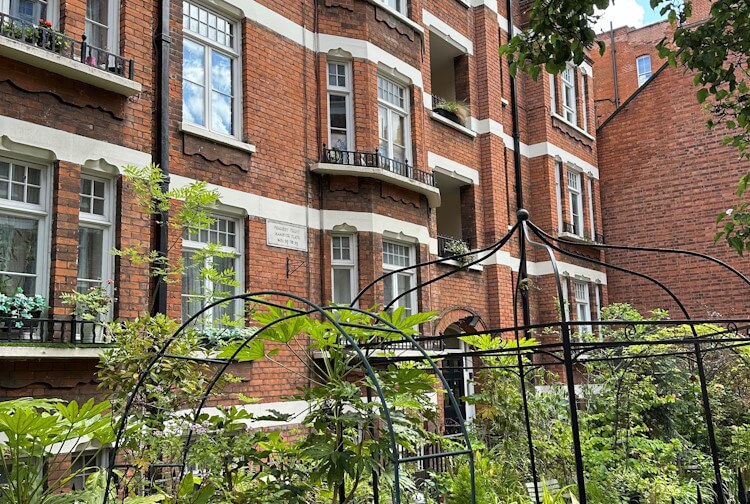
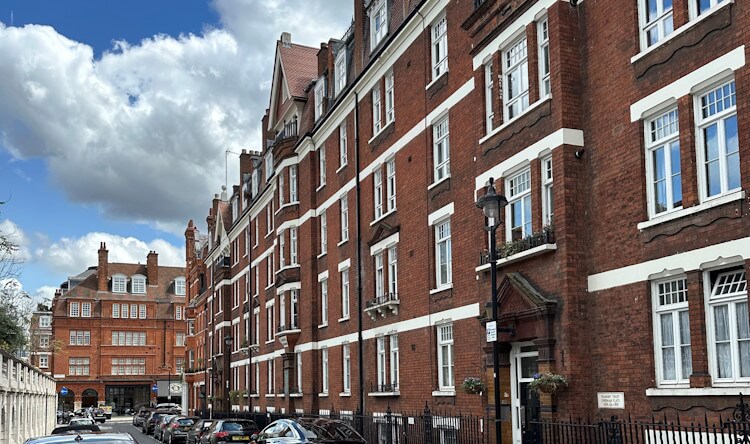
Today there are more than 100,000 Peabody homes located not only in London but also in the home counties and some of them are flats, others are detached houses and more. The properties are a mix of Victorian-era buildings and more modern, largely leasehold, homes.
If one of these properties is leasehold it means that the owner pays an annual ground rent and other fees to Peabody in exchange for having ownership of the home for a set number of years as outlined in the lease agreement. Other Peabody homes have been sold to private owners over the years and may now be freehold, meaning the buyer owns it outright.
Whichever type of Peabody home you own, there can be many reasons for planning to sell it, including wanting to upsize to another home, needing funds to cope with financial difficulties, preparing for a move overseas and many other situations. Whatever your scenario, this guide provides useful support in how to make receiving a quick and fair offer more likely.
You will be able to learn about the advantages and disadvantages that buyers might associate with this type of property, and also how to potentially address some of these issues.
And there are also details on the different ways that you can attempt to find a buyer for your house, including information on how long they will take and whether you will have to pay any commission when selling, to hopefully make the selling process smooth and stress-free.
Disadvantages buyers might associate with your Peabody property
One of the challenges with selling a Peabody home is that there can be certain issues with this type of property that may discourage some buyers from eventually wanting to make an offer. It must be noted that the issues mentioned below are by means specific to Peabody homes, they affect many other types of property too.
Some issues with your home can potentially be fixed, for example you can repair large-scale structural damage before selling if you have the time, money and interest in doing so, and eliminate buyers’ concerns. Other drawbacks may be impossible to change, for example if your property is located in a neighbourhood with a high crime rate or other problems.
Expensive charges: One BBC News story recently highlighted concerns from residents over high rent at Peabody homes. If your property is subject to a costly annual ground rent or service charge, this could be a major negative factor for some buyers – particularly if they are seeking a home on a limited budget and the charges would be too much to afford on top of any mortgage repayments.
Unenviable location: This is a factor that there is not much you can do about but it’s also useful to recognise because it might be a determining element for certain buyers in deciding whether or not to make an offer on your property. Peabody homes that are located in busy, central parts of London and close to many amenities are likely to be in higher demand that properties situated in areas that are hard to access, have high crime rates and other issues.
Problem property: There could be one or more negative elements of your Peabody house or flat that make buyers see it as a problem property that is either only worth a significantly reduced offer or not even buying. The list of such issues is long and includes infestations, structural damage to the interior or exterior of the home, legal and regulatory problems and other drawbacks.
Factors that can impact selling a Peabody house
Don’t be worried that the potential drawbacks that certain buyers might associate with a Peabody home will make it impossible to sell yours. There are also a number of potential advantages that other buyers will be able see with this type of property, and as Wikipedia notes the housing association has helped hundreds of thousands of people in London and the home counites be able to find a place to live.
Learning about these factors can be a useful step in the selling process because you can focus on promoting these aspects of your property when you are talking to potential buyers. And some of the beneficial aspects of your house might even outweigh concerns that some people may have about other parts of the property, and they will then proceed with making an offer.
Unique history: Many Peabody homes were constructed decades or longer ago and therefore they have a much more one-off look compared to modern day properties, which can be a great attraction for certain buyers. You might also find that people who are familiar with the lengthy history of the Peabody Trust are interested in owning of these homes because living in a Peabody house or flat lets them claim to own a small piece of history.
Desirable area: Just as an unenviable location can be a significant factor explaining why someone might lose interest in a property, the opposite is true when your Peabody house or flat is located within a highly desirable neighbourhood. For example, if the home is situated within the centre of London, has a low crime rate, offers a good range of amenities, shops and decent public transportation then this will help to make your home more attractive to buyers.
Affordable fees: You might find that there are Peabody properties that have charges like service fees or ground rent that are less than the average for the neighbourhood where the property is located. This can be a great reason why a buyer could have more interest in making an offer on your home, particularly if high service charges or ground rent are the reason why that some person lost interest in making an offer to buy another leasehold flat.
How to prepare your Peabody property for sale
Getting your Peabody house or flat ready for sale is another important step, and this largely involves cleaning it and making it appear well-maintained for any buyers that see it.
With the interior of a property this means you should clean up after any pets, tidy each room and remove as much clutter as feasible because this will make the home appear larger and therefore worth a higher offer. These are simple and low-cost tasks that nevertheless can play an important role in whether or not someone wants to make an offer on your home.
For the exterior of a property, you might be able to replace the front door with a more visually pleasing version, paint over chipped window ledges, replace missing roof tiles, and weed and mow the garden or other green space. A home that looks to be kept in great condition outside will be looked on more favourably from buyers than one that looks like it’s in a bad condition.
If your Peabody home is a flat then there will be less work you can do to make the exterior appear more attractive to buyers. If you have access to any green space at the property you can also mow and weed it.
Another issue to think about occurs when your home has a prominent problem, for example structural damage such as storm damage. Buyers could see this damage and reduce their offers by at least the amount of money they think it would cost them to fix it as the new owner.
To avoid this situation occurring, you could spend effort, funds and time on work to repair the problem before trying to find a buyer, therefore hopefully resulting in better offers. But there are many owners that will not want to launch what could be lengthy and costly work before selling, and the good news is there are still other ways that you can attract a fair and fast offer.
One such answer is getting in touch with LDN Properties or another quick buyer because these companies make competitive offers to speedily buy almost any type of home, including those considered to be problem properties – and the next section offers more details about this.

Four methods available for trying to sell a Peabody home
Deciding how to find a buyer for your Peabody property is a crucial step and can affect your final selling expenses, timeline and more. The four standard ways to sell this type of property are with an estate agent, to a quick buyer, at an auction or without any third-party help.
There are clear benefits and drawbacks associated with the various selling methods, such as the pro of being able to avoid paying commission if you sell to a legitimate no-fee quick buyer such as LDN Properties, or the con of maybe having to wait more than a full year to sell your home should you decide to do so without any support from an auctioneer or estate agent.
Consider noting down your top goals with the sale of your home, such as your preferred selling price, whether or not you are open to paying commission and how long you are prepared to wait before selling. Then you can compare these factors against the specific information about all four methods below in order to identify the choice that best pairs with your situation.
Selling with an estate agent
You can avoid putting in much effort with the sale of a Peabody home when using an estate agent because they will handle all of the tasks needed to find a buyer.
This starts with putting together a listing that describes your home and includes photographs of the interior and exterior, then advertising this in their office, online and in local newspapers. Next they will organise viewings to give people a tour of your property and then they will listen to any offers from prospective buyers, and hopefully guide one to the exchange of contracts.
Many estate agents charge commission between a range of 1.15 percent to 1.40 percent of a home’s final sale price but the actual amount might be higher, as Agreed says. This fee will be taken out of the eventual sale proceeds so this will increase your overall expenses with selling this way.
Selling via an estate agent is also not a swift way to find a buyer because it can take more than a full year. And someone can make an offer but then cancel it, and they can do this without facing any penalties if you have not yet exchanged contracts. This will inevitably extend your selling timeline because you will have to start over with attempting to find a buyer.
Selling to a quick buyer
Or you might want to sell your home to a quick buyer – these are companies like LDN Properties that have the funds available to immediately buy Peabody homes without needing to wait for many weeks or months to first get approved for a mortgage to pay for the purchase.
Quick buyers are also experts at making competitive and fast offers to buy practically any leasehold or freehold property regardless of its age, condition, shape, size or type. And this includes Peabody properties, even those that currently have a significant structural problem like damp or dry rot that the owner is trying to sell “as is” in its existing condition.
As the name of these companies suggests, quick buyers can also complete the purchase of your house or flat on a very speedy timeline. They will typically take just a few short weeks to finish buying your home and this includes exchanging contracts and paying you the proceeds.
Note also that honest quick home buyers should never charge you any commission when they purchase your property, which means that you are guaranteed to receive the full sale proceeds. That contrasts to selling through an auctioneer or an estate agent because they will charge you commission and this will be taken out of the sale proceeds, increasing your costs.
One key step when selling this way is to ask a quick buyer if they belong to The Property Ombudsman (TPO), which is an independent organisation that publishes regulations to shield homeowners from scams in the quick buying industry. All true TPO members like LDN Properties must follow these rules, which should give you extra peace of mind. Never sell your home to a non-TPO member because there’s the risk it may be a fraudulent business.
Selling at an auction
A third method for selling a Peabody home is at an auction, where the auctioneer will produce a listing for your house or flat, advertise it to get buyers interested, host the auction and then oversee what will hopefully be the successful sale of your property.
This is not a rapid way to find a buyer for your home because there is plenty of waiting involved, including many weeks or longer between when you opt for selling this way and when the auction takes place. Then if you home does sell at the auction, the winning bidder has about a month to complete their tasks to finalise the purchase, such as signing various legal documents.
It is worth asking if an auctioneer is open to reducing how much time they give potential buyers for these tasks, because a shorter deadline can result in a quicker sale. But beware that some auctioneers might set an even longer timeline than a month for the buyer to finish the various items, which would inevitably result in a slower sale than some of the other approaches.
You will also have to pay commission if you choose to sell your property with an auctioneer, and your costs will rise as a result because this fee is taking out of the final auction proceeds. The typical rate an auctioneer charges is 2.5 percent of a home’s sale price. If you are looking to reduce expenses with selling then you may want to review some of the no-fee options in this section, such as contacting a quick buyer or selling without any assistance.
There are some auctioneers that might be willing to reduce the rate of commission that you’ll be required to pay, or have the winning bidder pay a share of costs. Just note there is no obligation for the auctioneer to agree to this outcome, and it will be specific to each company.
Selling without any third-party help
Another option for selling your Peabody home is doing so privately without help from an auctioneer or estate agent. This will require that you handle all the work involved with selling, including making and advertising a listing, planning viewings, hearing offers and hopefully exchanging contracts.
Unless you have previous experience with selling a Peabody home, or have a qualified family member or friend that is willing to help at no cost with the selling process, this can quickly become a very long and stressful process (as is the case when selling any type of property). You should be prepared to wait more than a year before you receive a serious offer from a prospective buyer when selling on your own.
Also, someone can make an offer to buy your home but then later reconsider and withdraw this offer. This will cause the sale to fall apart and the buyer will not face any consequences if you have not yet already exchanged contracts. And you would then have to begin again with seeking a buyer, which will add even more time to your overall selling schedule.
The only obvious advantage of selling without any assistance is that you would not have to pay any commission to an auctioneer or estate agent for selling your home. But this saving might be wiped out by the funds you will spend on advertising your listing and other steps.
Instead, think about selling to a no-fee quick buyer because not only will you get to escape having to pay any commission with the sale of your Peabody but you would also benefit from the fact quick buyers can finish the process of buying a home in just a handful of weeks.
Selling a Peabody property: frequently asked questions
Launched more than 20 years ago, LDN Properties has bought many homes across the UK. Here you’ll find our answers to seller’s top queries about these houses.
Your top questions when selling a Peabody property
Peabody properties are those that were originally built by the Peabody Trust, which the American philanthropist and banker George Peabody launched in 1862 in London to help give more people homes. Since that time the housing association has gone on to build more than 100,000 homes in the city and home counties, helping to house more than 200,000 people.
As with any type of home, you may find that there are certain aspects about your Peabody property that make it harder to sell. If it’s a leasehold flat and there are very high service or ground rent charges then this will discourage some people, and the same is true if your home currently has a widespread problem that needs fixing such as structural damage.
One of the strongest explanations for why someone might want to make an offer to purchase your Peabody home is if it is located in a very desirable part of London or wherever else it is situated. Another reason why a prospective buyer might want to own your home is that they like the history associated with it and the Peabody Trust and this leads them to make an offer.
There are four standard options to choose from when trying to sell your Peabody home and they are selling with an estate agent, selling to a quick home buyer such as LDN Properties, selling with a property auctioneer or selling without any assistance. There are clear pros and cons with each method in terms of how long they take, whether they charge commission and more.
You might not have to pay any commission if you choose to either sell your house without any help or if you sell it to an honest no-fee quick buyer like LDN Properties. But you will need to pay commission if you instead decide to sell your home through an auctioneer or an estate agent. This fee will add to your total costs because it will be taken out of the sale proceeds.
As is the case with all properties, it can take more than an entire year to find a buyer for your Peabody home if you opt for doing so on your own or using the services of an estate agent, and selling at an auction will likely take at least a few months. The most rapid way to sell is by contacting LDN Properties or another quick buyer because from start to end the entire timeline will be just a few short weeks.
Yes, but only sell to a company that can prove it is registered with the independent entity called The Property Ombudsman (TPO). TPO writes rules to protect owners against fraud in the quick buying industry and all members, such as LDN Properties, must abide by those policies. Be careful selling your home to a company that can’t prove it is a TPO member as it may be a scam.