Quick navigation
Owning a freehold or leasehold home that is situated by a junction can create some extra hurdles with trying to sell the property, because some buyers might be deterred by the noise and pollution from cars and other problems associated with living near busy roads. This guide explains how to ideally get a fast and fair offer for your home at a junction.
- Owning a house or flat located near a junction
- Difficulties with selling a home by a junction
- Reasons buyers might want a house at a junction
- Preparing your home by a junction for sale
- Paying Capital Gains Tax when selling your property
- Your options for selling your house near a junction
- Top queries about the sale of a home at a junction
Owning a house or flat located near a junction
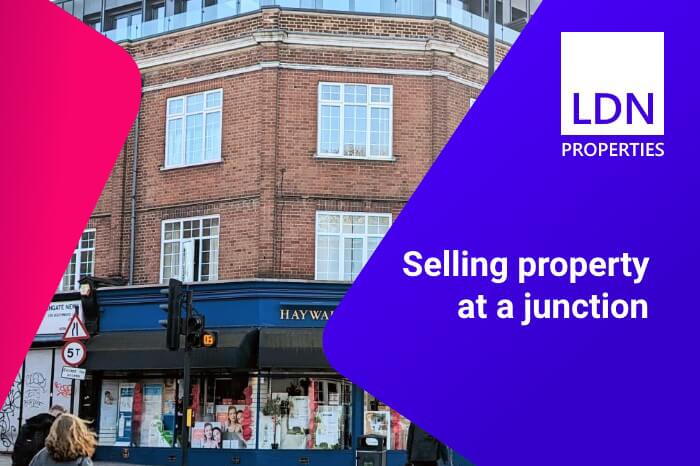
Found throughout the UK, junctions are road interchanges that connect towns, cities and more with at least two roads. Some of these junctions can have heavy traffic day and night, with perhaps the most notorious being "Spaghetti Junction" in Birmingham, which as Wikipedia explains got its name from journalists mocking the twisting roads and overall complexity of the junction.
Because you will find junctions across the country, many of them have freehold or leasehold homes nearby – either those built before the junction or after it was constructed.
Your home will be freehold if you own the land on which it is located and the property you live in outright, whereas your home will be leasehold if you pay a freeholder an annual ground rent and in exchange you own the property for a set period as specified in your lease agreement.
No matter what reason you have for wanting to sell your home – whether it’s because you are relocating to another part of the UK or overseas, selling due to financial difficulty, dealing with a change in your family circumstances, or anything else – this guide will offer you important advice on barriers you may face in selling, and also tips on how to best get a fair and swift offer.
Difficulties with selling a home by a junction
Understanding the reasons why buys could be disinterested in your property is an important part of the selling process. You might not be able to fix certain problems, such as the location of your home being near a junction, but having a grasp of why these factors are turning off buyers may help you to answer their concerns with reassurances that help reduce those fears.
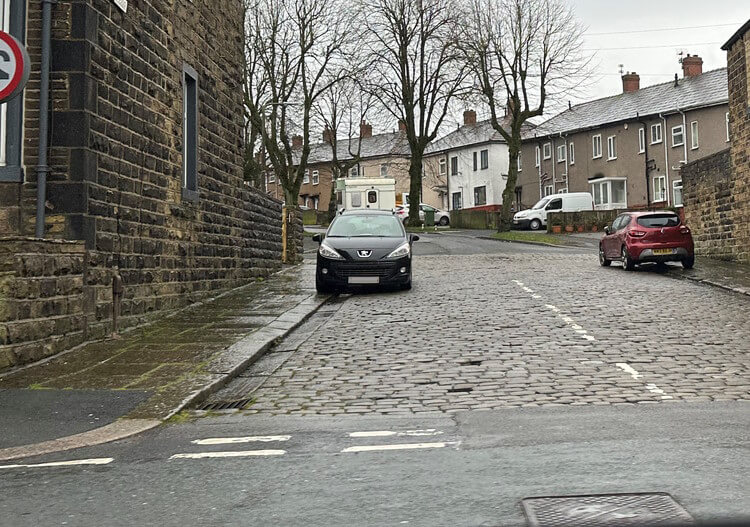
One of the primary concerns that buyers will have with a house or flat situated near a junction is the noise from the trucks, cars and other vehicles that will be using the busy road, as the property design website Ideal Home explains. For homes located just a few hundred feet from a junction, the noise from vehicles may be significant and hard to ignore.
One potential solution for this problem is to install extra insulation at your property, which might help to reduce the amount of noise from the junction that you can hear indoors. But depending on your budget and the size of the property, this might simply not be a viable option.
Another drawback that buyers might associate with a home that’s located by a junction is concern about the emissions from the vehicles on the road. Cars, trucks, buses and more emit greenhouse gases and other air pollutants, and these can drift in the air and negatively impact the air quality in and around your home, and indoors if you leave the windows open.
There’s not a great deal that you can do to reduce the impact of emissions on your property, but installing extra trees and bushes in any garden or other green space that you have might be an option. But it’s also entirely possible that you simply don’t have the time or money to plant these items before selling, so you’ll have to be aware of the pollution concern some buyers may have.
Reasons buyers might want a house at a junction
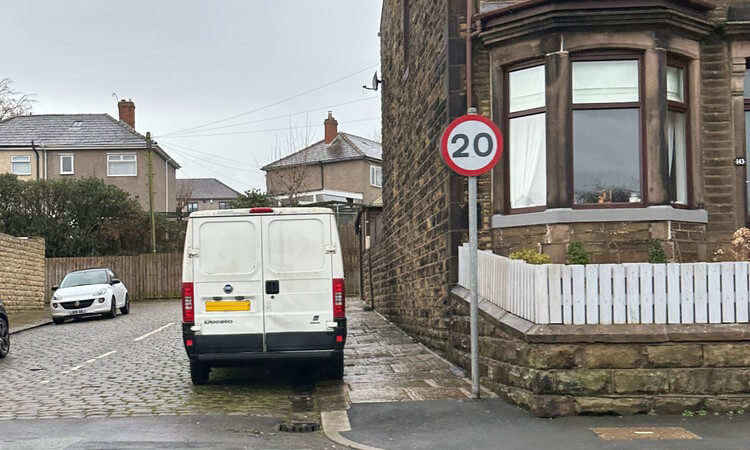
Although noise and air pollution are two major problems that buyers might associate with your home because of its proximity to a junction, there are some benefits they may see as well.
Some properties located by a junction might also be close to an industrial estate, because the junction will provide easy access to roads for the vehicles that are frequenting the businesses nearby. If a potential owner works at that industrial estate, they may be in the market for a property that is very close to their business, and this could make them look more favourably at your flat or house.
Other potential owners might also like the location near a junction because it makes it much easier to travel to other places, whether they are frequently on the road for work or pleasure. In this case, being closer to heavily used roads would be a plus for this category of buyers.
Additionally, but not necessarily to your benefit, is the fact that some buyers might consider properties located near a junction to be less valuable than other homes, and so they could be more interested in exploring the potential of owning one. The negative implication for you, however, is that it means buyers will likely reduce how much they’d like to offer for the home.
You could get around this outcome by contacting LDN Properties or another quick home buyer, because these companies will make competitive and rapid offers to buy almost any type of house or flat and they will ensure you get a fair rate even for a property near a junction.
Preparing your home by a junction for sale
An important part of selling your leasehold or freehold home by a junction is getting it ready for sale, and this can involve simple steps, major work on the home, or a combination of both.
The easy, low-cost or no-cost actions that you can take include tidying up the interior, making sure each room is as clean as possible, and that you’ve removed as much clutter as you can in order to make the property appear larger to people that may visit the home on viewings. If you’ve got any pets it’s also a good idea to secure these away from any visitors you may get.
With the outside of your home, if you have a garden, yard or any other type of green space then you should think about mowing and weeding it, and then looking at the property to see if there are small-scale improvements that could be make, like replacing any missing roof tiles.
Buyers will place a lot of importance on their first impressions of your home, and if it looks like it’s kept in bad condition then they will be much less likely to want to make an offer on it. Improving the interior and exterior of your property before any buyers come to visit it can be a simple but effective way in making the house or flat appear more valuable to them.
Another consideration you will have to make is whether to invest in making any major improvements to an existing problem that your property might have. For example if it is half-finished, has a widespread problem like damp or high asbestos levels, or any other physical flaw, then this could be something that either deters buyers or makes them vastly reduce their offer price.
Potential owners will assess the work that needs to be done to fix whatever the issue might be, and then they will likely cut their price by at least that amount. By investing your own effort, time and money into repairing the problem before selling, you prevent this scenario. But not everyone will be able to spend the possible many months needed to do this work.
If you need to sell your property as is without fixing any issues that it might have, a good strategy can be selling to a quick home buyer. As a later section of this guide explains, these companies will promise you a competitive and fast offer to for buying your home regardless of any ongoing problems with it. And as an extra incentive, they should also be able to complete the purchase of your home in just a few weeks, and that includes exchanging contracts.
Paying Capital Gains Tax when selling your property
Preparing a budget for the sale of your home is an important step that can help you to be aware of expenses you might face. One of these potential charges is Capital Gains Tax, which is a fee that the UK government can levy on the profit that you might make when selling the property.
The UK government’s website lays out, there are certain situations in which you can potentially reduce Capital Gains Tax on the sale of your residential property. You should consult with a financial professional to ask about these potential outcomes in order to reduce your selling costs.
Your options for selling your house near a junction
When it comes to finding a buyer for your flat or house near a junction, you have four typical approaches from which to select. You could sell at an auction, sell to a quick buyer, sell with an estate agent or sell on your own. There are pros and cons with each method, with some moving very quickly and others raising your costs because of the commission you’ll have to pay.
To identify which might be the best of the four methods for your unique situation, it can help to write down your top aims with finding a buyer, such as your preferred sale price, whether you are willing to pay any fees, and how long you are prepared to wait before selling. Then compare this information against the specifics of the four methods as detailed below, and this should help you to more easily find the selling choice that best matches your unique situation.
Selling at an auction
Auctions are unpredictable, and you might not get any bids on your home, which means that it doesn’t sell and you’d have the time-consuming step of starting over trying to find a buyer.
Alternatively, you may only get a single bid at the reserve price, which is the lowest value at which you accept your home can call. If this happens then the property is legally considered sold, and if you try to walk away from the sale then the buyer could sue to enforce it. That’s why it’s vital for you to choose a reserve price that will hopefully produce some type of profit from the sale of your house or flat, after the auctioneer has deducted their commission.
Generally, auctioneers will charge commission based on the sale price you’re able to get for your property, as Which? notes.
It’s possible that you might be able to negotiate a lower rate of commission with the auctioneer, or at the very least have them pass on some of your costs to the winning high bidder.
This is far from the fastest method for selling a home, and you should anticipate it taking at least many months. There’s a delay of several weeks or longer between when you list your flat or house for sale and when the auction happens, and then if the property does sell at the auction, the buyer usually has 28 days to complete their necessary steps to finalise the purchase.
Selling to a quick buyer
Quick buyers have experience with making fair and speedy offers to buy almost any leasehold or freehold home, and the age, condition, location, shape, size or type of the property doesn’t matter. For example, LDN Properties’ long list of purchases and offers since launching in 2003 includes not only houses near junctions, but properties with sitting tenants, vandalised flats, properties with septic tanks, mundic homes, listed properties, houses that have storm damage, flats with very short leases remaining, properties that have dry rot, and other examples.
These companies are called quick buyers because they are able to complete the process of buying a property within a few short weeks, which includes the time required for paying owners their proceeds and exchanging contracts. They can move so quickly because they have the funds available to do so right away, without having to wait months to first get a mortgage.
In addition to the swiftness with which quick buyers can purchase homes near junctions, the honest companies will also never make owners pay them any commission. This can help to significantly lower your costs, because you will be able to keep the entire sale proceeds.
If you accept the initial offer, the quick buyer will usually have one of their staff members visit your home to assess it ahead of the company making a final offer. The good news is that this is the only such viewing you’ll need to accept, compared to selling with other methods.
And if you take up the quick buyer on their final offer, they’ll then move speedily to complete all of the required legal paperwork and other steps to finalise the purchase of your property.
Selling with an estate agent
It can take many months or even more than a full year to sell your house or flat through an estate agent, which is far from ideal if your goal is to find a buyer as fast as possible.
But estate agents can help to reduce your stress with selling because they will take on most of the work involved with finding a buyer, such as creating a listing that describes your home near a junction and features photographs of the interior and exterior, advertising this listing in their office, online and in local media, organising viewings to take prospective buyers on a tour of the property, and fielding offers from serious buyers, ideally taking one to exchanging contracts.
For doing all of this work, the typical estate agent will make a selling homeowner pay commission often based on whatever eventual sale price they are able to get for the property. This fee will add to your overall costs with selling because the charge will be deducted out of the final sale proceeds right away.
Some estate agents might also trick you by quoting a very high price for selling your home, even when they understand it will only attract buyers at a much lower value. They do this to secure your business, so that they can profit from the commission they’ll charge if you sell the property.
But there’s an easy way to avoid falling for this routine, starting by researching the price of homes near junction like yours on property sales websites like Rightmove and Zoopla. Next, you should also several estate agents to give you free quotes about the potential sale price of your property. Finally, you can calculate the average of all these values and then this should give you a significantly more accurate of the potential sale price that you could get for your house or flat.
Selling on your own
A final method of selling your home near a junction is to do so without any help, so you would have the sole responsibility for every aspect of trying to find a buyer – from creating and marketing a listing to organising and leading viewings, and from hearing offers from buyers through to taking one to exchange of contracts. It’s an incredible amount of work and will likely cause you a significant amount of stress, as well as taking up a lot of your time.
This way of selling can take a very long time and you should be prepared for waiting at least an entire year before finding a serious buyer. It’s only recommended for people who know a friend or family member who has sold properties and might be willing to help them, or if the owner themselves has that experience, otherwise it can be too complicated a process.
The clear pro of selling on your own is that you won’t have to pay a third party like an estate agent or auctioneer any commission for finding a buyer. But you can achieve this very same result and on a much speedier timeline by selling to a no-fee quick buyer like LDN Properties, as they won’t charge commission but will be able to purchase your home much quicker.
Top queries and answers about selling property at a junction
If you are a homeowner considering a fast sale you may have some questions that need answering, ranging from the documents needed to sell fast through to selling a house with planning permission. These are some of the questions we’ve been asked when selling property at a junction:
Your top questions when selling property at a junction
Junctions are busy interchanges of two roads or more than can be found across the UK, and they typically see heavy amounts of traffic throughout the day. If you have a property that is located just a few hundred feet or more from a junction and the noise and pollution can potentially affect the quality of life at your home, then it considered located nearby.
The noise pollution that comes from the many vehicles using a junction can have a significant negative impact on people living in homes nearby, especially if the traffic can be heard inside the property even with the windows and doors closed. Another reason why some buyers might be deterred is that the location by a junction might not be convenient for their daily routine.
Yes, and the primary type of buyer that may be interested in purchasing this type of property, whether it’s freehold or leasehold, is someone that needs to use the nearby junction to get to work. For example, if the junction is also located close to an industrial estate where a potential buyer works, this might increase their desire to make an offer on your flat or house.
You might not be required to pay any Capital Gains Tax when selling your house or flat, so you should consult with a financial expert about this outcome. If you are required to pay this tax then it will be charged on the amount of profit that you make from the sale of your property near a junction, and it will not be assessed based on the hopefully larger sale price you get for it.
If you decide to sell through an auctioneer or estate agent then you will have to pay them commission usual based on the final sale price of your home. However, you won’t have to pay any fees if you either sell to a quick home buyer or you opt to sell without any help.
Selling your home to a quick buyer like LDN Properties is often the swiftest method, because this process should only take a handful of weeks, and that includes the time it takes to exchange contracts and pay you the proceeds. If you choose to sell on your own or sell via an auctioneer or estate agent then you should be prepared to have to wait many months.
You can ask individual companies whether they belong to The Property Ombudsman (TPO), which is a third party organisation that writes rules to guard owners against fraud in the fast buying sector. All legitimate TPO members, like LDN Properties, must follow those rules, so if a company belongs to the organisation then this should give you extra reassurance.