Quick navigation
There are several reasons why someone might want to purchase your property located in a rural or countryside area, but also a few potential downsides that may complicate your attempt to sell the home. This guide walks you through the factors to consider when selling, including how to best maximise your ability to get a fair and speedy offer.
- Deciding to sell your rural or country property
- Advantages to buyers of owning a country or rural home
- Possible barriers to selling a rural or country house or flat
- How to get your country or rural property ready for sale
- Options for selling your rural or country home
- Top questions about selling a country or rural property
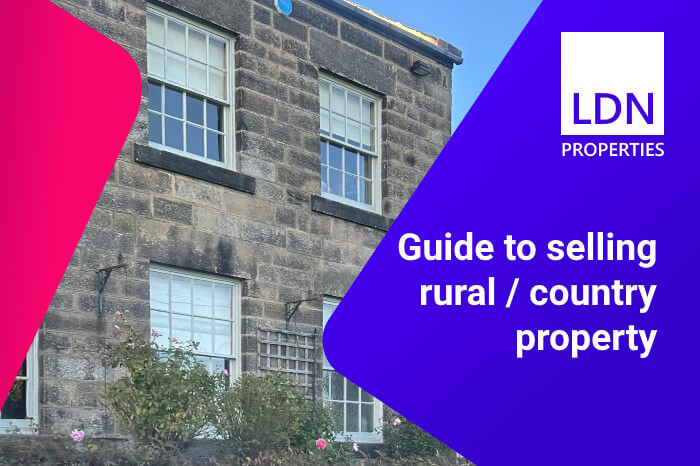
Deciding to sell your rural or country property
Across the UK you can find many leasehold or freehold houses, flats and other types of residential properties that are situated in what are known as rural or country areas.
Countryside or rural locations encompass a broad range of communities, including properties located near the coast, homes situated near farmland, flats and houses in villages relatively close to urban areas, and more.
To identify whether your home will be considered officially located in a rural area, the UK Government uses a long-running " rural-urban classification" that says a rural area is one situated outside of an urban settlement, which is defined as a community with more than 10,000 residents.
Rural areas can vary widely in size, from isolated homes through to hamlets, some towns, villages and other communities. Whilst the exact size of your rural or country location will depend on where you live, you can use the government’s classification as a general guideline.
When you’re looking to sell your home, you’ll be attempting to find a buyer for a freehold property if you are the outright owner of the building and the land. If instead you only own the home for a set number of years as detailed in a lease agreement that you’ve signed with a freeholder, and you pay them a yearly ground rent, then you’re a leasehold homeowner.
Whichever category of rural or countryside home you own, you’ll find that there are a number of issues to consider when selling the property, including the pros and cons that prospective buyers might associated with your home, and finding the best option for how to sell. This guide details each step of the process, including tips on attractive a competitive and swift offer.
Advantages to buyers of owning a country or rural home
As you get ready to sell your leasehold or freehold country property, you should review the possible reasons that could make buyers more inclined to want to purchase your home.
When you know these various pros of your property, you can focus on promoting these aspects as you talk with buyers, as it could help to encourage them to eventually make an offer.
Quieter life: Rural areas tend to be much slower-paced and quieter than busy urban areas, and this can a major draw for certain buyers who prefer to live in a less noisy location with a smaller population. Depending on exactly where your house or flat is situated, the more remote location compared to a city or large town could be enough to generate an offer from a buyer, even if they have concerns about certain aspects of the home, such as any structural damage.
Unique homes: Countryside properties can often be more visually unique than urban homes. For example, you’re much more likely to find an older, potentially listed, property with a thatched roof in a countryside setting compared to an urban location. There’s a certain group of buyers that will prioritise the look of a property over other factors such as the condition of the house or flat.
Reduced pollution: When you live in a rural location, you will be closer to more open green spaces, less vehicle traffic and further from industrial and commercial properties, which can overall help to lower the amount of air pollution associated with all of those factors. You may find that some potential buyers are interested in living in the countryside for this very reason, and that could help you with promoting your property as you attempt to get an offer.
Safer surroundings: Although the exact safety of your neighbourhood will be very case-specific, generally buyers are likely to view a flat or house in a rural setting as being a safer community compared to the same type of property located in a city, where crime rates could be higher. This perceived increased safety may be very appealing to some potential buyers, particularly families with young children, as they’re looking for their next home to buy.
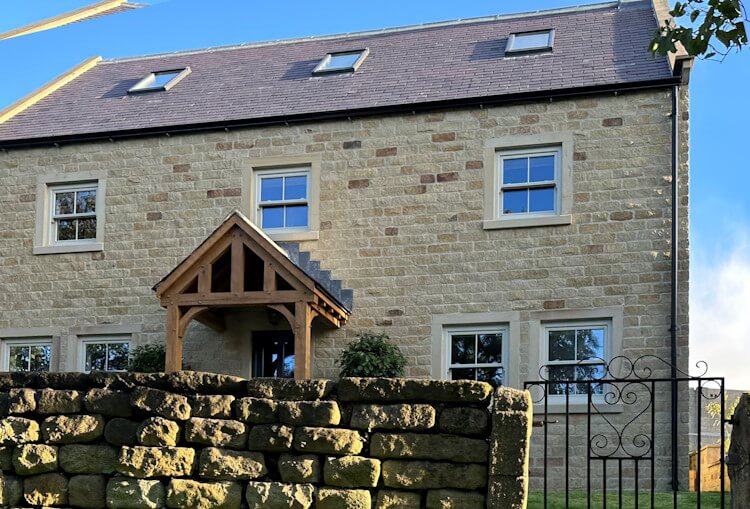
Possible barriers to selling a rural or country house or flat
Although you’ll find that there are several potential advantages that buyers might associate with your rural house or flat, some people might also associate certain cons with the property.
It’s useful to know what these potential disadvantages can be, because it could help you to understand why some prospective buyers may be wary about making an offer on your home. Depending on the concern, you may be able to offer your own personal experiences about living in the property to downplay their fears and keep them interested in making an offer.
Older properties: Although some rural properties can be attractive to buyers because they may be older and more unique, these same homes could have various problems associated with their age, including faulty wiring, a broken boiler, structural damage like damp or subsidence, outdated features and more. It’s possible that some people who are initially open to making an offer on your home could no longer want to if the property has too many of these issues.
Long commute: Some buyers could be concerned about purchasing your rural home if it would mean that they’d then have a very long commute to their work, as the website 24Housing notes. This could either be a lengthy drive to the place of their employment, or if they take public transportation then the buyer might find that there are few or no viable options in your countryside location that would be able to get them to work.
Few amenities: Another potential drawback that might discourage some buyers from having an interest in your property is that rural areas tend to have reduced services and amenities compared to urban locations. For example, if your home is located in a village then you might have poor access to shops, a doctor’s office, a pharmacy and other important needs. This factor along can be enough to make prospective buyers no longer want to purchase your property.
Wind turbines: There are many wind turbines located in rural areas throughout the UK, which help to generate clean energy, because it’s generally easier to build them in the countryside. But some people believe that the huge turbines ruin the landscape, and a buyer could lose interest in your property if there is a wind turbine located nearby and it’s impossible to avoid the view from your home.
How to get your country or rural property ready for sale
Part of the process of selling your rural leasehold or freehold home involves getting the property ready for buyers to view. Taking some time for simple and low-costs tasks to improve the appearance of your flat or house can help with increasing the perceived value of the property.
There are a number of steps that might improve how buyers view your home, as the website MoneySavingExpert explains. Inside the property, this can include removing as much clutter as possible from rooms and ensuring they are all freshly cleaned. If you have any pets, you should tidy up after them and make sure that they are locked away if any buyers are touring your home on viewings.
Outside of your home, some actions that you might consider include giving window ledges a fresh coat of paint, replacing any missing roof tiles or broken glass and mowing the garden or any other green space that you could have. A home that looks well-maintained from the outside will make a much better first impression on a buyer compared to one that’s in poor condition.
If there are any large-scale problems at your property, such as rot or any other widespread structural issue, you will need to decide if you’re going to fix the flaw before selling.
Addressing a problem first would have the benefit of preventing a scenario where a buyer reduces their offer on your home by the amount of money that they predict it will cost them to fix the issue as the next owner of the property. But there are many homeowners who will not have the funds, time or interest in pursuing lengthy and costly repairs before trying to sell.
For those homeowners in this situation, you still have options for selling your flat or house, such as getting in touch with LDN Properties or another quick buyer that can make a competitive and fast offer to purchase your home, and complete the process in a handful of weeks. The next section of this guide elaborates on this selling method as well as other options for selling.
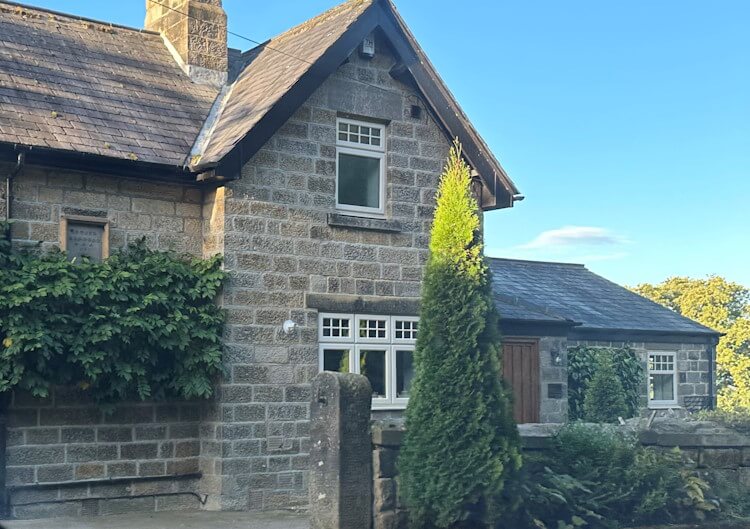
Options for selling your rural or country home
When you are ready to find a buyer for your leasehold or freehold country or rural property, the next major action is deciding which of four approaches to use for selling – using an estate agent, selling to a quick buyer, trying a property auction or selling on your own.
You will discover that there are advantages and disadvantages linked to each of these methods. For example, if you opt for selling at a property auction then you will need to pay commission and this will add to your costs, as it’ll be taken out of the sale proceeds. But if you sell your home to a no-fee quick buyer like LDN Properties then you won’t pay any commission.
Write down your main aims with selling, including your goal selling price, whether you are willing to pay any fees, and how long you can wait before securing a buyer. Then compare these factors against the specific details of each of the four options below, and this should help you narrow down the choices to finding the one that best pairs with your unique needs.
Using an estate agent
This is far from the quickest method for selling a rural home, because it could take many months or even more than a year to find a buyer. And then the buyer can make the sale fall apart by withdrawing the offer, which they can do without facing any penalties so long as contracts have not yet been exchanged – and then you’d have to begin again with looking for a buyer.
Homeowners will also need to pay commission, usually within a range from 1.15 percent to 1.40 percent of your property’s sale price, to the estate agent. This will increase your overall selling expenses because the fee will be subtracted immediately from the final sale proceeds.
You should be aware of a trick that estate agents might use, where they quote you a very high potential sale price for your home despite knowing that it will only attract buyers at a lower value, as detailed on the website Unbiased. They do this in order to persuade you to sell using their services, so that they can profit from the commission they’ll charge if they find a buyer.
It’s easy to avoid falling for this trick, if you ask several estate agents for free quotes on your home’s possible sale price, and then you look on property sale websites and write down the current and past sale prices of homes like yours. Then calculate the average of all these values and you should get a more accurate estimate of your property’s potential selling price.
One advantage that estate agents do have is that they’ll minimise your workload, because they will handle most of the tasks required for selling your home. This includes preparing a listing that features photographs of the interior and exterior and a description of the property’s main features, and then advertising this listing in their office, online and in local newspapers. They’ll also organise viewings for anyone interested, and they’ll handle offers from serious buyers.
Selling to a quick buyer
Selling your country house or flat to a quick buyer such as LDN Properties is often the speediest way to sell a home, because the timeline is just a few short weeks, and this covers the important steps of exchanging contracts and paying the homeowner the full sale proceeds.
The reason for this rapid process is that quick buyers already have the funds available to purchase homes, with no need to get a mortgage first – which can take many weeks or months.
Quick buyers are also known for being able to make competitive and fast offers to buy almost any home, and its age, condition, location, shape, size or type doesn’t matter. For example, LDN Properties can not only purchase rural or country homes but also properties located near a petrol station, Airey houses, properties with an overgrown garden, flats with high levels of radon, unmodernised properties, Laing Easiform houses, new built flats, student properties and much more.
Honest quick buyers will also refuse to charge homeowners any commission, which means that you can keep your selling expenses low and be assured of receiving the full sale proceeds. That compares favourably to selling your house or flat through an auction or with an estate agent, because they will require that you pay them fees that are taken out of the final proceeds.
Trying a property auction
When you sell your rural home through a property auction, it can take many months. You’ll have a long wait between when you decide to sell and when the auction happens, often several weeks or longer. And if your property sells at the auction, the buyer has an average of 28 days to complete their required tasks to finalise the sale, like signing the relevant legal papers.
In addition, when selling with an auctioneer, they will charge you commission for the work that they do in finding a buyer – everything from creating and advertising a listing through to hosting the auction and overseeing the completion of a successful sale. This fee is usually charged at 2.5 percent of the final sale price, and it will be deducted from the proceeds right away.
It’s possible that some auctioneers could be willing to reduce the timeline for the buyer to complete their required tasks, or to lower the rate of commission that they will charge you. So you should ask individual auctioneers about whether these options could be feasible. Just beware some auctioneers may charge even higher fees or give the buyer even more time.
When you sell this way, you’ll need to choose a reserve price – this is the lowest price at which you are willing to sell your property. Ensure that you select a reserve price that should produce a profit from the sale, accounting for the commission that the auctioneer will charge.
Note that if your property does not receive any bids at the reserve price then it will go unsold. This will require you to start again with trying to find a buyer, slowing the process even further.
Selling on your own
This is another often slow way to sell a country or rural property, because it may take more than a year before you receive a serious offer from a buyer. And they could always rescind the offer and walk away from the sale without penalty, so long as the contracts are not yet exchanged. Then you would have to restart the search for a buyer, which could take many more months.
You’ll need to handle every aspect of the sale, starting with the production and advertising of a listing, organising viewings to give people tours of your home, and hearing offers. It’s a massive amount of work that will take up a lot of your time, and therefore can be very stressful. Therefore, you should only seriously consider this method of selling if you have previously managed to sell a rural home or have a skilled friend or family member willing to help for free.
The only obvious advantage of selling this way is that you will not be required to pay a third party, like an auctioneer or estate agent, any commission for finding a buyer. That can help you to lower your costs and be a great pro when reducing your selling expenses is a top priority.
But there’s another way to not only get a zero-fee sale but also on a much swifter timeline than selling on your own. You could get in touch with a quick home buyer like LDN Properties, because these companies promise to never charge property owners any fees when purchasing their houses or flats. And they have the added benefit of being able to finalise the process of buying most homes within a few short weeks, and that includes exchanging contracts.
Top queries and answers about selling a rural country property
Homeowners thinking of selling their house or flat within the coming weeks have some questions that need answering, ranging from the amount of repair work needed before selling through to selling a home where repairs are needed. Here are some questions we may be asked about selling a rural/country property:
Your top questions when selling a rural/country property
As a general guideline, the UK government uses a rural-urban classification to distinguish rural locations from urban areas, which generally include large towns and cities. Your freehold or leasehold property is in a rural area if the town, hamlet, village or other country location where you live is outside of an urban community that has more than 10,000 residents.
Properties in rural locations can be older and have more unique features, such as a thatched roof, compared to homes built in cities and other areas, and this can be appealing to some buyers. Other people might be interested in living in the countryside for reasons such as a reduced noise, less traffic, better air quality and possibly lower overall crime rates.
Yes, there are several reasons why a potential buyer could be wary about making an offer on your leasehold or freehold country home. These issues can include concerns about the property being older and having problems like old and faulty wiring, as well as worries about the reduced access to important amenities and services like a doctor’s office, shops and more.
Buyers will likely see your home as more valuable if you pursue some simple actions that can improve its appearance. Inside the property this includes tasks like cleaning every room and removing as much clutter as you can. Outside the property these steps can include weeding and mowing any green space that you, and replacing broken glass or missing roof tiles.
No, you’ll only need to pay fees if you sell your property using the services of a property auctioneer or an estate agent. You will not have to pay any commission if you decide to sell your leasehold or freehold rural home without any third party assistance, or if you opt for selling it to a zero-commission quick home buying company such as LDN Properties.
Typically, the speediest method for selling a rural home or any other type of leasehold or freehold property is selling to LDN Properties or another quick buyer, because the timeline is usually just a few short weeks. The other methods of selling via an estate agent, using a property auction or selling on your own might all take many months at least to complete.
You can ask quick buyers if they are members of an independent organisation called The Property Ombudsman (TPO). This entity writes rules, which all members must follow, that protect homeowners against fraud in the quick buying industry. Genuine TPO members like LDN Properties adhere to these regulations, which should give you extra peace of mind.