Quick navigation
If you are the owner of a freehold or leasehold self-build house, this is a property that you will have been responsible for designing from scratch, rather than a pre-built home you bought. There are several options available to you for how to sell a self-build property, and this guide walks you through the process and offers tips on how to receive a quick and competitive offer.
- What are self-build properties?
- Benefits of owning a self-build home
- Drawbacks of buying a self-build house
- Selling an unfinished or problem self-build home
- Preparing your self-build home for sale
- Will you pay Capital Gains Tax selling a self-build home?
- Four methods to find a buyer for your self-build house
- Frequently asked questions about selling self-build properties
What are self-build properties?
Throughout the UK you will be able to find self-build homes, which is a broad term that generally refers to any house that the owner was responsible for designing every aspect – read more at Homebuilding.co.uk. This covers everything from the layout of the property to the fixtures, fittings and much more.
There can be many reasons why someone might want to design their own house, such as having very specific requests for a home that current properties on the market cannot satisfy. It also gives people a very unique chance to make their next house truly theirs, because the design will be precisely on their terms and they will be the first to ever experience living in the property.
Self-build properties can be designated either as freehold, a situation where you own both the land on which the home will be built and the resulting property itself, or less commonly leasehold, where you would own the land for a set number of years and have permission to build on it from the freeholder, in exchange for paying them an annual ground rent.
As the rest of this guide explains, there are pros and cons of self-build homes that might influence your ability to sell the property. But there are some tested and reliable ways that no matter any potential hurdles you might encounter, a speedy and fair sale is possible.
Benefits of owning a self-build home
When you’re looking to generate interest in your self-build house from prospective buyers, it can be useful to focus on the aspects of the property that they might see as favourable. Speaking in detail on this issues might help with keeping a particular buyer engaged, hopefully to the point where it eventually results in them making an offer to purchase the property.
Self-build houses make up a relatively small share of the UK housing market, with some reports from The Times suggesting the amount represents about 7 percent of all properties. That makes these homes unique and one-off because they are crafted to the owner’s unique requirements, and this highly personal touch can be a major attraction for potential buyers looking for a non-conventional property.
Also, it’s very likely that you will be selling the house after being the only person or family to have ever lived in the property, making the next owner just the second to use the home as their residence. This can be a draw for a few buyers who would prefer to live in a newer build, but that might lack the resources to design and construct their own self-build property.
Drawbacks of buying a self-build house
Although there are a couple of benefits that some buyers might associate with self-build houses, you should similarly be aware of a few potential drawbacks that could make a sale harder and take longer.
Just as the unique design of a self-build home can be a major attraction for some buyers, other people who might be looking to buy a property could potentially lose interest because of the one-off style of the home. They might be looking for a more conventional house that uses a style similar to several others, such as modern new builds on developers’ estates.
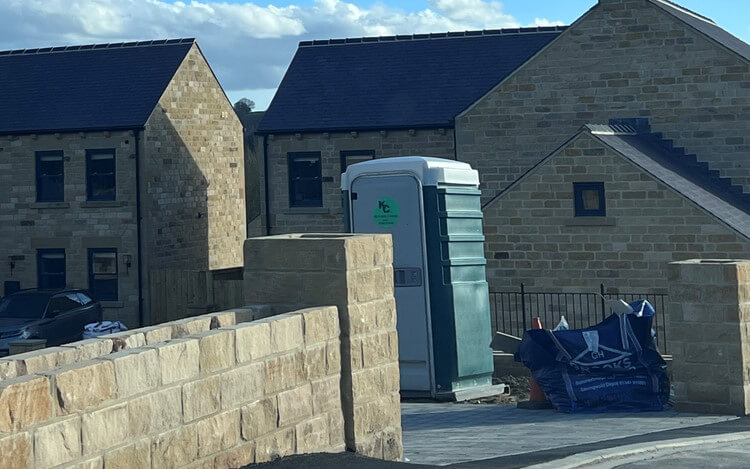
Another potential con with trying to sell a new-build house is that these properties sometimes use non-standard construction material like timber or concrete, rather than the standard materials of bricks and mortar or stone with a slate or tile roof. Many buyers view non-standard construction materials with a negative eye because they believe them, whether true or not, to be of a weaker quality and that this will make the home more susceptible to structural damage.
If someone has shown an interest in making an offer on your self-build home but has concerns about the materials used to construct it, your best option is to provide them with highly detailed answers to address all of their fears – for example offering statistics and other research to downplay doubts about a particular material leading to structural problems.
Be aware that with some buyers there will be nothing that you can ever do to provide an answer to their queries that would overcome their concerns, and they’ll never make an offer.
But that doesn’t mean you should lose hope in selling your property fast, because you have various options for finding a buyer as this guide explains in a later section. One method is selling to a quick buyer like LDN Properties, as these companies make fair offers to purchase almost any freehold or leasehold house, flat or other property no matter how it was built.
Selling an unfinished or problem self-build home
Whenever you’re self-building a property, unforeseen problems can happen that might complicate the sale of your home. Two common situations that might occur are not being able to finish construction before selling, or your home developing a significant structural problem.
For the first issue, there are many stories of people who have decided to design and pay for building their own dream home, only to be forced to sell it whilst it’s still being constructed. There are several reasons why this might happen, such as the owner running out of money or having to move elsewhere in the UK or even to another country for personal reasons.
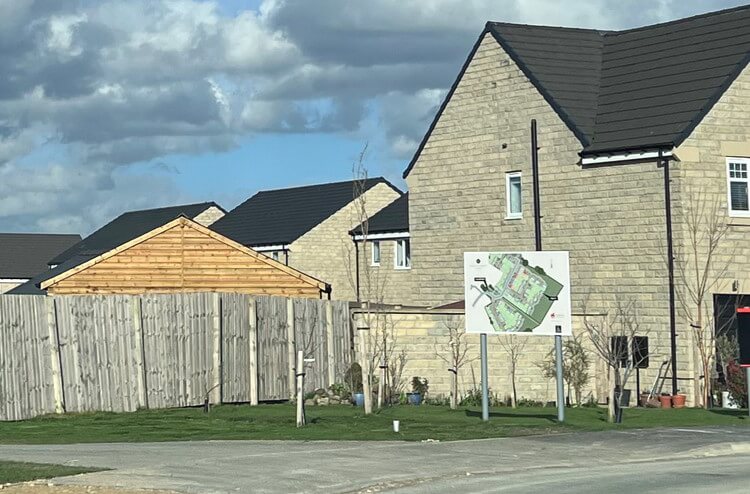
Thankfully, you are entirely within your legal right to try selling a half-finished house and you do not need to be concerned that it will never find a buyer. Your best option will likely be to contact a quick home buying company like LDN Properties, because they specialise in making speedy and competitive offers to buy almost any type of freehold or leasehold property, including those still under construction.
For the second issue, it’s possible that after construction on your home was completed, the property then developed some kind of structural flaw, such as subsidence, damp or dry rot. If this has happened, your decision then becomes whether to invest time, money and energy into fixing the problem before selling or instead selling the house "as is" in its current state.
Individual buyers may be wary of purchasing your home once they learn about the structural problem, because they will be worried about how much money it will cost them to fix the issue after they buy the property, and reduce their offer by at least that amount. Correcting the problem would eliminate this scenario entirely and hopefully lead to better offers, but you are not required to do the work before selling, and many people won’t have the available time or funds.
As an alternative, you could consider not doing any work and instead get in touch with a quick buying company because they also have experience with buying "problem" properties that have structural flaws and other negative issues. It’s a stress-free way to get a streamlined sale within weeks and without having to spend any of your resources on fixing the existing problem.
Preparing your self-build home for sale
As you get ready to sell your self-build property, it is vital to spend some time on getting it ready for buyers, which means making sure the interior and exterior look in great condition.
For the interior, you should remove as much clutter as possible from every room because rooms that are more spacious will make your property appear larger and more valuable to buyers. You should also remove any personal items that might be offensive to buyers, and keep any pets in a secure area during any viewings where prospective buyers come to visit your home. Also make sure that every room is clean because this will also help enhance the house’s value.
For the exterior, you should assess whether there are small problems that can usually be fixed by very little time, money and effort, such as a missing roof tiles, broken windows or chipped paint. In addition, if your house has a garden, yard or other type of green space, you should mow the grass and remove any weeds so that it looks in its best presentable state.
First appearances are crucial when it comes to selling a property, and a house that looks well-maintained inside and outside is far more likely to generate interest from buyers than one which projects an image of being poorly looked after, dirty, cluttered and less valuable.
When thinking of selling your self-build property, be sure to read the varied Questions and Answers discussed on the self-build specialist website – Build It.
Will you pay Capital Gains Tax selling a self-build home?
One important consideration as you’re planning your budget for the sale of your self-build house is whether you might have to pay Capital Gains Tax on the eventual proceeds from the sale.
This is a tax that is typically charged based on the amount of gain, also called profit, that someone makes when they sell a physical asset like a home, a car, artwork or many other items. If the tax applies it will usually be assessed on this profit and not on the overall selling price of the asset.
There are some exceptions to this rule, and you should ask a financial professional for their advice because you might be able to either lower or entirely eliminate your need to pay this tax on the profit that you might make from selling your home.
Four methods to find a buyer for your self-build house
One of the final major decisions that you will have to make when selling your self-build property is deciding which method you would like to use for trying to find a buyer particularly if your property is not selling.
Your choices are usually selling to a quick buyer, selling via an estate agent, selling at an auction or selling without any assistance. There are certain advantages that come with a few of the options, such as being able to finalise the sale within a handful of weeks, and major disadvantages linked to other methods, such as charging you very high fees.
To help with finding out which selling approach might be the ideal match for your situation, first write down important facts about the sale like your preferred price and whether you are willing to pay any commission to a third party. Then compare all of this information against the details of the four methods below and you should be able to find the one that best meets your needs.
Selling to a quick buyer
Quick property buyers, like LDN Properties, are companies that have the financial resources available to make immediate purchases of leasehold and freehold properties regardless of their age, condition, shape, size or type. They don’t have to wait for weeks or months to get approved for a mortgage to pay for buying your home, which vastly reduces the overall timeline.
Typically, a quick buyer should be able to complete every step required for purchasing your home – including exchanging contracts and paying you the proceeds – in just a few weeks. That makes this method often months faster than any of the other three methods below.
Another great reason to use a quick property buyer is that the honest companies will never charge you any commission when purchasing your self-build home, which will help to keep your selling costs lower. Compare that to trying to sell a house through an estate agent or auctioneer, where you’ll be required to pay fees that will be taken out of the eventual sale proceeds.
Quick home buyers can also be a great choice if you’re trying to sell a problem that has any type of problem, such as structural problems. That’s because these companies will still make competitive and swift offers for these properties even if other buyers would not.
For example, LDN Properties has extensive experience buying and making offers not only self-build houses with structural problems but many other varied properties including flats with cladding, homes that have septic tanks, vandalised properties, houses that have an infestation of Japanese knotweed in the garden, properties that have poor Energy Performance Certificate grades and more.
Selling via an estate agent
When you sell your self-build house through an estate agent, they will do the bulk of the work. This includes crafting a listing that describes your property and features photographs of the interior and exterior, then advertising that listing in local newspapers, online and in their office, organising viewings for potential buyers to tour the home, and fielding any offers.
This can be a very slow process and you should not be surprised if it takes more than a full year before you get a serious offer. Also, even if someone makes an offer to buy your home, they can still walk away from the sale without penalty until you have exchanged contracts. If that happens it will require starting over with finding a buyer, delaying the process even further.
Estate agents will also require that you pay them commission for their work in selling your property. The fee will be deducted from the sale proceeds immediately, so this is perhaps not the best option for any buyer who wants to keep their overall selling costs low.
Selling at an auction
Auctions are a gamble because you never know what your home’s final sale price might be, or even if you’ll get any bids on the property. If nobody bids to buy your house then it goes unsold, and you’ll have to begin again with finding a buyer, making the timeline even longer.
You will have to pick a reserve price, which is the lowest value at which you agree your home can sell. Choose a price that will hopefully still generate some profit for you even after you pay the auctioneer their fees for selling your home.
It’s also worth checking with specific auctioneers to find out if they might be open to making the winning high bidder pay some of the mandatory fees, as this can help to cut your costs.
This is often not a speedy way to sell a property because there are several lengthy periods involved, including a wait of many weeks or months between when you list your property for sale and when the auction occurs. If the home does sell, the winning high bidder then usually has about 28 days to sign all of their required legal paperwork and complete their other necessary tasks. You can always ask individual auctioneers if they are open to reducing this deadline.
Selling without any assistance
Another way that you could sell your home would be on your own, which means you’d have sole responsibility for every aspect from the initial creation and advertising of a listing through to scheduling viewings and fielding offers from buyers. This can be a very time-consuming and stressful amount of work, and it won’t be something you can do when you have spare time.
For that reason, this method of selling is only recommended if you have direct experience with finding a buyer for a property in the past, or have a skilled friend or family member who is willing to help you for free. Otherwise, you might find that you could be waiting more than an entire year before you receive an offer, no matter how much work you put in to the process.
If there is an advantage of this method of selling, it’s that you won’t have to pay an auctioneer or estate agent any commission because you will have been responsible for the sale. But any saving you make by not paying fees could be offset by the other expenses that you will incur when selling on your own, for example paying to advertise your listing in local newspapers.
Instead of going through the lengthy, high-stress process of selling solo, you should consider contacting a quick home buyer like LDN Properties. They could make a fast and fair offer to purchase your self-build freehold or leasehold house and complete all of the necessary steps within a few short weeks, and you will not have to pay them any commission. It makes using a quick buyer an ideal combination of speed and also keeping your selling costs down.
Top queries and answers about selling a self-build house
If you as a homeowner want to sell your home quickly, you will likely have some questions for us, ranging from the types of property we can buy through to selling an eco house. These are some of the questions we’re asked about selling a self-build house:
Your top questions when selling a self-build house
Usually, a self-build house will be freehold, which means that the person designing it and ultimately living in it owns the land that it will be built on and will also own the home outright once it is constructed. There are situations where a self-build home can be leasehold, if the lease is for owning a plot of land where the freeholder approves the building of a house.
Your best choice will typically be getting in touch with a quick home buyer such as LDN Properties, because they can finalise buying almost any type of property within weeks, and that includes the time it takes to exchange contracts and pay you the proceeds. Selling via an estate agent or auctioneer, or selling on your own, can all take at least many months.
No. If you decide to sell your self-build home to a quick property buyer or on your own, meaning you do all the work in finding a buyer, then you won’t have to pay any commission. But if you opt for selling your house either through an auction or using the services of an estate agent, they will charge you commission and this fee will be subtracted from the final sale proceeds.
You are not required to fix issues such as subsidence or other structural damage before selling, although some buyers may significantly reduce their offer prices because they’ll be concerned about the money they’d have to spend to repair the problem as the new owner. One solution is selling to a quick home buying company as they offer fair prices for problem properties.
Possibly. Capital Gains Tax is a levy that the government charges based on the profit that someone makes when they sell a tangible asset, for example a house. If you are required to pay this tax then it will often apply only to the amount of profit compared to the original price you paid to build the house, but there are certain ways to either lower or eliminate this tax burden. Be sure to speak with a tax professional at length before making decisions.
To help you identify legitimate quick home buyers, ask them if they belong to an independent organisation known as The Property Ombudsman (TPO), which writes regulations all members must follow that aim to protect owners from falling victim to fraud in the fast buying industry. If a company can prove that it is a member of TPO then this should give you peace of mind.