Quick navigation
There are several properties built near the River Tyne and elsewhere that are known as either crisscross or Tyneside lease flats, where a two-storey home is divided into separate flats and there are shared legal obligations between the two owners. This can make this type of flat harder to generate interest from buyers, but getting a quick and fair offer is still feasible.
- What type of property is a Tyneside/crisscross lease flat?
- How do leases work with a Tyneside/crisscross flat?
- Potential advantages of owning and selling a Tyneside/crisscross lease flat
- Problems with trying to sell your Tyneside/crisscross lease flat
- Four ways to find a buyer for a Tyneside/crisscross lease flat
- Top questions about selling a Tyneside/crisscross lease flat
What type of property is a Tyneside/crisscross lease flat?
There are many varied types of leasehold and freehold properties located throughout the UK, with freehold homes being those where you own the land and building outright, whilst leasehold properties are those where you own it for a specific number of years as set out in a lease agreement that you sign with the freeholder, and you pay them an annual ground rent.
One unique type of home that has overlaps of being both a leasehold and freehold property is a crisscross or Tyneside lease flat. This guide explains the background and legal and other implications of these properties, as well as offering tips on how to sell such a home speedily.
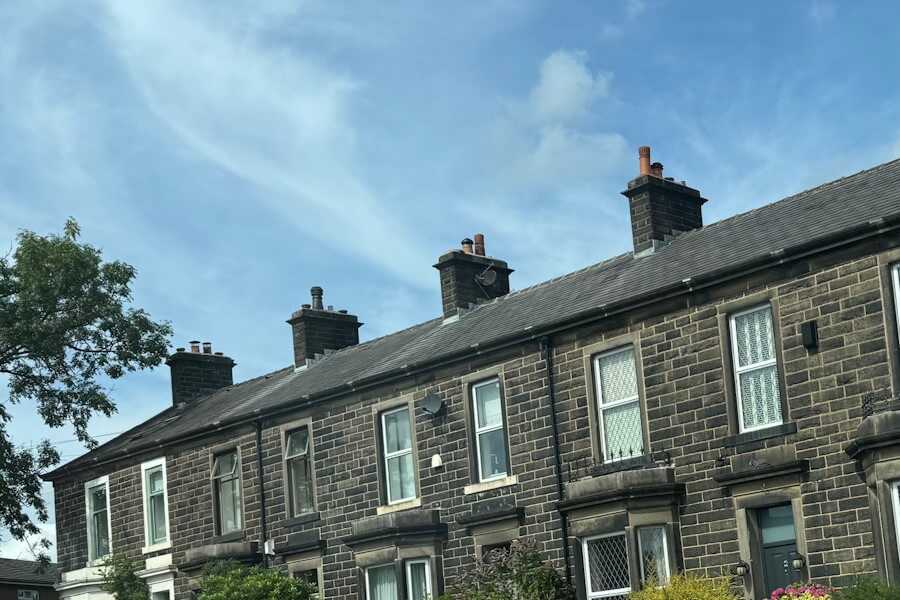
First constructed in the 1860s, a Tyneside/crisscross flat is typically a two-storey home that has been converted into two distinct flats. They are called Tyneside homes because they were mostly built in the Tyneside region of built-up areas by the River Tyne in order to provide housing for workers as a result of the industrial revolution, as Wikipedia explains, and few, if any, were constructed after 1918.
They are also known as crisscross flats because the owners of the flats have legal obligations for each other. The leasehold owner of the ground floor flat will be the freeholder of the upstairs flat, and vice versa for the person who owns the first floor flat.
How do leases work with a Tyneside/crisscross flat?
Because of their unconventional setup, Tyneside/crisscross lease flats operate somewhat differently from a typical leasehold agreement between a flat owner and a freeholder.
There are certain responsibilities for maintaining a Tyneside/crisscross flat that will be specified in the freehold and leasehold agreements that both owners will be legally bound to comply with.
For example, whoever owns the ground floor flat might be required to ensure that the foundations of the property are kept in good condition, to prevent against subsidence or other structural flaws. And the owner of the upstairs flat might similarly have a legal obligation to take care of any repairs that might be needed for the roof, to fix leaks, and other requirements.
Another distinction between conventional leasehold agreements and this type of homes is that the ground rent that the two freeholders will charge each other is usually what’s known as a peppercorn or token rent, such as £1, as explained on the website for UK firm SAM Conveyancing.
When one of the two flat owners wants to sell their home, the other owner is not required to also sell theirs. Instead, you will sell your leasehold flat for a regular price whilst also selling your freehold ownership of the other flat for a token amount, for example £1.
The new leasehold owner of your flat will therefore also become the new freehold owner of the other flat, and will continue to charge the other owner the same peppercorn ground rent.
Potential advantages of owning and selling a Tyneside/crisscross lease flat
Whatever the explanation behind the decision to sell your Tyneside/crisscross lease flat, whether that’s due to an illness, wanting to downsize to a smaller property, needing to raise funds for retirement, or any other reason, there are a few good selling points with this type of home.
Having a strong grasp on the pros associated owning a Tyneside/crisscross lease flat can be an important help when trying to attract buyers, because you can promote these aspects of the property. Although this might not be enough to overcome some potential buyers’ concerns about this type of home, the advantages may still keep other buyers interested in the property.
Low ground rent: One money saving advantage of owning a Tyneside/crisscross lease flat is that you will only pay a peppercorn rent to the other leaseholder/freeholder, as the law firm David Gray Solicitors explains. This can be a great selling point for buyers who are looking to keep their current and future costs low when selling, because conventional ground rents can sometimes be quite expensive.
Shared responsibilities: Another potential attractive point about this type of home is the fact that both owners will have shared legal duties to make sure that the overall building remains in good condition, for example with the owner of the upstairs flat handling the upkeep of the roof. This kind of shared responsibility situation can be appealing to some buyers, because it can help to keep both owners ensuring that the property remains generally well maintained.
Equal enforcement: Related to the possible benefit of the shared responsibilities, another aspect of a Tyneside/crisscross lease flat that some prospective buyers could find appealing is that both the downstairs and upstairs owner will have the legal right to enforce whatever conditions, or covenants, are included in the leasehold/freehold agreements, without the usual complication of having to contact an external landlord to enforce these requirements.
Problems with trying to sell your Tyneside/crisscross lease flat
Unfortunately, there are a number of potential hurdles that you might face when attempting to sell your Tyneside/crisscross lease flat, as the website for the firm Express Conveyancing notes. It’s important that you read about these possible drawbacks, because it can help you to understand why your flat might be struggling to sell.
Mortgage complications: Buyers that will need to obtain a mortgage in order to buy your flat could struggle to get approved for such a loan because the home is a Tyneside/crisscross property. That’s because lenders might have major concerns about the future success of the joint upkeep of the home with the other freeholder/leaseholder, and they could simply decide that the situation is too complicated to justify approving the loan that the buyer is seeking.
Legal uncertainty: Similarly, buyers themselves might be dubious about the unique legal arrangement involved with this type of property. They could fear that the other flat owner might not fulfil their obligations for keeping the homes in good condition, or they may worry that the situation could lead to disputes in the future. This kind of uncertainty could be a dealbreaker for many buyers, and there’s not much that you will be able to do to change their mind.
Renovation restrictions: Depending on the terms of the leasehold agreements that both flat owners are required to follow, there could be significant restrictions on the renovations or other alterations that one flat owner can make without the consent of the other owner. In situations where you are in a dispute with the current owner of the other flat, that could discourage potential buyers who have ideas for making significant changes to the property.
Note however that even with the cons listed here, you could still obtain a competitive and swift offer for your flat, depending on the method that you opt for to find a buyer.
For example, getting in touch with a no-fee quick home buying company like LDN Properties can be a great solution, as the next section of this guide explains. They won’t see any of the above problems as cause to lose interest in your home, and they can also complete the purchase of it within a few short weeks.

Four ways to find a buyer for a Tyneside/crisscross lease flat
One of the last top choices that you will need to make when selling your crisscross/Tyneside lease flat is deciding on the best method for how to find a buyer. You can choose from selling to a quick home buyer, selling on your own, selling at an auction or selling with an estate agent.
You’ll find that certain approaches have distinct advantages, such as quick home buyers never charging owners any commission when purchasing their properties. And other selling methods have notable disadvantages, such as selling without any help sometimes taking over a year.
Read about the four methods below to find the one that best matches your unique needs, including how quickly you’d like to sell and whether you’re willing to pay any fees.
Selling to a quick home buyer
One of the speediest ways to sell your Tyneside/crisscross flat is contacting LDN Properties or another quick home buying company. They can often finalise the purchase of any home within a few short weeks, and that covers exchanging contracts and paying sellers their proceeds.
Quick buyers can move so swiftly because they already have the funds available to buy your home, without having to wait for many weeks or months to initially get approval for a mortgage that will pay for the purchase – something that can cause major delays when trying to sell your home using other methods, for example to a private buyer through an estate agent.
Remember also that quick buyers are known for being able to make competitive and fast offers to purchase almost any home no matter its age, condition, location, shape, size or type.
For example, LDN Properties was founded in 2003 and since that time it has bought and made offers on many properties throughout the UK including not only crisscross/Tyneside lease flats, but also houses with a flat roof, properties at a junction, self-build houses, flats with very short leases remaining, properties that have solar panels, maisonettes, houses with a leak, homes where the owner cannot find the title deeds or other important legal documents, inherited properties, flats located above commercial premises, small or large property portfolios and many other widely varied scenarios.
And for your additional peace of mind, you can check with individual quick buyers to ask if they are registered with The Property Ombudsman (TPO). This is an independent organisation that publishes policies all members must follow that aim to shield owners from falling victim to fraud in the quick home buying industry – and it’s easy to check a company’s membership status.
Just visit TPO’s website, click on the "Find a Member" tab on the left of the welcome page, and then when prompted type in the name of a quick buyer. If they are truly a TPO member, such as LDN Properties, then you will next be shown their registration details. If you don’t get any results then the company is not a genuine TPO member and you should not consider selling your crisscross/Tyneside lease flat to them because it could be a scam business.
Selling on your own
Perhaps the most stressful way to sell your Tyneside/crisscross lease flat it doing so solo, because you’ll be required to handle every possible step of the often complicated process.
This starts with preparing a listing that will describe your flat and include photographs of the interior and exterior, and next you’ll have to pay to advertise this listing, in order to generate interest from buyers. After that, you will need to schedule viewings where you’ll have to give potential buyers a tour of the flat, and finally you’ll have to handle any serious offers.
It can be a major undertaking and will not be something that you can just do whenever you have any spare time. That’s why you should only pursue this option if you have successfully sold this type of flat before, or you have a qualified family member or friend willing to help you at no cost.
One of the few clear benefits of selling this way is that you won’t be required to pay an auctioneer or estate agent any commission. But this cost saving could be eliminated by the money that you have to spend on advertising your listing and various other selling expenses.
Remember also that a buyer can make an offer on your flat and then rescind the offer without facing any penalties, up until contracts are exchanged. Should this happen, it could add many more weeks or months to the selling process, as you’ll have to start over with finding a buyer.
For a stress-free and similarly no-fee alternative, consider selling your home to a zero-commission quick buyer like LDN Properties. Not only will you be able to keep your costs low, but you’ll also get a much more rapid sale, as the typical timeline when selling this way is just a few weeks, and that includes paying you the proceeds and the exchange of contracts.
Selling at an auction
You could try your luck with a property auction, where you will choose a reserve price – the lowest price at which you are comfortable with selling your Tyneside/crisscross home – and then people will be able to place bids on it, with each bid having a higher price.
A single bid placed at the reserve price is considered a legally binding sale that the winning bidder could sue you to enforce, if you try to walk away from the sale once the auction is over. That’s why it’s crucial for you to calculate a reserve price that should hopefully generate some profit for you from the sale of your flat, even after the auctioneer has charged their fees.
Selling this way is far from the swiftest choice, because there are several waiting periods involved, including many weeks or even months between the day on which you decide to auction your home and the day on which the auction takes place. And even if your property does manage to find a buyer, they will then have an average of 28 days after the auction to complete all of their required paperwork and other steps to finalise the purchase.
There are some auctioneers that will give the winning top bidder even more time than 28 days for these tasks. And there are also a few auction houses that may be open to setting a shorter deadline, so it’s always worth asking individual companies about whether you can speed up the process, particularly if you are placing a priority on getting a fast sale for your flat.
Because crisscross/Tyneside homes are a very unique type of property, it’s worth checking with specific auction houses about whether they have managed to sell this variety of home in the past. You should not sell your flat with an auctioneer that has never found a buyer for this type of property, because it indicates that they will struggle to attract buyers for your home.
If your flat does successfully sell at an auction, you will need to pay the auction house their commission, which covers the work that they do in advertising and auctioning your property. Usually this is charged as a fee at 2.5 percent of the home’s final auction sale price and it will be deducted right away from the sale proceeds, which will add to your oversell selling expenses.
It’s always worth asking individual auctioneers whether they may be willing to have the winning high bidder pay some of your costs, or if they could reduce their rate of commission. But beware that certain auction houses might charge an even higher fee than the typical 2.5 percent.
Selling with an estate agent
Selling a Tyneside/crisscross lease flat using the services of an estate agent can be a slow process, because you might experience your home remaining unsold for more than a year. If your main aim when selling is securing a buyer quickly, you should review some other options.
You’ll also have to pay fees when selling a home through an estate agent, usually within the range of 1.15 percent to 1.40 percent of the price at which you’re able to sell the flat. This fee is subtracted immediately from the final sale proceeds, which increases your total costs.
But this method of selling does have a handful of advantages, for example the estate agent will handle most of the work required for selling your property – everything from creating and advertising the listing through to taking care of viewings and hearing serious offers from buyers. That can be a welcome perk for those sellers who are looking to reduce their stress.
Just as some auctioneers might have never sold a Tyneside/crisscross lease flat before, you might find the same is true with many estate agents. Always ask individual companies about their past record with selling this type of home, and avoid selling with any estate agent that lacks this experience, because it suggests that they may find it difficult to sell your property.
And note also that buyers who make an offer through an estate agent can withdraw that offer any time until contracts are exchanged, and they won’t face any penalties for doing so. This will be a major setback as you’ll have to begin again with the process of looking for a buyer, and if you continue to use an estate agent then it might take many more months before selling.
Top queries and answers about selling a Tyneside / crisscross lease flat
Homeowners thinking of selling quickly quite often have a list of questions to be answered, ranging from the time it takes for us to buy homes through to selling an ex local authority flat. Here are some of the top questions we’re asked about selling a Tyneside / crisscross lease flat:
Your top questions when selling a Tyneside / Crisscross lease flat
A Tyneside or crisscross lease flat is a property that’s usually two storeys and it has been divided into separate upstairs and downstairs leasehold flats. There are separate entrance doors for both flats, rather than a shared access point. The leaseholder of one flat will be the token freeholder of the other flat, and vice versa, hence the name crisscross.
They are mostly located in the Tyneside region along the River Tyne, as they were constructed to provide housing needs for workers as a result of industrial growth in the area. The vast majority of these properties were constructed between 1860 and 1918 in this region, although there are a handful of similar crisscross home arrangements elsewhere in the UK.
One of the major advantages of being the leasehold owner of this type of flat is that the annual ground rent that you’ll pay to the freehold owner – the leasehold owner of the other flat – will be just a peppercorn or token amount. You’ll also share responsibilities for keeping the property in decent condition, which can ensure that you both meet your various obligations.
Yes, it can be difficult for prospective buyers to get approved for a mortgage to purchase this type of property because of their unique legal status. If a buyer will rely on a loan to pay for the cost of purchasing your home, this will make selling to them impossible. Another drawback can be buyers’ concerns about being able to enforce the other flat owner’s various duties.
The speediest way to sell this or any other type of flat or house is often getting in touch with LDN Properties or another quick home buying companies, because their typical timeline for purchasing a property is a few short weeks. Selling via an auction, estate agent or on your own, by contrast, can all take at least several months and often more than an entire year.
Not if you sell the flat without any third party help, or you sell it to a zero-fee legitimate quick home buying company like LDN Properties. But if you decide to sell your home through an auction or using the services of an estate agent, you will have to pay them commission and this will add to your expenses because the fee will be subtracted from the eventual sale proceeds.
You can ask individual companies if they are registered with a third party organisation known as The Property Ombudsman (TPO), which writes rules to guard owners against scams in the quick buying industry, and all member companies must follow these regulations. Do not sell your home to a company that can’t prove it belongs to TPO, as it might be fraudulent.