Quick navigation
You might be the owner of a freehold or leasehold house that has a flat roof, which means it is completely level or has a pitch of 10 degrees or less. There are certain additional hurdles to clear when trying to sell this type of home, which this guide explains, as well as offering tips on how to improve your potential for a buyer to make a competitive and speedy offer on the house.
- What is a property with a flat roof?
- Drawbacks of selling a home with a flat roof
- Can buyers get a mortgage for a house with a flat roof?
- Advantages of selling a property with a flat roof
- Should you fix a damaged flat roof before selling your home?
- Four methods to sell a home with a flat roof
- Frequently asked questions about selling a house with a flat roof
What is a property with a flat roof?
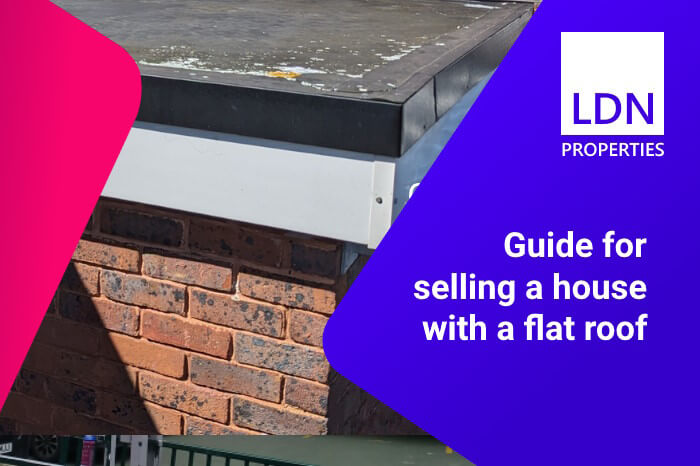
Freehold and leasehold houses can be constructed with many different roof types, including high slopes but also flat roofs. As their name implies, a flat roof is completely or mostly level.
Typically, a flat roof is one that has a pitch of 10 degrees or less, as the website Building Regs 4 Plans notes.
Houses with flat roofs are generally considered to be of non-standard construction, because standard properties are those with pitched roofs made from slate or tile, rather than flat roofs.
As this guide will explain, trying to sell any type of non-standard construction leasehold or freehold house can be more complicated than a conventional home. In addition to explaining the potential hurdles involved with trying to find a buyer for your house that has a flat roof, you’ll also get details on some options to still attract a speedy and competitive offer on the property.
Drawbacks of selling a house with a flat roof
Unfortunately, you will discover that there are certain negative factors about properties that have a flat roof, and these can affect the amount of interest that buyers might have in your home.
It’s important to know what these disadvantages are, because it will hopefully help you in addressing or at least understanding concerns that some buyers might raise. You should also realise that some of these issues don’t have an easy resolution, and that’s why it’s also vital to be prepared that certain buyers may lose interest for any or all of the following cons.
Weather damage: A flat roof can be more susceptible to damage from heavy rain and storms, because the water can collect in large puddles on the roof rather than draining off the sides, as it would with a sloped roof, as Saga’s website explains. This water can eventually cause holes and leaks in the roof, which will damage the interior below, and the risk of such damage can be enough to make some buyers lose interest in your property.
Expensive upkeep: Because flat roofs can be more prone to sustaining damage than sloped roofs, they might also be more expensive to maintain and keep in good condition, particularly if you’re repeatedly having to repair the roof. This could be enough of a disincentive to turn off a buyer that is already facing a strict budget when trying to find their next dream home.
Shorter lifespan: The average useful lifespan of a flat roof – meaning the number of years that you can have the roof without needing to make any upgrades or repairs, barring any weather-related damage – is usually much shorter than pitched or sloped roofs. That can be a concern for some buyers that are looking to own and live in your property for many years, because they could ultimately face significant costs when it’s time to extend the roof’s lifespan.
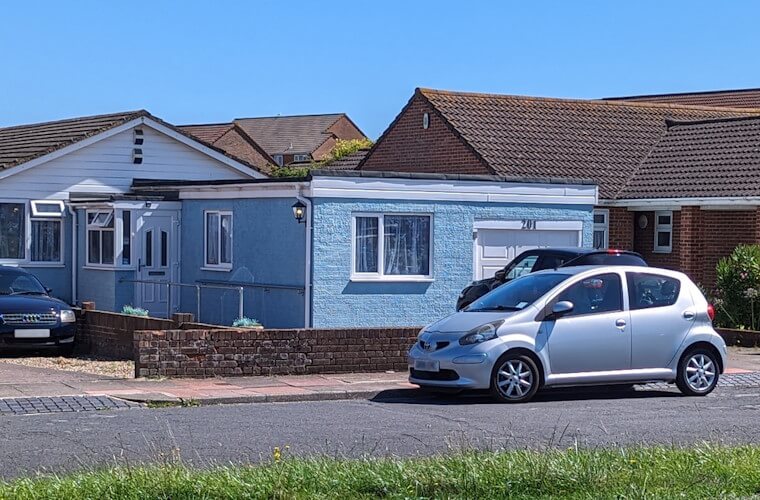
Can buyers get a mortgage for a house with a flat roof?
Beyond the concerns that buyers might have about weather damage and other drawbacks of owning a house with a flat roof, you could discover that the flat roof means that many people could struggle to get a mortgage to cover the cost of purchasing your property.
That’s because many insurance companies will have concerns about the durability and maintenance of the flat roof, and the potential for significant damage to both the exterior and interior of the property following a severe weather event like a major storm.
As a result, lenders might deny a mortgage request or impose very high interest rates and other conditions, as Bowin Property Professionals explains on its website.
The reason why mortgage lenders are wary about damage that a flat roof could cause is because they might need to repossess and sell the house in the future, if the buyer falls behind in the monthly mortgage payments. A home loan provider could worry that the house will be difficult to sell in such a situation, which in turn would mean that can’t use the proceeds to clear whatever amount of money the buyer owes in their arrears on the mortgage.
Therefore, if the buyer is relying on getting a mortgage to pay for the purchase of your home and they can’t obtain or afford a home loan, this will prevent the sale from happening.
One way to avoid having to deal with this situation is by contacting a quick home buying company such as LDN Properties. They have the necessary funds available upfront to purchase almost any variety of freehold or leasehold property, without needing to obtain a mortgage. Not only does it eliminate any concerns about a sale falling through because of mortgage problems, but it also ensures the sale will be completed within a few short weeks – and that timeline includes the important final steps of paying you the proceeds and the exchange of contracts.
Advantages of selling a property with a flat roof
Although there are several disadvantages associated with houses that have a flat roof that can make it harder to sell, there are also some benefits about having a flat roof at your home.
Learning about these pros can be useful when trying to sell your leasehold or freehold property, because you can promote these advantages to buyers and hopefully help them to overcome any concerns that they might have about making an offer to buy your home.
Maximise space: Pitched or other sloped roofs can take up space inside a property, for example the angles of the roof can take up much of otherwise useable loft space. A flat roof avoids this problem entirely and maximises the space you’ll have available in the rooms below it, as explained on the website for Eurotech Roofing Systems.
Visually pleasing: There are some buyers that will place a priority on how the exterior of their next dream property looks, and within this category of buyers you’ll find a few that believe a flat roof is more aesthetically pleasing than a sloped or pitched roof. When you’re dealing with this type of buyer, they may still make an offer for this reason despite any concerns with the roof.
Easier access: When it’s time to repair any damage on the roof, or if there’s any other reason that the next owner of the property will need access to the roof – for example installing a satellite dish – then this work will be much simpler because the roof is level. Whilst not a major selling point for most homes, it nevertheless is another advantage of having a flat roof, because you’ll find that the roofs at conventional houses are harder to access due to their pitch.
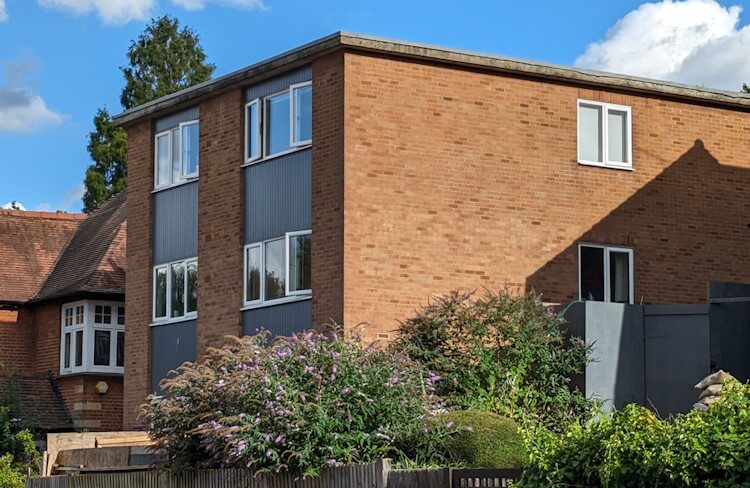
Should you fix a damaged flat roof before selling your home?
Some homeowners might be in a situation where their flat roof has suffered damaged, for example from a bad storm, and they will need to decide whether to fix it before selling.
Trying to sell a house with a damaged flat roof could result in buyers making reduced offers for the property, because they will calculate how much it would cost them to repair the roof as the next owner and then deduct this amount from the offer that they would give you.
Investing your energy, time and money into repairing a damaged flat roof before selling could prevent this outcome from happening, because it resolves the issue entirely. And a house with a well-maintained, intact flat roof will be more appealing to buyers than one with a damaged roof.
But if you don’t have the funds, time or interest in repairing a damaged flat roof before selling your property, you can still sell the home as is in its current condition and get a fast and fair offer.
The best way to do this is by getting in touch with LDN Properties or any other legitimate quick home buying company, because they are known for making competitive offers on almost any leasehold or freehold property, even those considered to “problem” properties because of issues like a damaged flat roof. And they can usually finalise the process of buying your home in just a few short weeks, and that covers exchanging contracts and paying you the proceeds.
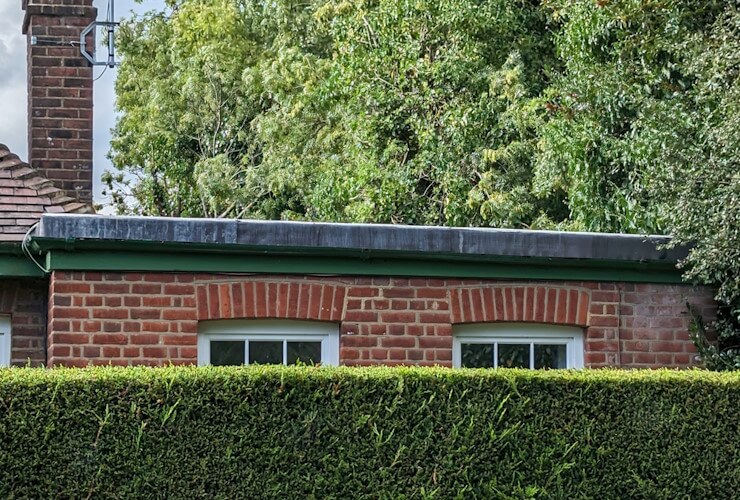
Four methods to sell a home with a flat roof
If you are prepared to sell your freehold or leasehold house with a flat roof, the next major decision you have to make is on which method to use for finding a buyer. The choices are selling with an estate agent, selling to a quick home buyer, selling with a property auctioneer or selling without any third party help, and they all have their own pros and cons.
For example, selling to a quick home buyer means you can complete the sale within a few short weeks. And if you use an auctioneer or estate agent then you will have to pay expensive fees. To find the right method for your sale, review the details of each approach below and find the one that best matches with your unique needs, such as how fast you would like to sell.
Selling with an estate agent
The first option for selling a freehold or leasehold house with a flat roof is by using the services of an estate agent. They’ll prepare a listing that describes your home and includes photographs of the inside and outside, then advertise this listing in their office, online and in local newspapers. Next, they’ll organise and handle viewings to give potential buyers a tour of the property, and they will also hear offers from buyers, hopefully taking one to completion.
This means you won’t have to put in much effort when selling this way, which can help to reduce your stress. But estate agents will charge commission for the work that they do, and it’s usually within a range from 1.15 percent to 1.40 percent or higher of your home’s final sale price. It will add to your costs because the fee will be deducted right away from the sale proceeds.
It’s not a very fast way to sell a house on average, because you will typically be waiting for many months or even more than a year before you’re able to get a buyer. If one of your main priorities with selling your leasehold or freehold property with a flat roof is doing so speedily, you should consider another of the four methods.
Remember also that buyers have the ability to cancel their offers and walk away from the sale without facing any penalties, right up until just before contracts are exchanged. You’ll have to start over with looking for a buyer if that happens, adding even more time to the schedule.
Selling to a quick home buyer
A second way to sell your home with a flat roof is by contacting a quick home buyer – these are companies that have the money available immediately to purchase almost any category of leasehold or freehold home, without needing to get a mortgage to pay for the transaction.
This means they can usually complete the process of buying a home in just a few weeks, making quick property buyers generally the fastest of the four methods for selling a house. And note this timeline includes the key steps of exchanging contracts and paying you the proceeds.
A further benefit of selling to a quick home buyer is that the honest companies will never charge you any commission when purchasing your house, which helps lower your expenses. That compares well to selling through an auctioneer or estate agent, because both of those selling methods will charge you fees that will be taken out of the eventual sale proceeds.
Quick home buyers are also well known for being able to make competitive and fast offers to purchase properties no matter their age, condition, location, shape, size or type – and that includes so-called problem houses that have structural flaws like a damaged flat roof.
By way of example, LDN Properties launched more than 15 years ago and since that time it has developed a lengthy and always growing list of purchases and offers that includes houses with a flat roof, self-build properties, half-finished homes, flats with noisy neighbours, properties located close to a motorway, houses with a thatched roof, homes that have solar panels, properties that have planning permission, eco houses, flats with high radon levels, homes with an infestation and many other situations.
Selling with a property auctioneer
The third method to find a buyer for your leasehold or freehold house with a flat roof is selling at a property auction. Much like using an estate agent, this won’t require a lot of effort from you, because the auctioneer will prepare and advertise your listing, and host the auction, where they will hear bids from potential buyers, which will be priced at ever-increasing values.
But in exchange for doing all of this work, the typical auctioneer will charge a homeowner commission at 2.5 percent of whatever final sale price the property gets at the auction. This fee will be subtracted straight away from the sale proceeds, which adds to your total selling costs. If you would like to avoid paying fees, you should think about selling using another method.
Some auction houses could charge lower commission or be open to having the winning high bidder pay for some of your selling expenses, so you should enquire about this. But beware that other auctioneers might charge even higher rates of commission than 2.5 percent.
If you’re focused on finding a buyer as swiftly as possible, you might also want to review the other selling approaches in this guide. That’s because auctioning can take a very long time, starting with a wait of many weeks or months between when you decide to sell your house and when the auction is held. And even if your home sell as the auction, the buyer will usually have about a month to complete all of their mandatory actions, like signing the relevant paperwork.
You could ask individual auction houses to set a shorter deadline for the buyer to finish these tasks, which could help to speed up the sale by at least a few weeks. But there is no guarantee this will happen, and you might find that some companies will set an even longer deadline, which would lead to even further delays in the overall selling process.
Selling without any third party help
A fourth option for selling a house with a flat roof is doing so without any assistance from an estate agent or auctioneer. This will require that you perform all the tasks for selling, such as preparing a listing, advertising it, scheduling and hosting viewings to give potential buyers a chance to tour the interior and exterior of your house, and fielding offers from genuine buyers.
It’s a massive amount of work and not something that you’ll be able to simply do in your spare time, and if you have no experience with selling properties then you could find that your home remains on the market for more than an entire year. It can also be incredibly stressful, particularly compared to hassle-free ways of selling like choosing a quick property buyers.
That’s why the approach of selling without any help is only a suggested method if you have such experience, or have a qualified friend or family member who can help for free.
The only obvious benefit of selling this way is that you will not have to pay any commission to a third party, which could help lower your overall expenses. But this cost saving might be eliminated by the money that you’ll have to spend on promoting your home’s listing.
As an alternative, you should consider getting in touch with a quick home buying company like LDN Properties. Not only will they commit to not charging you any fees to purchase your property, but they’ll also be able to finalise the buying process on a much swifter timeline of just a few weeks, and that covers paying you the proceeds and also exchanging contracts.
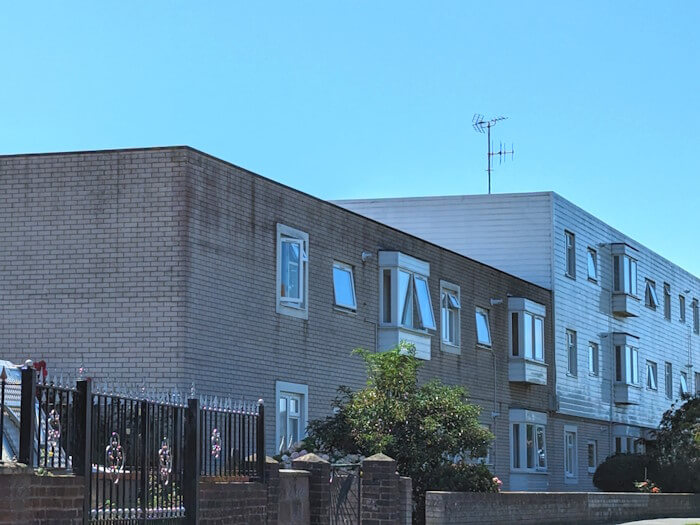
Top queries and answers about selling a house with a flat roof
Homeowners thinking of selling quickly may have a few questions that need answering, ranging from the types of houses that can be sold through to selling a non-standard construction house. Here are some of the questions we’ve been asked about selling property with a flat roof:
Your top questions when selling a house with a flat roof
A flat roof at a freehold or leasehold house, flat or other type of property is one that is either completely level or that has a pitch of less than 10 degrees. This type of roof will qualify your home as being a non-standard construction property, because conventional homes are built with sloped or highly pitched roofs that are usually made with tile or slate.
Yes, houses that have a flat roof can have some advantages, including the fact that it will maximise the space available to you in the rooms directly underneath the roof. In homes that have sloped roofs, this can take up a large amount of space below. Some buyers may also prefer how a flat roof looks, and will therefore see it as a welcome aspect of your home.
There are a few negative aspects associated with freehold or leasehold properties that have a flat roof, and this could make it more difficult to find a buyer for the home in some cases. One major drawback of a flat roof is that it can be more prone to damage during storms or other extreme weather events, resulting in leaks that can damage the interior rooms below.
Possibly, but they might face much higher interest rates and other conditions compared to a home loan for buying a conventional property. That’s because lenders might need to sell the house again to recoup their costs if the buyer defaults on the mortgage, and the home loan provider might worry that it will be hard to sell the house because of the flat roof.
It’s your decision to make and you should consider all of the relevant important factors, such as how much time and money it will cost you to repair the roof before selling. Doing so can help in preventing buyers from lowering their offers on your property, which they might do in order to account for the funds it will cost them to fix the roof if they purchase your house.
If you sell your home using an estate agent then you can expect to pay commission within a range from 1.15 percent to 1.40 percent of the property’s final sale price or more, whereas it’s even higher at an average of 2.5 percent if you sell through a property auctioneer. But selling on your own or selling to a quick home buyer are two ways to avoid paying any commission.
Often the quickest way to sell your house with a flat roof is by contacting LDN Properties or another fast home buying company, because they can finalise the purchase within a handful of weeks. That’s much swifter than selling without any assistance, selling with an auctioneer or selling via an estate agent, because those options can all take at least several months.