Quick navigation
There can be many reasons why your leasehold or freehold house or flat might be deemed unsellable, which means it is not attracting any serious offers from buyers, ranging from structural flaws like rot through to having a poor location. This guide highlights some common examples of unsellable homes and offers tips on how to potentially still attract a buyer.
- What does it mean to have an unsellable house?
- Structural problems that can make a home unsellable
- Location issues may complicate the sale of your property
- Other factors that can make a house or flat hard to sell
- Tips for making your property appear sellable
- Four ways to find a buyer for an unsellable home
- Frequently asked questions about selling an unsellable house
What does it mean to have an unsellable house?
Having an unsellable freehold or leasehold house, flat or other type of property means you are unable to generate any offers from potential buyers and the home remains on the market.
The definition could also cover properties that have generated interest from buyers, but are unsellable because those buyers are unable to get a mortgage to cover the cost of purchasing your flat or house. This can happen in situations where a home loan lender fears they would be unable to sell the property and recoup their costs in the event the buyer defaults on the debt.
There are several different reasons that can make a property unsellable, and they can either occur on their own or cumulatively. These included structural problems, location issues and other factors. This guide will walk you through some of the most common examples of these negative elements about a property and explain why it can make such homes hard to sell.
Although specific figures are difficult to calculate, there are enough unsellable properties throughout the UK that it gained the attention of the BBC, which produced a reality show "The Unsellables" focusing on homeowners who were struggling to sell their houses or flats, highlighting the stress that this can cause.
Most homeowners, however, will not have the ability to obtain national television coverage when struggling to sell their properties. And it can be stressful if you are failing to see any interest from buyers.
But don’t worry that it will always be impossible to find a buyer for your property, because even with seemingly unsellable homes there’s still the chance to sell it for a quick and fair offer. And that applies both for freehold properties – where you own the building and land outright – as well as leasehold homes, where you own the property for a specific number of years in exchange for paying the freehold an annual ground rent, as specified in a lease agreement.
As you’ll see later in this guide, there are some options available for how to still generate interest in your property and hopefully secure a speedy and fair price.
Structural problems that can make a home unsellable
The basic construction of the home could be enough to deter many buyers, for example if the property is made from concrete, is a British Iron and Steel Federation house, or is made from any other materials that some people might considered to be less durable than conventional building materials. The construction material used for building a home can also deter some mortgage providers from giving buyers the loans needed to purchase a property.
Short-term and long-term damage to the home can also be a structural problem that makes people lose interest in buying your property, such as subsidence. This kind of fault can be either localised or widespread, but it will give potential buyers pause about making an offer, because they will be concerned about the cost and risks of fixing the issue if they own the home.
Sometimes even specific work that you have had done in a property can create questions about its future structural integrity, to the point where a home might be viewed as unsellable.
For example, spray foam insulation is another issue that can make it near-impossible to find a buyer for your property, because this type of insulation is seen as a major of concern by many – including mortgage lenders. If the foam is of poor quality and badly installed it can lead to a host of structural problems at your home, including rotting roof timbers.
That’s why a recent story in The Times noted that the presence of inadequate spray foam insulation could make up to quarter of a million homes unsellable. This leaves owners with few options, because removing the foam insulation can cost thousands.
Many property owners will not have the funds, time or energy available to pursue significant structural repair work to their homes before trying to find a buyer. If this applies to your particular situation, do not despair that it will be impossible to ever sell your flat or house.
Instead, consider alternative methods of selling to the more traditional approaches of using an estate agent or auctioneer. These sellers might struggle to attract interest from buyers in a home that has large-scale structural problems. As an alternative, get in touch with a quick home buying company such as LDN Properties, because these companies specialise in making competitive and rapid offers to buy all types of homes, no matter their condition.
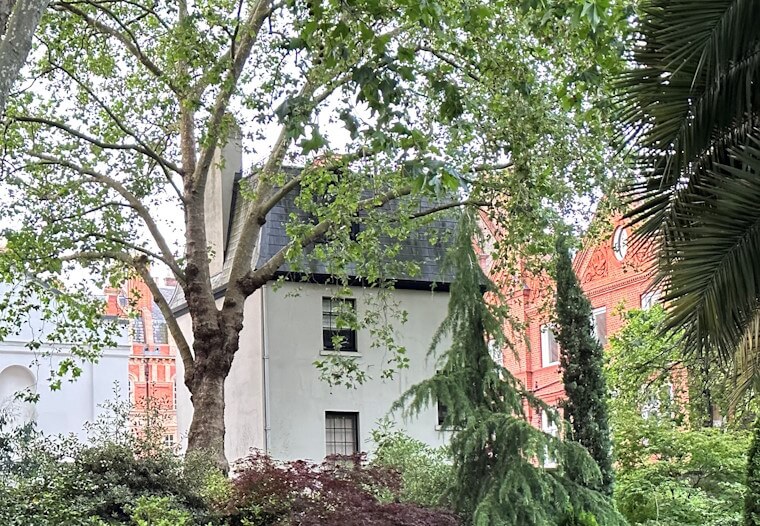
Location issues may complicate the sale of your property
Separate from possible structural issues that might be making your home unsellable, the location of the property could be the key factor that is deterring all potential buyers.
There are many different types of property locations that can be considered problematic for a wide range of reasons, including houses situated close to noisy railway stations or underneath busy airport flight paths, flats located above commercial premises, homes that are located close to mobile phone masts, properties situated near power lines, and other examples.
When it comes to location, it’s obviously impossible to move your property, so if the site of your home is making it unsellable then there are a few steps to consider to attract buyers.
Tidying up the exterior of your property, including mowing and weeding any lawn or other green space, is one of the options to make your house or flat appear more attractive to buyers. Another possible solution is lowering your asking price, as the home services website Angi explains.
A further step you could take is to get in touch with a quick home buying company such as LDN Properties, because these business make fair and swift offers to purchase almost any freehold or leasehold property without reducing their price because of a perceived bad location. Instead, these companies will give you an honest and competitive offer, making your home sellable.
Other factors that can make a house or flat hard to sell
Beyond either structural or location problems, there are other potentially negative factors that can make a property unsellable, and some of them may be impossible to control.
Noisy or difficult neighbours is one of the most common situations that can create tension when trying to sell a house or flat and make it near-impossible to generate interest from prospective buyers. If you live next door to destructive, bullying or otherwise offensive neighbours this can be a deterrent to potential buyers as they would then be living next door to this problem.
Unfortunately, homeowners are required to disclose this type of issue when selling their properties as part of the conveyancing process – the collection of information and legal documents involved with trying to sell any type of freehold or leasehold property.
If there have be known disputes with your neighbours, you will have to tell the potential buyer about this, because they have a legal right to know. If you conceal this information and then someone buys your home and discovers the problem, they could sue you for significant penalties by arguing that they would never have bought the home if they had known.
There are a host of other non-structural and non-location potential negative factors associated with properties that can make them unsellable, ranging from the flat or house being a leasehold home with very little time left on the lease through to properties where the owner is unable to locate the title deeds or other important documents, but every home sale is unique.
Tips for making your property appear sellable
As noted earlier in the section about homes with locations considered to be unfavourable, one step that you can take to make any type of property appear more valuable and hopefully finally attract interest from a buyer is to improve the condition of the interior and exterior.
For the interior, this means removing any clutter and making rooms appear as spacious as possible, because buyers will see this as more valuable. If you have pets, you should remove any mess they’ve left behind and then secure them away during viewings where people who might be interested in purchasing your house or flat can take a tour of it. Ensure that all of the rooms are looking as clean as possible, and remove any potentially offensive personal items.
For the exterior, you should take simple and either low-cost or no-cost actions like weeding and mowing any yard, garden or other green space that you have, repairing any broken windows, installing a new front door, and giving your window ledges a fresh coat of paint.
First appearances are very important for potential buyers when viewing properties, and a home that is kept in excellent condition will typically be seen as much more valuable and sellable than a property which is untidy and has problems like a damaged roof, as a recent article in The Daily Mail notes. That’s why these simple steps could help to make your unsellable home sellable.
If your home has a major structural problem, such as extensive damp, you will need to think about whether to invest in fixing the issue in order to make your home sellable.
Should the structural damage be the one factor that’s currently causing your flat or house to be unsellable, that suggests a solution is spending effort, time and funds on repairing the problem, because this would then eliminate it as a barrier to attracting potential buyers. They will no longer be concerned about the flaw, or their possible costs in having to fix it as the new owner.
But there are many homeowners throughout the UK that will not have the money or time needed to pursue what could be a months-long process of structural work before selling.
In the event that you’re facing such constraints, don’t despair that your property will permanently remain unsellable. Instead, consider alternative methods of selling, such as contacting LDN Properties or another fast home buyer. These companies are open to making fast and fair offers for purchasing a wide range of homes, even those with extensive structural damage.
Four ways to find a buyer for an unsellable home
Once you are ready to try finding a buyer for your currently unsellable house or flat, you’ll need to decide which of four common methods you’d like to use for selling your property.
Typically, you’ll have to choose among selling to a quick buyer, selling on your own, selling with an estate agent or selling at an auction. Some of these methods have great perks, like quick buyers not charging sellers any commission. Other approaches have notable disadvantages, like the potential for selling without any assistance to take more than a full year.
To find the selling method that best pairs to your situation, first write down your top goals with the sale of your home, such as the speed at which you’d like to sell, whether you are willing to pay any commission to find a buyer, and your ideal selling price. Then browse the details of the four options below to discover which of these approaches is the closest match to your needs.
Selling to a quick buyer
LDN Properties is an example of a quick home buying company, because it has the funds available to immediately purchase all types of leasehold or freehold homes. These buyers don’t have to wait for many weeks or months to get a mortgage to pay for the purchase, which cuts the usual selling timeline down to just a handful of weeks, including exchanging contracts. It makes using a quick buyer often the speediest way to sell any variety of property.
And these companies are also known for making competitive and fast offers for buying homes regardless of their age, condition, location, shape or size. That makes them an ideal option for selling an otherwise unsellable home, because quick buyers will still be interested in making an offer even if there’s a problem with the structure, location or anything else with your home.
Some of the many varied unsellable home situations where LDN Properties has nevertheless looked to make purchases are houses with storm damage, properties without structural warranties, homes with old wiring, flats that don’t have bathrooms or kitchens, houses with low Energy Performance Certificate ratings, properties with elevated levels of radon, flats with mortgage arrears, concrete construction homes, houses with survey problems, properties with short leases, flats that are situated in high-risk flooding zones, and many other scenarios.
A further benefit of selling this way is that the honest quick buyers will refuse to charge you any commission when purchasing your property, which will help to reduce your expenses. But you’ll have to pay fees if you use an estate agent or auctioneer, which increases your costs.
Selling on your own
This is a very stressful way to sell your home, because you’ll have to handle every aspect, including developing and marketing a listing that describes the main features of your home and includes photographs of the interior and exterior. You’ll need to arrange viewings to give potential buyers tours of the house or flat, and you’ll have to field any offers you might get.
This is a large amount of work and only recommended for those with experience of selling a home, or that have a qualified family member or friend who can help for free. Otherwise you risk waiting more than a year before getting a serious offer, making it a very slow way to sell.
You do have the advantage of not having to pay an estate agent or auctioneer any commission when selling without any assistance, and that can lower your selling expenses. But this can saving may be cancelled out by what you spend on advertising your listing.
As an alternative, you could sell to a no-fee quick buyer such as LDN Properties, which should be able to exchange contracts, pay you the sale proceeds and fully complete the purchase of your home in a handful of weeks – with the added benefit of not having to pay any fees. It’s a much less stressful way to get additional advantages and finally sell your unsellable home.
Selling with an estate agent
You will have less work to do when selling via an estate agent because they’ll handle the creation and marketing of a listing, arranging viewings and hearing offers from buyers.
But estate agents will charge commission based on your home’s final sale price for their work, and this will be taken out of the sale proceeds. This will add to your overall selling costs compared to using a method that doesn’t charge any fees.
It’s also often not the quickest way to sell a property, and you should not be surprised if your home remains on the market for over a year – particularly if whatever problem has made the property be deemed unsellable persists. Indeed, some estate agents might struggle with knowing how to market your unsellable home, which will delay interest from potential buyers even longer.
Selling at an auction
Finally, you could try selling your home at an auction, with the aim of having several people interested in the property and placing bids of always-rising value to buy it.
But there’s no guarantee that your house or flat will attract any interest at an auction, and if it doesn’t receive any bids at the level of the reserve price – the lowest value at which you’ve agreed your home can sell – then it will be deemed unsold. This will add much more time to the selling process because you’ll have to begin again with trying to find a buyer.
The timeline for a property auction can be quite long and comes with several long waiting periods, including many weeks or months between when you decide to sell your home and when the auction happens. Should your property sell at the auction, the buyer then has roughly a month to complete their legal paperwork and other steps necessary to finalise the purchase.
Auctioneers will also add to your selling expenses by charging you commission, that will be taken out of the sale proceeds. It’s possible that you could negotiate a lower rate of commission or have the winning high bidder pay for some of your expenses, so ask individual auctioneers about this possibility.
Also, just as some estate agents might struggle to find buyers for an unsellable home because of its structural problems, location or other issues, the same is true of auctioneers. Depending on what the specific factor is that is making your property unsellable, some auction houses might not know how to advertise it in such a way as to attract any interest from buyers.
Top queries and answers about selling an unsellable property
Homeowners considering selling quickly may have a few questions for us, ranging from the need for essential electrical works before selling through to selling a smoker’s home. Here are some of the top questions we’re asked about selling an unsellable property:
Your top questions when selling an unsellable property
An unsellable freehold or leasehold property is any flat, house or other residential building that is failing to attract any interest from buyers for issues related to its structural integrity, location or other factors. The term can also refer to a property for which mortgage providers refuse to issue loans needed by prospective buyers, primarily because of one of the problems with the home.
Structural problems with a property can be minor or major but could all make it harder to sell a home, including issues like damp, dry rot, subsidence and more – and even the type of construction material used to build the home. Depending on the scale of the problem, it may be a dealbreaker for some buyers or for mortgage lenders who refuse to issue buyers a loan.
Location has always been an important factor when trying to sell a home, because people want to live in areas that are seen as favourable. Some examples of undesirable locations that might make a flat or house unsellable include next to rail lines or railway stations, adjacent to industrial estates, underneath noisy airport flight paths, close by to power lines and other examples.
Yes, there are factors that are not directly related to the location of structural integrity of a house or flat that can complicate the sale of that property. One common example is if you have problematic neighbours and that dispute is harming your quality of life, because this is an issue you are required to tell potential buyers about and that could make your property unsellable.
If a structural fault with your home is the reason why it is currently unsellable, spending money and time on fixing that issue can solve the problem and eliminate buyers’ concerns about the property. However, not everyone can afford to do this kind of work before selling, in which case you should consider contacting a quick buyer with experience of buying homes like yours.
Usually, selling to a quick home buyer like LDN Properties is the swiftest method for selling a problem property, because these companies can complete the entire process – including paying you the proceeds and exchanging contracts – in just a few short weeks. Selling via an estate agent, an auctioneer or without any help can all take many months at a minimum.
Not if you sell your home without any assistance, or you sell to a genuine zero-commission quick home buyer like LDN Properties. But if you decide to try and sell your property with an estate agent or auctioneer then you’ll have to pay them fees that will increase your selling expenses, because the commission will be subtracted from the final sale proceeds.