Quick navigation
If you own a freehold or leasehold property that features solar panels installed on the roof, you might be wondering whether their presence will help or hinder your ability to quickly sell the home. The guide below offers important information on the pros and cons of having solar panels on your property, as well as key tips for the swiftest way to find a buyer for your home.
- Why do some homes have solar panels?
- The two different types of solar panels installed on properties
- Advantages of selling a home with solar panels
- Disadvantages of selling your house with solar panels
- Options for finding a buyer for a house or flat with solar panels
- Questions and answers about how to sell a home with solar panels
Why do some homes have solar panels?
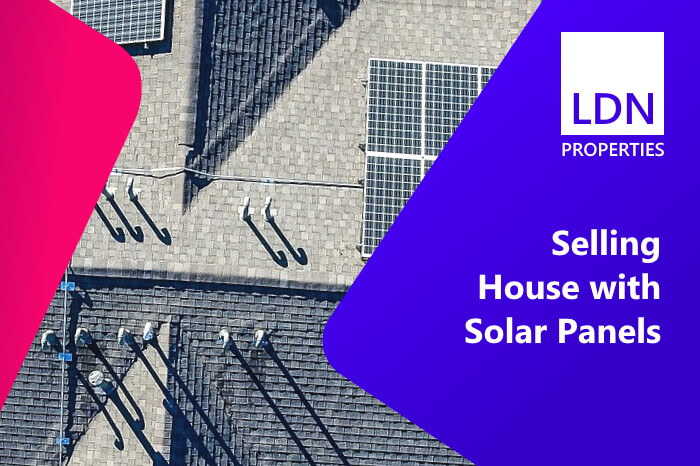
Photovoltaic systems, more commonly known as solar panels, are a clean energy source that converts sunlight into power for homes, businesses and other buildings. They work using panels of varying sizes that contain semiconductors which convert the sunshine and generate renewable energy, reducing reliance on more-polluting power sources such as coal.
Energy Saving Trust, an independent entity that advocates for environmentally friendly energy actions in the UK, adds that some of the potential financial benefits of the panels for homeowners include reduced power bills, the potential for receiving money for generating extra energy.
Money Saving Expert has also considered in depth if solar panels are worth it – read their article here.
As a result, some people might see a house or flat with solar panels as being worth more than a property without. Yet that doesn’t mean the sale of a home with solar panels is a simple process.
The two different types of solar panels installed on properties
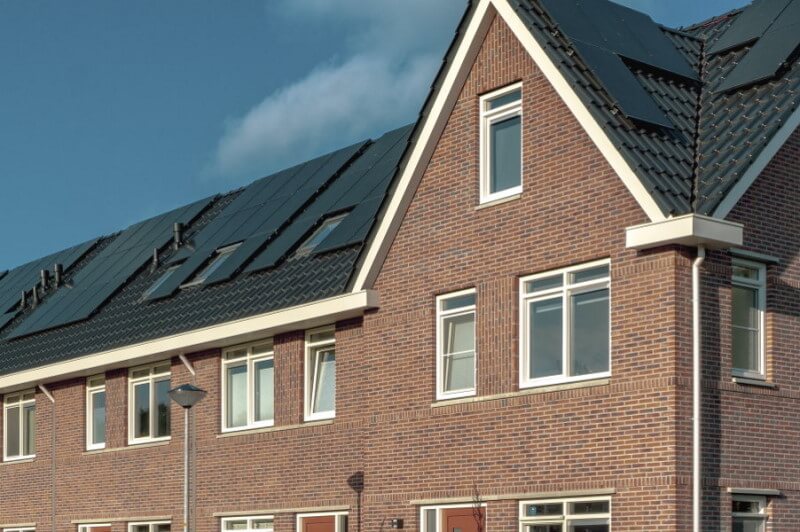
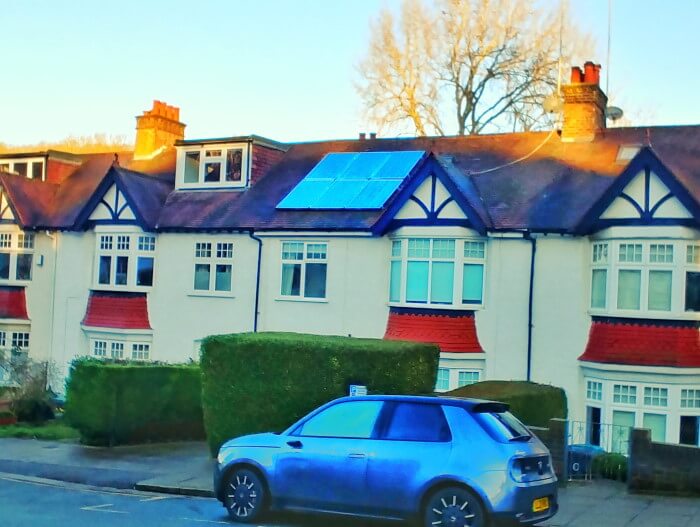
Whether your home is leasehold or freehold, if it features solar panels then they will have likely be installed through one of two ways. Either you or a previous homeowner will have solely funded the work of installing the solar panels, or a solar panel provider will have paid for the installation and retained ownership of the solar panels whilst leasing access to the home’s roof.
Solar panels paid for and installed solely by a homeowner
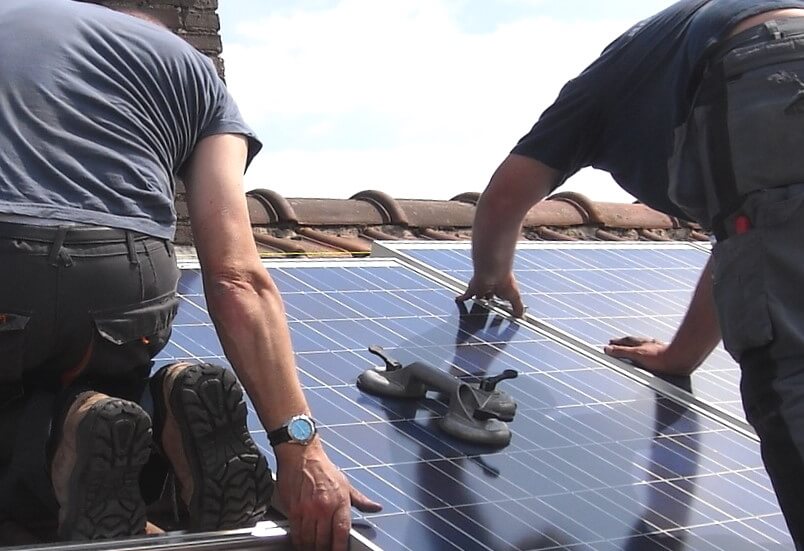
Some homeowners who want to help reduce carbon emissions have paid entirely on their own to install solar panels, and if that’s the case they belong entirely to the property.
In an attempt to encourage more homeowners to pay for and own solar panel installations, some renewable energy providers are offering large discounts for such work, according to recent news reports. And surveys also find that 48 percent of UK homeowners are now more interested in improving the energy efficiency of their homes, with almost 15 percent saying that they have thought about using solar panels at their properties to generate electricity.
However, even with discounts and potential assistance with installation, the total cost of self-ownership of solar panels for the average homeowner could exceed £10,000. That’s a lot of money for many people, making this approach to installing solar panels a limited option. The costs of
Another downside of a homeowner paying for the installation and operation of solar panels on their own is the fact that they will also be responsible for any and all maintenance of the solar panels. That means if they break down or cause any problems, the homeowner will be liable. This potential cost concern can lead some people to opt against installing solar panels this way.
Solar panels paid for and installed by an energy company
In most other situations where a home features solar panel, a power provider that includes solar in their portfolio has made an agreement with the owner of a property to install solar panels on the roof of the building. The provider keeps the ownership of the solar panels, and signs a lease with the homeowner that gives them access to the rooftop, typically for at least 25 years.
During the time of the lease, the homeowner gets the benefit of having free electricity generated from the solar panels, which helps them to save money on their power bills.
When the energy provider has funded the installation of solar panels and kept the ownership of them, they will also be responsible for ensuring their maintenance in case they break down. That removes any obligation for homeowners to pay for any repairs to broken solar panels.
EON Energy and EDF Energy both have detailed guides on their websites discussing the cost of installing solar panels and providing many frequently asked questions.
Advantages of selling a home with solar panels
There are a handful of potential advantages of having a house or flat that has solar panels that can make your home more attractive to a prospective buyer in certain circumstances.
The home might be more enticing to environmentally conscious buyers
As noted earlier in this guide, recent surveys have found that almost half of all UK homeowners are becoming more conscious about making their homes more energy efficient. One of the reasons why some people are looking to reduce their energy usage is because of the damage that fossil fuel power sources can have on the environment. Some buyers might be interested in a home with solar panels because it’s a more environmentally friendly property.
However, it’s unlikely that a home sale would ever rely solely on the presence of solar panels, because buyers will be looking at traditional aspects too such as the total number of rooms, whether the property has a garden, and the overall condition of the interior and exterior.
Solar panels could help to improve your property’s energy efficiency rating
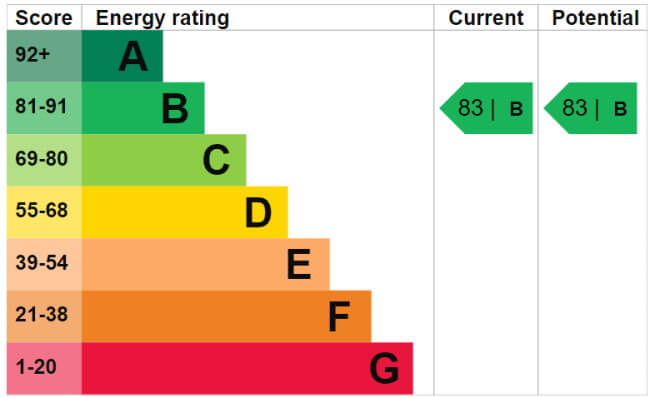
Having solar panels installed at your home can also help to improve the property’s overall Energy Performance Certificate, or EPC, rating. Starting in August 2007, the UK government mandated by law that homeowners have these certificates, which summarise the energy efficiency of a home, before selling or renting a property. The certificates include details on how much energy the overall property uses, as well as how much that usage costs and any tips for reducing usage and costs.
EPCs have a valid duration of 10 years and present their ranking of each home’s energy efficiency from the lowest grade of G to the highest grade of A. Because of their clean energy status, solar panels can be useful in increasing your home’s overall EPC certificate grade, which in turn might make the home more attractive to some potential buyers.
Buyers may be more interested in your home because of its reduced power bills
When people are looking to buy homes, they will assess every aspect of the property including how much it might cost them to live in the house or flat each month. As part of that calculation they will look at the home’s energy efficiency and usage. If they see that a home has solar panels installed, they can calculate reduced energy bills and it might increase the chances that they would be willing to make an offer compared to a home that lacks solar panels.
In addition, if a solar panel company has installed and retained ownership of the panels, then they will be responsible for the upkeep and repair of them. This could be enticing for a buyer because they would get all of the benefits of solar panels without having to do any work.
Disadvantages of selling your house with solar panels
Unfortunately there can be just as many, if not more, disadvantages associated with having solar panels installed on the roof of your home that can make it harder to find a buyer.
Buyers might find solar panels unsightly or oppose them
Not everyone agrees that home rooftop solar panels are a great idea, and if you are trying to sell such a property you need to be prepared for the fact that the presence of the solar panels could make many people instantly decide to not look any further at buying your home.
One reason that people might not want to buy a home with solar panels is the visual aspect; they might simply think that the panels look ugly. Depending on how many panels are installed on a home, they could take up most of the roof and even the side of some properties. There are many potential buyers who will want the exterior of a home free of any such additions.
And to a lesser extent, but still relevant, there might even be a handful of potential buyers who simply do not agree with the push to install rooftop solar on residential properties. If they fundamentally disagree with the concept then they will never make an offer on your home.
Maintenance of the solar panels can be a drawback
Even if a buyer is willing to consider making an offer on a property with solar panels, they might not do so if they will be required to do any maintenance of the panels.
In the event that the panels are the sole property of the current homeowner, the buyer will be liable for the overall upkeep of the panels in the event that they move in to the house or flat. This is a task that many potential buyers might simply not have the time, energy or desire to fulfil, and therefore this could be the issue that prevents them from making an offer.
Potential problems with obtaining a mortgage for the home
But perhaps the biggest negative aspect of having solar panels on your home is the fact that any interested buyer might struggle to win approval from a mortgage company for the loan necessary to make a valid offer on the home. If someone wants to buy your house but cannot obtain the necessary loan, that means the sale will unfortunately fall through.
Although some homeowners pay to install their own solar panels, most of the panels that are on property roofs throughout the UK were installed by energy companies who retain ownership of the panels and lease the roof space from the homeowner. The lease generally lasts for 25 years but can be longer or shorter in some circumstances. The existence of that lease can be the reason that many mortgage companies will deny a loan to buy a house with solar panels because much of the home’s roof is currently leased out to the solar panel provider. And attempting to pay to end the lease is generally too expensive for most people to consider.
Related complications with the lease agreements include the potential that homeowners might have to pay the solar power provider large fees when selling a property; provisions in the rooftop lease preventing the sale of a home without the solar panel provider’s consent; and difficulties identifying the solar panel provider because they might be out of business.
But if these various complications can be overcome, it might still be possible for a buyer to get a mortgage to fund the purchase of your property with solar panels if the company that installed the panels is recognised by the Microgeneration Certification Scheme, or MCS. This is an independent standard-settings entity that certifies the high quality of low-carbon products and installations, including solar panels and more.
Options for finding a buyer for a house or flat with solar panels
When you are ready to sell your home with solar panels, you’ll need to decide which method for finding a buyer you would like to use. Each approach might have its own advantages and drawbacks depending on your individual needs, for example how fast you want to sell.
Sell your home through an estate agent
Estate agents are a traditional method of selling a home, and they provide a lot of work throughout the process. They will compile a listing that describes all of the rooms and other features of your home’s interior and exterior, and take photographs of the property for the listing that aim to show it off at its best. Then they’ll advertise this listing in their office window, in local newspapers, online, and anywhere else that they might be able to find you a buyer.
If someone shows an interest in your home, they will come on a viewing where they get to tour the property. The estate agent usually handles these so you don’t have to worry about hosting them, but you might still find the visits to be somewhat time-consuming and inconvenient.
Should you manage to sell your home through an estate agent, they will charge you commission for the work that they have done. You will have to deduct this fee from the final net profit that you can expect to make from the sale, so consider this carefully if you are working on a tight budget when selling your home and buying a new one.
Also, you might require a specialist estate agent to sell a home with solar panels. Some estate agents may have zero experience with selling such properties, and therefore they could struggle to know how to find buyers for your house. And if you need a specialist estate agent but cannot find one in your area, you will have to consider other methods of finding a buyer for your home.
Another a potential major drawback of selling your home through an estate agent is that there is no certainty on when the property might find a buyer. If demand for buying houses is very low, it could be a very long time — perhaps even more than a full year — before you receive an offer, which makes this a less-attractive option when you’re trying to sell your home quickly. In contrast, fast home buyers can typically complete the purchase of properties in a few weeks.
Sell your home through a home auctioneer
As an alternative to using an estate agent, you could use a property auction to sell your house or flat with solar panels. These work the same way as auctions for personal items such as furniture; people gather on a specific date and are shown items for sale, and then they decide whether to bid on them, starting with the opening bid price. The goal of any auction is to have many people trying to outbid each other on the same item, which pushes the final price higher. And a winning bid is a legally binding agreement to buy your home that you can sue to enforce.
However, there are no promises that this will happen at a property auction, and therefore you are waging a gamble when you try to sell your home this way. You might have a very popular house even with solar panels, and the final sale price could be much more than you thought was possible. Or you could just get the opening bid price, which is typically set a lower level than you’d prefer in order to attract interest from as many potential buyers as possible. And it’s even possible that your home doesn’t get any bids, in which case it doesn’t sell.
Auctioneers have experience with selling various types of properties, but you should ask around several different auction houses to see if they have sold homes with solar panels. If not, they could also find it difficult to generate enough interest in your property in order to sell it.
There might be some delays involved with selling your home at an auction, including a wait of potentially a few weeks between the date when you agree to list your home for sale and the date on which the auction occurs. You could also have to wait a few weeks or longer after a successful auction until all of the required sale paperwork can be completed.
And you will also have to pay an auctioneer commission for their work in selling your home, which reduces the total proceeds you can expect to make from the sale. However, you might in some cases be able to make the winning high bidder pay these costs instead of you.
Sell your home to a fast property buyer
If you aren’t interested in using either an estate agent or a property auction to sell your home, you can sell fast and for free when you contact a fast home buyer like LDN Properties. Our team can finalise the purchase of many types of houses ad flats within just a handful of weeks, and we promise that you will never have to pay any fees when you sell your property to us.
We can consider making offers to buy almost any type, size and shape of freehold or leasehold house or flat in and around London, including homes with solar panels. We won’t necessarily look at solar panels as being a drawback for making a competitive offer to buy your property, because we are open to buying many homes no matter their additions or other features.
Start the sale of your home by calling our friendly experts, and within the first hour of chatting with you, we should be able to make an initial no-obligation and fair offer for buying your house or flat. There’s no pressure to decide instantly as you’ll have at least a week to consider.
If you would like to accept the offer, we will then have one of our representatives visit your property so that they can inspect the exterior and interior before we make a final offer. And you should use their visit to ask them any remaining questions you might have about selling to us.
The final step is for us to work with your solicitor so that we can swiftly finalise the sale, including exchanging contracts on the property and quickly paying you the proceeds. Our goal is that the entire process will only take a few weeks from the time that you first contact us.
And remember that a major perk of selling your home to LDN Properties is that our streamlined, hassle-free and straightforward approach to buying houses is completely free of any fees. That means you can count on receiving the full profit from whatever offer we make on your home.
Questions and answers about how to sell a home with solar panels
Homeowners looking to sell their home fast often have a range of questions for us, ranging from selling a house near power lines through to specific questions about selling with solar panels. Here are some of the main questions we are asked about selling with solar panels:
Your questions answered when selling property with solar panels
No. Some houses do have solar panels that the owner has completely paid for, including installation and the ownership of those will transfer with the sale of the house. However, many homes throughout the UK that feature solar panels do so because the owner has agreed to let solar companies install them for free and to have a long lease on their roof placement.