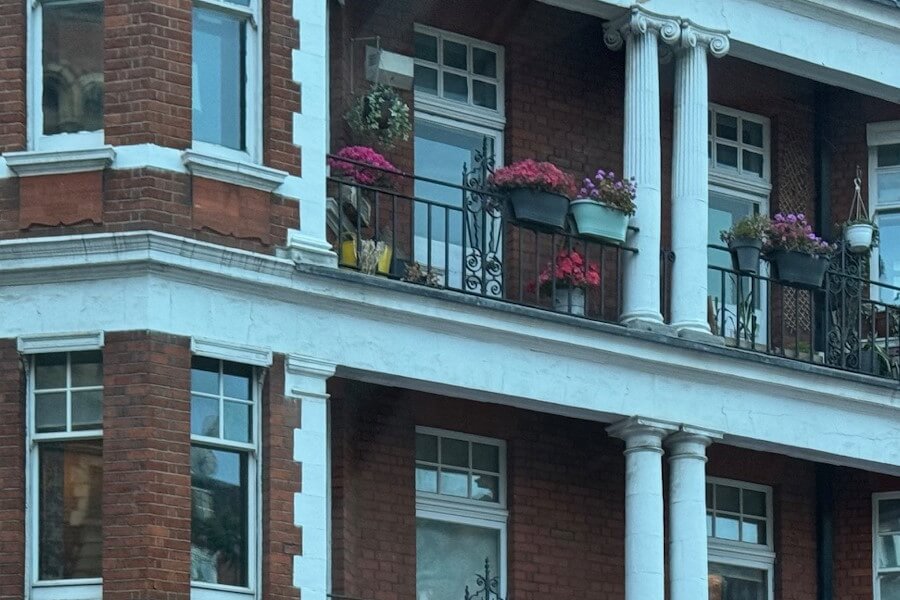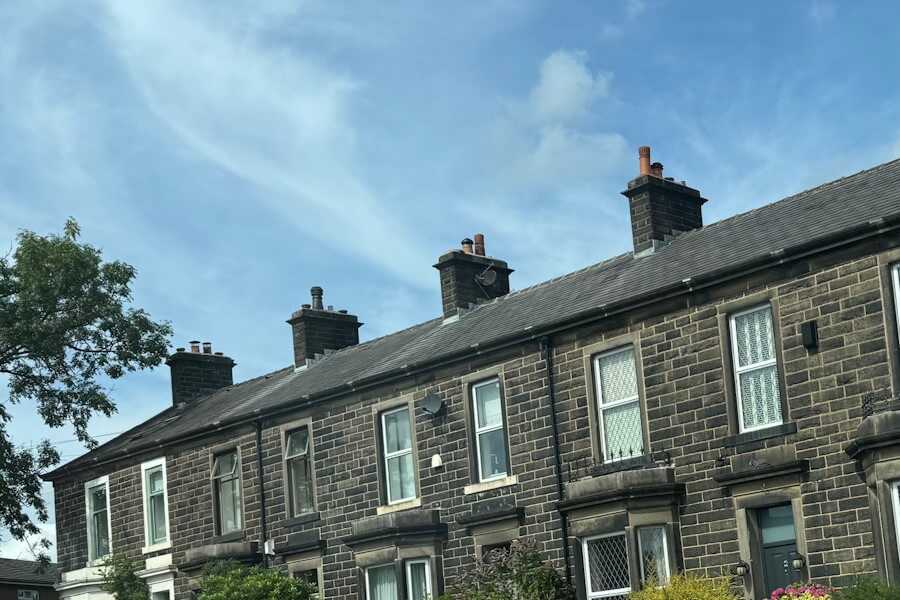
The types of property ownership found in the UK
Whether you live in a house, flat or any other type of residential building, establishing who is the legal owner of the property is a necessary prerequisite before making any attempt to sell it.
In the UK, there are two primary categories for homes – leasehold and freehold – along with a third type known as commonhold, as the website MoneySavingExpert website notes in a recent article. For anyone thinking of selling a property, it can be useful to get an overview of what these categories mean.
Freehold: With this category of home, you would be the outright owner of the building as well as the land on which it was constructed. Many houses sold are often freehold, although some can be leasehold. And there are certain flats that might not be freehold, but may still have a situation through which you own part of the freehold of the building that contains your unit.
Leasehold: Flats are typically designated as leasehold properties, and these are homes where you will own it for a set number of years as detailed in a lease agreement that you sign with the freeholder of the building. This agreement will contain important conditions such as specifying how much you will pay in annual ground rent and service charges, and other issues.
Commonhold: This type of ownership applies usually with homes of multiple occupancy, where each person that owns a unit within the property is the freeholder of it, and a resident or commonhold association is responsible for managing the public parts of the building. The concept of commonhold began in 2004 but there are few of these properties in the UK.
Finding out who owns a house or other type of property, and which of the three categories it fits into, is an important step to take before making any choices on how to find a buyer for it.
There are many explanations for why someone could want to sell a property, such as dealing with the fallout from a change in their personal life like a divorce, needing to raise funds to resolve financial difficulties, wanting to move overseas, and various other situations.
Whatever the reason behind a desire to sell a house or flat, it’s vital that you first establish ownership of it, whether it’s leasehold, freehold or anything else. This well help to prevent any potential legal complications in the future should anyone else claim they own the property.
In the following sections of this guide, you will find all that you need to know about why it’s important to establish who owns a home, along with the various steps that you can pursue in order to find out the exact ownership of many types of property in the UK. The guide provides an easy way to navigate this issue, so you can focus on securing a stress-free sale.
And there’s also plenty of information on your various options to find a buyer for a property for which you’re the definite owner, such as selling to a quick home buyer like LDN Properties – a process that often takes just weeks to complete and never charges any commission. You can read about this and other selling options before you make any final decisions.
Why find out who owns a property?
Having this kind of information can be invaluable for a wide range of reasons, whether it’s getting independent verification that the facts you’re being told about the property are accurate, or whether you want to know if a property developer is buying up many homes in your area, or even if you don’t have any interest in buying and are simply curious about the ownership.
The good news is that it’s not a very complicated process to finding out who owns a house or flat that you’d like to know more about. At LDN Properties we know the exact steps to take because finding out about owners is a core part of how we do business, because we give homeowners exclusive speedy and generous offers for buying their houses and flats.
How do I find out who owns a specific house or flat?
Being able to identify the owner of a home is a crucial step in the selling process, and many properties are listed on the Land Registry, which is a non-ministerial UK government department that registers the ownership of homes throughout England and Wales.
Unfortunately, not every house or flat is listed on the HM Land Registry and trying to sell an unregistered house can create some additional hurdles that will have to be overcome.
But for those properties that are listed on the HM Land Registry, finding out the ownership can be as simple as putting the specific house number or name along with its postcode into the department’s search engine. For a small fee (currently £3) you will be able to download a copy of the title register, which is a document that will tell you who owns the property, along with the price they paid for it or its value stated information if the house or flat was sold from April 2000 onward.
The title register is also very important to potential property buyers because it will tell you whether there are any rights of way or restrictions on the land. For some buyers these provisions can sometimes make the difference between walking away or making an offer to buy.
If your search on the HM Land Registry is not successful, you might also be able to find out home ownership details by conducting a similar search on the Land Charges Registry. This should reveal any information about bankruptcies, second mortgages, and other issues that might be considered as potential obstacles to attempting to buy the property.
What do I do if online searches don’t help me find a home’s owner?
Of course, sometimes you might struggle to find out the owner of a house or flat because the property that you’re looking at is currently empty, a recently inherited property or otherwise abandoned. If that’s the case and you don’t have any luck finding out the owner’s identify through online searches, you might want to consider leaving a note at the property expressing interest in chatting with the owner and leaving your contact details. Many people have succeeded in discovering owners this way.
As more of a last resort you might want to consider a professional search agency, which will often by classified as a detective agency in newspaper or internet advertisements. If you hire a professional from one of these businesses, they will be able to do extensive work on your behalf to try finding out the owner of whatever house or flat you are curious about. But the downside is that these search agencies typically charge quite a lot of money for conducting the search, with some firms making people pay fees of a few hundred pounds to find a property owner.
Options for selling a property after finding out who owns it
Once the ownership of a home has been firmly established, the next step in the selling process is selecting which approach to use to secure a buyer. The typical choices are selling via an estate agent, selling to a quick buyer, selling without any help, or selling at an auction.
You may find it useful to write down your main priorities with the sale of the property, including how fast you want to sell, whether you are open to paying commission, and your ideal sale price. Then compare these aims against the specific information about the selling choices below, and this should assist in revealing the most suitable option for your needs.
Carefully review what’s involved with the different approaches because they have their own advantages and disadvantages based on their cost, speed and more. By way of example, selling to a quick buyer should only take a few weeks from start to finish, whereas the three other strategies can all take at least several months on average, and sometimes longer.
Selling via an estate agent
Selling your home through an estate agent can be quite expensive because you will need to pay them commission if they mange to find a buyer for the property. This is often charged within a range from 1.15 percent to 1.40 percent of the final sale price for the flat or house, but it might be above or below these amounts, so always check with individual estate agents.
They charge commission to pay them for the work that they put in to selling your home, which starts when they create a listing that includes photos of the property’s interior and exterior and a description of its main features. Next, the estate agent will advertise this listing online, in their office and in local newspapers, and schedule viewings for buyers to tour the property. Finally, they will hear offers and attempt to get one of the last step of exchanging contracts.
Don’t except a swift sale when you use an estate agent, as the typical timeline is often several months or even longer. And there’s also the potential that someone makes an offer on your home but later decides against it and cancels the offer. They are allowed to do this without penalty if you haven’t exchanged contracts. And it would delay a sale much further because you would then have to restart the search for another buyer for the property.
There’s also a risk when selling this way that an estate agent quotes you a high price for selling your home, even if they understand it will only sell at a much lower value. They do this to get you to agree to sell using the services, so they benefit from charging you fees on a sale.
To avoid falling for this, you can visit property sales websites and write down the current and past sale prices of homes similar to yours. Then ask multiple estate agents for free quotes of your property’s potential sale price, and finally calculate the average of all these values and this should generate more reliable rough estimate of the price at which your home could sell.
Selling to a quick buyer
If you’re trying to sell a “problem” property that is discouraging buyers because of its age, condition, location, shape, size, type or any other potential drawbacks, then quick buyers can be a good option as you’ll get a fair and swift offer no matter what type of home you’re selling.
For example, LDN Properties launched in 2003 and since then its many varied purchases throughout the UK have included homes without a Fenestration Self-Assessment Scheme certificate, flats with an infestation, houses with chancel repair liability, properties with a flying freehold, flats lacking a license to alter, houses with an enforcement notice, derelict properties and more.
Quick buyers have this name because they are able to complete all the required steps for buying a home in just a few weeks, and that includes paying the seller the full proceeds and exchanging contracts. They can move so rapidly because they already have the funds in place to buy the property and don’t need to wait to get approved for a mortgage to afford it.
Another important benefit of selling to an honest quick buyer is that they will not charge you any commission, so you can count on getting the complete sale proceeds. But if you instead opt for selling with an estate agent or an auctioneer then they will charge you commission, and this will cause your total expenses to increase as it will be subtracted from the sale proceeds.
And if you accept the quick buyer’s final offer, they’ll move fast to sign all the necessary legal documents with your solicitor or other legal representative, all done within weeks.
Selling without any help
Selling on your own can be quite stressful as you would need to handle all the tasks, beginning with putting together and advertising a listing, then arranging viewings, hearing offers from prospective buyers and trying to guide one through to the exchange of contracts.
This can be a lengthy process and it might take many months or even more than a year, and it’s also not something you can only handle in your spare time. For these reasons, you should only seriously think about this strategy if you have previously sold a house or flat, or if there’s a friend or family member with suitable experience that can help out with the sale at no charge.
Perhaps the only obvious benefit of selling this way is that you avoid having to pay any commission to an estate agent or an auctioneer, which is one way to save money. But the funds that you spend on promoting your listing and other selling tasks may cancel out this saving.
Selling at an auction
Or you could attempt to sell your home through an auction, where people can place bids on the property and the top value bid at the end of the auction is the winner and therefore the person buying the house or flat. Just note that you could get no bids on the home, which means it does not sell and you would then need to start again with seeking a buyer for it.
Auctioneers charge commission on the successful sale of a home, and this is typically 2.5 percent of its final sale price. The fee will increase your costs because it is taken out of the final sale proceeds. You might be able to persuade an auctioneer to reduce their rate of commission or have the buyer pay a share of your costs, but neither outcome is guaranteed.
This fee covers the auctioneer for the work that they will put into selling your home, beginning with producing a listing for your home and then advertising this to get buyers interested in the property, followed by hosting the auction and then overseeing a successful sale.
Selling at an auction can also take a long time, with a lengthy wait between deciding to sell this way and the day that the auction is held. If you are able to sell your property through the auction, the winning bidder will then have roughly a month to sign the required legal documents and finish the other steps that they need to take in order to complete the purchase.
Seven common questions about finding a home’s owner
We have extensive experience at LDN Properties about helping people find out who owns specific properties, and these are among the most common questions we’re asked:
You should first try the cheap search of the HM Land Registry’s website. It’s a very straightforward process of entering minimal details about the home (its name or number as well as the postcode) and in seconds find out about its ownership. You’ll also typically be able to see the price that the current owner paid for the property.
Sometimes the simplest steps are often the most successful, so as an early first move you should consider posting a note through its letterbox, saying that you’re interested in the property and finding out its owner. If that doesn’t work, you could then turn to the HM Land Registry and other options.
Try to avoid spending hundreds of pounds paying a search agency to find the homeowner. Instead, prioritise the other options that include a search on the HM Land Registry. It doesn’t cost you anything to search for properties on the department’s website, and it will tell you if any responsive records exist. If so, it’s very inexpensive (just £3 at the moment) to download a copy of the ownership details.
Many houses are defined as freehold, where you own both the building as well as the land on which the property was constructed, whilst the majority of flats are often leasehold, where you own the unit for a set number of years as laid out in a lease agreement with the freeholder. A third category of ownership known as commonhold is not very prevalent.
You have a few options for selling almost any type of property, and they are using the services of an estate agent, selling to a quick home buyer, selling without any help, or selling at a property auction. All of these options have their own drawbacks and benefits on important issues such as whether they charge commission, their typical timeline, and more.
If you decide to enlist the help of an estate agent or an auctioneer for selling your flat or house, then you will have to pay them commission if they are able to find a buyer for the property and get it to the exchange of contracts. But if you instead sell on your own or you sell to a no-fee quick buyer like LDN Properties then you will not have to pay any commission on the sale.
It might take several months or even more than a full year to sell your home if you choose either the option of using an estate agent or selling without any help. Auctions are also relatively slow and can take a few months to complete the entire process. Selling to a quick buyer such as LDN Properties is usually the fastest choice as it should take only a handful of weeks.
LDN Properties can help anytime you want to sell your home
The friendly team of experts at LDN Properties is ready to chat with you about any aspect of home buying because that’s our specialty. For almost 20 years we’ve made quick and competitive cash offers to buy homes through a hassle-free and zero-free process.