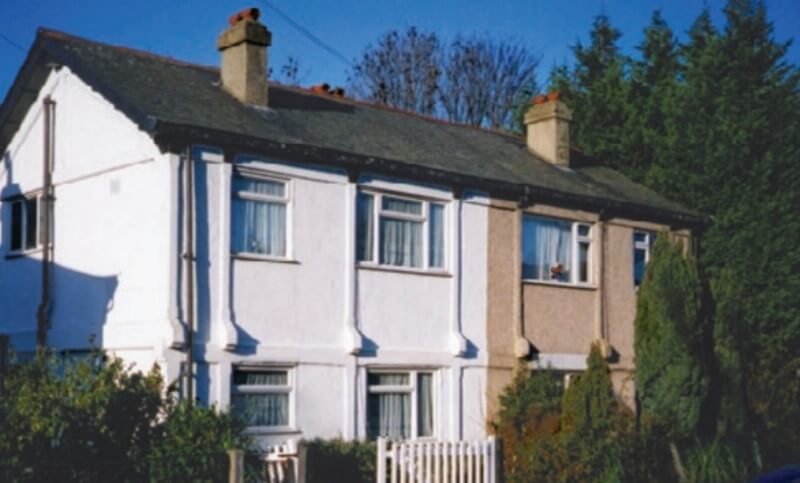
What is a concrete construction home?
Pre-fabricated, or prefab houses, are those made from non-typical construction methods, including concrete walls that were made in factories and then transported to building sites for quick and easy construction. The walls are held in place with steel rods, and the speed and low cost at which these homes could be built made them very popular for a while.
After World War II, concrete homes were particularly popular when there was a huge spike in the need for more housing. Because prefab concrete houses could be built in a hurry, they filled this demand rather than the cost and time involved in constructing traditional brick homes.
In contrast to concrete construction houses, you may have steel construction houses – these are known as BISF houses.
Why are concrete construction homes difficult to sell?
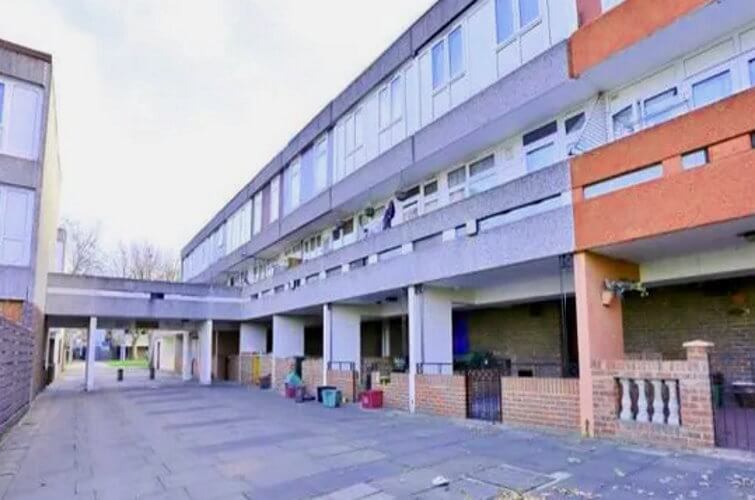
Unfortunately, several years after concrete construction homes took off in popularity, the steel rods that were used to reinforce the buildings would start to rust. This in turn made the properties less structurally sound, which can make it harder to sell them because buyers typically do not want to buy a house or flat that does not have physical integrity. Our guide to selling a Laing Easiform house is a useful read when selling a concrete house.
The concrete panels used for prefab homes can also degrade over time, which can make the house even less attractive to a potential purchaser.
The fact that there are potential risks with both the overall integrity of the home and also damage to the concrete panels can not only discourage buyers, but it can also make mortgage lenders wary of providing a loan for someone to buy a concrete construction home – which in turn makes it much harder to find a buyer for your property.
Could a buyer still get a mortgage to buy a property built using concrete?
When a private buyer approaches a home loan provider about getting a mortgage to purchase a property, the company will assess the house for a number of factors. These elements include any legal problems, questions over ownership, structural flaws and other possible problems.
One reason why the lender does this is because they are looking at whether they will be able to resell the property in the future, in the event that the buyer defaults on the mortgage. When someone takes out a home loan, they commit to repaying it through monthly instalments plus interest. If they fall too far behind on the mortgage, the lender can have the option to try repossessing the home and then selling it, using the proceeds to recoup the remaining debt.
But if a lender has concerns about reselling a home, they could reject a mortgage request. And if a buyer was relying on the loan to afford your property, it will end that chance of a sale.
Thankfully, the mere fact that your house was constructed using concrete should not mean any application for a mortgage to buy it will be automatically rejected, as Tomorrow Mortgages notes.
Nevertheless, lenders will consider your home to have non-standard construction and they will therefore likely scrutinise it much more than a standard construction property before they approve the mortgage application. If there have been structural problems at the home due to the use of concrete, this could make a lender more likely to turn down a buyer’s loan request.
What options do I have for selling a concrete construction home?
If you are finally ready to sell your concrete construction home or non-standard construction house, then you will next need to choose which strategy to use for securing a buyer. Your options are usually selling to a quick buyer, selling through an estate agent, selling at an auction or selling without any help from a third party.
There are prominent benefits and drawbacks with all four of these methods, based on vital factors like whether they require that sellers pay commission, the typical timeline and more. For example, you won’t have to pay fees if you sell on your own or you sell to a quick buyer like LDN Properties, but you will pay commission when selling at an auction or via an estate agent.
You might want to write down your main goals with selling your home, including your ideal sale price, whether you are open to paying any commission, and how speedily you want to sell. Compare all of these factors against the specific information about all four selling methods below and this should help with identifying the one that most closely suits your needs.
Selling at auction
One option is to try selling your home at a property auction. An auctioneer will list and market your home, typically suggesting you set a fairly low opening minimum bid with the goal of getting many buyers interested in the property, leading to a competitive auction and high final sale price. And selling by auction also gives you certainty on a sale date, because that’s the auction date. But there’s no promise you’ll get any more than the initial asking price, and you’ll also have to pay the auctioneer fees – so this might not be the best choice for your finances.
The auctioneer’s fees pay for the work that they do to sell your home. This starts with creating a listing that describes your home and includes photographs of the interior and exterior, advertising this in advance of the auction to generate interest from prosecutive buyers, hosting the auction itself and then overseeing the completion of a successful sale.
A typical auctioneer might charge commission at about 2.5 percent of your property’s sale price, and this fee will be subtracted immediately from the proceeds, which will add to your costs. Some auctioneers could be open to reducing their rate of commission or having the buyer pay a share of your expenses, so it can be a good idea to ask whether this might be possible.
If you are looking to sell in a hurry then you might want to consider other approaches because this can be a somewhat slow process. There will be a wait of many weeks or longer between the day on which you select this selling option and the day on which the auction occurs. And then if your home sells at the auction, the buyer will have about a month to sign all the required legal papers and complete the other tasks needed in order to finalise the sale.
Should you decide to sell this way, it’s possible that you’ll be asked to choose between either the traditional or modern method of auction, as Unbiased says. The traditional method is where the auctioneer advertises your listing for a set amount of time ahead of hosting the auction on a specific day, when people can bid on your home for a short period. By contrast, the modern method involves advertising your listing for a certain number of weeks or longer, and people can bid on the property 24 hours a day, seven days a week until the listing ends, at which point the top bid wins the auction.
Selling with an estate agent
Another way to sell your house is to list it with an estate agent who similarly will take care of the listing and generating interest in the property, including arranging viewings. Yet some houses and flats can sit on the property market for many months or the sale may fall through, and you’ll also have to deduct the estate agent’s fees from whatever final sale price you’re able to get.
The estate agent will be responsible for the tasks needed to find a buyer. This starts with putting together a listing for your home which they’ll advertise in their office, online and in local newspapers. They will then organise viewings to give anyone interested a tour of the property, and finally they’ll hear offers from buyers and try to get one to exchanging contracts.
For doing all of this work, the typical estate will charge a seller commission within a range from 1.15 percent to 1.40 percent of the property’s eventual sale price. This will increase your costs because the fee is taken out of the sale proceeds immediately. If you are looking to lower your expenses then you should assess some no-fee options such as selling to a quick buyer.
This is not a speedy way to sell a home as it can take many months or even more than an entire year before you get an offer. Note also that someone can make an offer but then change their mind and rescind it, which would cause the sale to fall apart. And there’s nothing you can do to penalise the person if you have not yet exchanged contracts. This in turn will require that you start again with looking for a buyer, extending the selling timeline much further.
One important issue to be aware of when selling via an estate agent is a trick they might use where they tell you a promisingly high estimated sale price for your home, but they secretly know it will only get offers at a much lower price. They do this so that you agree to use their services to sell your property, and then they profit from charging you commission on the sale.
To prevent falling for this, start by asking several estate agents to give you a no-obligation, free quote for your home’s possible sale price. Next, visit property sales websites such as Rightmove or Zoopla and write down the current and past sale prices of homes similar to yours. Finally, calculate the average of these various prices and this should provide you with a value that is a better rough estimate of the price at which you may be able to sell your property.
Selling without assistance
You might even consider trying to sell the house yourself. To do this you’ll need to get an idea of the price that similar concrete construction homes in your neighbourhood and elsewhere have sold for in the past. The UK government’s website has a helpful database of sold property prices in England and Wales that you can use as a general starting point for what price to ask for your home.
Beware that even if find it somewhat easy to decide on a sale price for your property, the process of selling it without any help can quickly become very time-consuming and stressful.
You’ll be responsible for all aspects of selling, meaning you will need to create a listing for your property, advertise it, schedule viewings for anyone who asks, and hear offers, with the aim of guiding a serious offer through to the final stage of exchanging contracts. Selling this way will require a lot of your time and energy, as it’s not something you can just do in your spare time.
This approach to selling is only recommended for people who either have sold a concrete construction home in the past or who have a suitably qualified friend or family member that is willing to help them out with the sale for free. And even with this type of experience, it might still be more than a full year before you are able to complete the sale of your house.
For many sellers, the only clear benefit of trying to find a buyer without any assistance is that they would not have to pay commission to an estate agent or an auctioneer for helping to their property. But you could find that this saving is easily eliminated by the money that you will have to spend on promoting your home’s listing and other steps involved with seeking a buyer.
Selling to a quick buyer
Yet another option is to find a trustworthy company that specialises in buying properties, and sell to them. These businesses typically make homeowners fast cash offers to buy, with the added bonus that the reputable firms never charge a fee for you to sell to them.
If you’re looking for a simple and no-stress way to sell your home, consider getting in touch with a quick buyer like LDN Properties. These companies make fair and speedy offers to buy almost any home, and they can typically finalise the process within a few short weeks, which includes the important last steps of exchanging contracts and paying you the sale proceeds.
This is usually the fastest way to sell a home, and it’s possible because quick buyers already have the money needed to purchase properties right away. Unlike other buyers, they don’t have to wait for weeks or months to first secure a mortgage that would pay for the transaction.
Quick buyers are also well known for making fair and fast offers to purchase properties no matter their age, condition, location, shape, size, or type, and regardless of whether the home has some type of structural flaw, legal complication or other potential negative issue.
By way of example, LDN Properties has been buying leasehold and freehold flats, houses and other types of homes throughout the UK for more than 20 years, and its long list of purchases and offers made includes houses near a mineshaft, converted flats, homes that have a defective title, properties with limited or no title guarantee, houses with a heat pump, flats with old or faulty electrical wiring, homes with an enforcement notice, derelict properties, houses with an improvement notice and more.
In addition to enjoying a swift sale, you can also avoid having to pay any commission when you sell to a true no-fee quick buyer. That compares favourably to selling with an auctioneer or an estate agent, because both of those strategies will require that you pay commission if they find a buyer for your property, and the fee will be subtracted from the eventual sale proceeds.
For your additional peace of mind when selling this way, you can ask individual quick buyers if they are members of an independent organisation called The Property Ombudsman (TPO). This entity publishes policies to guard owners against fraud in the quick buying industry, and all TPO members – such as LDN Properties – must follow these rules. Never sell your property to a quick buyer that cannot prove it is registered with TPO, because this may be a scam.
Examples of selling concrete construction houses

Common queries about selling a concrete construction home
✅ Why is it harder to sell a concrete home than other types of properties?
Because they can be more susceptible to damage over time, including the potential for the steel support rods inside the home to become rusted. The concrete panels on the exterior of the house can also be vulnerable to long-term damage.
✅ Will it be impossible to sell my concrete construction house?
No. Although it might be harder to sell this type of property compared to a traditional brick home, you still have a number of options available: selling it yourself, listing it with an estate agent, selling it at auction, or selling it to a property buying company.
✅ What’s the best option for selling my home made of concrete?
It will depend on your individual circumstances including time considerations and financial needs. For example, an auction gives you a guaranteed sale date but it might sell for a price lower than you want and you’ll still have to pay the auctioneer’s fees.
✅ What choices do I have for how to sell a concrete construction home?
You can usually decide among selling to LDN Properties or another quick home buyer, trying your luck with an auction, using the services of an estate agent or selling without any help. It’s important to review how each option works because there are significant differences among them for crucial elements such as how long they take, whether they charge fees, and more.
✅ What is the typical timeline for selling a concrete construction property?
It will vary based on which strategy you use for finding a buyer, because selling via an estate agent or without any assistance are two options that might take more than an entire year, whereas selling at an auction may take many months. By contrast, selling to a quick home buyer such as LDN Properties should only take a few short weeks from start to finish.
✅ Will I need to pay commission when selling my concrete construction home?
If you decide to sell your property using the services of an auctioneer or an estate agent and they manage to find a buyer, you will have to pay them a fee that will be deducted from your final sale proceeds. But if you instead opt to sell to an honest zero-commission quick buyer like LDN Properties, or you sell without any help, then you can avoid having to pay any fees.
✅ How do I know to trust a quick buyer when selling a concrete construction house?
You can ask specific companies if they are registered with The Property Ombudsman (TPO), which writes rules to guard sellers from fraud in the industry, and all members must adhere to these regulations, giving you peace of mind. Only sell your home to legitimate TPO members like LDN Properties and not to non-members, as they may be trying to scam you.
Sell your concrete construction home to LDN Properties
We’ve been in business for almost 20 years, and during that time have developed plenty of experience buying concrete construction homes, without charging any fees.