Selling my house built using non-standard construction methods
When you’re ready to sell your house but own a property built using non-standard construction methods, you might naturally have doubts about the sale price you will be able to achieve and whether buyers will be interested or your house sale may have fallen through. The good news is that the team at LDN Properties has years of experience making fair offers for non-standard homes, so you can sell quickly and with ease.
Check out our helpful guide below on selling your house with non-standard construction, and some answers to frequently asked questions on the process.
Non-standard construction
Generally speaking, “standard” house construction refers to properties that are built from the traditional materials of stone or bricks and mortar, and that feature a roof made from tile or slate.
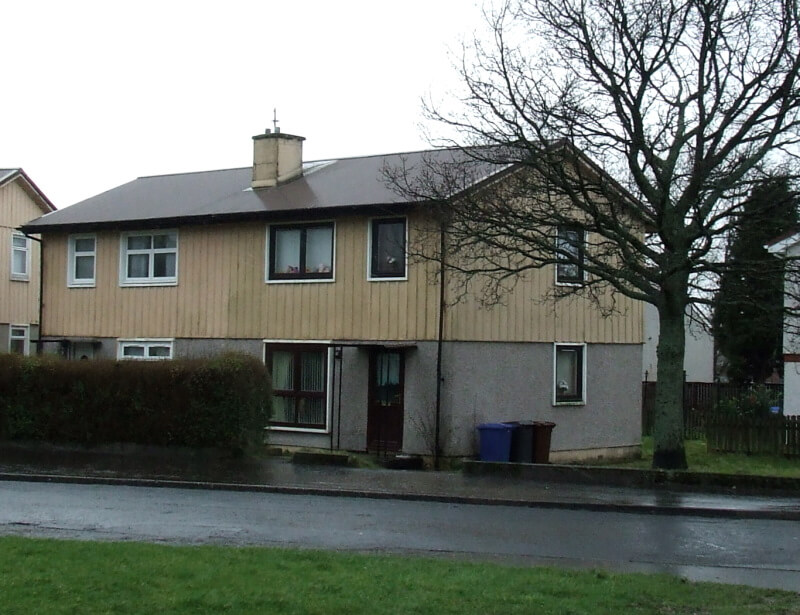
So you may be asking what is non-standard construction? “Non-standard” wall construction covers pretty much all other methods, including but not limited to: walls made from wood, steel frames, glass walls, metal walls and prefabricated concrete houses – the latter being in widescale use in England following the post-World War II building spree. Another well known example of non-standard construction is a Wimpey No-Fines property.
For roofs, “non-standard” similarly describes many types of coverings that are made from materials such as shingles, plastic, steel, thatch, asphalt and corrugated iron.
Tips when making non-standard changes to your home
If you make any modifications to your home that result in it being defined as “non-standard”, there are important tips to follow when undertaking such work that can remove a potential barrier to sale. Buyers will want to see documentation proving the warranty on such work.
For those homeowners that contract a third-party company to undertake the “non-standard” work on a house, you should ensure to keep all possible documents from the works (including structural warranties, engineers’ reports, technical reviews and more). This can provide reassurance to mortgage providers when they review a buyer’s application to fund a home purchase.
Alternatively, if you decide to perform the “non-standard” construction work on your home yourself then you should be sure to do extensive research on the property and the changes that you are looking to make beforehand. Take time to assess the various certifications and guarantees of building materials proposed so that you can provide these documents to buyers as required. It is also a good idea to query mortgage providers or insurance companies on how the work that you have planned may affect your ability to sell in the future. Going through these steps will also give you an insight into the potential impact on the valuation of your property.
Potential barriers to selling a non-standard construction property
If your house qualifies as “non-standard” that doesn’t necessarily mean there is going to be an impact on your property valuation. Indeed, you may be pleasantly surprised as to the offer LDN Properties are able to present you with, along with a relatively straightforward process. You may find it useful to read our step by step home buying guide.
You may have heard anecdotally that it’s harder to sell non standard homes such as timber frame, but that’s not the full story. It is correct that a non-standard home might not be ideal for some buyers since they may have concerns it will be difficult and expensive to correct any problems that arise with the non-standard materials used when compared with a standard home. The potential for higher insurance premiums to cover any issues could also be a dealbreaker for some people.It’s possible that some buyers could also be reluctant to buy non-standard houses as mortgage providers can be reluctant to finance such properties out of concern that any future problems with the non-standard construction might lead to large future repair bills.
If you would like to read specifically about selling a steel frame BISF house, be sure to see our specialist guide – Selling your BISF house.
At LDN Properties we help overcome these hurdles by working directly with you, the seller, to provide you with a hassle-free process and make you a committed offer for your non-standard house.

Why some buyers might want a non-standard construction home
Whilst non-standard homes – such as those built using concrete, timber or steel, as the website Contemporary Structures notes – may cause some buyers to lose interest, they could appeal to others for various reasons, so there’s no need to fear that you will never be able to sell the property.
Just because your property was built with a non-traditional material does not mean that it will automatically be seen as inferior to all prospective buyers. Indeed, there are a number of people that may specifically be seeking a home that was constructed with a certain material, and this increases that chance that they may want to make an offer on your property.
If the non-standard construction material helps to make the exterior of your home look visually appealing, then this is something that you can focus on when talking with potential buyers.
The location or size and other features of your property could also be the main reason why someone wants to make an offer on the house or flat, and this could outweigh any potential concerns that they buyer might have about owning a non-standard construction home. For example, if the property is situated in a popular area where there is high demand from buyers for homes, this might be enough for a prospective buyer to go ahead with an offer.
And even if you find that there are not many people willing to make an offer on your house or flat, you still have strategies available for selling it. One such option would be getting in touch with a quick home buying company like LDN Properties, which has lots of experience with buying non-standard construction homes throughout the UK. The entire selling timeline should only take a few short weeks, and you would also avoid having to pay any commission.
Your options for how to sell a home that has non-standard construction
As you get ready to sell your non-standard construction home, a crucial choice that all sellers must make is deciding on which of four popular methods to use for finding a buyer. The options are selling to a quick buyer like LDN Properties, selling with an estate agent, selling at a property auction or selling on your own, which means without the help of a third-party like an auctioneer or estate agent.
All four of these selections have important pros and cons that you should read about below, based on the costs involved, the time taken and other key factors. By way of example, on timing, it can take more than a year to sell your home when using an estate agent or selling without any assistance, whilst a quick buyer can purchase your property within weeks.
A useful tip can be to write down your top goals when looking for a buyer, including your goal selling price, how much – if anything – you are willing to pay in commission, and the timeline you’d prefer for selling. Then compare all of these details against the information about all four options in this guide, as this should help with identifying the best match for your needs.
Selling to a quick buyer
Selling with an estate agent
You could try selling your non-standard construction home through an estate agent, who will take care of all the main steps, starting with putting together a listing that describes your home and includes pictures of the interior and exterior. They will advertise the listing online, in local newspapers and in their office to generate interest from buyers, and they will hear offers, with the aim of eventually getting serious offer from someone through to the final exchange of contracts.
This can be a very lengthy process and you should not be surprised if it takes you over a year to secure a buyer. And be warned that someone can make a legitimate offer but then later decide against purchasing your home, which will cause the sale to collapse. They are able to do this without penalty if you have not yet exchanged contracts. And it would extend your selling schedule much further because you would have to begin again with seeking a buyer.
For putting in most of the work with selling your property, an estate agent will also charge you commission. This is often within the range of 1.15 percent to 1.40 percent of a home’s final sale price, although it can be below or above these rates. The fee is deducted immediately from the property’s sale proceeds, so it will increase your overall expenses when selling.
Bear in mind that some estate agents might never have sold a non-standard construction home, so you should ask individual companies about their experience with finding buyers for such properties. Avoid using the services of an estate agent that has no past experience of selling such homes because this implies that they will struggle to get buyers interested in yours.
Selling at a property auction
Yet another choice for selling a non-standard construction property is via an auction, where people can place bids of increasing value on your property, with the highest price at the end of the auction being named the winner, and therefore the one buying the home. But you could get no bids on you property, meaning it doesn’t sell and then you would need to restart the effort of seeking a buyer.
Alternatively, you may get just a single bid at the reserve price, which is the lowest value that you have agreed your home can sell at the auction. This bid would be considered a legally binding agreement to sell your property that the buyer could sue to enforce if you try to cancel the sale. That’s why you must pick a price that should create a profit from the sale, after paying the auctioneer their fees – if not you risk selling at a loss or only breaking even on the sale.
The typical auctioneer will charge commission at 2.5 percent of a home’s selling price, and this adds to your costs because it is subtracted from the sale proceeds right away. Some auctioneers could agree to reduce their rate of commission, or to have the winning bidder pay a share of your expenses, so it can be a good idea to ask whether these options are possible.
You will find that selling through an auction is not a speedy option, as there is plenty of waiting involved, including many weeks or months from the day that you choose to sell this way and the day that the auction occurs. If your home sells, the winning bidder then has about 28 days to complete their tasks needed to finalise the sale, such as signing the required legal documents.
Some auctioneers could be open to setting a shorter deadline for the buyer to do these tasks, so it’s worth asking about this as a way to accelerate the sale. But note that other auctioneers might give buyers even more than 28 days, which would mean an even slower sale.
It’s also a good idea to check with individual auctioneers about their past success in selling non-standard construction properties. Avoid trying to sell your home with an auctioneer that lacks such experience because they may find it difficult to know how get bidders interested in your house or flat.
Selling on your own
If you decide to sell a non-standard construction property on your own, this puts the duty on you to handle every step of the selling process. You will need to produce a listing, advertise it, organise viewings and hear offers from buyers. And then you will also need to guide a genuine offer to the final exchange of contracts.
Having to do all these tasks can be very challenging, as the website MoneySuperMarket says. It can take up a lot of your time and become quite stressful, which is why this approach to selling is usually only suggested for those owners who have sold a similar property before, or for people who have a suitably experienced friend or family members that will help with the sale at no charge.
Without this kind of expertise, it could take more than a full year to get a serious offer from a buyer. And even then, the person making the offer might soon change their mind and rescind it. This would cause the sale to fall apart, and the person will not face any penalties, so long as you have not yet exchanged contracts. You would then have to start again with trying to find another buyer, which could extend the selling timeline by many more months.
The only obvious benefit of selling on your own is that you can escape having to pay a fee to an auctioneer or an estate agent for finding a buyer, which will reduce your expenses. But you may discover that this saving is eliminated that the funds you’ll spend on advertising your property’s listing and the various other tasks you will be required to do during the selling process.
A good way to avoid fees and get an additional advantage of selling much faster is to get in contact with a no-commission quick home buyer like LDN Properties, as you won’t have to pay a fee, and you’ll sell much faster as the timeline should only be a few short weeks. ‘
Non-standard construction houses – Questions and Answers
We field many calls from homeowners looking to sell non-standard properties, and these are three questions we are frequently asked:
You should be prepared for the fact that non-standard features might turn off some buyers and therefore mean your house could be on the market for longer than a typical standard construction home. By working with LDN Properties we can make you a straightforward cash offer since we are an experienced team of home buying professionals trading since 2003.
Keep every possible document associated with the construction work, including receipts and guarantees for the materials used, as well as warranties and other signed assurances from whoever did the work if it wasn’t you. These legally binding and valuable documents can provide peace of mind not just to you for the merits of the construction, but also to potential buyers who might have questions.
The short answer is that the property market is always evolving, and so are buyers’ preferences for the types of homes that they are looking for. The longer answer is that generally speaking the demand for non-standard construction homes is not as high as that for standard construction properties. That’s because of the various insurance risks, higher mortgage rates, difficultly in obtaining mortgage financing and other considerations involved with buying a non-standard home.
To sell your home, you could try your luck with a property auction, sell using the services of an estate agent, try selling without any assistance, or sell to a quick home buying company such as LDN Properties. There are pros and cons with each of these strategies that you should review before making a decision, for example their potential costs and how long they might take.
When you choose to sell your property without any third-party help, or if you decide to sell through an estate agent, you could find that it takes more than an entire year to secure a buyer. Selling at an auction is another long process that can take several months, whilst selling to a quick buyer is often the fastest because it only takes a few weeks from start to finish.
You will be required to pay a fee if you opt for selling your home either with an estate agent or at a property auction, and this commission will be deducted from the final sale proceeds and therefore add to your total expenses. But you can prevent having to pay any fees by either selling without any assistance, or selling to a zero-fee quick buyer such as LDN Properties.
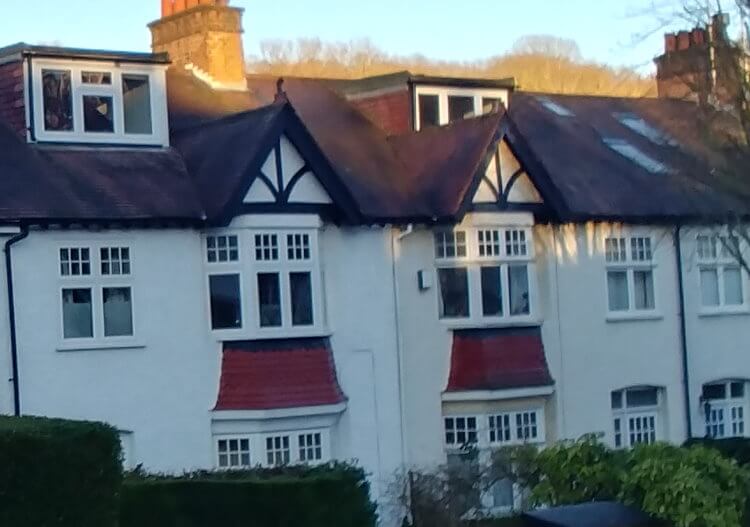
LDN Properties can buy your non-standard house
Rest assured, at LDN Properties we have dealt with purchasing non-standard homes for many years and have a straightforward, hassle-free process for making you an offer. Contact our team today at 020 7183 3022 and we’ll look to make you a no-cost, no-obligation estimate for purchasing your home – or use the “Request Offer” button below.