Quick navigation
A house that has a sewage treatment plant is one that has a system for handling waste from the property unconnected to the local main drainage network used by most properties. You might find that there are some complications with trying to sell your home because of the sewage treatment plant but getting a buyer to make a quick and competitive offer is still possible.
- What does it mean to have a house with a sewage treatment plant?
- Information sellers must disclose about a property with a sewage treatment plant
- Reasons why a buyer may want a home that has a sewage treatment plant
- Factors that can make selling a house with a sewage treatment plant harder
- Your options to find a buyer for a home that has a sewage treatment plant
- Top queries about selling a property with a sewage treatment plant
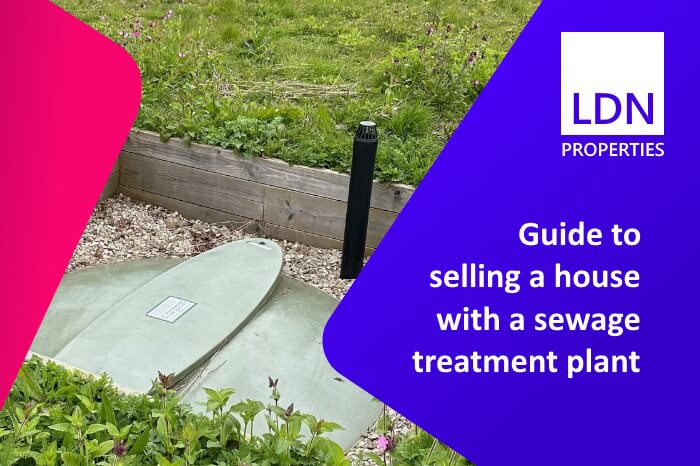
What does it mean to have a house with a sewage treatment plant?
It’s estimated that about 5 percent of properties throughout the UK have a sewage treatment plant, according to EasyMerchant. They are often found at properties located in rural or remote locations where it might be too expensive or complicated to connect to public drainage systems.
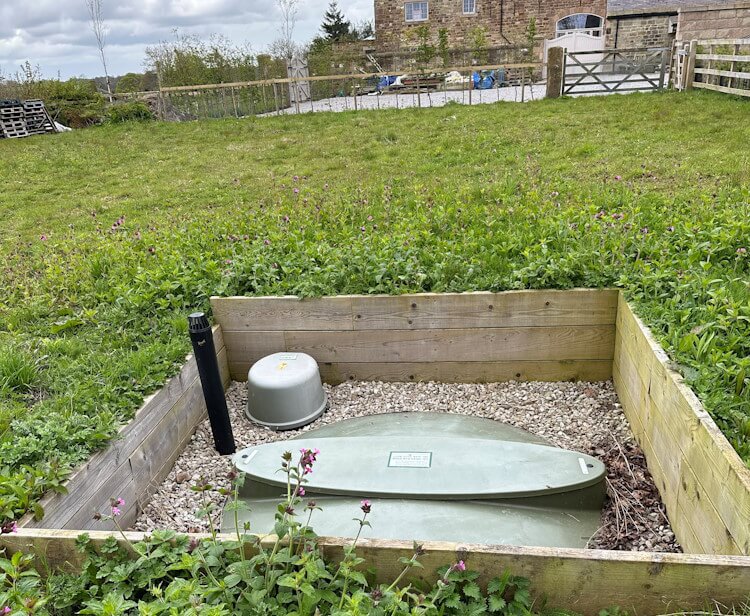
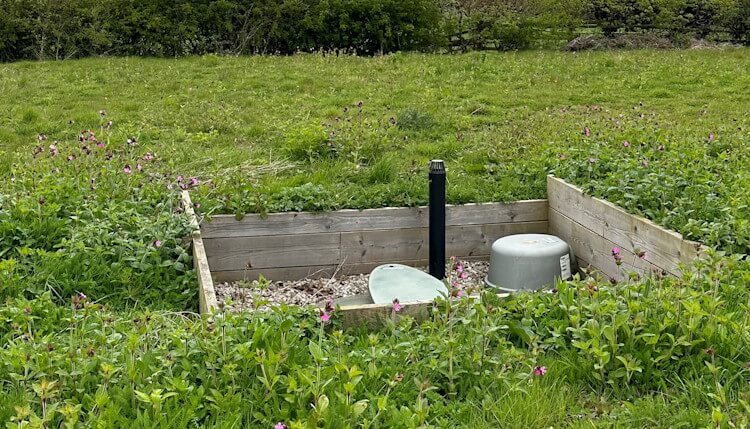
As the name implies, these plants work by treating sewage – which means cleaning it before it is discharged in order to prevent the waste causing pollution in the location where it is released.
The treatment plant first uses sedimentation that forces waste in the water to float up to the surface, and then it is separated by clarification from the solid waste, also known as sludge. The sludge is kept at the plant until it can be removed for being disposed, whilst the liquid waste goes through aeration to effectively disinfect it. This makes the wastewater no longer harmful to people or the environment, so it is discharged into nearby waterbodies like streams or rivers.
Sewage treatment plants are one way of collecting waste at homes that are not connected to the local drainage network. A similar situation occurs with properties that have septic tanks, which can be either above or below the ground, although these tend to be smaller compared to sewage treatment plants.
But septic tanks are often seen as more expensive and needing extra upkeep than sewage treatment plants, because UK government rules say that septic tanks cannot release their waste into rivers, streams or other waterbodies because of health and environmental concerns.
Although this can make a property with a sewage treatment plant more attractive to buyers, there are also some potential problems you may face when trying to sell the house. This guide walks you through those issues and offers tips on how to still get a fair and fast offer.
Information sellers must disclose about a property with a sewage treatment plant
Whilst it is completely legal to try and sell a home that has a sewage treatment plant, you must disclose the presence of this system to potential buyers – and even if you want to conceal it for some reason, the buyer will find out about the system during the conveyancing process, which happens as part of the selling process when their legal representative collects a wide range of information about the property. So, there’s no point in not being upfront about the system.
But what else do you need to inform buyers about when it comes to your system?
There are certain rules that apply to sewage treatment plants at residential properties, and these were updated by the government in 2015. It’s important that you comply with these regulations, and also that you provide certain details about the system to potential buyers.
The 2015 guidance updating the rules includes a requirement to tell a new owner about the sewage treatment system when you’re attempting to sell your property, as explained by Freeflush Water Management. Other rules include that the system comply with the latest relevant standards, that it discharges through a drainage field, and additional mandates.
Make sure that you also tell a potential buyer about any problems with the sewage treatment plant and potential future repair work that may be needed, as they should know this.
Be sure to read over the government’s specific instructions for what to tell prospective buyers about your property’s sewage treatment plant. If you are unsure about anything, you could always ask your solicitor or other legal professional to assist you with understanding this.

Reasons why a buyer may want a home with a sewage treatment plant
As you prepare to sell your property, it can be helpful to learn about the various pros and cons that potential buyers might associated with the home because of the presence of a sewage treatment plant.
Environmentally friendly: Sewage treatment plants are seen by some property owners as preferable to septic banks because they are able to treat waste from households and remove harmful contaminants, making the liquid waste safe to discharge into waterbodies like streams or rivers without any risk of harm to people, the environment or wildlife. For environmentally conscious buyers, this could be a factor that makes them view your home more favourably.
Low expense: Buyers who are looking for a remote or rural home will likely see several properties that have either a sewage treatment plant or a septic tank, and they might look more favourably at your property because the overall cost of keeping the sewage treatment plant operating will likely be less over a lifetime compared to a house that has a septic tank. This cost saving could be enough to help make your property stand out to certain buyers.
Factors that can make selling a house that has a sewage treatment plant harder
Although there are a number of explanations for why someone could want to own a property that has a sewage treatment plant, there are also reasons why the presence of this system at your house could make it more difficult to get other buyers interested in making an offer.
Repair costs: It’s important that you check your sewage treatment plant system is working correctly before attempting to sell your home, as The Tank Sampling Company notes. If your system is broken then this could prompt a buyer to lose interest in your home because they might not want the stress and cost of fixing it as the next owner.
Upkeep burden: With a conventional home connected to a public drainage network, the owner does not have to worry about how the waste from their property is collected. With properties that have a sewage treatment plant, the owner will have to not only work to keep the system in good operation but also arrange for regular collection of the solid waste. This type of maintenance and upkeep might be seen as too much of a burden for some prospective buyers.
Do not panic that you will never sell your home because of the above reasons – there are still ways that you can attract a fast and fair offer for the property. One such solution is getting in touch with a quick home buyer like LDN Properties, because these companies are experts at purchasing practically any type of home – including those with sewage treatment plants. And they can often complete the purchase of a house or flat within a few short weeks, with the added benefit of not charging any commission.
The next section of this guide provides further information about how to sell your property to a quick buyer, along with details on three other ways that you may be able to find a buyer.
Your options to find a buyer for a home that has a sewage treatment plant
Deciding on how to sell your property with a sewage treatment plant is another vital choice you will have to make, and typically this can be done by using the services of an estate agent, trying your luck with an auction, selling to a quick buyer like LDN Properties or selling on your own.
When making your decision, think about your most pressing needs with selling, like how fast you want to sell, whether you are open to paying any commission, and your ideal property sale price. Then compare these details against the specific facts about each of the four selling approaches below and this should make it easier to identify the one that is your best option.
Just note that some of the selling strategies have prominent drawbacks, such as potentially having to wait more than an entire year when you sell without any assistance. Other selling choices have clear benefits, like avoiding fees when selling to a
Selling with an estate agent
Estate agents take care of many tasks needed to sell your home, starting by creating a listing that includes photographs of the interior and exterior and a description of the property. They’ll advertise this in their office, in local newspapers and online, and then schedule viewings to give people tours of your house, finally hearing offers and hopefully taking one through to a sale.
But this can take quite a long time and it’s not unheard of for some properties to take more than an entire year to find a buyer when selling through an estate agent. So, if you’re hoping to sell your property as quickly as you can, you may want to consider some other options.
Also, someone can make an offer to purchase your property but then change their mind and cancel it. This would prompt the sale to collapse, forcing you to start over with trying to find a buyer, which can add much more time to the selling schedule. And there is nothing you can do to penalise the person that withdrew the offer, if contracts have not yet been exchanged.
This is not a great choice for those sellers who want to keep their costs low because estate agents will charge you commission if they succeed in selling your property, as Money Helper says. This fee is often within the range of 1.15 percent to 1.40 percent of a house or flat’s final sale price, and it will be subtracted from the final sale proceeds.
Beware that some estate agents may never have sold a home with a sewage treatment plant before and this implies that they might not know how to generate interest from buyers in your property. Be sure to ask individual estate agents whether they have succeeded with selling this type of home in the past, and don’t use the services of someone without this experience.
Also ask many estate agents for free no-obligation quotes for your home’s possible sale price, and look up current and past sale prices of homes like yours on property sales websites, then calculate the average of all these values to get a more accurate estimate of the price at which you might be able to sell your property. This will help avoid a situation where an estate agent may quote a high price for your home even though they know it will only sell at a much lower value, which they do to persuade you to use their services so they can charge commission.
Selling at a property auction
Auctions are an uncertain way to sell your home because you might not get a single bid on your home, which means that it does not sell. Then you would need to begin again with trying to locate a buyer, possibly adding many more weeks or months to your selling timeline.
Or you could get just one bid at the reserve price, which is the lowest price at which you can accept selling your property. This bid is a binding legal agreement by you to sell your home, and the buyer can sue you to enforce it if you try to abandon the sale after the auction. That’s why you must pick a reserve price that will produce a profit, even after paying the auctioneer’s fees.
And those fees are usually charged at about 2.5 percent of a property’s auction sale price. This commission is taken out of the sale proceeds right away, which will increase your costs. You might be able to persuade some auctioneers to reduce their fees or to have the winning bidder pay a share of your expenses, so it’s worth asking about whether this might be possible.
If one of your main aims with selling is doing so as fast as possible, you could want to consider other options. That’s because auctions involve a lot of waiting, with many weeks or months between the day you decide to sell this way and the day on which the auction takes place. Then even if your house does sell at the auction, the buyer will typically have about a month to complete all their tasks to finalise the purchase, such as signing the required legal papers.
Some auctioneers could be open to reducing the amount of time that the buyer has to do these tasks, which can help speed up the sale, so you can inquire about that possibility. Just note that other auctioneers may give the buyer even more time than a month to finish their tasks.
You should also ask specific auctioneers to show you proof that they have managed to sell properties that have a sewage treatment plant in the past. Any auctioneer that has never been able to sell such a home could not know how to get bidders interested in your property, which would increase the risk that nobody places a bid on your home during the auction.
Selling to a quick buyer
Quick buyers have the resources available to immediately purchase your home, without having to wait for many weeks or months to initially get approved for a mortgage to fund the transaction. This cuts the typical timeline when selling with a quick buyer down to just a few weeks, and that includes the time taken for exchanging contracts and paying you the proceeds.
Another important benefit of selling to a quick buyer is that the honest companies, like LDN Properties, will never charge you any commission when they purchase your property. This can be a great way to keep your selling costs low when seeking a buyer for your home.
And even if you would struggle to get buyers interested via other selling methods because of the presence of a sewage treatment plant at your property, this will not deter a quick buyer. That’s because they are open to making competitive and fast offers to buy almost any freehold or leasehold home no matter its age, condition, location, shape, size or type.
Launched in 2003, LDN Properties has bought and made offers for many homes, some of which have sewage treatment plants in the UK, along with flats suffering from storm damage, derelict houses, properties with Japanese knotweed in the garden, nursing homes, half-finished flats, Airey houses, properties located close to an industrial estate, smoker’s homes, blocks of flats, Laing Easiform houses, rental properties, homes that currently have squatters, flats that have a leak, park houses and many other examples.
Therefore, selling to a quick buyer can overall be a great way to enjoy a streamlined, no-hassle and commission-free option, particularly compared to the drawbacks of some of the other methods where you may have to pay expensive fees, wait a long time to sell, or both.
Selling on your own
Perhaps the most stressful way to sell your house that has a sewage treatment plant is to do so on your own, which means that you will need to do all of the work to find a buyer.
This begins with putting together a listing for your home, then organising viewings and fielding offers from buyers. It’s a huge amount of work and not suggested for anyone that does not have experience with selling your type of property in the past, or that does not have a suitability skilled friend or family member that is willing to help them with the sale at no charge.
Avoiding having to pay any commission to an auctioneer or an estate agent is perhaps the only obvious advantage of selling without any assistance, as this helps prevent a major expense. But you could find that the money you save from selling without any third-party help is wiped out by the funds you will have to spend on advertising your listing and various other steps.
And it can take a very long time to sell your home when you do so on your own, possibly more than an entire year. If you need to sell on a much speedier schedule, then you should review your other options, such as selling to a quick home buyer like LDN Properties.
With a quick buyer you would be able to complete the sale of your property within a handful of weeks, and that includes the time needed for the exchange of contracts and paying you the full sale proceeds. There is also the added benefit of not having to pay any commission when you sell to a legitimate no-fee quick buyer, which helps further with reducing your expenses.
Top queries about selling a property with a sewage treatment plant
Below you can find our answers to the frequent questions we get about selling homes with a sewage treatment plant – just one of the many purchases LDN Properties can make.
Your top questions when selling house with a sewage treatment plant
When you flush a toilet or send anything down a drain at your home, it’s sent to the treatment plant where it goes through a process involving steps known as sedimentation, clarification, and aeration. This helps to sort the waste into solid waste that can be collected by professionals and liquid waste that is treated to make it safe for discharging into a nearby waterbody.
The UK government updated its requirements in 2015 for what owners of properties that have sewage treatment plants must disclose to potential buyers. Most important is disclosing the existence of the system to anyone that may be interested in making an offer on your home, but you should also provide details on whether or not the plant currently has any problems.
If a buyer is looking a home in a remote area and will have to accept owning one that is not connected to a public drainage network, they could look more favourably on a home with a sewage treatment plant compared to a septic tank. That’s because sewage treatment plants are sometimes seen as cheaper to operate and requiring less maintenance than septic tanks.
Some buyers could decide against making an offer to buy your property because they are concerned about the time and effort they will have to exert in keeping the system in decent overall condition, and arranging for pickup of the solid waste. And if your plant has any problems currently, buyers might lose interest due to the costs involved with fixing those issues.
Those sellers that choose to use the services of an estate agent will have to pay commission if they get a buyer, and this is between 1.15 percent and 1.40 percent of the property’s sale price, and this increases to 2.5 percent with an auctioneer. But you will not pay any commission if you sell without any assistance or sell to a zero-fee quick home buyer such as LDN Properties.
The speediest choice will usually be contacting a quick home buyer like LDN Properties because it should only be a handful of weeks before you are able to exchange contracts and receive the sale proceeds. If you opt for selling your property at an auction, with an estate agent or on your own then the timeline will likely be at least several months if not more.