Selling a house with damp problems
Damp can occur in three distinct ways at freehold or leasehold houses, flats and other properties, and left untreated it can lead to potentially significant structural problems and additional issues. This guide explains the difficulties in selling a home with damp, but also provides some tips on how you may still be able to get a buyer to make a fair and quick offer.
- What does it mean to have damp at your property?
- Tips for identifying whether you have damp at your home
- Problems selling a house or flat with damp
- Your obligation to tell buyers about damp at your property
- Should you fix damp before trying to sell your home?
- Four ways to sell a house or flat that has damp
- Top queries about selling a property with damp

What does it mean to have damp at your property?
Whether you’re the owner of a leasehold or freehold house, flat or other type of property, you might face challenges with selling the home if it currently has a damp problem.
Damp generally refers to water that appears within a property and can appear in three distinct ways, often as the result of poor ventilation, as described on the website for GB Home Surveys. Left untreated, any one of the types of damp that can affect a home might eventually damage its structural integrity.
This guide will walk you through the potential issues that you might experience with trying to sell your property as a result of the damp problem, including why some buyers may be reluctant to make an offer on your home, and whether you should fix the damp before trying to sell.
Some potential buyers could view your house or flat as a problem property because of the damp, whether it’s a freehold house where you own the building and the land on which it was constructed completely, or whether it’s a leasehold flat that you own for a set number of years in exchange for paying the freeholder a ground rent as determined in your lease agreement.
Whichever type of property you have, below you’ll also get advice on how to improve your prospects for getting a buyer to make a competitive and fast offer on your home.
Tips for identifying whether you have damp at your home
Understanding which type of damp you might have at your leasehold or freehold property is important so that you can determine important next steps – as outlined later in this guide – like whether you should attempt to remediate the problem before attempting to sell the home.
There are three varieties of damp that can affect a property, and there are certain visible signs of the problem that can help you determine which damp you have, as Which? notes.
Condensation is the first type of damp, and this occurs when the air is colder outside of your flat or house than it is indoors, which leads to the air condensing into droplets that can form on the walls or windows of the property. This in turn increases the moisture inside a home, which can eventually leave to marks or unhealthy mould appearing on walls in the property.
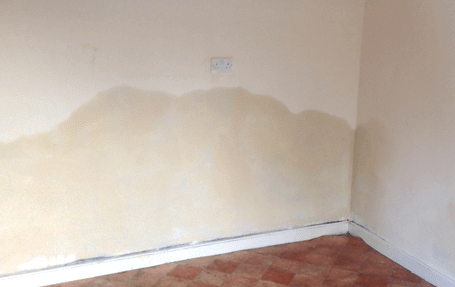
The second type of damp is penetrating damp, which refers to water from plumping or structural problems that can damage your home by leaking, or penetrating, through the roof or walls, typically spreading horizontally rather than vertically. Signs of penetrating damp include bubbles forming in your walls’ plaster or brown staining appearing on ceilings or walls.
And the third type of damp you might have at your property is rising damp, which happens when water transfers up, or rises, into the home from the ground below. This type of damp is often found in houses that were constructed prior to 1875, before a requirement took effect for properties to be built using a membrane that protects against rising damp occurring. Signs of rising damp include a bad odour or paint blistering or staining anywhere inside the home.
There are different types of damp, although the one most people are probably familiar is rising damp. This occurs when water is absorbed into the walls of a house, starting at the ground and then rising into the frame of the property and can warp floors or erode wall coverings.
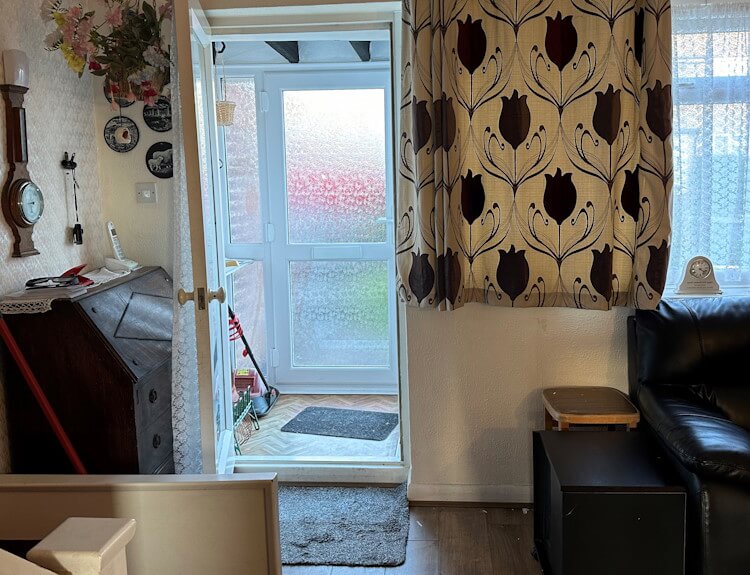
Condensation is another way that damp can affect a house, which happens when cold walls or furniture meets moist and warm air, resulting in visible damage to those walls or furniture. This can manifest itself in the longer term as unsightly spots of mould.
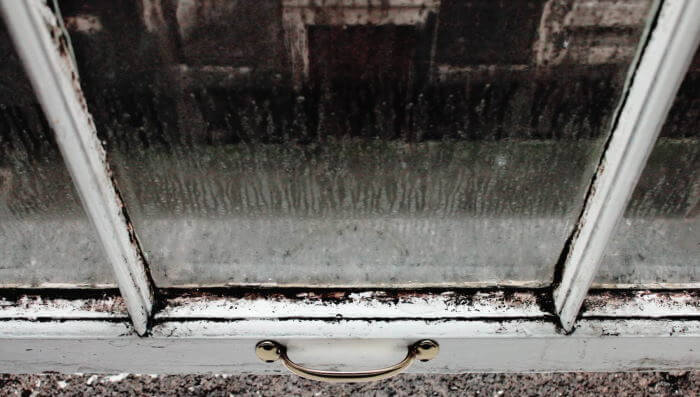
A third type of damp is penetration from falling rain that seeps into a house, for example through cracks in surfaces or poorly fitted window frames. Among the most common types of rain penetration damage is when a home has a leaking roof when it’s raining. Cracks in the surface of the property can also be caused by subsidence and it would be important to obtain professional advice particularly if you are selling your house.
How is damp treated?
Thankfully it is possible to treat damp within a house using various measures. The cost and time involved will vary depending on the scope of the damp problem, but there are ways to treat even very large rising damp issues or other moisture damage within a home.
Problems selling a house or flat with damp
Having damp at your problem can create extra hurdles to trying to attract a buyer for your leasehold or freehold home, because someone interested in the property might worry that the damp signals larger structural integrity problems affecting your flat or house.
Even if you decide to invest in repair work to address the existing damp problem and prevent against it occurring in the future, which might not be enough to satisfy some buyers’ concerns. It’s highly likely that this category of buyer will see the presence of damp as a dealbreaker.
Another reason why a potential buyer might be reluctant to make an offer on your home is if you’re deciding to sell it as is without repairing the damp problem. These buyers will worry about the amount of money it could cost them to fix the issue once they own the property, and they will walk away from making an offer if it exceeds their budget for buying a home.
But even though some buyers might have significant concerns about making an offer on a home with damp, don’t worry that the presence of damp will make your home unsellable. You still have options for getting a fair and speedy offer, such as selling to a quick home buying company like LDN Properties, and later in this guide you’ll see more information on how to go about selling your property that way.
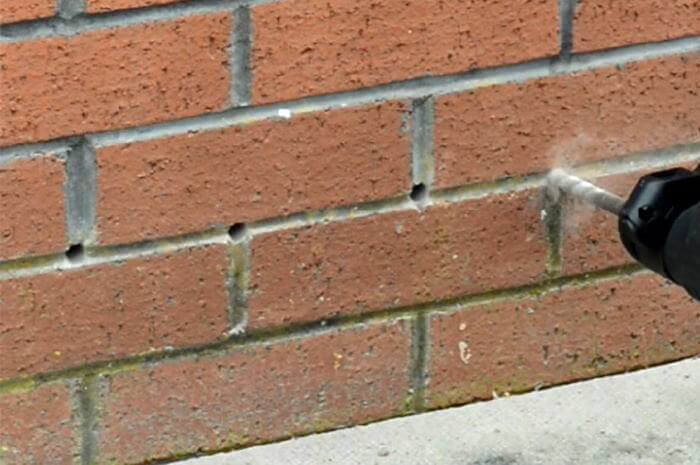
Once you have hired an expert, they will survey the damage and then tell you your options, which are going to be different depending on the type of damp, where it’s located, and how widespread it is. But the typical damp proofing treatment relies on either installing new protective barriers to prevent damp, or injecting chemicals to help fend off moisture.
Expect a typical damp proofing repair job to take between one and several days, although it might require two or three weeks before the treatment dries completely.
You should ensure to keep all documentation regarding the damp repair work, including receipts and guarantees for the work, so that you can show the paperwork to potential buyers. Having these legally binding notes could help convince a buyer that the problem has been solved and that it should not be an insurmountable hurdle to buying your home.
Your obligation to tell buyers about damp at your property
Damp is usually the result of a structural problem with a property, as an article on the House of Commons Library’s website notes. That typically makes it the responsibility of the owner of that house or flat to pursue the necessary fixes to address the damp issue.
But some homeowners might be confused about whether they also have a duty to tell potential buyers about any problems with damp that are currently affecting the property.
Once a buyer makes a serious offer on your property, you’ll have to go through the conveyancing process, which includes collecting extensive details on the home for the buyer. This includes a Property Information Form, also known as a TA6 form, which will ask many questions about the home and its history, including boundary disputes, planning permission and structural issues.
It’s on this form that you will need to identify and describe the extent of the damp problem at your property, and it’s important that you answer honestly because it’s required by law.
Failing to tell a prospective buyer about damp that you are aware of could result in you facing a legal challenge from them if they ultimately decide to buy your home and then discover the damp, so it’s not worth the stress and financial risk of concealing damp on your TA6 form.
Should you fix damp before trying to sell your home?
Depending on the scale of the damp problem at your freehold or leasehold property, you could consider whether to spend effort, money and time on fixing the issue before selling.
There are different treatment options available depending on the type of damp that you have and the scale of the damage, as the HomeOwners Alliance’s website notes. It’s possible that the repair work might take a short amount of time for a reasonable cost, but alternatively a major damp problem could require several months to fix at a high price.
One advantage of paying for damp repair work ahead of selling is that it would eliminate a potential scenario where a buyer says they are willing to purchase your house or flat, but they want to greatly reduce their offer price, accounting for what it will cost them to fix the issue. Accepting a significantly lower price could make it harder for you to make a profitable sale, but making sure that the damp has been treated before selling can avoid this outcome.
But many homeowners may not have the time, money or interest for pursuing what could be potentially very expensive and lengthy remediation work to correct the damp before selling.
If that’s the situation for your property, do not be concerned that it will never sell. You have some options, such as contacting a quick property buying company like LDN Properties. These businesses are known for making fast and competitive offers to buy any type of leasehold or freehold home, even those with problems like damp, and on a very speedy schedule.
Four ways to sell a house or flat that has damp
One of the key decisions that you will need to make when selling your freehold or leasehold house with damp is which method to use for trying to find a buyer. You can choose from selling at an auction, selling to a quick buyer, selling with an estate agency or selling on your own.
To find out the best option for your unique situation, note down your main priorities with the sale of your home, including your ideal selling price, whether you can pay any fees, and how long you can wait before selling. Then compare this against the pros and cons of the various methods listed below and this should help you in finding the one that’s your best match.
Selling at an auction
The first way to sell your home is through an auction, where you will choose the lowest price at which you’re comfortable to sell, known as the reserve price, and then people will have the chance to place bids of ever-increasing price value on your home. The highest value bid at the time the auction is brought to an end will be the deemed the winner and buyer.
Note that if you receive zero bids then your property goes unsold and this can extend the timeline for selling by many months, because you’ll have to start over with finding a buyer.
But if your home does sell then this is a binding legal transaction that the buyer could sue you to enforce, if you try to walk away for it. For that reason you need to check that the reserve price should still generate a profit from the sale even after paying the auctioneer their commission. And this is usually charged at 2.5 percent of the property’s auction sale price, and this fee will increase your overall expenses because it will be taken out of the sale proceeds.
Auctioneers charge this fee to cover their work in selling your home, which includes preparing and advertising a listing that includes photographs of the property’s interior and exterior as well as a description of its main features, and hosting the auction and overseeing a successful sale.
You could possibly negotiate a lower rate of commission with the auctioneer or have the winning bidder pay some of your costs, so ask individual auction houses about this possibility. But note that some auctioneers could charge you commission at a rate even higher than 2.5 percent.
This is not the fastest method for selling a home because there are several long waiting periods involved, including a wait of many weeks or even months between when you enter your house or flat for sale and when the auction takes place. After a successful sale, the buyer will usually have about 28 days to complete their paperwork and other tasks to finalise the purchase.
It’s feasible that some auctioneers might be willing to impose a shorter deadline for the buyer if you ask them, but be aware that others may give the winning bidder even more than 28 days.
Finally, some auction houses could have had zero experience with selling a property that has damp, and this suggests they may struggle to sell your home. Check with individual auctioneers about their past success with selling these properties, and avoid those with no experience.
Selling to a quick buyer
Quick home buyers are companies like LDN Properties, launched more than 15 years ago, that make fast and competitive offers to buy almost any age, condition, location, shape, size or type of freehold or leasehold house, flat or other residential or commercial properties.
These businesses have the funds available upfront to make immediate purchases of properties, so there’s no waiting for weeks or months until they get approved for a mortgage in order to cover the transaction. That cuts the typical timeline when selling this way to a handful of weeks, and this includes the exchange of contracts and paying the owner their sale proceeds. This makes quick buyers often by far the most rapid way to sell almost any property.
For those homeowners trying to sell a property with damp as is, quick buyers can be a good choice because they’ll still make a fair and speedy offer despite that problem existing. LDN Properties, for example, has bought and made offers for many homes with damp across the UK, as well as flats with a section 20 notice, nursing homes, beach huts, properties located near the coast, Laing Easiform houses, penthouse flats, half-finished homes, houses with a flying freehold, and many other situations.
Another important benefit of selling through a quick buyer is that the legitimate companies will never make homeowners pay any commission when purchasing their properties. This can help to lower your overall selling expenses because it ensures you’ll receive the full sale proceeds, which can be preferable to the fees that you would have to pay an auctioneer or estate agent. The commission that you’ll be charged via those two selling methods will increase the costs associated with selling your home because it will be taken out of the eventual sale proceeds.
Selling with an estate agent
You can reduce your workload when selling a home if you use an estate agent, because they will take care of creating a listing, advertising this online, in their office and in local newspapers, organising viewings for buyers to tour your home, and overseeing any serious offers.
But this can be a slow process and you should be prepared for it to take many months or even more than an entire year before you’re able to sell your property this way. For those owners who would like a fast sale, you should review other options, such as using a quick buyer.
When you sell your home using an estate agent, you will also have to pay them commission to cover their work in finding a buyer the property. This is often charged within a range from 1.15 percent to 1.40 percent of your home’s final sale price, and taken out of the final sale proceeds.
Another drawback of selling with an estate agent is that a buyer could make an offer but then withdraw it and make the sale fall apart, and not face any penalties, any time up until contracts are exchanged. You’d have to begin again with finding a buyer if such an outcome happened, and this could add many more months to your overall timeline for selling.
Note that some estate agents may have never sold a house or flat with damp before, which implies that they could find it hard to generate interest from buyers in your property. Ask estate agents about their experience with selling such homes, and don’t use those that have none.
Selling on your own
The final option for selling your leasehold or freehold property with damp is doing so without any assistance from an auctioneer or estate agent. This means you will need to do all of the tasks for attracting interest from buyers, including producing and advertising a listing, scheduling viewings and hearing offers from buyers, hopefully taking one to exchange of contracts.
Perhaps the only obvious advantage of selling this way is that you will not be required to pay anyone commission for helping you find a buyer, which may lower your costs. But this saving could be wiped out by the money that you will need to spend on advertising your home.
And you may find that selling this way takes more than a year and is very stressful, because it is not a task you can just do in your spare time. You should only pursue this method of selling if you have previously sold a house or flat with damp, or you have a suitably experienced friend or family member who might be willing to try and help for free with selling your property.
If you are determined to avoid paying fees when selling your home, you could instead think about the possibility of contacting a no-fee quick buyer like LDN Properties. These companies will commit to not making you pay any commission when purchasing your property with damp, but they can also do it on a much swifter timeline compared to selling on your own.
Generally, quick buyers can exchange contracts and pay the homeowner the full proceeds all within a few short weeks. That means you could not only achieve your aim of avoiding having to pay any commission but also get the extra perk of securing a sale on a much faster timeline.

Selling your house with damp problems: quick questions
The team at LDN Properties is very knowledgeable about buying homes with damp, and these are some of the most common questions that property owners ask us:
Damp is a structural problem that can affect many different types of freehold or leasehold properties, and it’s often caused by leaks or bad ventilation. There are three distinct types of damp and they can all lead to damage at a house or flat that ranges from stains and odours through to more serious issues that could lead to greater structural issues.
The first type of damp is condensation, where droplets of water form on your windows or walls and can leave marks or even mould. The second type is penetrating damp, and this happens when water seeps through the home’s walls. And the third type is rising damp, where transfers upwards from the ground, and this type of damp mostly affects homes built before 1875.
Yes, there are no legal restrictions on attempting to find a buyer for your leasehold or freehold house or flat just because it has damp. However, you will be required by law to disclose the presence of damp during the conveyancing process, and you should be aware that some prospective buyers will view damp as enough to make them lose interest in your home.
If you’ve got damp at your property that you’re trying to sell, you might find that some buyers have concerns that the issue could lead to future structural damage at the home once they take over the ownership. Another drawback for buyers could be if you’re selling the property without fixing the damp, and they worry it will cost them a lot of money to fix the problem.
This will depend on whether you are willing to spend money, time and effort on fixing the damp problem at your property. Doing so before selling will prevent a scenario where the buyer lowers their offer price by the amount of money they expect they’ll have to spend on fixing the issue. But fixing damp before selling is not required and there are still ways to get a fair and fast offer.
If you decide to sell your property to a genuine no-fee quick home buyer, or you sell without the help of an auctioneer or estate agent, then you will not have to pay any commission. But if you opt for using the services of either an estate agent or auctioneer, then they will charge you commission that will be deducted immediately from the eventual property sale proceeds.
When you’re trying to sell a home as is with damp then your swiftest option is likely contacting a quick home buyer such as LDN Properties, because they can buy almost any type of house or flat within just a few short weeks, even those considered to be problem properties. Using an estate agent or auctioneer, or selling on your own, can all take at least many months.
Remember, LDN Properties offers homeowners a straightforward process for making purchase offers on your house, regardless of the scope of your damp problem.
Useful resources to consider
- House sale fallen through advice
- Considering selling your property at auction
- Selling your house fast in London
- How to sell a dilapidated house in need of repair
- What are the pros and cons of selling my house at auction
At LDN Properties we’re experienced in making cash offers for houses with damp
If you’re interested in learning more about our hassle-free process for making a quick cash offer on your house with damp, get in touch with LDN Properties today.