Quick navigation
No matter where your house or flat is located in the UK, it could be at risk of significant damage during a storm – generally described as a bad weather event with severe wind often coupled with increased amounts of hail, rain or snow. The guide below offers top tips for how to go about selling a storm damaged property, including how to sell it without repairing the damage.
- Defining storms and the damage they can do to houses
- Insurance companies can cover storm damage – but not always
- Having a storm damaged house can make it harder to sell at a profit
- Deciding whether to invest in repairing a storm damage home before selling
- Steps you can take to protect a home against future storm damage
- Options for selling your house with storm damage
- Top queries and answers about selling a storm damaged house
Defining storms and the damage they can do to houses
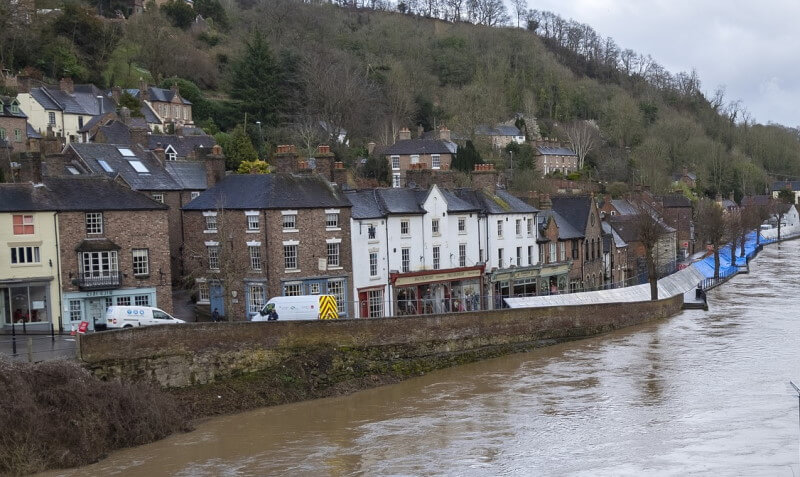
Storms can damage houses or flats in several ways, including from flooding due to excess rainfall and structural harm ranging from broken windows through to destroyed roof tiles because of high winds.
Other potential harm to your property can be the result of trees that fall down due to the storm and hit your property. Storms also have the potential to throw some types of debris – everything from road signs to fences and more – into the air, putting them a collision course with your house that can smash glass, chip bricks, crack paint, and cause other different types of harm.
The damage could be relatively mild and require only a small amount of time and work to fix, or it might be greater and potentially severe, causing major destruction. In some circumstances, homeowners might not have the funds to repair such damage before selling their properties, and they’ll have to try and find a buyer whilst leaving their house in its current condition. That can sometimes make it harder to sell a property, but it does not make it impossible.
Confused.com, a site that tries to help consumers make sense of insurance and other products, notes in an article on its website that storms are typically "violent winds, usually accompanied by rain, hail or snow, " although specific insurance companies might have more-detailed definitions for what qualifies as a storm for the purposes of damage to a property.
For example, depending on the type of home insurance that you might have, it could state that a weather event is only a storm if the speed of the wind exceeds 50 miles per hour. That’s why just having home insurance is no promise that you’ll actually get reimbursed for the costs of repairing damage that happened to your property during an event that you consider a storm.
Another way to measure a storm is by using what’s known as the Beaufort Scale, which assesses wind speeds from zero through to 12. Depending on your insurance company, they might state that storms can only happen above a certain level on the Beaufort Scale.
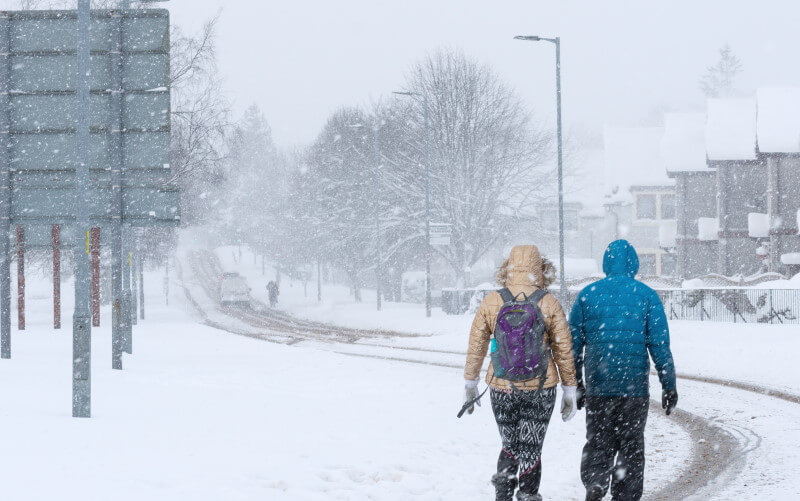
Snow is rarely the leading indicator of a storm because accumulating snow often doesn’t cause widespread damage to a property. The notable exception is if a large amount of snow piles up on the roof of a building and ultimately causes it to collapse. In this instance, insurance might pay out for the repair costs if it can be proven that the snowfall meets the definition of a snowstorm. If not, you will likely not be able to rely on insurance to cover those expenses.
Insurance companies can cover storm damage – but not always
Most insurance companies would generally prefer to not pay out, particularly in high-cost situations such as having to reinstall a roof or fix major flooding or other damage to a property due to a storm. That’s why they might try to dispute a claim by saying the weather event that led to the damage does not qualify as a storm that is covered by your insurance policy with them. They could also attempt to claim that the condition of your home was to blame, not the storm.
And if you can’t get your insurance company to cover those costs, it might make it all but impossible to fix the damage before trying to find a buyer for your property. That’s because widescale damage could be unaffordable to repair for many homeowners in the UK.
In an article on the FOS website, they note that there are often disputes between homeowners and insurance companies on the issue of whether damage to a home was caused by a bad weather event that qualifies as a storm. To resolve them requires assessing which events are considered to be storms.
Created by Parliament in 2001, the Financial Ombudsman Service aims to end fights between financial companies and their clients, such as homeowners with insurance. To resolve disputes over storm damage claims, the entity will ask whether it agrees that storm conditions happened on the date of the alleged damaged, whether the damage in the insurance claim correlates to the type of property damage typically seen from storms, and whether the storm was the leading cause of the property harm or whether other factors might have been the main factor.
Both the Financial Ombudsman Service and insurers will make such decisions by relying on a host of data such as officially recognised weather information and reports from the date of the storm, checking the condition of your home, and querying the homeowner on the conditions that they witnessed during the time of the storm, such as high winds or falling trees.
You won’t be able to claim on your insurance if you simply allege that some damage to your home happened due to storms in the past for which you can’t provide specific dates. But the Financial Ombudsman Service might side with your claim if you are able to show that a number of proven storms happened over an extended period of time that could have caused that harm.
Another way that insurance companies might try to get out of paying for the costs of repairs at your property for damage caused by a storm is by claiming that the condition of your home was the leading reason for the harm, not the weather event. You’ll find that many insurance policies for storms contain exceptions that do not cover damage such as a roof collapsing if the insurer can prove that regular wear and tear and poor upkeep of the roof was the primary cause.
Be prepared to find as much documentation as possible such as photographs or your home in its pre-storm state or receipts for work done to ensure good upkeep of a property so that you can try to contest the denial of coverage if an insurer cites your home’s condition as the main reason. It can be a lengthy and potentially expensive process to pursue such as challenge, and it’s unfortunately not one that all homeowners have either the time or money to spend.
Having a storm damaged house can make it harder to sell at a profit
Regardless of if you own a freehold house or a leasehold property, having storm damage can make it harder to sell the home at a profit – particularly if you opt against fixing the harm before you try to find a buyer.
That’s because potential buyers will see the damage, and realise that if they purchase your home then they will be on the hook for investing in the time and work necessary to repair it. They will factor that cost into their budget for buying your house and moving into it, likely by making you an offer that is your home’s market price minus at least the cost of repairs. It’s far from an ideal situation for you, but it is relatively fair if you consider the buyer’s thoughts.
It’s important to understand that regardless of whether you decide to sell your home with or without fixing damage from a storm, you must disclose this and every other instance in which your property has suffered some harm from bad weather events. Failing to do so could land you in legal problem with the buyer if they discover the damage after purchasing your home.
Deciding whether to invest in repairing a storm damage home before selling
For those homeowners who have a storm damaged house but are hoping to sell their house or flat soon, you’ll have to make a decision about whether to attempt fixing the damage. A starting point can be to consider what your house is worth.
There is no legal requirement that you must invest in and complete such repairs before trying to find a buyer for your home. Be honest with yourself about your budget for selling your home and the amount of money and time that you can truly spend on trying to repair the damage.
If your top goal when selling your property is to make as much profit as you can, then you will have to seriously think about paying for the work to repair the damage. Doing so can help to bring your house or flat back to the condition that it was in before the storm damage occurred, and it will remove the problem of a buyer wanting to subtract the cost of such work from their offer. This in turn could make it more likely that you will be able to sell at whatever asking price you were hoping to get for your property before the damage from the storm occurred.
But if your main goal when selling your freehold or leasehold house or flat is finding a buyer as fast as possible, you simply might not have the time to invest in such work. If the damage to your home is widespread – such as having to get an entire roof replaced – then that work can take many months or even longer. This would be completely at odds with your desire to sell fast, and therefore you might have to accept trying to find a buyer without fixing the damage.
Steps you can take to protect a home against future storm damage
Even if your home has suffered severe storm damage, you could still consider taking a few common steps that can help to mitigate against such harm from occurring during future storms. In areas where bad storms are frequent and severe, the expense of these mitigation measures is considered part of the regular costs of owning a home.
Insurance provider AXA notes that some storm damage mitigation measures include zero-cost steps such as ensuring cars are parked insider garages if available, and that outdoor items that could potentially become flying debris – such as barbecues, garden furniture and the like – be stored in advance of a storm occurring.
Other steps will require spending some money and will take time, such as identify and then sealing any noticeable gaps that you might find in the foundations of exterior walls or your home. By sealing these with affordable materials such as caulk or foam you will be able to prevent any water from entering your property during major storm rainfall.
Another step you can take is to insulate your pipes to protect them from damage that can occur during the freezing temperatures of a storm. But the full extent of the steps that you might want to take will depend on exactly how much money and time you can spend on the work.
Note that it is not required for you to pursue any mitigation measures before trying to sell your home, but again you will have to be prepared for possibly selling at a lower value compared to a property where the owner has paid for such steps to guard against damage in future storms.
Options for selling your house with storm damage
If you are ready to sell your house with storm damage, regardless of whether you plan on spending time and money on repairing the harm caused or selling as is, you will need to make a choice on the best option for finding a buyer for the property. Most homeowners choose between selling via an estate agent, selling via a property auctioneer, or selling to a fast property buyer.
There are pros and cons for each approach, and what works for one property owner might not work for another. The exact best method of selling with depend entirely on your wants and needs from selling your home, including such important factors as how quickly you would like to sell the property, whether you are willing to pay any fees for selling your home, and how much profit you hope to make from the sale. Everyone’s situation is unique and just because one person might need a speedy sale, someone else could be willing to wait many months.
Selling your storm damaged house via an estate agent
A major pro of using this method for selling your home is that estate agents will handle the vast majority of the hard work involved with finding a buyer for your property. They will develop a listing, which is a text description of the main features of the home, such as the number of rooms and square footage, that also includes photographs throughout the interior and exterior that are designed to make your property as appealing as possible to potential buyers.
The estate agent will advertise this listing in local newspapers, online, in their offices and elsewhere, hoping to drum up interest from people looking to buy a home. The estate agent will also be responsible for scheduling and hosting viewings, where prospective buyers come to tour the inside and outside of your house or flat before deciding whether to make an offer on it.
Note that there can also be some drawbacks of selling your home this way, including the fact that many property owners say the viewings can be intrusive and take up a lot of their time.
Estate agents will also require that you pay them fees for selling your home, which covers the costs of marketing the property, hosting viewings, and overseeing the sale process. You can anticipate paying commission based on a percentage of your home’s final sale price to an estate agent. As you plan your budget for selling your property, you will have to subtract this amount before you can understand what your net sale profit will be.
A further con of selling through this method is that there are no deadlines for selling, and you might be waiting for a number of months, or possibly even more than a full year, before obtaining a serious offer from a buyer. This is not an ideal situation if your main priority with selling is finding someone to purchase your home in the shortest time possible.
If you opt against fixing the storm damage to your home before trying to sell the property, you should check with estate agents to see if they have any experience with finding buyers for such properties. If a specific company has zero success with, or knowledge of, selling storm damaged houses then they could struggle to find interest from any buyers.
Selling your storm damaged house via a property auctioneer
Instead of using an estate agent to sell your home, an alternative is getting in touch with an auctioneer. When you try to find a buyer this way, you’ll work with the auctioneer to agree on a reserve price for selling your home. This is the minimum level at which you are willing to sell your home, and if you don’t receive any bids at this value at least, your home will be deemed to have not sold. You may not want to set a reserve price that will result in you only breaking even or, worse, suffering a financial loss from the sale of your home.
When you ask an auctioneer to sell your home, they will create a listing to advertise the property online and in local media to get the attention of buyers. And then they will schedule the auction itself, which will take place either in person, online, or a combination of both. People will attend the auction and make bids on properties that they want to buy. You’re aiming to have several buyers interested in purchasing your home, so that they’ll try to outbid each other with ever-increasing prices for buying the property, which will hopefully make you a decent profit.
However, you should be prepared for the outcome that you only receive one bid at the reserve price, so as recommended above this needs to be at level that you are happy with. And if the home doesn’t sell, you’ll have to start the entire process of finding a buyer all over again.
Selling through an auctioneer can be much quicker than using an estate agent, but you could still be waiting for at least two months before the property sells. You can expect a delay of several weeks between the day on which you list your home for sale via an auctioneer and the day that the auction takes place. And if your property does sell at the auction, the buyer will have on average 28 days to pay you the proceeds and complete the paperwork involved with finalising the purchase of your home. It’s important to note that some auctioneers will set a shorter deadline for completing the sale, whilst other companies might allow more time.
Just as with estate agents charging commission, you can expect to pay an auctioneer fees for their work often based on a percentage of the sale price. For that reason, selling this way might not be the best option if your priority is a large profit.
And you should also check with auction houses to find out whether they have had success with selling storm damaged homes. An auctioneer who has never managed to sell such a property might find it difficult to get a buyer for your house or flat, particularly if you make the decision not to invest the funds and time required to fix the storm damage before selling the home.
Selling your storm damaged house to a cash property buyer
A third option for selling your storm damaged house is using a fast cash buyer such as LDN Properties. These cash buyers only companies provide homeowners with a streamlined, no-hassle and stress-free way to receive competitive and speed offers for selling all types of houses and flats.
Fast buyers can consider buying almost any condition, size, shape and age of freehold or leasehold property, houses with solar panels and even those that have storm damage that the homeowner does not try to repair before trying to sell. That makes selling through this method a good choice for those owners who don’t want to invest in repairing storm damage before finding a buyer.
Perhaps the greatest benefit of selling to a fast buyer is the speed at which they can complete the process. It typically takes just a handful of weeks for a quick property buyer to finalise the purchase of any home, including the time that it takes to complete the legal paperwork for buying the property, exchanging contracts, and paying homeowners their proceeds.
Another top advantage of selling your house or flat to a fast buyer is that the legitimate and trustworthy companies will never charge you any commission when purchasing your home. This means you can count on receiving the full proceeds from whatever sale price you’re offered.
How can you know whether to trust a fast home buyer with the sale of your property? Ask a company whether it is a registered member of The Property Ombudsman (TPO), which is an independent organisation that publishes policies which are crafted to guard homeowners against potential fraud in the quick property buying industry. All TPO members must follow those regulations, which should give you extra peace of mind.
And it’s thankfully very fast and free to find out whether a fast buyer is registered with TPO. If you visit the organisation’s website and click on the “Find a member” tab you can enter a specific company’s name. If they are truly registered with TPO, you will be able to see their membership details. You should be wary about selling your house or flat to a company that cannot prove it is registered with TPO, or that willingly refuses to join the organisation, because there is an increased risk that this company might ultimately be trying to scam you.
Top queries and answers about selling a storm damaged house
Homeowners thinking of selling their properties fast often have a number of questions for us, ranging from the work required before selling through to selling a home in bad condition. Here are some of the top questions we’re asked about selling a storm damaged property: