Quick Navigation
The guide below offers a summary of building regulations, including when you need them and what to do if you either built or made alterations to a home without adhering to rules, or if you bought a home where work was done by the previous owner without building regulations. Please note this is not legal or professional advice and we recommend that you seek legal / professional advice as required.
- What are building regulations?
- Does every kind of work on a property require that I have building regulations?
- Understanding your liability for work done by a previous owner of your home
- Your options for correcting a lack of building regulations for your property
- How to sell your home without the necessary building regulations
- Choosing your best method for selling your home without building regulations
- Top questions and answers about selling a home lacking building regulations
What are building regulations?
Building regulations refers to the various statutory and regulatory requirements that the UK government has set out for houses and flats to follow covering every possible aspect of home construction including, but not limited to, ventilation, structural integrity, construction materials, workmanship, safe water, drainage, sanitation, accessibility and a host of other measures.
On the government’s website you’ll find a comprehensive guide to all applicable building regulations and related documents, which explain the scope of the policies in much greater detail.
The regulations are periodically updated, and the current standards that homeowners must meet are laid out in 15 parts, including technical guidance on certain aspects of building.
Does every kind of work on a property require that I have building regulations?
No, building regulations aim to ensure the safety and wellbeing of people living within a house or flat but they are not necessarily required for every type of work done on a property. But the regulations do still apply to any new construction and many changes to an existing home.
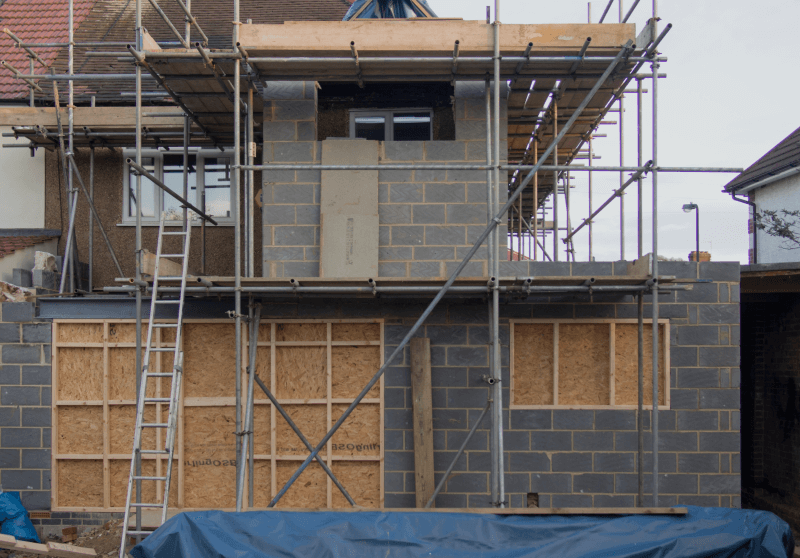
Some of the many different projects that require you to adhere to building regulations include electrical work, heating installations, fire safety, plumbing work, replacing windows and doors, extensions, alterations, converting roof space for use as a living area or new level, changing the use of a building such as converting existing office space into residential flats, and more.
If you own a home and want to do any work that requires building regulations, be sure to apply for building regulations approval. You must notify your local authority about your planned work and you should expect the occasional visit from an inspector during the course of the work so that they can ensure it is adhering to the building regulations. Once the work is done you should seek a certificate of completion from the local authority showing that it meets the regulations.
However, there are many instances in which people have bought homes only to find out that the previous owner did some significant work on the property that required building regulations approval but they never obtained it, which can complicate a future sale of the home.
And in addition to seeking building regulations approval for work covered by the policies, you might also have to submit an application to your local authority for planning permission.
Understanding your liability for work done by a previous owner of your home
The Homeowners Alliance, which advocates for the interest of homeowners, has a helpful guide that details your potential liability for work that either you, or the previous owner of your home, did to the property without building regulations.
If an extension or other change was made to a property that should had building regulations but did not, the local council has 12 months to pursue an enforcement action that could result in the homeowner facing fees or even an order to undo or amend the work.
But the council’s case against you weakens after the 12-month period, and it can be easier for you to successfully rebut a claim from the authority that the work is non-compliant. But note that you will be liable as the current homeowner regardless of who did the work.
And if you are selling your home, you must disclose any lack of a building regulation compliance certificate, otherwise you will put yourself at risk of legal liability in the future for hiding it.
Your options for correcting a lack of building regulations for your property
One option for resolving a home that does not have the right building regulations for work done is to apply for what’s known as a regularisation certificate, which is similar to a completion certificate except you are asking for approval of the work’s compliance entirely after the fact.
However, applying for a regularisation certificate can be a very lengthy and potentially costly process if you have to get a solicitor involved, so it’s sometimes not ideal if you want to sell your home quickly. If that’s the case then you might want to consider an indemnity policy.
Buying an indemnity insurance policy will protect you or the person that wants to purchase the property from the costs of any enforcement action that might be taken against the house or flat in the future from the local authority over the lack of building regulations. These typically cost less than £200 for homes worth £500,000 or less, and can resolve the problem.
But it’s important to know that the policy will become invalidated if any person approaches the local authority to inquire about the possible lack of a required building regulation compliance certificate at your property.
How to sell your home without the necessary building regulations
If you own a home where work has been done in the past but you cannot produce a certificate of completion, you will still be able to sell your property albeit perhaps with some delays.
Not having a completion certificate is not necessarily proof that whatever work was done did not comply with building regulations, but it does indicate that the person doing the work didn’t follow the right process for certifying that the project met the required standards.
Further below we’ll discuss your various options for selling a home without the necessary building options, including the pros and cons of each approach.
Choosing your best method for selling your home without building regulations
Should you wish to try selling your house or flat without taking steps to obtain the building regulations that you are missing, you will need to choose your best method for finding a buyer. Typically when people sell their properties, they will select either the services of an estate agent, trying their luck with a property auction, or selling their home to a quick cash buyer. Be sure to find out what your house is worth as a starting point.
Finding a buyer through an estate agent
If you want to try selling your home using the services of an estate agent, they will take care of the listing and marketing for the property in a bid to get people interested in viewing it. But the viewings – where potential buyers come to your home to see it in person – can be inconvenient for homeowners, as well as taking up a lot of your free time.
And you might have to find a specialist estate agent because some of them might not be willing to try selling a home without building regulations, particularly if they have no experience selling such properties, and this can make the sale process take even longer.
Even if you do find an estate agent willing to sell your home, you might not receive any offers on your home for several months or possibly even more than a full year.
Also, remember that estate agents will charge you commission for finding a buyer for your home, and you’ll have to subtract this fee from the total profit you’re able to make from the sale.
Using a property auction
Some property auctioneers have experience with listing and selling houses and flats that do not have building regulations. And selling this way does provide some certainty about finding a buyer, because the winning bid on your home is a legally binding agreement to purchase it.
Yet there could be a wait of potentially several weeks before the auction takes place once you’ve entered your home for sale. And even with a successful sale at auction you’ll have to wait many more weeks for the completion of the required paperwork for the auction.
And much like estate agents, you’ll also have to pay commission to property auctioneers, which might significantly reduce how much profit you will be able to make from selling your home.
Selling to a quick cash buyer
Another option for selling your home without building regulations is to contact a quick cash buyer such as LDN Properties. These businesses are often able to give you a streamlined, no-hassle and zero-stress way to get a speedy and competitive cash offer for selling your house or flat of any type, even if the property lacks the required building regulations. And they can usually complete the sale in just a few weeks, including exchanging contracts and paying you the cash.
Fast cash home buyers have plenty of experience with buying such homes, which removes a major hurdle for you with trying to find someone to purchase your property. And it’s also a very straightforward way to sell your home because you’ll simply be dealing with the quick buying company rather than having to have many viewings at your property for different people.
And another benefit of selling your home to a quick cash buyer is the fact that they typically will not charge you any commission for purchasing your house or flat. This means you can count on receiving the full cash profit from the final sale price that the company offers for your home.
Top questions and answers about selling a home lacking building regulations
Homeowners looking to sell fast often have questions to ask, ranging from the time it takes through to selling a home without building regs. Here are some of the top questions and answers we’ve been asked about selling without building regulations:
Your questions answered when selling property without building regulations
It depends on the type of work that you’re having done, but generally building regulations apply to a wide range of different aspects of home construction including plumbing, electrical wiring, construction materials and more. Check with your local planning authority for the latest updated UK government requirements for whether you need building regulations approval.
No, and there are estate agents and auctioneers who have experience with selling such properties. But you might find that buyers are hesitant to make an offer on a home that does not have building regulation compliance certificates, and that’s why you could consider selling to a quick cash home buyer because they will have experience purchasing such homes.
A possible way to get a fast and reliable sale of your home even if it doesn’t have the required building regulation certificates is to use a fast cash buyer like LDN Properties, because they can typically complete the entire sale process in just a few short weeks. And unlike estate agents or auctioneer they won’t charge fees that would reduce your total sale profit.
Yes. If you know that your house or flat does not have the necessary compliance certificates for any type of building regulations then you must disclose this fact when selling your home. If you deliberately mislead a buyer and do not tell them about the situation, you put yourself at risk of the buyer pursuing a lawsuit against you if they discover the fact after buying your home.
If you know that your property should have certificates of building regulation compliance but does not have them, you could try to obtain a regularisation certificate that would be official approval that the work meets required standards. But this can be a very time-consuming process and might not be ideal if you are looking to sell your home quickly.
These are relatively affordable insurance policies that will protect both you and a future buyer of your property against the costs associated with any enforcement action that the local planning authority might pursue against your house or flat due to a lack of building regulations compliance certificates.