Quick navigation
A Woolaway house is a particular type of property constructed using a precast frame and prefabricated concrete wall panels. This type of home has been known to be more susceptible to some defects, which can dissuade some potential buyers. But this guide shows how obtaining a quick and fair offer for your Woolaway property is still possible.
- What type of property is a Woolaway house?
- Concerns with a Woolaway home when selling
- Factors that could make buyers interested in your Woolaway property when selling
- Is it possible to get a mortgage for buying a Woolaway house?
- Deciding on making repairs to your Woolaway property before selling
- Four methods to help find a buyer for your Woolaway home
- Frequently asked questions about selling a Woolaway house
What type of property is a Woolaway house?
Throughout the UK you can find many thousands of prefabricated, or prefab properties, which are houses, flats, bungalows and other homes built using concrete, steel and other non-standard construction materials.
Prefab homes are those where the main structural components of the property – such as the walls, ceiling and more – are manufactured at a factory and then transported to the construction site, where the home is then assembled. This type of property can be relatively low in cost to build compared to standard houses, and they can also be constructed fairly quickly.
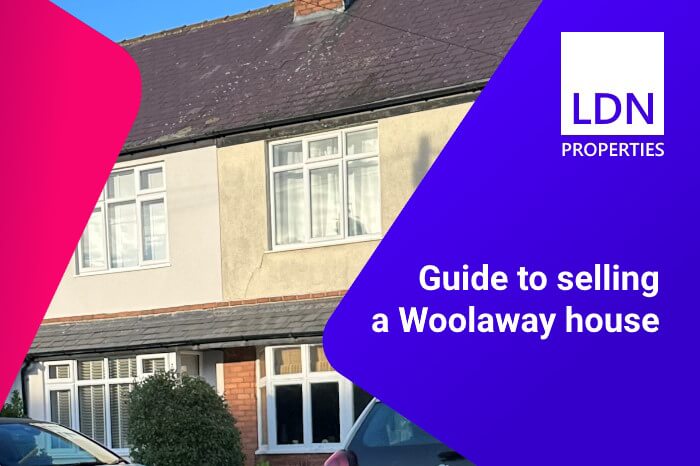
One category of prefab property is a Woolaway house. These homes are built using prefab concrete wall panels and a precast frame, also made of concrete, as Wikipedia explains.
The name for this type of property comes from the construction company W Woolaway & Sons Ltd., which developed the design for this variety of prefab home. The main period of construction for Woolaway houses was from 1946 until 1956 and the properties were either terraced or semi-detached, two storey homes. A related type of home, known as a Woolaway bungalow, was entirely detached and construction on this category started in 1954.
This guide focuses on trying to sell a Woolaway house, whether it’s freehold – where you outright own the property and the land on which it was constructed – or leasehold, where you pay a freeholder an annual ground rent and own the home for a set number of years.
You’ll learn about the potential pros and cons that buyers might associate with Woolaway houses, and also get advice on how to improve your odds of getting a fast and fair offer.
Concerns with a Woolaway home when selling
One of the main explanations for why construction on Woolaway homes dropped off after 1956 is that problems started to be noticed in these properties related to the materials used.
In particular, the concrete prefab portions of a Woolaway property could corrode and crack over time, creating structural integrity concerns about the home. This factor alone could be enough to make some prospective buyers lose interest in making an offer on your house.
Other negative issues associated with this type of prefab non-standard freehold or leasehold house include the possibility of increased risk of damp, along with poor insulation.
As more problems with the overall structural integrity of Woolaway houses became known, the UK government decided to act. Under a law by the UK Government known as the Housing Defects Act 1984, it officially declared Woolaway houses to be one of several prefab methods of building that were considered defective due to various flaws. It’s important to note that Woolaway bungalows were not covered by this designation.
But when you’re trying to sell a Woolaway house, you might find that some buyers cite the above physical problems with the property as reason for losing interest in the home – even if such flaws have not yet occurred. That’s because a buyer might worry that they could purchase your home and then suffer from the consequences of the flaws happening once they own it.
Although the chance of defects with a Woolaway home can deter a few buyers, don’t panic that you won’t be able to sell the property. Later in this guide you’ll see several suggestions for how to still get a quick and competitive offer, including sell to a fast buyer such as LDN Properties.
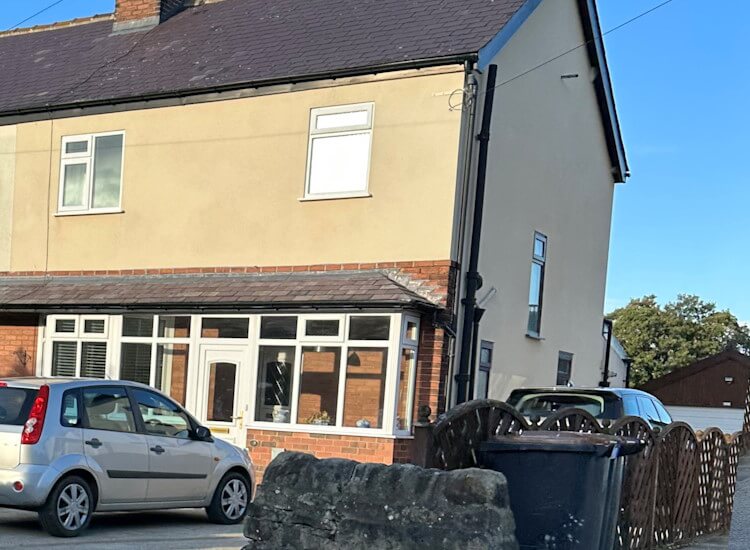
Factors that could make buyers interested in your Woolaway property when selling
Whilst it’s true that the possibility of structural damage is a leading reason why some buyers may not want a Woolaway home, other factors could help you with achieving a sale.
Some of the reasons listed below might not apply to your property, but review them to see if any of this factors could help you in promoting the good aspects of the home. This can possibly help in overcoming concerns that buyers might raise about owning a Woolaway house.
Great location: You might generate more interest in your property from potential buyers if your home is situated in a high-demand area where there are more people looking to purchase properties than available houses for sale. There are a wide range of reasons for a house being considered to have a great location, but some of the common reasons can include decent amenities, services and more nearby, good public transportation and low crime rates.
Simpler layout: If the Woolaway house that you’re trying to sell is a bungalow, this could make the home more attractive to a buyer who is elderly or otherwise has mobility problems, because they will not need to climb any stairs when living in the property, as Needing Advice notes. The same applies to Woolaway houses for those buyers who like that property’s particular layout.
Is it possible to get a mortgage for buying a Woolaway house?
Some mortgage providers might be unwilling to approve loans for buying Woolaway houses because of their concerns about the property and the possibility of defects occurring, as Respect Mortgages notes.
When someone obtains a mortgage, they commit to paying the lender back through monthly payments plus interest. Unfortunately, buyers may fall behind in making these payments for a wide range of reasons. If this outstanding debt continues for too long then the lender could move to repossess the property that was purchased with their loan, with the goal of relisting it for sale and using the proceeds from that sale to pay off the remaining amount owed.
But home loan lenders will be wary of issuing a mortgage for a property that could consider to be a “problem” house that may be harder to sell at a profit in the future, if needed. That can include Woolaway properties, because a mortgage provider might conclude that the potential defects in the home will make it hard to sell at a price that could resolve an unpaid loan.
For this reason, it’s possible that you’ll find it harder to attract private buyers who are reliant on a mortgage for purchasing your home. But don’t worry that this will make your Woolaway house unsellable, because there are still other approaches for selling that could result in a speedy and competitive offer.
One such solution could be contacting LDN Properties or another quick home buying company. These businesses are known for making quick and fair offers to buy almost any type of property, including Woolaway homes regardless of any flaws that the house might have.
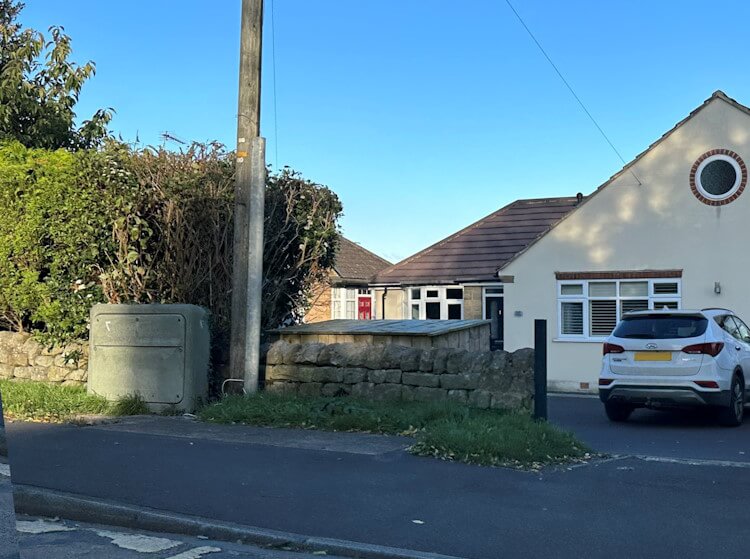
Deciding on making repairs to your Woolaway property before selling
If your freehold or leasehold Woolaway house is already showing structural defects, such as problems with the concrete framework or panels, one question that you’ll have to resolve is whether you want to fix the issue before you start to look for a buyer for the property.
Investing possibly a large amount of funds, effort and potentially months of time into repairing structural problems at your Woolaway home before selling does have one clear benefit – it would prevent a scenario where a prospective buyer significantly reduces their offer for your property by the amount of money they believe it will cost them to address the issue as the next owner. This means that fixing structural issues before selling may lead to a higher sale price.
But there are also many homeowners throughout the UK who will not be able to use the resources required to address any structural integrity problems at their home before selling.
The good news is you don’t need to spend any time, money or effort on fixing any problems with your Woolaway house, because it’s still possible to sell it as is in its current condition and still attract a competitive offer and even sell on a very fast timeline, for example completing the sale within a few short weeks.
One way to do this is contact a quick home buying company like LDN Properties, because they make fair offers to purchase almost any category of home, including Woolaway houses that currently have structural integrity problems as a result of the construction material used.
Four methods to help find a buyer for your Woolaway home
A key decision to make when selling your leasehold or freehold Woolaway property is choosing how you’d like to find a buyer. Generally you can choose among selling to a quick property buyer, selling with an estate agent, selling at a property auction or selling without any help.
As you’ll see from the specific details about each method below, some of the options have notable drawbacks, like the commission you’d have to pay if you use an estate agent or property auction. Other approaches have unique benefits, for example being able to complete the sale of your house in a handful of weeks when you sell to a quick property buyer.
Consider writing down your top priorities with the sale of your house, such as the goal selling price, if you are willing to pay any fees, and how long you are prepared to wait to sell. Then compare these factors against the information in this section of the guide about all four selling methods and this should guide you in finding which one best pairs with your needs.
Selling to a quick property buyer
Often the swiftest way to sell a Woolaway house is by contacting a quick home buying company, like LDN Properties. They have the funds available to buy properties right away, without having to wait many weeks or longer to get a mortgage to pay for the purchase. This cuts the selling timeline to a few weeks, and that includes the exchange of contracts.
Legitimate quick home buying companies will also commit to never charging you any commission when purchasing your property, which helps with reducing your expenses. Compare that to selling through an estate agent or at a property auction, which are two methods where you will need to pay fees that are subtracted from the final home sale proceeds.
Quick buyers will also give you a competitive offer regardless of any structural integrity problems with your Woolaway home, or its shape, size, age, location or other issues. That makes them a great option for selling a house with structural flaws "as is" without any repairs.
As well as buying Woolaway houses, LDN Properties since launching more than a decade ago has purchased and made offers on many other categories of homes throughout the UK, including link-detached houses, flats without an External Wall Fire Review form, homes with survey problems, houses of multiple occupancy, properties with solar panels, flats in buildings without a lift, homes with old electrics or wiring, uninsurable houses, properties that large amounts of asbestos, and many other scenarios.
Selling with an estate agent
Estate agents are responsible for most of the effort required to sell a Woolaway house, starting when they prepare a listing that describes the home’s main features and includes photographs of the interior and exterior. They’ll advertise this listing in their office, online and in local media, and organise viewings to take interested buyers on tours of your home. Finally, estate agents will also hear offers from serious buyers, ideally carrying one through to completion.
Although this can reduce your workload and stress significantly, remember that estate agents will charge you commission for this work if they’re able to sell your home. Usually you will pay between 1.15 percent and 1.40 percent of your home’s final sale price, and this will increase your total selling expenses because the fee is taken immediately out of the sale proceeds.
Selling with an estate agent can also be a fairly slow process, and you should be prepared to wait for up to a year or longer before finding a buyer. Also, someone can make an offer on your home but then withdraw it and make the sale collapse without facing any penalties, so long as you have not yet exchanged contracts. If this unfortunate situation occurs, it can delay selling even further because you’ll have to restart the process of trying to secure a buyer.
Some estate agents might also have zero experience with selling a Woolaway house, and this could suggest that they may struggle with knowing how to get potential buyers interested in your property. Therefore you should ask individual estate agents if they have ever sold such a home in the past, and avoid using the services of any estate agent without such experience.
Selling at a property auction
Another way to try selling a leasehold or freehold Woolaway house is through a property auction, where you pick a reserve price – the lowest price at which you agree to sell your home – and then people get to place bids of increasing value on the property. The goal is to have several people interested and try to outbid each other, raising the final sale price.
If your home receives a single bid at the reserve price then this is considered a binding legal agreement to sell your home, and the buyer could sue to enforce it if you try to walk away from the sale. That’s why you need to calculate a reserve price that should hopefully still produce a profit from the sale, even after you have deducted the fee that the auctioneer will charge.
Expect to pay commission charged at about 2.5 percent of your home’s final auction sale price, and this will be taken out of the sale proceeds, therefore adding to your overall selling costs. You could ask auctioneers to see if they’re open to either lowering the commission that they charge, or making the buyer pay some of your expenses, so see if this may be an option.
You will experience some delays when selling through an auction, including a wait of several weeks or even months between the day on which you list your house for sale this way and the day on which the auction is held. If the property does sell, the buyer will usually be given 28 days to sign all of the required paperwork and complete their other mandatory tasks in order to finalise the sale, although some auctioneers might set longer or shorter deadlines for the buyer.
And note that if your home fails to attract a bid at the reserve price then it will be deemed unsold. This will extend your overall schedule for selling, because this would require that you start over with deciding how you’d like to next try finding a buyer for the property.
Selling without any help
Selling without any assistance means that you don’t contact an estate agent or auctioneer, who would otherwise do most of the tasks involved with attracting buyers. That puts the burden on you to handle everything – from creating and advertising a listing through to scheduling viewings to take buyers on tours of your property, and ultimately handling any serious offers.
This is a large amount of work and you will not be able to do it solely in your spare time. That’s why this approach is only really recommended for those people who have experience with previously selling Woolaway houses, or who have suitably qualified friends or family members who might be willing to assist for free in finding a buyer for your property. Otherwise, you could be looking at more than an entire year before you receive a serious offer.
Selling this way shares the same disadvantage of using an estate agent in that a buyer could make an offer, proceed with it, and then rescind the offer and abandon the purchase, not facing any penalties so long as you have not yet reached the exchange of contracts. This will delay the sale of your home even further because you’ll have to begin again with finding a buyer.
Perhaps the only obvious advantage of selling your Woolaway house without any help is that you will not need to pay an estate agent or auctioneer any commission. But this cost saving could be cancelled out by the money that you’ll have to spend on advertising your property.
As an alternative, you may want to think about contacting LDN Properties or another honest zero-commission quick home buying business. These companies will not only promise to buy your Woolaway house without charging you any fees, which helps to lower your expenses, but they can also complete the process of buying most homes within a few short weeks. It’s a great way to achieve a streamlined, zero-stress and hassle-free sale of your property.
Top queries and answers about selling a Woolaway house
If you are a homeowner thinking of selling your house, you may have some questions to be answered , ranging from the how much repair work they should do before selling through to selling a house in bad condition. Here are some of the key questions we’ve been asked about selling a Woolaway house:
Your top questions when selling a Woolaway property
Woolaway houses are a particular type of prefabricated property that are built using a precast frame and prefab concrete panels, with their name derived from the W Woolaway & Sons, the company that created the design. These properties were constructed between 1946 and 1956, and there are also Woolaway bungalows, a related type of home built starting in 1954.
There are a few reasons why a buyer might be interested in your leasehold or freehold Woolaway home, in particular if it’s got a great location – this can mean many things to many buyers, but often includes factors like low crime rates or great nearby amenities. The simple layout of the Woolaway properties could also appeal to a certain group of buyers.
Construction on Woolaway properties fell off in the 1950s because of emerging concerns about a range of structural defects that could happen at the homes, primarily due to the prefab concrete used to build the houses. Some buyers could have major concerns about purchasing a home with structural damage, or even the potential for such damage to occur in the future.
It’s possible, although some home loan providers will be cautious about approving mortgages for buying Woolaway houses due to their fears about the property’s structural integrity. Mortgage lenders may need to repossess and sell a home if the buyer defaults on the loan, and these companies could believe it’s too risky to count on reselling the home at a profit.
It’s your choice and you should make it after reviewing whether you are willing to invest what could be months of your time and a significant amount of money in fixing the defects that have occurred at your Woolaway house. You are allowed to sell your home as is without first undertaking any repairs, and it’s still possible to a competitive and quick offer this way.
Contacting LDN Properties or any other legitimate quick home buying company is your best choice, because they should be able to within a few weeks complete the purchase of your property, and this includes the exchange of contracts. Selling via an estate agent, selling at a property auction or selling without any assistance can all take several months at least.
Possibly – if you sell your home using a property auction or an estate agent then they will require that you pay them commission, and this will be deducted from the eventual sale proceeds before you receive any money. But if you sell your home on your own or you sell it to an honest no-fee quick home buyer like LDN Properties, you won’t pay any commission.